In American politics, the two major parties – Democrats and Republicans – have long been at the forefront of political discourse. While these parties often appear polarized, understanding the nuances of their differences, especially among delegates at their respective conventions and the general party rank and file, is crucial for a comprehensive grasp of the U.S. political landscape.
Historical Context of Political Parties in the U.S.
Political parties in the United States have evolved significantly since their inception. Originating from federalist and anti-federalist sentiments, the parties have undergone numerous transformations, reflecting changing social, economic, and political landscapes.
Party Conventions: A Microcosm of Political Ideals
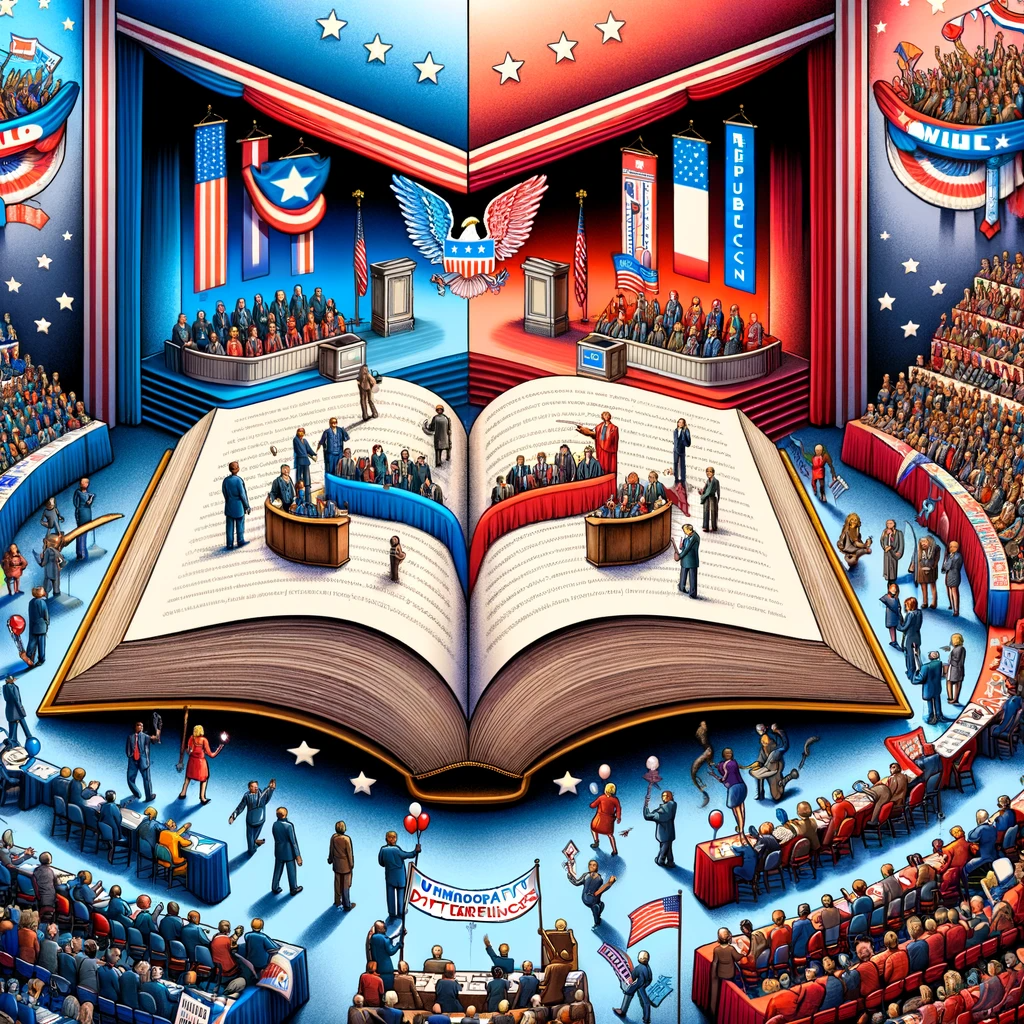
Party conventions are pivotal in shaping and presenting the core values and platforms of the parties. These gatherings are not just ceremonial; they are a confluence of the party’s most ardent supporters, including delegates who often represent the more active and passionate segment of the party.
Democratic Party Conventions
Democratic conventions typically showcase progressive ideals, emphasizing social equality, environmental sustainability, and economic reforms aimed at reducing inequality. Delegates at these conventions often advocate for:
- Healthcare Reform: A significant push for universal healthcare or more accessible healthcare options.
- Climate Change: Aggressive policies addressing environmental concerns and promoting renewable energy.
- Social Justice: Strong emphasis on civil rights, LGBTQ+ rights, and addressing systemic inequalities.
Republican Party Conventions
Republican conventions, contrastingly, tend to focus on:
- Economic Conservatism: Emphasis on free-market policies, lower taxes, and reduced government spending.
- National Security: Strong defense policies and stringent immigration controls.
- Social Conservatism: Preservation of traditional values, often reflecting cautiousness towards rapid social change.
The Rank and File: A Broader Perspective
The party rank and file, comprising the general membership, may not always align perfectly with the delegates’ ideals. This discrepancy can be attributed to a range of factors, including regional differences, personal experiences, and the varying intensity of political engagement among members.
Differences in the Democratic Rank and File
Among the Democratic rank and file, there is often a spectrum of beliefs. While some members align closely with the progressive ideals echoed at the conventions, others may adopt a more centrist approach, focusing on pragmatic solutions and bipartisan collaboration.
Variations within the Republican Base
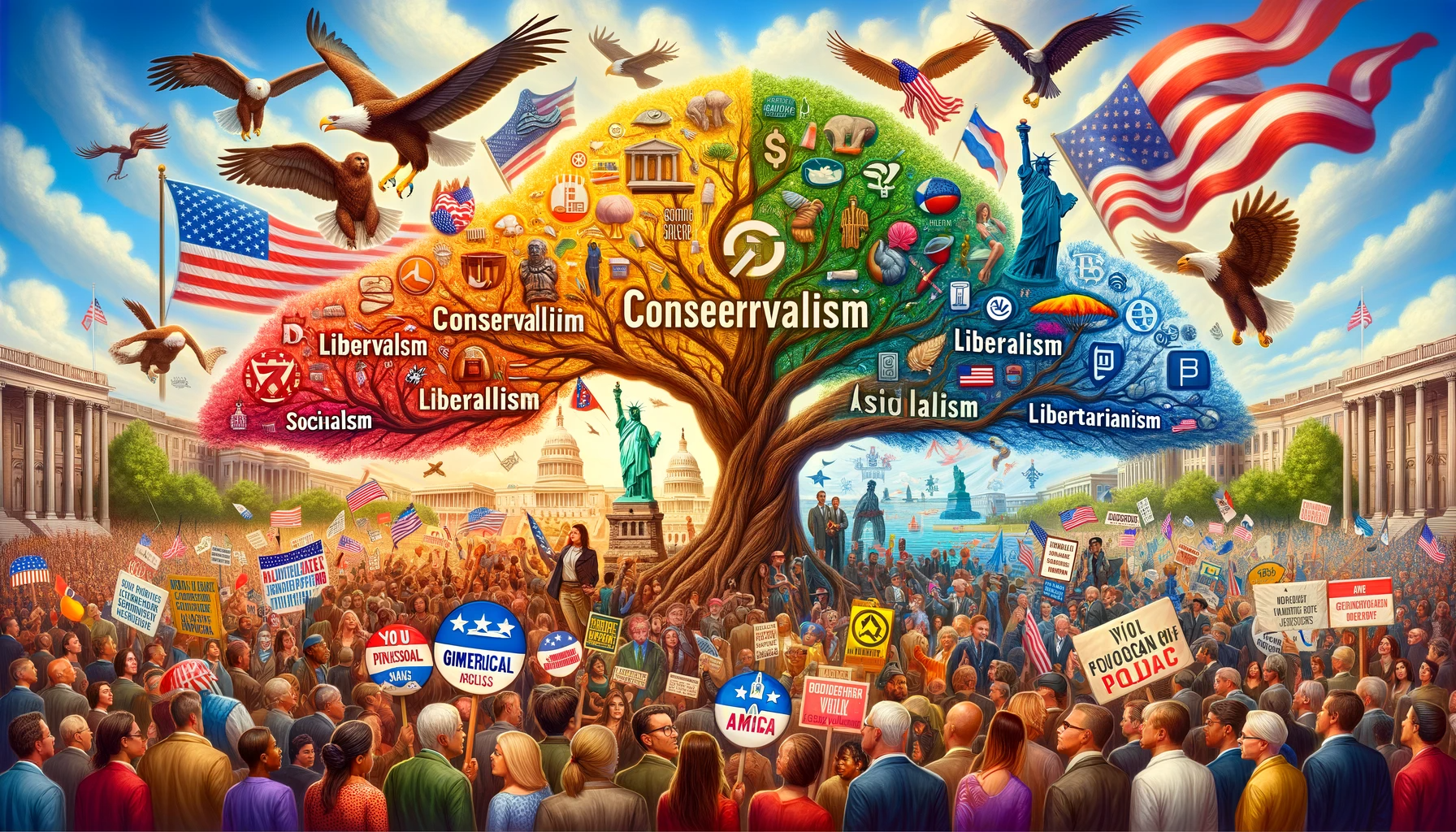
Similarly, the Republican base is not monolithic. While some members staunchly support the conservative ideals presented at conventions, others might lean towards more moderate or libertarian views, emphasizing individual freedoms and limited government intervention.
Comparing Delegates and Rank and File
The comparison between the delegates and the rank and file of both parties reveals a gradient of political ideology. Delegates, by virtue of being more actively involved in the party, often represent the more pronounced and ideologically driven aspects of the party. In contrast, the rank and file encompass a wider array of perspectives, sometimes leading to internal debates and disagreements within the party.
Impact on Political Discourse and Elections
The differences between the parties, as well as the internal diversity within each party, significantly influence political discourse and election outcomes. Candidates and party leaders often navigate these complexities, balancing the need to appeal to both the passionate base and the broader electorate.
Conclusion
In conclusion, while there are clear ideological differences between the Democratic and Republican parties, particularly evident at their conventions, the rank and file of each party present a more nuanced and varied political landscape. Understanding these differences is key to comprehending the dynamics of American politics
and its impact on policy-making and governance. As students of political science, it’s essential to recognize that the American political fabric is woven from a diverse array of political beliefs and ideologies, both within and between the major parties. This diversity drives the ever-evolving nature of U.S. politics, shaping the nation’s path forward.
Reflecting on the Future of Political Parties
The evolving nature of these parties raises questions about the future of American politics. Will the parties move towards greater ideological extremes, or will there be a shift towards centrism? How will emerging social and economic challenges influence the parties’ platforms and their appeal to the electorate?
The Role of Young Voters and New Perspectives
The involvement of young voters and the introduction of new perspectives can significantly alter the political landscape. As issues such as climate change, technological advancements, and global interconnectedness become increasingly important, both parties might undergo transformations to address these challenges.
The Importance of Civic Engagement
This analysis underscores the importance of civic engagement and informed participation in the political process. Understanding the nuances of party ideologies and their implications is crucial for effective voting decisions and political advocacy.
Bridging Divides and Fostering Dialogue
Finally, recognizing the differences between and within parties is a step towards fostering constructive political dialogue. In a time marked by polarization, efforts to bridge ideological divides and understand diverse viewpoints are essential for the health of American democracy.
Navigating the Changing Political Climate
As the political landscape continues to evolve, it is vital for students and young voters to navigate these changes with a critical eye. The emergence of new political movements, the impact of social media on political discourse, and the increasing importance of grassroots activism are reshaping the traditional dynamics of political parties.
The Influence of External Factors
External factors such as economic shifts, international relations, and technological advancements also play a crucial role in shaping party ideologies. For instance, how parties respond to global economic trends or technological disruptions can lead to significant shifts in their policy positions and voter appeal.
The Role of Independent and Third-Party Voters
Another critical aspect to consider is the role of independent and third-party voters in the U.S. political system. While the focus often remains on Democrats and Republicans, the perspectives and voting patterns of independents and third-party supporters can significantly influence election outcomes and policy discussions.
Media’s Role in Shaping Perceptions
The media plays a pivotal role in shaping public perceptions of political parties. The portrayal of party conventions, the focus on certain issues over others, and the framing of political debates can all influence how party ideologies are perceived by the public. Critical analysis of media representations is, therefore, essential for a well-rounded understanding of political parties.
Education and Political Literacy
Finally, the importance of political education cannot be overstated. A well-informed electorate is crucial for the healthy functioning of democracy. Schools, universities, and other educational institutions play a vital role in fostering political literacy, encouraging critical thinking, and preparing students to be active, informed participants in the political process.
Wrapping Up
In summary, the differences between the Democratic and Republican parties, particularly among their delegates and the rank and file, reflect the diverse and dynamic nature of American politics. Understanding these differences is not just an academic exercise but a crucial part of being an informed citizen and an active participant in the democratic process. As students of government and political science, you are embarking on a journey that will not only enrich your understanding of American politics but also empower you to contribute to its future.