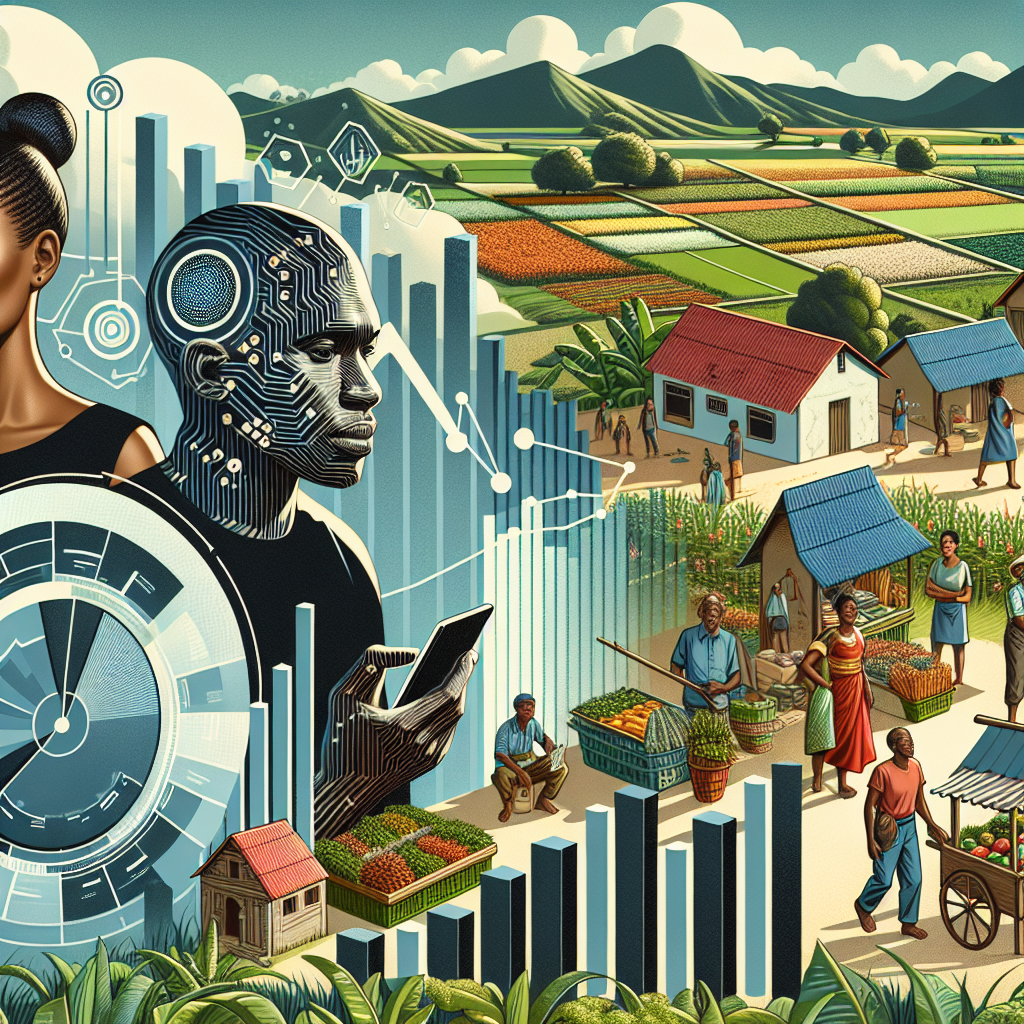
Macroeconomics is a branch of economics that focuses on understanding the behavior and performance of an economy as a whole. It examines aggregate indicators such as GDP, unemployment rates, and inflation to gauge the health of an economy. One of the critical facets of macroeconomics is government spending. This type of spending plays a pivotal role in influencing economic growth, stabilizing the economy, and addressing issues of inequality. It’s essentially the expenditure by the government on goods, services, and public projects, and it falls under the broader category of fiscal policy.
Government spending is a tool used to manage the economy and direct it towards desirable macroeconomic outcomes. Through carefully planned expenditures, governments can stimulate economic activity, create jobs, and reduce the adverse effects of recessions. It can be directed towards infrastructure projects, education, healthcare, defense, and social welfare programs, each of which has distinct impacts on the economy.
In understanding the role of government spending, it’s crucial to consider how it affects aggregate demand and supply, and how it interacts with other aspects of fiscal policy such as taxation. Government spending is not merely about pouring money into the economy but involves strategic decisions to enhance productivity and stimulate sectors lagging in growth. In this comprehensive examination, we will delve into the significance, mechanisms, and consequences of government spending in macroeconomics.
Government Spending and Economic Growth
Economic growth is a primary objective for most governments, and public spending is a fundamental mechanism to achieve this. When the government spends on infrastructure projects like roads, bridges, and airports, it creates jobs and stimulates demand for materials and labor. This, in turn, boosts economic activity and can lead to higher productivity and increased GDP.
Education and healthcare are other critical areas where government spending can foster long-term economic growth. By investing in education, governments can improve the workforce’s skill set, leading to higher productivity and innovation. Similarly, investment in healthcare ensures a healthier workforce, reducing absenteeism and increasing efficiency.
However, the relationship between government spending and economic growth is not always straightforward. The efficiency of spending is crucial. Investments need to be well-targeted and managed to result in positive growth. Poorly planned or wasteful spending can lead to inefficiencies and debt accumulation, which might stifle future growth. Therefore, disciplined fiscal management is essential in ensuring that spending positively affects economic growth.
Economic Stabilization Through Government Spending
Economic stabilization is another crucial role of government spending. During periods of economic downturn, known as recessions, consumer and business confidence usually drop, leading to reduced spending and investment. To counteract this reduction in private sector activity, the government can increase its spending to inject liquidity into the economy.
This approach is often referred to as a counter-cyclical fiscal policy. By boosting public spending during a recession, the government aims to prop up aggregate demand, thereby mitigating the impact of the downturn and aiding in economic recovery. Spending on unemployment benefits, for instance, can support incomes for those out of work, allowing them to continue spending and maintaining demand for goods and services.
Conversely, during times of excessive economic growth that might lead to inflation, the government can cut back on its spending. This reduces the amount of money circulating in the economy, helping to cool off inflationary pressures. In this way, government spending acts as a stabilizing force, smoothing out the business cycle’s highs and lows, and promoting long-term economic stability.
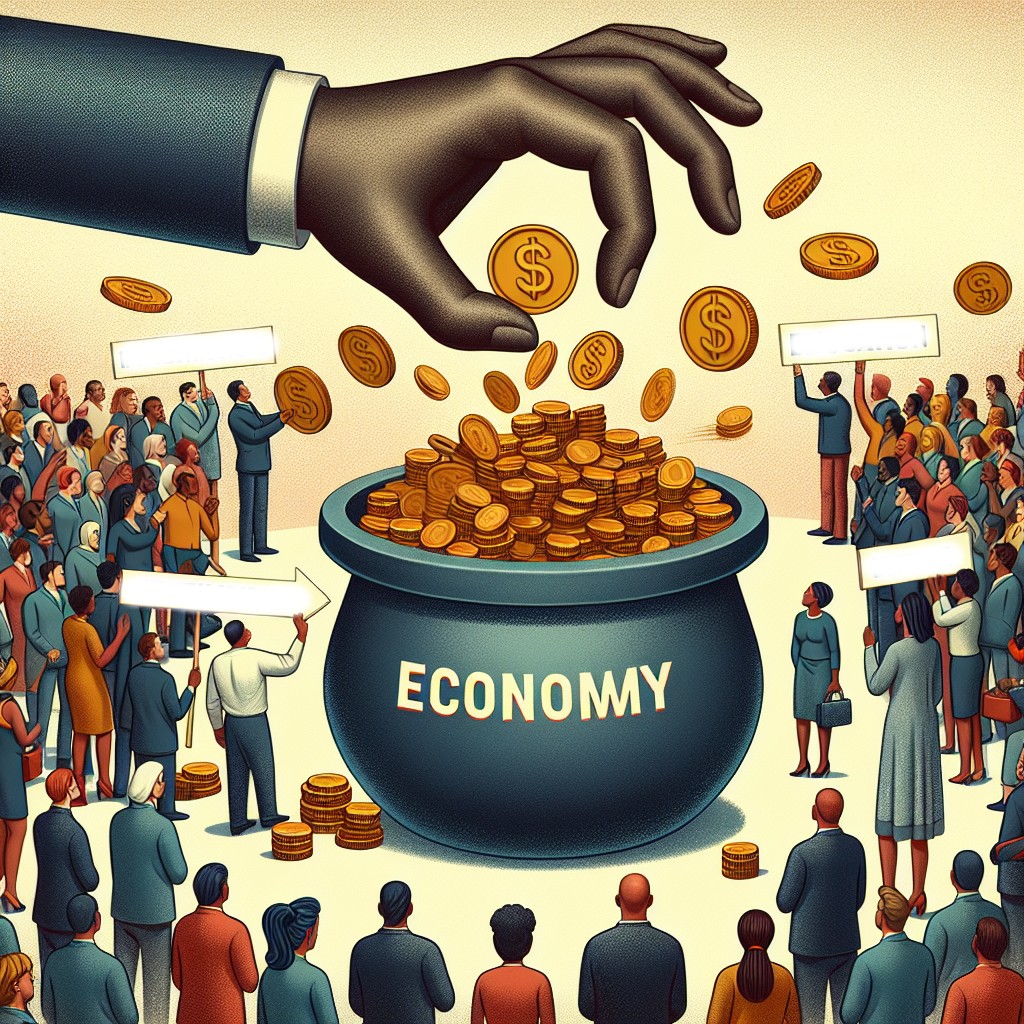
Addressing Inequality Through Government Spending
Inequality, both in terms of income and wealth, can pose significant challenges to an economy. It can lead to social unrest, reduce economic mobility, and diminish overall economic productivity. Government spending is a vital tool in addressing these disparities.
Public expenditure on social welfare programs, such as unemployment benefits, social security, and housing assistance, helps to support those in need and can reduce inequality levels. Moreover, investments in education and healthcare ensure that all citizens have the opportunity to improve their economic standing, thereby promoting a more equitable society.
Besides direct transfers and social programs, progressive government spending that targets underserved areas can also help in reducing regional disparities. Infrastructure development in rural or economically lagging regions can provide these areas with the tools needed for economic growth and job creation, thereby reducing regional inequalities.
In essence, strategic government spending within the principles of social justice can bridge the gap between the rich and the poor, creating a more balanced and fair economy where opportunities are more evenly distributed.
Government Spending and Fiscal Policy
Government spending is a critical component of fiscal policy, the use of government revenue-collection (taxation) and expenditure to influence the economy. Fiscal policy can be expansionary or contractionary depending on the economic circumstances.
Expansionary fiscal policy involves increasing government spending and decreasing taxes to boost economic activity. This approach is typically used during periods of economic recession to stimulate growth. Conversely, contractionary fiscal policy aims to reduce government spending and increase taxes to cool down an overheating economy and control inflation.
The interplay between government spending and taxation is vital for the overall effectiveness of fiscal policy. For instance, increasing government spending financed by raising taxes might not have the desired stimulative effect if the increased tax burden offsets the benefits of higher public expenditure.
Hence, a balanced and well-thought-out approach is necessary, where the timing, scale, and target of government spending align with the broader fiscal objectives of enhancing economic growth, stability, and equitable wealth distribution.
The Multiplier Effect of Government Spending
One concept that is central to understanding the impact of government spending in macroeconomics is the multiplier effect. The multiplier effect refers to the phenomenon where an initial injection of government spending leads to a more than proportionate increase in overall economic activity.
For example, when the government spends on building a new highway, it not only pays the construction workers but also creates demand for materials used in construction, such as steel and concrete. The income earned by construction workers and suppliers is then spent on other goods and services, further stimulating economic activity. This chain reaction amplifies the initial spending’s impact, leading to a much larger effect on the economy.
The size of the multiplier effect depends on various factors, including the marginal propensity to consume (MPC) within the economy. The MPC measures the likelihood of consumers to spend additional income rather than save it. Higher MPC values indicate stronger multiplier effects, as more initial spending circulates through the economy.
Therefore, understanding the multiplier effect helps governments design more effective spending policies that maximize their impact on economic growth and stability.
Conclusion
The role of government spending in macroeconomics is multifaceted and includes fostering economic growth, stabilizing the economy, and reducing inequality. Through strategic and disciplined fiscal policies, governments can direct public expenditure in ways that promote long-term prosperity, address cyclical economic challenges, and create a more equitable society.
While government spending has the potential to drive substantial economic benefits, it must be managed wisely to avoid inefficiencies and debts that could hamper future growth. Effective government spending requires a careful balance, targeted investments, and an understanding of the broader economic context and the potential multiplier effects.
In conclusion, government spending is a powerful tool in the arsenal of macroeconomic policy. When used effectively, it can lead to a healthier, more stable, and more equitable economy, ultimately improving the standard of living for all citizens. Policymakers must, therefore, craft spending policies with strategic foresight and a deep understanding of their economic environment.