Welcome to an in-depth exploration of one of the world’s most iconic traditional festivals: Oktoberfest. Rooted in Bavarian culture, this festival has grown from a local celebration into a global phenomenon. What began as a royal wedding festivity more than 200 years ago is now a symbol of German heritage, attracting millions of visitors annually. This article will delve into the origins, cultural significance, customary practices, and modern adaptations of Oktoberfest, providing a comprehensive understanding of why this festival continues to captivate people around the globe.
Situated in Munich, Bavaria, Oktoberfest’s origins can be traced back to October 12, 1810, when Crown Prince Ludwig, later King Ludwig I, married Princess Therese of Saxony-Hildburghausen. To honor this royal union, the citizens of Munich were invited to join the festivities held over five days, culminating in a horse race in the presence of the royal family. This initial celebration laid the groundwork for what would become an annual event, known today as Oktoberfest. While the horse races are no longer a staple, many of the festival’s traditions have evolved while still maintaining a connection to their historical roots.
Understanding the historical context of Oktoberfest provides valuable insights into its enduring popularity and cultural significance. In the following sections, we will explore the traditional aspects of the festival, including its famous beer tents, Bavarian cuisine, folk music, and traditional attire. We will also examine the adaptations and modern twists that have kept Oktoberfest relevant for contemporary audiences. So grab a stein of your favorite beverage and let’s embark on this fascinating journey through Oktoberfest’s past and present.
Historical Origins of Oktoberfest
Oktoberfest’s original purpose was to celebrate the marriage of Bavarian Crown Prince Ludwig to Princess Therese in 1810. The event was so well-received that it became an annual affair, gradually evolving into a public celebration rather than a royal event. The festival initially featured horse races, tree climbing, and various other forms of entertainment aimed at showcasing local Bavarian culture and enhancing community spirit.
In the early years, Oktoberfest was primarily celebrated in October, aligning with the original wedding festivities. However, as the festival gained popularity, it was moved to the last two weeks of September to take advantage of better weather conditions. Today, Oktoberfest traditionally starts in late September and culminates in the first weekend of October, combining both historical and pragmatic elements.
One of the most significant landmarks in Oktoberfest history was the establishment of the first beer tents in 1896. Prior to that, beer was served in smaller stalls, but the success of the event necessitated larger and more structured setups. This innovation set the stage for one of the festival’s most iconic features: the massive beer tents that can each accommodate thousands of revelers. The introduction of these tents not only bolstered the festival’s appeal but also paved the way for the various breweries to showcase their unique Bavarian brews, making beer a central element of the celebration.
The Bavarian Culture and Its Influence
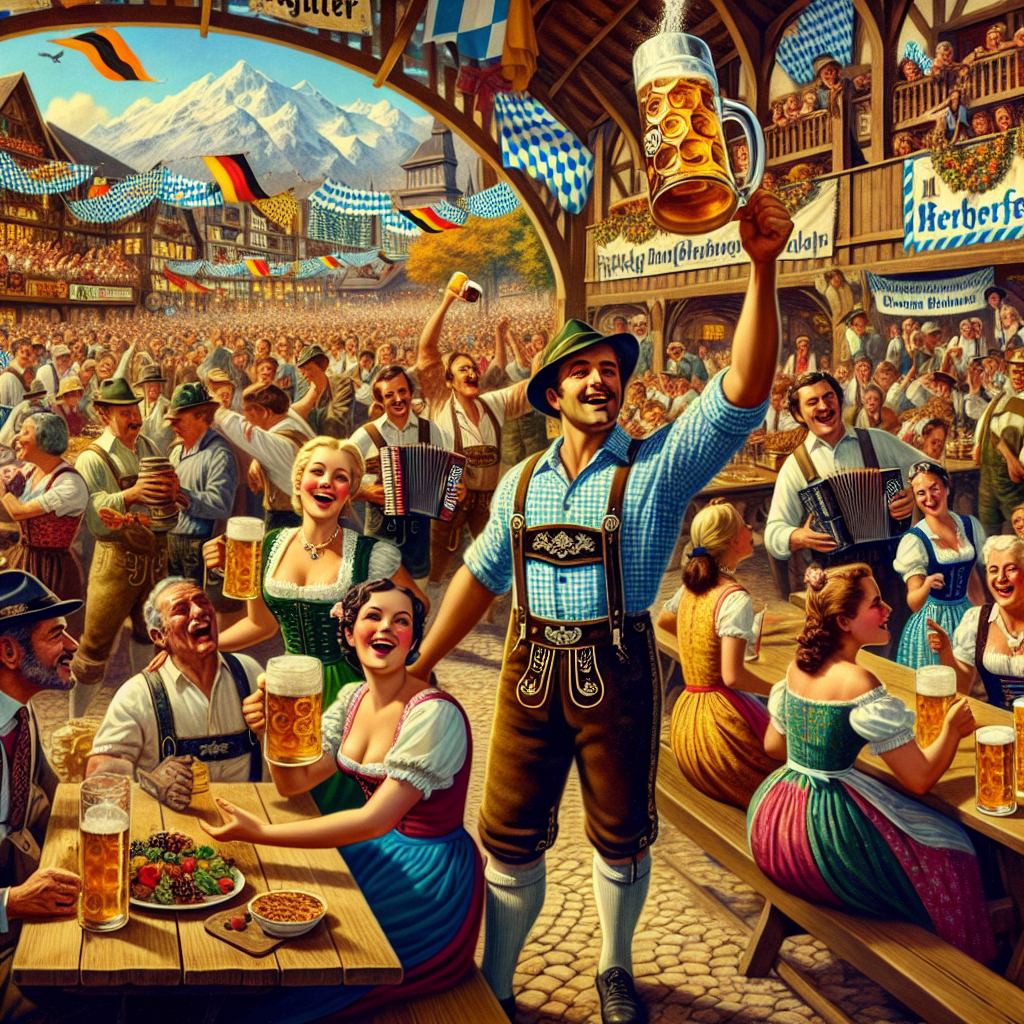
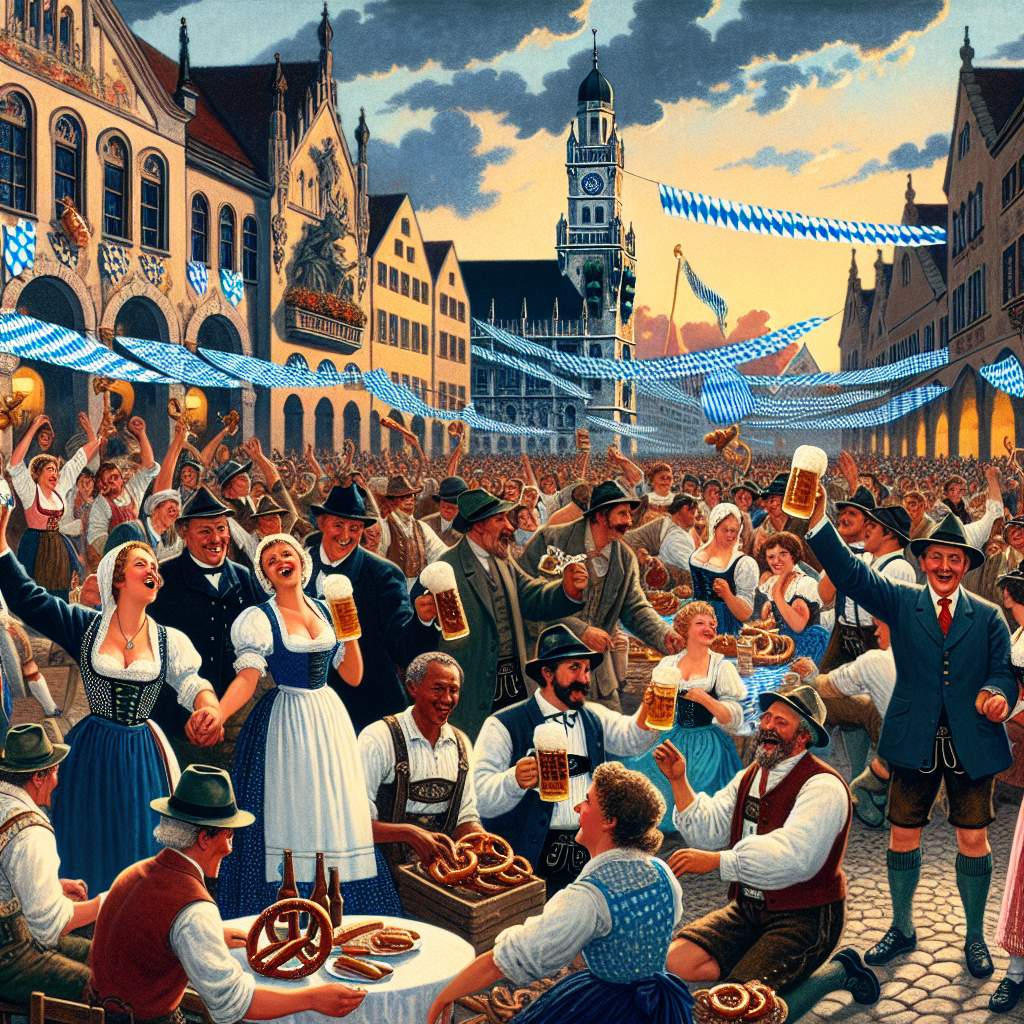
Bavaria, a region in southern Germany, has a rich cultural heritage that profoundly influences Oktoberfest. Bavarian tradition is imbued with a distinct sense of community, hospitality, and merrymaking, which is evident in every aspect of the festival. Visitors to Oktoberfest are greeted by locals adorned in traditional Bavarian attire: men in lederhosen (leather shorts) and women in dirndls (a type of dress featuring a bodice, blouse, and skirt). These outfits not only reflect regional pride but also add to the festive atmosphere.
Folk music is another essential component of Bavarian culture that is prominently featured during Oktoberfest. Oompah bands play traditional German music, creating an ambiance of camaraderie and joy. These bands perform classic Bavarian tunes, alongside modern hits, ensuring that there is something for everyone. Dancing is encouraged, and it’s common to see people linking arms and swaying to the music, reinforcing the communal spirit that is central to Bavarian tradition.
Bavarian cuisine also plays a significant role in the Oktoberfest experience. Traditional dishes include pretzels (Brezn), sausages (Würstl), roast chicken (Hendl), and assorted varieties of dumplings (Knödel). Each dish is designed to be hearty and satisfying, capable of soaking up the copious amounts of beer consumed during the festival. The culinary offerings are not just sustenance but a celebration of Bavarian culinary heritage, offering festival-goers an authentic taste of the region’s flavors.
Modern Adaptations and Global Influence
While Oktoberfest remains deeply rooted in Bavarian traditions, it has also adapted to contemporary tastes and has had a significant global influence. Today, Oktoberfest celebrations can be found in cities around the world, from Sydney to Denver, each adding its unique twist while maintaining the core elements of the festival.
Modern adaptations include offering a variety of beers beyond traditional Bavarian brews. Craft beers and international selections are now commonly available, catering to diverse palates. Additionally, many Oktoberfest events incorporate contemporary music genres, expanding the festival’s appeal to younger generations.
Technology has also impacted Oktoberfest, with apps and websites dedicated to enhancing the festival experience. Visitors can now navigate the grounds using digital maps, book tables in advance, and even participate in virtual Oktoberfest events. These innovations make the festival more accessible and convenient, ensuring it remains relevant in an increasingly digital world.
The global influence of Oktoberfest is evident in the various international renditions of the festival. For example, in the United States, cities like Cincinnati and Milwaukee host large-scale Oktoberfest celebrations, attracting thousands of visitors. These events often feature a blend of traditional German elements and local customs, creating a unique fusion that celebrates cultural diversity while honoring the original spirit of Oktoberfest.
The Role of Beer in Oktoberfest
Beer is undeniably the centerpiece of Oktoberfest, and its role in the festival cannot be overstated. The festival’s beer is brewed according to the Reinheitsgebot, the German Beer Purity Law of 1516, which mandates that beer can only contain water, barley, and hops. This ensures a high-quality brew that stays true to traditional Bavarian standards.
The beer served at Oktoberfest is stronger than your average beer, typically ranging from 5.8% to 6.3% alcohol by volume. It is brewed by Munich’s six major breweries: Augustiner, Hacker-Pschorr, Löwenbräu, Paulaner, Spaten, and Hofbräu. Each brewery operates a “beer tent,” essentially a massive hall that can house thousands of people.
The serving of beer is accompanied by a specific ritual. Traditionally, the Mayor of Munich taps the first keg, declaring “O’zapft is!” (It is tapped!) to signal the official opening of the festival. This moment is highly anticipated and is often broadcast on television and live-streamed online. The first beer is then ceremonially served to the Bavarian Minister-President, after which the festival’s beer-drinking festivities commence in earnest.
Aside from the beer, each tent offers its unique ambiance and entertainment. Some are family-friendly with quieter atmospheres, while others are known for their boisterous parties. Despite the various themes, the shared love for high-quality Bavarian beer unites all attendees, making the beer tents the beating heart of Oktoberfest.
Customary Practices and Traditions
One of the most cherished aspects of Oktoberfest is its array of customary practices and traditions that have been passed down through generations. The festival begins with the “Wiesn-Einzug,” a grand parade featuring horse-drawn beer wagons, marching bands, and participants dressed in traditional Bavarian attire. This procession makes its way to the Theresienwiese, the official festival grounds, kicking off the festivities in a spectacular fashion.
Another notable tradition is the consumption of traditional Bavarian food. Each beer tent offers a variety of culinary delights, including pretzels as large as your head, countless types of sausages, and the deliciously crispy roast chicken. These foods are designed to complement the beer and sustain festival-goers through hours of celebration.
Dancing and singing are also integral to the Oktoberfest experience. Each beer tent features live music, often performed by oompah bands playing traditional German folk songs. It’s not uncommon for revelers to link arms and sway to the rhythm, creating an atmosphere of communal joy and unity.
In recent years, the festival has also introduced “quiet Oktoberfest” in the mornings, a period during which the music is toned down, and more family-friendly activities are available. This adaptation allows the festival to cater to a broader audience, including families with young children and those who prefer a more relaxed atmosphere.
Conclusion:
Oktoberfest is more than just a festival; it is a celebration of Bavarian culture, history, and communal spirit. From its humble beginnings as a royal wedding celebration to its current status as a global phenomenon, Oktoberfest has retained its core elements while evolving to embrace modern influences. The beer, food, music, and traditional attire all contribute to an experience that is both authentically Bavarian and universally appealing.
As we’ve explored, each aspect of Oktoberfest, from the historical origins to the customary practices, plays a crucial role in making the festival what it is today. The integration of modern adaptations ensures that Oktoberfest remains relevant and accessible, attracting a diverse array of visitors from around the world.
Whether you’re a first-time visitor or a seasoned attendee, Oktoberfest offers something for everyone. It’s a place where you can immerse yourself in Bavarian culture, enjoy world-class beer and cuisine, and participate in traditions that have been cherished for over two centuries. So, the next time you raise a stein of beer and join in a chorus of “Ein Prosit,” you’ll know that you’re part of a celebration that has united people through joy, good food, and great beer for generations.
Cheers to Oktoberfest, a festival that continues to enchant and bring people together, one beer at a time.