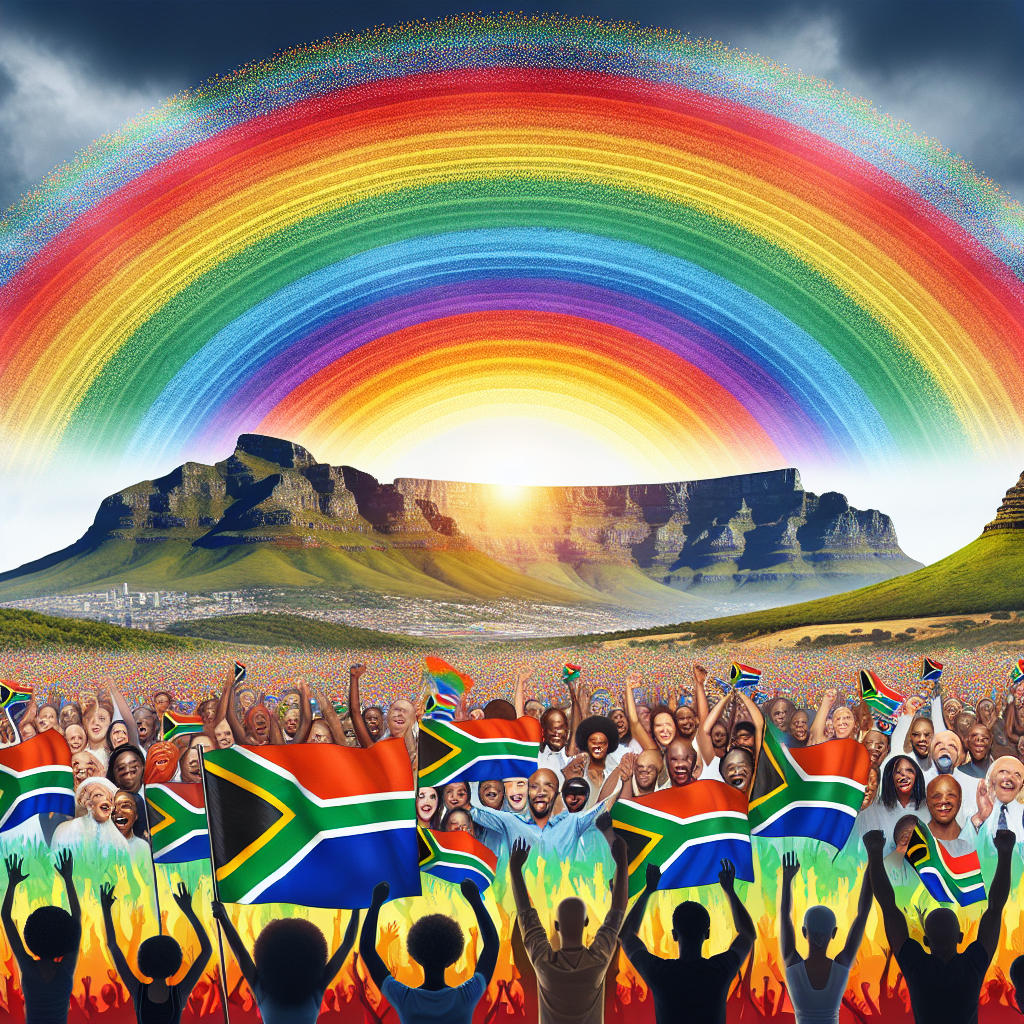
Apartheid, one of the most reprehensible periods in global history, left an indelible mark on South Africa and the world. Institutionalized from 1948 until the early 1990s, apartheid enforced racial segregation and discrimination, dividing the nation along white and non-white lines. The ramifications were devastating, including unequal access to resources, education, and political representation for the vast majority of South Africans.
The system created enormous socio-economic disparities and fostered a culture of resistance and resilience among the oppressed. The fight against apartheid wasn’t just a local struggle; it became a global cause, pulling in activists, governments, and organizations from around the world. Alongside these champions of justice stood cultural figures—musicians, writers, artists—who utilized their platforms to shed light on the atrocities and galvanize support for the anti-apartheid movement.
The transition from apartheid to a democratic regime in the early 1990s marked the beginning of a new cultural era in South Africa. The advent of democracy under the leadership of Nelson Mandela was not just a political overhaul but a cultural renaissance that sought to heal and unite a fragmented nation. This period saw the emergence of a more inclusive South African identity, highlighting the richness of its cultural diversity. The end of apartheid wasn’t merely the cessation of an oppressive policy but the dawn of a hopeful chapter where creativity, reconciliation, and unity began to thrive.
The Genesis of Change: The Soweto Uprising
The Soweto Uprising of 1976 stands as one of the pivotal moments in South Africa’s journey toward ending apartheid. It was sparked by an education policy forcing black students to learn in Afrikaans, the language of the oppressor, instead of their native tongues. On June 16, 1976, thousands of students took to the streets in a peaceful protest. The government’s brutal response resulted in hundreds of deaths and injuries, intensifying international condemnation of apartheid.
This tragic event galvanized the youth, who realized the power of their collective action. It ignited a series of uprisings and protests that continued for years, constantly keeping the pressure on the apartheid regime. The creative expressions of resistance—such as protest songs, literature, and grassroots organizing—fostered a culture of defiance and resilience. Musicians like Hugh Masekela and Miriam Makeba and writers like Nadine Gordimer harnessed their artistry to tell the story of struggle, freedom, and hope, both within South Africa and globally.
Internationally, the Soweto Uprising drew robust support for anti-apartheid movements. Sanctions and boycotts were imposed by countries around the world, further isolating the apartheid regime. Cultural icons and public figures, from Bob Marley to Stevie Wonder, became vocal advocates for the end of apartheid, using their influence to bring global attention to South Africa’s plight. These combined efforts played a pivotal role in accelerating the demise of the apartheid regime.
The Role of Nelson Mandela
Nelson Mandela’s name is synonymous with the freedom struggle against apartheid. Imprisoned for 27 years, Mandela became a global symbol of resistance, resilience, and reconciliation. His release in 1990 was a momentous event that signified the crumbling of the apartheid infrastructure.
Mandela’s approach to dismantling apartheid wasn’t merely political; it was profoundly cultural. He recognized that to heal the wounds caused by decades of segregation and violence, there needed to be a concerted effort towards cultural reconciliation. Mandela’s presidency marked the beginning of various initiatives aimed at fostering a shared cultural identity. Efforts aimed at acknowledging and integrating the diverse cultural backgrounds of all South Africans led to the establishment of cultural institutions and the celebration of heritage days.
Mandela’s influence extended beyond mere policy changes. His personal acts of reconciliation, such as sporting gestures during the Rugby World Cup in 1995, conveyed powerful messages of unity. By donning the Springboks jersey, an emblem of white Afrikaner pride, Mandela effectively bridged racial divides. His actions encouraged South Africans to embrace their common humanity, laying the groundwork for a new cultural narrative focused on unity and understanding.
Truth and Reconciliation Commission
To fully comprehend the cultural transformation of South Africa post-apartheid, one must consider the role of the Truth and Reconciliation Commission (TRC). Established in 1995, the TRC aimed to address the human rights violations that occurred during apartheid. Chaired by Archbishop Desmond Tutu, its proceedings were designed to heal the nation by exposing truth and facilitating reconciliation.
The TRC’s impact extended far beyond mere legal ramifications. It became a platform for storytelling and cultural expression, allowing victims to share their experiences and perpetrators to seek forgiveness. This collective catharsis played a significant role in reshaping the cultural landscape of South Africa. It promoted a culture of empathy and understanding, setting a global precedent for post-conflict societies.
Artists and filmmakers were inspired by the TRC’s work, leading to the creation of numerous works that explored themes of reconciliation and justice. Movies like “Cry, the Beloved Country” and “Invictus” captured the heartache and hope of the South African struggle, further embedding the story of apartheid and its end into global consciousness. This wave of artistic output continues to contribute to the ongoing conversations about identity, justice, and reconciliation in South Africa.
Music and Dance: Cultural Renaissance
The end of apartheid marked the renaissance of South African music and dance. Music had always been a form of protest and unity during apartheid, with genres like jazz, marabi, and kwaito inspiring resistance and resilience. With the dawn of democracy, these art forms evolved to reflect the newfound freedom and hope.
Kwaito, in particular, emerged as a dominant genre, symbolizing the aspirations and energetic spirit of post-apartheid youth. Mixing traditional African rhythms with modern electronic beats, kwaito became the voice of young South Africans eager to express their newfound identity and optimism. Artists like Brenda Fassie, with her electrifying presence and poignant lyrics, captured the complexities of this transitional era.
Furthermore, international collaborations flourished, highlighting South Africa’s vibrant cultural scene. The country became a hub for global music festivals and cultural exchanges, allowing its rich musical traditions to resonate worldwide. Dance, too, saw a resurgence, with contemporary dance forms blending with traditional practices to create powerful performances that celebrated freedom and resilience.
Education as a Catalyst for Cultural Change
Education played a crucial role in catalyzing cultural change in post-apartheid South Africa. The apartheid regime had severely underfunded black education, leading to disparities that perpetuated socio-economic inequalities. The new democratic government prioritized transforming the education system to promote inclusivity and equality.
Curricula were reformed to reflect the cultural diversity of South Africa, incorporating indigenous knowledge systems and histories that had been marginalized under apartheid. Education became a means of celebrating and preserving the diverse languages, traditions, and practices that constitute the South African cultural mosaic.
School programs and extracurricular activities started to emphasize cultural exchange and understanding, fostering a generation of young South Africans who are more aware of and respectful towards different cultural backgrounds. This educational shift not only helped bridge the divides created by apartheid but also empowered individuals to take pride in their cultural identities, contributing to the nation’s cohesive social fabric.
Urbanization and Cultural Evolution
Post-apartheid South Africa has experienced significant urbanization, which has also influenced its cultural landscape. Cities like Johannesburg, Cape Town, and Durban have become melting pots of cultures, attracting diverse populations from around the country and the world.
This urbanization has led to the emergence of new cultural expressions and subcultures, blending different traditions and practices. The vibrant street art scene in Johannesburg, the culinary fusion in Cape Town, and the multicultural festivals in Durban illustrate the dynamic cultural evolution taking place in urban centers.
Urbanization has also facilitated greater cultural exchange and collaboration, with artists, musicians, and performers from different backgrounds interacting and inspiring each other. This cross-pollination of ideas and artistic forms has resulted in innovative creations that reflect the multifaceted identity of post-apartheid South Africa.
Conclusion
The end of apartheid was not just the termination of a brutal political system; it was the beginning of a new cultural era for South Africa. The transition to democracy ushered in a period of healing, reconciliation, and renewal, as the nation sought to rebuild its identity and forge a more inclusive future.
The cultural impact of this transformation is evident in the resilience and thriving diversity of South African society today. From the powerful storytelling of the Truth and Reconciliation Commission to the dynamic musical and dance movements, the nation’s cultural landscape has been shaped by a collective desire for unity and justice.
Education and urbanization have further fueled cultural change, empowering individuals to embrace and celebrate their diverse heritage. The spirit of Nelson Mandela and other freedom fighters continues to inspire a culture of empathy, understanding, and collaboration.
As South Africa continues to evolve, its cultural journey serves as a testament to the power of resilience and the enduring human spirit. The end of apartheid marked the beginning of a new chapter, one defined by the celebration of diversity, the healing of wounds, and the creation of a united and vibrant cultural tapestry.
Frequently Asked Questions
1. What was apartheid, and how did it come to an end in South Africa?
Apartheid, meaning “apartness” in Afrikaans, was a system of institutionalized racial segregation and discrimination in South Africa that started in 1948 and lasted until the early 1990s. This policy enforced a rigid racial hierarchy that afforded privileges to the minority white population while disenfranchising non-white communities. Key aspects included the denial of voting rights, restrictions on movement within the country, and segregated amenities, which disproportionately favored white citizens.
The end of apartheid was not instantaneous but rather a drawn-out process characterized by internal dissent, international pressure, and significant changes in political leadership. Mass protests, most notably the Soweto Uprising in 1976, underscored the widespread discontent. The rise of influential activist groups and leaders, such as the African National Congress (ANC) with Nelson Mandela at the helm, played a critical role in mobilizing resistance.
International sanctions and embargoes further strained South Africa’s economy and reputation. Consequently, negotiations began in the late 1980s following Nelson Mandela’s release from prison in 1990. By 1994, South Africa held its first multiracial elections, officially marking the end of apartheid as Nelson Mandela became the country’s first black president.
2. How did the end of apartheid affect the socio-economic landscape of South Africa?
The abolition of apartheid dismantled a system designed to perpetuate socio-economic disparities based on race. It paved the way for more equitable access to resources, education, and employment opportunities. With the end of racial segregation, previously marginalized groups began to experience increased representation in various sectors, including government and business.
However, the transition has been complex. South Africa continues to grapple with lingering socio-economic inequities and high levels of poverty and unemployment, especially among black South Africans. The government’s efforts to address these issues through policies like Black Economic Empowerment (BEE) and land reform have been met with mixed success and some opposition, underscoring the intricate balance in addressing past injustices while fostering economic growth.
3. What cultural changes occurred in South Africa after apartheid was abolished?
The end of apartheid marked the beginning of a new cultural era characterized by a celebration of diversity and multiculturalism. The introduction of a democratic government allowed for greater expression and participation by all racial and ethnic groups. Culturally, there was a vibrant resurgence in music, art, and literature that celebrated indigenous cultures and narratives previously suppressed under apartheid.
South Africa adopted a new national flag and anthem that represented the country’s commitment to unity and inclusion. The Truth and Reconciliation Commission (TRC) was established to address the human rights violations that occurred during apartheid, fostering a national dialogue toward healing and reconciliation. This era also witnessed an increasing integration of South African culture on the global stage, showcasing a wide array of talents and stories that reflected its rich cultural heritage.
4. How has South Africa’s political landscape evolved since the end of apartheid?
Post-apartheid South Africa witnessed significant shifts in political dynamics, with the African National Congress (ANC) emerging as the dominant party due to its pivotal role in the anti-apartheid movement. The country’s governance system was revamped to a more inclusive model based on universal suffrage, allowing all citizens to partake in elections and political processes.
The new political era was marked by progressive constitutional frameworks designed to protect human rights and promote democracy. Since apartheid’s end, South Africa has seen several democratic elections, although the ANC faces increasing challenges from other parties. Issues such as corruption and governance deficits have sparked debates about political accountability and efficiency, evidence of an evolving political discourse that seeks to hold leaders to democratic standards and the promises of the post-apartheid era.
5. How did the global community react to the abolition of apartheid in South Africa?
The global community broadly welcomed the end of apartheid as a momentous step toward justice and equality. Internationally, both governmental organizations and non-governmental entities lifted sanctions and embargos, restoring South Africa’s standing in the world economy and enabling its readmission into international bodies like the United Nations and the Commonwealth of Nations.
Global leaders praised the peaceful transition of power and the democratic principles that emerged. This was seen as a successful example of resolving deep-seated national conflict through negotiation and reform rather than violence. The end of apartheid also had ripple effects globally, with South Africa’s experience becoming a model for other nations facing internal division and struggles for civil rights. It underscored the international community’s potential role in supporting movements combating racial and social injustice.


