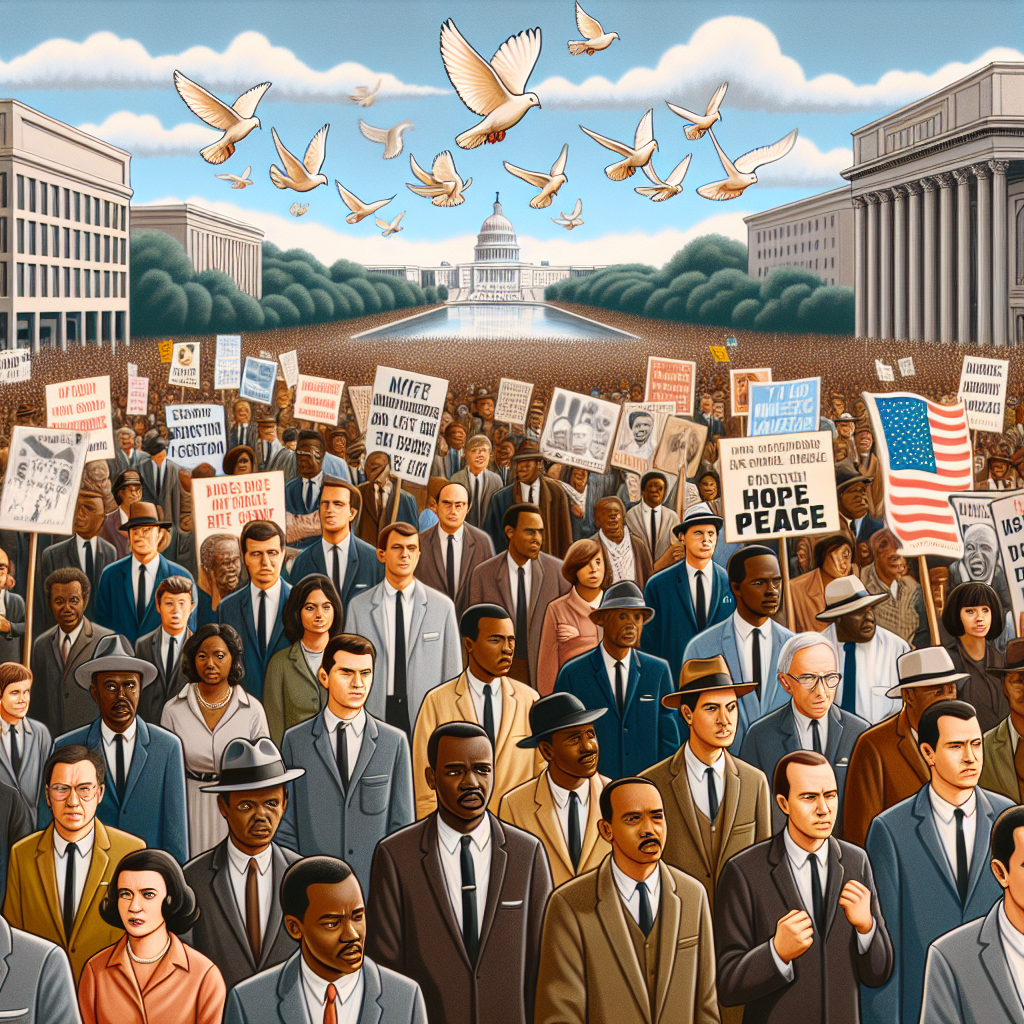
The Arab Spring was a series of anti-government protests and uprisings that spread across much of the Arab world in the early 2010s. Beginning in Tunisia in December 2010, the movement quickly spread to various other countries, igniting political and social turmoil on an unprecedented scale. But beyond the dust of revolution and the clamor of political restructuring, the Arab Spring also functioned as a cultural renaissance, transforming not just laws and regimes but also the entire cultural landscape of these regions. This comprehensive exploration begins with an examination of the events that triggered the Arab Spring, then delves into its political consequences, and finally, analyzes its cultural impact on the Arab world.
Genesis of the Arab Spring
The spark that ignited the Arab Spring was lit by the tragic story of Mohamed Bouazizi, a Tunisian street vendor who self-immolated in protest against police corruption and ill-treatment. This act of desperation resonated deeply with millions of people in similar circumstances, triggering mass protests across Tunisia. President Zine El Abidine Ben Ali’s regime quickly crumbled under the pressure of widespread dissent, setting a precedent for other nations in the region. Following Tunisia’s lead, countries such as Egypt, Libya, Yemen, Syria, and Bahrain were significantly affected. Social media played a crucial role, offering a platform for organizing protests and disseminating information, uniting disparate groups against common oppressive regimes. While each country’s journey through the Arab Spring was unique, there was a shared sense of indignation against autocratic governance, human rights abuses, and economic disparity.
Political Upheaval
The immediate consequence of the Arab Spring was the collapse of longstanding political regimes in several countries. In Egypt, the resignation of President Hosni Mubarak after 18 days of mass demonstrations marked a significant victory for the protesters. Similarly, Libya saw the end of Muammar Gaddafi’s 42-year rule, albeit through a violent civil war backed by NATO intervention. Yemen’s President Ali Abdullah Saleh agreed to a step-down deal, although this did little to stabilize the country in the long run. However, not all outcomes were positive. Syria descended into a protracted and devastating civil war, leading to immense human suffering and displacement. Bahrain saw the government crack down severely on the protestors, with little in the way of meaningful reforms. The Arab Spring clearly demonstrated the complex interplay between popular dissent and political power structures, offering both hope and cautionary tales.
Economic Implications
The economic ramifications of the Arab Spring were profound and multifaceted. Initially, the turmoil led to economic disruptions, negatively affecting GDP growth in many of the involved countries. Tourism, a significant revenue source for nations like Egypt and Tunisia, plummeted amidst the instability. Investment and trade relations were also severely hampered, further straining fragile economies. However, in the long term, the aspirations for economic reforms began to take shape. Tunisia, for instance, implemented various economic measures aimed at reducing corruption and increasing transparency. Efforts were made to diversify economies, focus on education, and support entrepreneurial ventures, laying the groundwork for improved economic resilience. Gradually, the adverse immediate effects started giving way to cautious optimism.
Cultural Renaissance
Beyond the political and economic upheavals, the Arab Spring heralded a cultural renaissance. The revolutions broke the shackles of censorship and state-controlled narratives, allowing for an unprecedented explosion of artistic and literary expression. Music, poetry, graffiti, and films started reflecting the themes of freedom, resistance, and change. In literature, there was a noticeable shift towards more daring truths, with writers exploring themes that previously remained taboo. Digital platforms became fertile ground for creative expression, enabling artists to reach global audiences. Social media, blogs, and online forums amplified voices that might have otherwise been silenced, facilitating a more democratized cultural discourse.
Impact on Women’s Rights
The Arab Spring also sparked a new wave of advocacy for women’s rights. Women were active participants in the protests, standing shoulder to shoulder with men, demanding not just political change but a transformation in societal attitudes towards gender equality. The visible participation of women in these movements challenged traditional gender roles and spurred a broader discussion on women’s rights and empowerment. Post-Arab Spring, some countries saw the emergence of women leaders in various sectors, further promoting gender equality. Tunisia, for instance, made significant strides in ensuring women’s rights, with legislative reforms aimed at combating violence against women and promoting gender parity in political representation. Although progress has been uneven across the region, the seeds for gender equality sown during the Arab Spring hold the promise of a more inclusive future.
Conclusion
The Arab Spring was an extraordinary period that not only redefined the political landscape of the Middle East and North Africa but also ignited a cultural and social renaissance. It was a period of profound transformation and awakening, where the cries for justice and freedom gave birth to new art, literature, and social norms. While the immediate outcomes of the uprisings were a mix of successes and failures, the long-term impacts on culture, economy, and gender equality hint at a slow but steady march towards more open and equitable societies. The story of the Arab Spring is far from over, and as the region continues to evolve, the lessons learned from this era will undoubtedly shape its future trajectory. This multifaceted movement suggests that despite the turbulence, hope and creativity can emerge even in the darkest times.