Skip to content

SOCIALSTUDIESHELP.COM

Learn Social Studies and American History

  • American History Lessons
  • American History Topics
  • AP Government and Politics
  • Economics
  • Resources
    • Blog
    • Practice Exams
    • AP Psychology
    • World History
    • Geography and Human Geography
    • Comparative Government & International Relations
    • Most Popular Searches
  • Toggle search form

Technology and Economic Development: Innovation and Growth

Posted on By admin

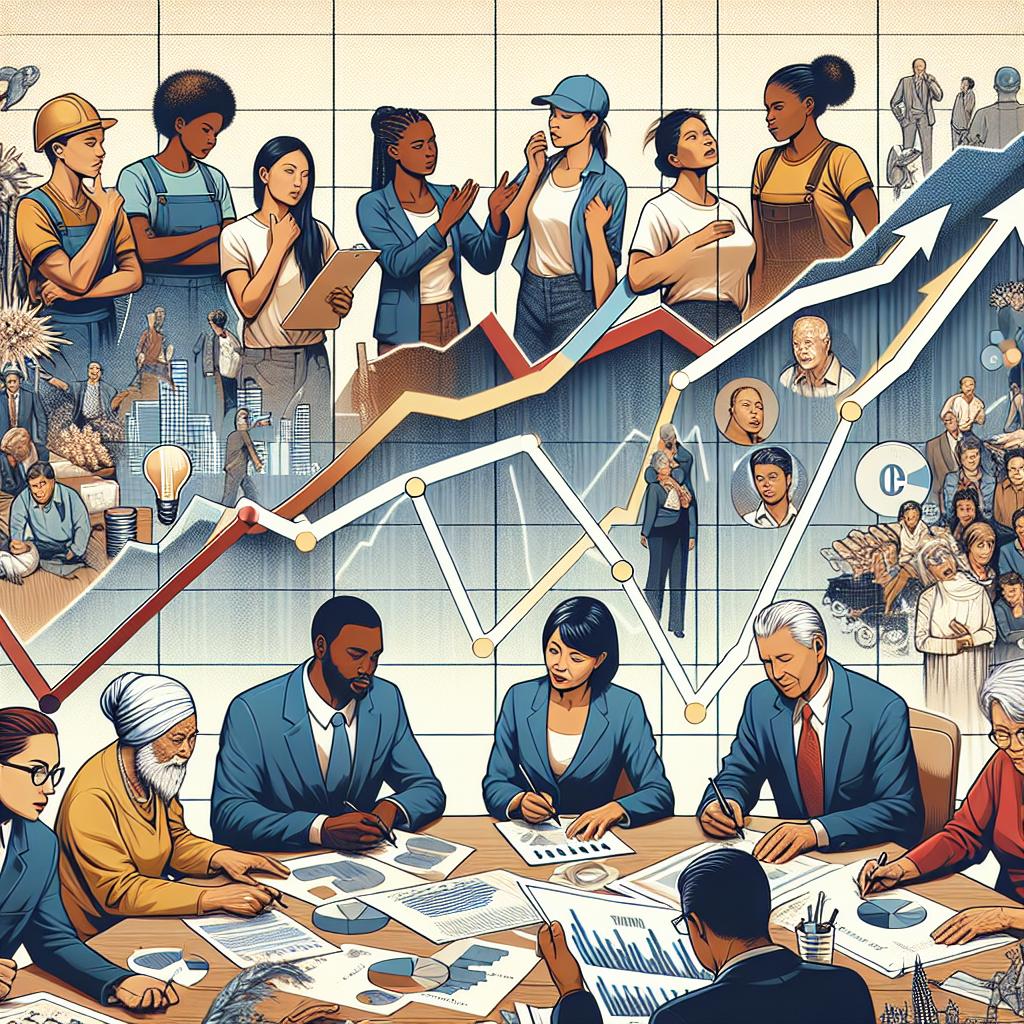
In today’s rapidly evolving global landscape, the nexus between technology and economic development has never been more critical. This relationship plays an essential role in shaping the future of economies worldwide. As technological advancements accelerate, their effects on economic growth, social well-being, and the environment have become more pronounced and wide-ranging. Over the past century, the world has witnessed unprecedented technological innovations that have significantly boosted productivity, transformed industries, and improved living standards.

Contextually, the diffusion of technology refers to the process through which new technologies spread across markets and regions, effectively transforming economies. This diffusion is not a uniform phenomenon; it varies by geography, sector, and socio-economic context. The adoption and successful implementation of new technology can mean the difference between a thriving, innovative economy and one that lags behind. For developing countries, harnessing technology efficiently can help bridge the economic gap and foster sustainable development.

This article seeks to explore the multifaceted relationship between technology and economic development, emphasizing the diffusion of innovation and its implications for economic growth. We will delve into key areas such as the digital divide, the role of education and infrastructure, policy implications, and the environmental impact of technological advancements.

The Digital Divide: Bridging the Gap

One of the most significant barriers to leveraging technology for economic development is the digital divide. This divide describes the gap between those who have access to modern information and communication technologies (ICT) and those who do not. The digital divide can occur both between countries (global digital divide) and within countries (domestic digital divide).

Access to digital technologies is crucial for economic development as it opens up new opportunities for innovation, efficiency, and connectivity. Information and communication technologies can enhance productivity, enable access to global markets, and improve service delivery in sectors such as health and education. However, disparities in access to these technologies can accentuate existing inequities and create new forms of exclusion.

Bridging the digital divide requires coordinated efforts at multiple levels. Investment in digital infrastructure is essential, particularly in rural and underserved areas. Policies promoting affordable internet access, digital literacy programs, and inclusive technology design can help democratize access to technology. Moreover, partnerships between governments, private sector players, and non-governmental organizations (NGOs) can drive initiatives to expand digital inclusivity and spur economic growth through technology adoption.

The Role of Education and Infrastructure

Education and infrastructure form the backbone of any strategy aimed at promoting technology-led economic development. A well-educated workforce is essential for the absorption, adaptation, and innovation of new technologies. Educational systems need to be reoriented to focus on STEM (Science, Technology, Engineering, and Mathematics) education, coding, and digital skills to prepare the workforce for a technology-driven economy.

Vocational training and continuous learning programs can ensure that the labor force remains adaptable and proficient in using emerging technologies. Enhancing educational curricula to include practical tech skills, fostering a culture of innovation, and promoting entrepreneurship can further catalyze technological diffusion and economic growth.

Beyond education, robust infrastructure is a prerequisite for technological advancement. This includes reliable internet connectivity, electricity, transportation networks, and modernized regulatory frameworks that facilitate technological adoption. Countries that invest in and prioritize infrastructure development are better positioned to reap the benefits of technological advancements and achieve sustainable economic growth.

Policy Implications and Government Actions

Government policies play a pivotal role in shaping the trajectory of technology adoption and economic development. Policymakers need to create an enabling environment that supports innovation, research, and development. This includes providing incentives for private sector investment in technology and innovation, protecting intellectual property rights, and fostering open competition.

Regulatory frameworks must strike a balance between encouraging technological advancement and safeguarding public interests. For instance, data privacy, cybersecurity, and the ethical use of artificial intelligence (AI) are critical areas that require robust regulatory oversight. Moreover, governments can play an instrumental role in funding and supporting research and development activities and public-sector innovation.

National strategies that include clear technological vision, collaboration with academic institutions, and the promotion of public-private partnerships (PPPs) can significantly enhance the pace and impact of technology diffusion. Such policies will be critical in maximizing the socio-economic benefits of new technologies while mitigating potential risks and challenges.

Environmental Impact of Technological Advancements

Technological advancements have profound impacts on the environment, which presents both opportunities and challenges for sustainable development. On one hand, technology can drive environmental sustainability by promoting the efficient use of resources, reducing waste, and enabling renewable energy solutions. Innovations such as smart grids, electric vehicles, and green building technologies are pivotal in reducing carbon footprints and combating climate change.

On the other hand, the production, use, and disposal of technology also pose significant environmental risks. E-waste generated by obsolete electronic devices is a growing concern, alongside the energy consumption of data centers and the environmental impact of mining for rare earth minerals used in electronic components. Balancing technological advancement with environmental stewardship requires a comprehensive approach, including eco-friendly design, recycling programs, and the adoption of circular economy principles.

Thus, integrating environmental considerations into technological development policies and practices is crucial for fostering a sustainable future. Governments, industries, and consumers all have a role to play in driving this transition towards green technologies and sustainable consumption patterns.

Conclusion

In conclusion, the dynamic interplay between technology and economic development underscores the importance of strategic innovation diffusion. As the world becomes increasingly interconnected, the ability to harness technology effectively will be a key determinant of economic prosperity and social well-being. Bridging the digital divide, investing in education and infrastructure, implementing forward-thinking policies, and addressing environmental impacts are critical components of this journey.

By leveraging technological advancements thoughtfully and inclusively, economies can foster sustainable growth, enhance productivity, and improve quality of life for their citizens. The future landscape of economic development will be shaped by our collective ability to navigate these challenges and opportunities, ensuring that technology serves as a force for good in creating a more equitable and sustainable world.

Development Economics, Economics

Post navigation

Previous Post: Sustainable Development: Economic, Social, & Environmental
Next Post: Technology Adoption & Economic Implications in Developing Countries

Related Posts

Historical Schools of Economic Thought – Contributions & Critiques Economics
Income Inequality: Measurement Trends and Policy Responses Development Economics
Market Design – Auction Theory and Applications in Economics Economics
International Trade Agreements: Types, Benefits, and Challenges Economics
Multiplier Effect Theory, Applications, and Criticisms Economics
Nudge Theory: Behavioral Economics in Policy and Interventions Behavioral Economics
  • World History
  • Timeline of US History: Major Events from 1492 to Present
  • Glossary of Government Terms: 50 AP Gov Concepts Explained in Plain English
  • Top 10 Most Common Social Studies Exam Terms (and What They Mean)
  • Research Paper Outline Example (Template for High School & AP Research)

Navigation

  • Economics
    • Agricultural Price Supports
    • Agriculture in the United States
    • Bank Deregulation and the S&L Crisis
    • Banking and the Federal Reserve System
    • Basic Economic Concepts
    • Budgeting
    • Business Cycle
    • Business Organizations
    • Perspectives on Business Structures
    • Circular Flow Model
    • Collective Bargaining
    • Comparative Economic Systems
    • Different Types of Banks
    • Economic Growth
    • Economic Indicators
    • Economics Final Exam Review
    • Economics Links
    • Elasticity
    • Federal and State Budgeting
    • Federal Spending and National Debt
    • Free Enterprise
    • Governments Role in the Economy
    • History of Labor Unions
    • Government Protection of the Consumer
    • Income Inequality
    • Inflation
  • History Topics
    • “Robber Barons” or “Captains of Industry”
    • The 18th & 19th Amendments: Prohibition & Women’s Suffrage Explored
    • 19th Amendment – Womens Suffrrage
    • African American Reformers
    • African American Reform in the Progressive Era
    • America – Divided at Birth
    • America’s Role in WWII: Decisive Influence in War’s Outcome
    • Spanish American War: How it Forged America’s Global Dominance
    • Andrew Carnegie – Gospel of Wealth
    • Effectiveness of U.S. Antitrust Laws in Protecting Competition
    • Articles of Confederation
    • Justifications & Impacts: Policies Toward Native Americans
    • Understanding the Bill of Rights’ Protections
    • US Campaigns and Elections: Democracy’s Backbone
    • Causes of the Great Depression
    • Opposition & Responses to the New Deal: Roosevelt’s Strategy
    • Checks and Balances
    • Effectiveness of the Civil Rights Movement in U.S. Social Change
    • What Caused the Beginning of the Civil War?
    • Colonization and Mercantilism
    • Constitutional Convention
    • Constitutional Flexibility
    • Containment Policy: America’s Tactics Against Communism
    • Cooling the Cold War: From Peaceful Coexistence to Detente
    • Cooling Off: Peaceful Coexistence to Detente
    • Declaration of Independence
    • Democracy in the colonies
    • Dropping of the Atomic Bomb
    • Early Domestic Policies
    • Washington & Jefferson’s Impactful Foreign Policies
    • Reconstruction’s Impact on Freedmen’s Lives
    • Effect of Lincoln’ Death on Reconstruction
    • Effects of the Great Depression
    • Electoral College
    • Enlightenment Thinkers
    • Events Leading Up To The Revolution
    • French and Indian War
    • Government Relationship with Unions
    • How a bill becomes a law.
    • Immigration – Why they came
    • Improvement in the cities – Progressive Era
    • American Influence in Asia during the 1800s
    • John Quincy Adams and Andrew Jackson
  • History Lessons
    • Cold War Genesis: A Detailed Analysis
    • The End of the Cold War
    • FDR’s New Deal
    • Foundation of Democracy
    • The Presidency of Andrew Jackson
    • JFK versus LBJ
    • The Presidency of John Adams
    • Judicial Branch
    • Immigration in the U.S
    • Legislative Branch
    • Madison – War of 1812
    • Monopolies & Trusts: Exploring American Businesses’ Quest to Curb Competition
    • The Presidency of James Monroe
    • Judicial Review and Supreme Court Cases
    • Justification for Imperialism
    • Korematsu V. United States
    • Origins of Legalized Segregation in the South
    • Management vs Unions: Responses to Unionization in the Industrial Revolution
    • Westward Expansion: Manifest Destiny’s Impact
    • McCarthyism Explained: Politics, Fear, and Cold War Context
    • The New Deal’s Impact on Minorities in 1930s America
    • Monopolies
    • Monroe Presidency
    • New Technologies – Industrialization
    • WWI and Civil Liberties: Striking the Balance in Wartime
  • Gov & Politics
    • Elections and Campaigns – Week 9 Notes
    • Interest Groups in American Politics: A Historical Review
    • Interest Groups – Text Notes – Week Seven
    • Lecture Notes – American Political System
    • Lecture Notes – Congress – Week 11
    • Lecture Notes – Economic Policy
    • Lecture Notes – Federalism
    • Lecture Notes – The Judiciary – Week 13
    • Notes – The Bureaucracy
    • Lecture Notes – Political Culture in America
    • Political Participation
    • Political Participation – Text Notes – Week Six
    • Political Parties – Week 8 – Text Notes
  • World Cultures
    • Asian Cultures
    • African Cultures
    • European Cultures
    • Middle Eastern Cultures
    • North American Cultures
    • Oceania and Pacific Cultures
    • South American Cultures
  • Global Trends
  • Important Events
  • Social Studies Weekly
  • Cultural Celebrations
    • Ancient Civilizations
    • Architectural Wonders
    • Celebrating Hispanic Heritage
    • Celebrating Women
    • Celebrating World Heritage Sites
    • Clothing and Fashion
    • Culinary Traditions
    • Cultural Impact of Language
    • Environmental Practices
    • Festivals
    • Global Art and Artists
    • Global Music and Dance
  • Economics
    • Behavioral Economics
    • Development Economics
    • Econometrics and Quantitative Methods
    • Economic Development
    • Economic Geography
    • Economic History
    • Economic Policy
    • Economic Sociology
    • Economics of Education
    • Environmental Economics
    • Financial Economics
    • Health Economics
    • History of Economic Thought
    • International Economics
    • Labor Economics
    • Macroeconomics
    • Microeconomics
  • Important Figures in History
    • Artists and Writers
    • Cultural Icons
    • Groundbreaking Scientists
    • Human Rights Champions
    • Intellectual Giants
    • Leaders in Social Change
    • Mythology and Legends
    • Political and Military Strategists
    • Political Pioneers
    • Revolutionary Leaders
    • Scientific Trailblazers
    • Explorers and Innovators
  • Global Events and Trends
  • Regional and National Events
  • World Cultures
    • Asian Cultures
    • African Cultures
    • European Cultures
    • Middle Eastern Cultures
    • North American Cultures
    • Oceania and Pacific Cultures
    • South American Cultures
  • Privacy Policy

Copyright © 2025 SOCIALSTUDIESHELP.COM. Powered by AI Writer DIYSEO.AI. Download on WordPress.

Powered by PressBook Grid Blogs theme