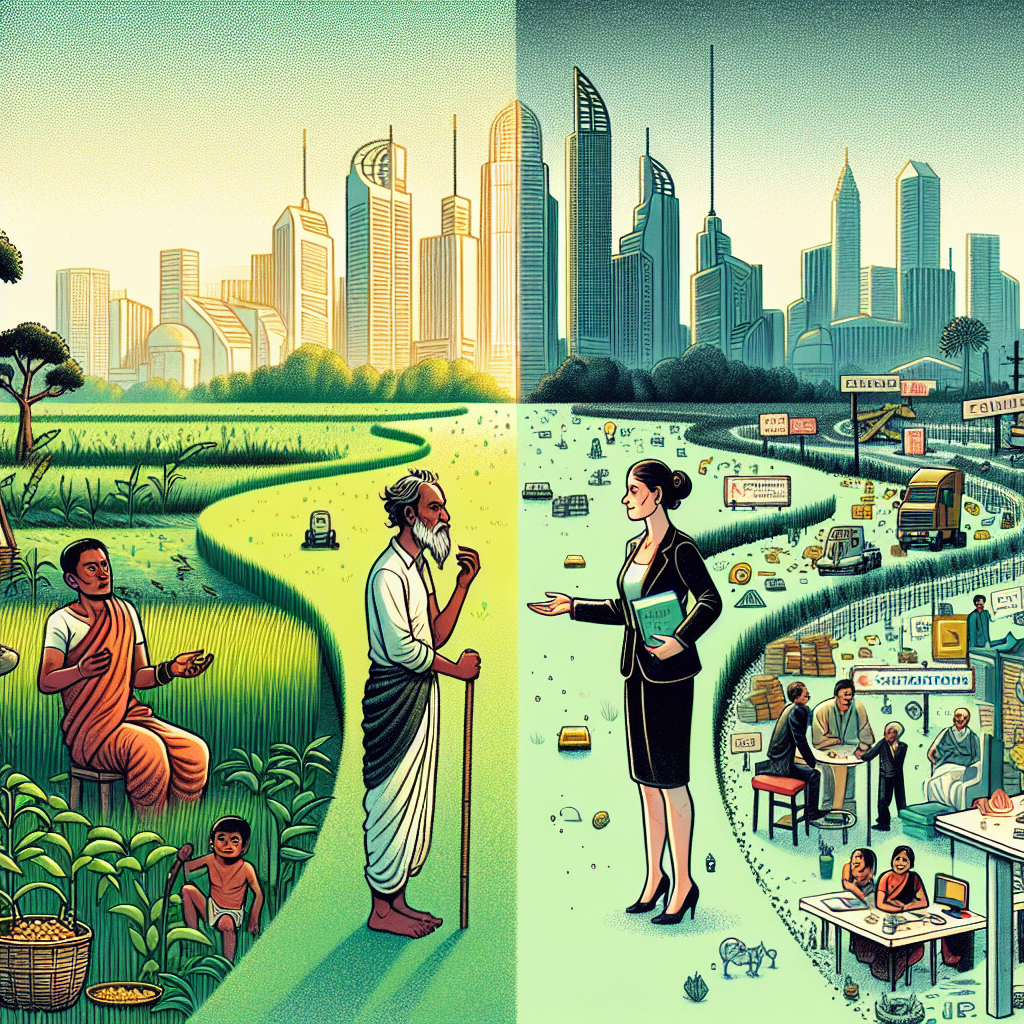
Economic development is an essential aspect of societal growth, with a direct impact on the quality of life, reduction of poverty, and the overall well-being of communities. However, when it comes to Indigenous communities, the pathway to economic empowerment is riddled with unique challenges that have roots in historical injustices, systemic discrimination, and inadequate access to resources. Indigenous communities often navigate complex socio-economic landscapes, requiring bespoke strategies to unlock their economic potential. This article delves into these challenges and explores sustainable strategies for economic empowerment.
Historically, Indigenous communities around the world have faced exploitation, displacement, and marginalization, severely affecting their economic prospects. The lingering effects of colonization, forced assimilation, and resource extraction have weakened traditional economies and disrupted social structures. In modern times, these communities continue to face barriers such as limited access to education, healthcare, and financial services, which are critical for economic growth.
Addressing these issues requires a multifaceted approach that involves recognizing Indigenous rights, preserving cultural heritage, and promoting economic initiatives that are community-centric and sustainable. Empowerment must come from within the communities alongside external support tailored to their unique needs and contexts. This article will explore various challenges these communities face and propose strategies to foster economic empowerment.
Challenges Faced by Indigenous Communities
The challenges faced by Indigenous communities in their pursuit of economic empowerment are both diverse and deeply entrenched. One of the primary obstacles is the ongoing struggle for land rights and access to natural resources. Many Indigenous territories are rich in natural resources, yet communities often lack legal recognition and control over these lands. This can lead to conflicts with governments and corporations, often resulting in displacement and loss of livelihoods.
Another significant challenge is the lack of access to quality education. Education is a critical driver of economic progress, but many Indigenous communities are located in remote areas with limited educational infrastructure. This results in lower literacy rates, higher school dropout rates, and fewer opportunities for higher education and skilled employment. Furthermore, education systems often fail to incorporate Indigenous knowledge and languages, which can alienate students and hinder their academic success.
Healthcare disparities also play a critical role in economic development. Poor health outcomes due to inadequate healthcare services restrict individual productivity and, by extension, community economic progress. Indigenous communities frequently suffer from higher rates of chronic diseases, mental health issues, and lower life expectancy, hindering their overall economic potential.
Systemic racism and socio-economic inequalities further entrench these challenges. Discriminatory policies and practices limit Indigenous participation in the formal economy and political processes. Additionally, social exclusion and prejudice can erode self-esteem and reduce the community’s ability to advocate for their rights and interests effectively. Addressing these intertwined challenges requires comprehensive and culturally sensitive solutions.
Strategies for Economic Empowerment Through Education
Education is a cornerstone for economic empowerment in any community, and for Indigenous populations, it must be contextually relevant and inclusive. Developing and implementing education systems that honor and integrate Indigenous cultures, languages, and traditions can significantly enhance engagement and success rates. Curriculum adaptations that celebrate Indigenous knowledge, history, and worldviews foster a sense of identity and pride among students.
Additionally, partnerships between Indigenous communities, government bodies, and educational institutions can facilitate the development of programs that cater to the specific needs of these groups. Scholarships, mentorship programs, and vocational training tailored to Indigenous youths can bridge educational gaps and create pathways to skilled employment. Such initiatives need sustained support and investment to be truly impactful.
Promoting digital literacy and access to technology is another critical component. Many Indigenous communities lack reliable internet access, which limits educational opportunities and access to information. Implementing infrastructure projects to provide high-speed internet connectivity can open up a world of online educational resources, e-learning platforms, and virtual mentorship programs.
Furthermore, efforts should be made to train and employ Indigenous educators who can provide culturally relevant teaching and serve as role models for students. Inclusive education policies that address the diverse needs and challenges faced by Indigenous students are fundamental to breaking the cycle of educational disadvantage and fostering economic growth.
Sustainable Economic Opportunities
Creating sustainable economic opportunities within Indigenous communities is vital for long-term prosperity. One approach is to support community-driven enterprises that leverage traditional knowledge and skills. For instance, eco-tourism, artisanal crafts, and sustainable agriculture are sectors where Indigenous communities can thrive by promoting their cultural heritage and sustainable practices.
Microfinancing and access to capital are crucial enablers for entrepreneurship. Establishing community banks or credit unions that provide low-interest loans and financial literacy programs can empower individuals to start and grow their businesses. These financial services should be designed to respect Indigenous values and economic practices, ensuring they are accessible and supportive.
Another promising strategy is to foster partnerships with larger corporations that are committed to ethical and inclusive business practices. Establishing joint ventures and co-management agreements that prioritize Indigenous employment and fair revenue sharing can contribute to economic development while protecting community interests and ensuring environmental stewardship.
Land and resource management also plays a critical role. Recognizing and enforcing Indigenous land rights enables communities to sustainably manage their resources, engage in economic activities that align with their values, and preserve their natural heritage. Support for legal frameworks, capacity-building initiatives, and advocacy campaigns is essential to secure these rights and drive economic empowerment.
Health and Well-being as Economic Drivers
Good health is a foundational component of economic empowerment. Addressing health disparities in Indigenous communities through improved healthcare services, access to clean water, and nutrition programs directly impact economic productivity and quality of life.
Building healthcare infrastructure in Indigenous regions, training Indigenous healthcare professionals, and ensuring culturally competent care are critical steps. Mobile clinics, telemedicine services, and community health initiatives can bridge healthcare access gaps, especially in remote areas.
Integrating traditional healing practices with modern healthcare systems respects cultural practices while providing holistic care. Mental health support tailored to Indigenous experiences is also crucial, as many community members face trauma from historical injustices and ongoing discrimination.
Investing in health education, preventative care, and wellness programs not only improves health outcomes but also enhances economic participation. Healthy individuals are more productive, able to pursue education and employment, and contribute positively to their communities.
Governance and Political Participation
Empowering Indigenous communities at the political level is essential for sustained economic empowerment. Strengthening self-governance and political participation ensures that communities can advocate for their needs, manage their resources, and implement policies that support economic growth.
Building the capacity of Indigenous leaders and organizations through training and resources enables effective governance and decision-making. Supporting frameworks for self-determination and autonomy allows communities to control their development pathways and prioritize culturally appropriate economic initiatives.
Constructive engagement with governments and international bodies can help secure Indigenous rights and drive policy changes that promote inclusivity. Advocacy and alliance-building with non-Indigenous groups and civil society can amplify Indigenous voices and strengthen their positions in policy discussions.
Ensuring transparency and accountability within Indigenous governance structures is also critical. Building robust institutions that operate with integrity fosters trust and enables effective management of economic initiatives.
Conclusion
The economic empowerment of Indigenous communities is a complex but crucial endeavor. Addressing the multifaceted challenges they face requires a holistic approach that encompasses education, sustainable economic opportunities, health and well-being, and strong governance. By recognizing and respecting Indigenous rights, preserving cultural heritage, and promoting inclusive development, these communities can unlock their full economic potential.
Collaboration between Indigenous communities, governments, private sector, and civil society is key to fostering empowerment. Tailored strategies that consider the unique contexts and needs of each community are essential for achieving meaningful and sustainable outcomes. Supporting Indigenous-led initiatives and ensuring their active participation in decision-making processes promotes ownership and long-term success.
Ultimately, the economic empowerment of Indigenous communities is not only a matter of justice but also an opportunity for broader societal growth. Empowered Indigenous communities contribute to cultural diversity, environmental stewardship, and social cohesion, enriching the overall fabric of society. By investing in their economic development, we pave the way for a more equitable and prosperous future for all.