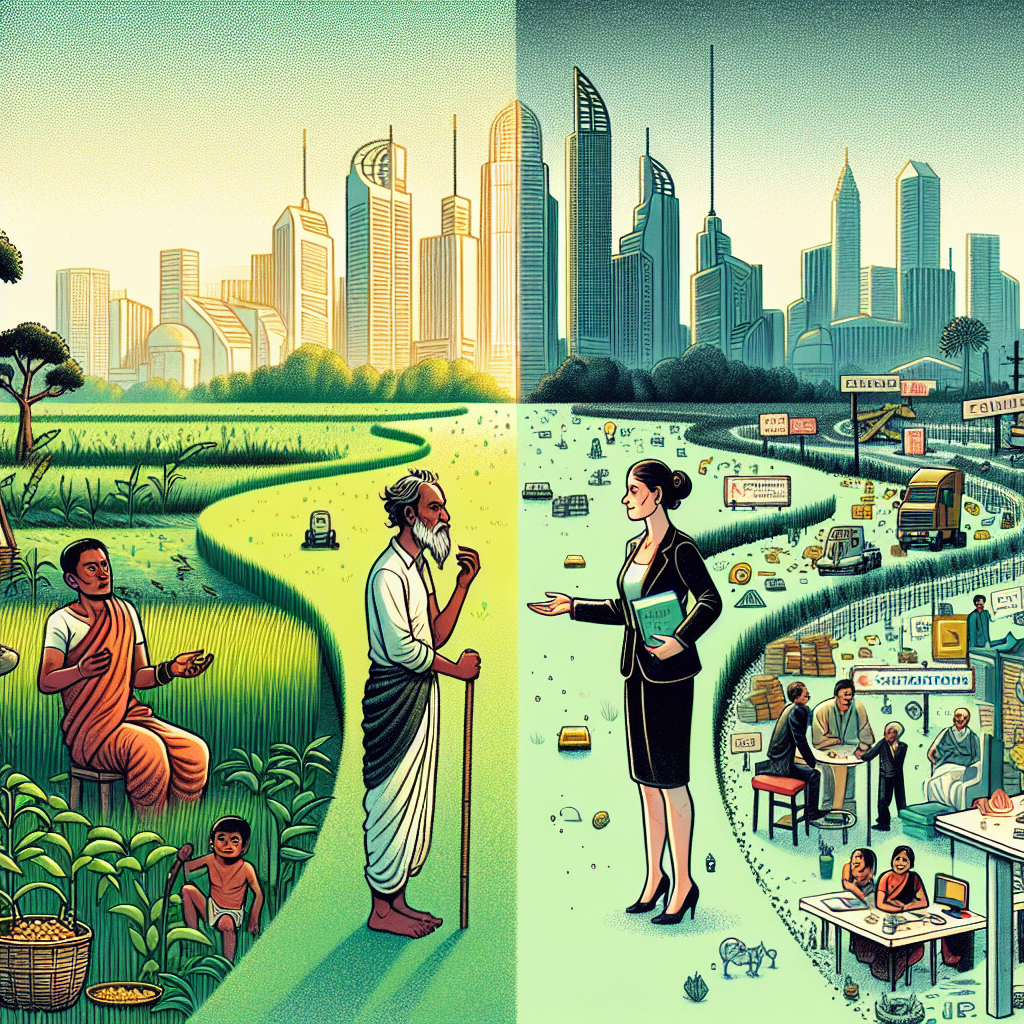
Rural-urban migration is a pervasive and significant phenomenon in the contemporary world, drawing attention from economists, sociologists, and policymakers alike. At its core, it refers to the movement of people from rural areas to urban centers, driven by various economic, social, and environmental factors. This migration pattern is not a new occurrence; it has historical precedence dating back to the industrial revolution. However, in today’s globalized era, the dynamics, scale, and impacts have evolved significantly. Understanding the economic drivers and socioeconomic impacts of this migration is crucial for shaping effective policies and fostering sustainable development.
Rural-urban migration stems from a complex interplay of push and pull factors. Push factors are conditions in rural areas that drive people to leave, such as poverty, lack of employment opportunities, inadequate infrastructure, and environmental challenges. On the other hand, pull factors refer to the attractive prospects in urban areas, including better job opportunities, higher wages, improved living standards, and access to services like education and healthcare. Over time, urban centers have typically been perceived as hubs of economic prosperity and modernity, exacerbating the allure for rural inhabitants.
The economic implications of rural-urban migration are multifaceted. For individuals, migrating to urban areas often promises better livelihood prospects and financial stability. Urbanization, driven by population influx, stimulates economic growth as it fosters industrial development, creates diverse employment opportunities, and stimulates markets. However, this migration also presents challenges, including urban sprawl, pressure on infrastructure, and socio-economic disparities. Moreover, the rural areas left behind may experience labor shortages, reduced agricultural productivity, and demographic shifts, impacting community resilience and economic stability.
This article delves into the economic drivers and socio-economic impacts of rural-urban migration, offering a comprehensive analysis to enhance our understanding and inform evidence-based policies.
Economic Drivers of Rural-Urban Migration
The quest for better economic prospects is a primary catalyst for rural-urban migration. Many individuals and families perceive urban areas as gateways to improved financial stability and enhanced living conditions. Several key economic drivers influence this migration trend:
Employment Opportunities
One of the most compelling reasons for rural-urban migration is the availability of diverse employment opportunities in urban areas. Urban centers often host a variety of industries, including manufacturing, services, technology, and finance, offering jobs that may not be available in rural settings. For instance, urban economic activities are more diverse, providing opportunities for both skilled and unskilled labor. This diversity not only attracts individuals seeking better job prospects but also facilitates skill development and career growth.
Higher Wages
Wage differences between rural and urban areas further drive migration. Urban jobs typically offer higher wages compared to rural occupations, particularly in agriculture. This wage gap can significantly impact individuals’ decisions to relocate in search of better-paying jobs. Additionally, urban areas often provide better job security, benefits, and opportunities for wage growth, further motivating migration.
Access to Education
Education is a critical factor in promoting rural-urban migration. Urban centers generally offer superior educational facilities and opportunities, including universities, colleges, and vocational training institutes. Parents often migrate to urban areas to ensure their children receive a quality education, which can be a stepping stone to better employment and improved living standards in the future.
Healthcare Services
Access to healthcare services is another significant economic driver. Urban areas usually have more advanced healthcare infrastructure, specialized medical services, and better health outcomes compared to rural regions. Migrating to urban areas can therefore offer better access to healthcare, which is a considerable draw for families with health concerns or those seeking improved overall wellbeing.

Socioeconomic Impacts on Urban Areas
The influx of rural migrants into urban areas brings both positive and negative socioeconomic impacts. Understanding these impacts is crucial for urban planning and policy development:
Economic Growth and Development
Rural-urban migration can be a catalyst for economic growth. The influx of labor can stimulate industrial and economic development, contributing to increased productivity and economic output. Migrants often fill essential roles in various sectors, from construction to service industries, thereby driving economic activities and innovation.
Labor Market Dynamics
Migrants typically bring diverse skills and experiences, enriching the urban labor market. This diversity can foster innovation and entrepreneurial activities. Moreover, the availability of a labor force willing to engage in various jobs can support urban businesses and industries, contributing to growth and competitiveness. However, an oversupply of labor can also lead to unemployment and underemployment, creating socio-economic challenges.
Infrastructure and Housing Pressures
Rapid population growth due to migration often strains urban infrastructure and housing. Cities may struggle to provide adequate housing, leading to the proliferation of informal settlements or slums. This situation can exacerbate problems related to sanitation, health, and safety. Urban planners and policymakers must address these challenges to ensure sustainable urban development.
Social Integration
Integrating migrants into the urban social fabric can be challenging. Issues such as cultural differences, social exclusion, and discrimination may arise. Successful integration requires inclusive policies and programs that promote social cohesion, community building, and equal opportunities for all urban residents.
Socioeconomic Impacts on Rural Areas
While urban areas experience significant changes due to migration, rural areas also undergo substantial socioeconomic transformations:
Demographic Shifts
The migration of working-age individuals often leads to demographic changes in rural areas. This shift can result in an aging population, with fewer young people to support economic activities and community life. Demographic changes can affect local economies, social structures, and the overall viability of rural communities.
Labor Shortages
Rural outmigration frequently leads to labor shortages, particularly in agriculture, which heavily relies on manual labor. Reduced labor availability can hinder agricultural productivity and innovation, exacerbating rural economic challenges. This underlines the need for policies that support rural areas and incentivize agricultural modernization.
Remittances and Economic Support
On the positive side, migrants often send remittances back to their families in rural areas. These financial transfers can play a critical role in alleviating poverty, funding education, and healthcare, and stimulating local economies. Remittances can provide a safety net and encourage investments in rural development projects, contributing to economic resilience.
Skill Transfer and Innovation
Migration can also facilitate the transfer of skills and knowledge. Migrants who acquire new skills and experiences in urban areas can bring back innovative ideas and practices when they return to their rural communities. This transfer can drive local development and modernization, helping to address some challenges faced by rural areas.
Policy Implications and Recommendations
Addressing the socioeconomic impacts of rural-urban migration requires comprehensive and inclusive policies. Here are some key recommendations:
Balanced Regional Development
Policies should aim to reduce regional disparities by promoting balanced development across both rural and urban areas. Investments in rural infrastructure, healthcare, education, and economic development can reduce the push factors driving migration. Encouraging industries and businesses to set up in rural areas can create local employment opportunities and retain residents.
Urban Planning and Infrastructure
Urban planners must anticipate and accommodate population growth due to migration. This involves expanding and upgrading infrastructure, such as housing, transportation, sanitation, and utilities. Integrated urban development plans can help manage the pressures of migration and ensure sustainable city growth.
Inclusive Social Policies
Socioeconomic integration of migrants requires inclusive social policies that address issues of equity and access to services. Programs focusing on education, healthcare, social security, and employment support can help migrants integrate successfully into urban areas, contributing positively to the urban economy and society.
Support for Agriculture and Rural Economies
Targeted policies to support agricultural development and diversify rural economies are essential. This could include incentives for technological adoption, training programs for farmers, and investments in infrastructure to improve market access. Strengthening rural economies can reduce the necessity for migration and support sustainable rural development.
Conclusion
Rural-urban migration is an enduring and complex phenomenon shaped by economic drivers and resulting in numerous socioeconomic impacts. Understanding these dynamics is crucial for developing effective policies that promote balanced regional development, sustainable urbanization, and inclusive social integration. Economic opportunities, higher wages, and access to essential services are primary motivators for individuals seeking better livelihoods in urban areas. However, this migration brings both opportunities and challenges for urban centers, including economic growth, labor market enrichment, and infrastructural pressures.
For rural areas, the migration of working-age individuals can lead to demographic shifts, labor shortages, and economic challenges. Nonetheless, remittances and skill transfers from migrants can provide significant support and drive local development. Policymakers must address these multifaceted impacts through comprehensive strategies that foster resilient and sustainable development in both urban and rural regions.
Ultimately, balanced regional development, inclusive social policies, and targeted support for agriculture and rural economies are crucial for managing the socioeconomic implications of rural-urban migration. By leveraging the positive aspects and mitigating the negative impacts, societies can harness the potential of migration to promote overall economic growth and social wellbeing.


