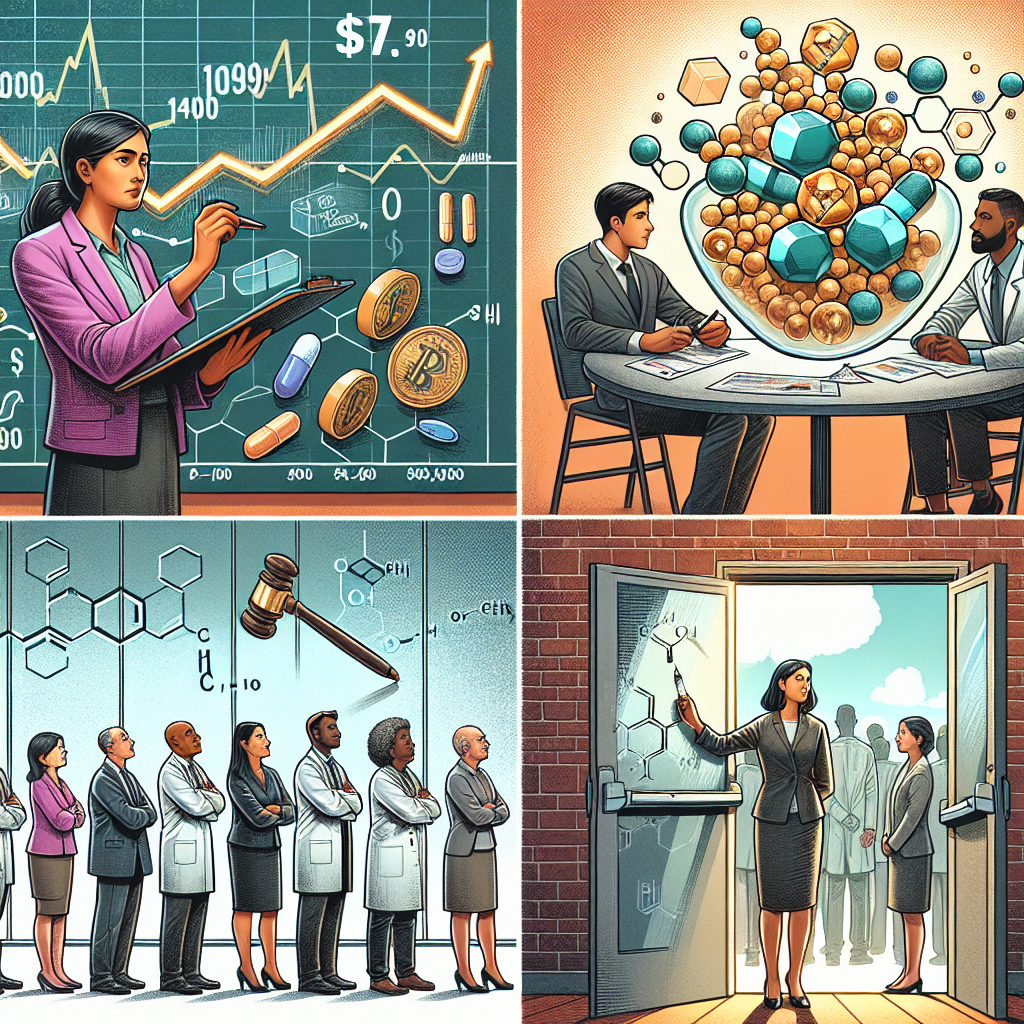
In today’s rapidly evolving healthcare landscape, the intersection of pharmaceuticals and economics has become a pivotal point of discussion. The burgeoning cost of healthcare, the pricing strategies of pharmaceutical companies, and the accessibility of life-saving drugs are critical issues that affect millions globally. Health economics, a discipline that combines health care and economic principles, delves into understanding how resources are allocated, and how these decisions affect public health outcomes. This article provides a comprehensive overview of the key aspects of pharmaceuticals in healthcare economics, focusing on pricing innovation, the various access challenges, and potential solutions to improve the current system.
Introduction
Health economics is a branch of economics that deals with issues related to efficiency, effectiveness, value, and behavior in the production and consumption of health and healthcare. Pharmaceuticals play a paramount role in this space, given their impact on treatment outcomes and overall public health. Drugs can be lifesaving, providing essential cures and treatments for a plethora of diseases. However, the cost associated with pharmaceutical innovation, and the pricing of these drugs, poses significant challenges to both consumers and policymakers.
Innovation in pharmaceuticals is one of the leading drivers of improved healthcare outcomes. Breakthroughs in drug development often provide treatments for previously incurable diseases and enhance the quality of life for patients. However, these advances come at a high cost. The research and development (R&D) pipeline for new drugs is notoriously expensive and lengthy, often taking over a decade and costing billions of dollars before a drug reaches the market. These costs are then factored into the pricing strategies of pharmaceutical companies to ensure they recoup their investments and fund future innovations.
While these prices may appear justified from an economic standpoint, they create a significant barrier to access for many patients. High drug prices can lead to inequities in healthcare access, where only a subset of the population can afford necessary medications. This issue is particularly pronounced in low and middle-income countries, but even in high-income regions, there are disparities in access. Addressing these challenges requires a multifaceted approach that balances the need for continued innovation with the imperative of making medicines accessible to all who need them.
Pricing Strategies in the Pharmaceutical Industry
Pharmaceutical pricing is a complex process, influenced by many factors including R&D costs, market exclusivity, competition, and regulatory policies. One common method is cost-based pricing, where the price of a drug is determined by the cost of production plus a profit margin. However, this approach can be limiting as it does not take into account the therapeutic value of the drug or the patient’s ability to pay.
Value-based pricing is another strategy that has gained traction. This method sets prices based on the perceived value of the drug to patients, healthcare providers, and society. It considers factors such as clinical effectiveness, quality of life improvements, and overall cost savings to the healthcare system. While value-based pricing can result in higher initial prices, it aims to ensure that the price reflects the true benefit of the drug.
Moreover, pharmaceutical companies often engage in market-based pricing, where prices are set according to what the market will bear. This approach considers competitive dynamics and the prices of similar drugs in the market. For instance, when a new drug is introduced, its price may be influenced by the prices of existing treatments for the same condition. Although market-based pricing can lead to competitive pricing, it can also result in exorbitant prices for groundbreaking drugs with no comparable alternatives.
Another aspect of pharmaceutical pricing is the negotiation power of different stakeholders. Governments, through their healthcare systems, often negotiate prices with pharmaceutical companies to secure better deals for their citizens. Pharmaceutical benefit managers (PBMs) and insurance companies play a similar role in the private sector, leveraging their purchasing power to negotiate discounts and rebates. These negotiations are crucial in making drugs more affordable, though they can also lead to complex pricing structures that lack transparency.

Global Access to Medicines
Access to medicines is a fundamental pillar of global health, yet inequities prevail across different regions and populations. A primary barrier to access is the high cost of medications, which is unaffordable for many people, especially in low-income countries. The World Health Organization (WHO) has emphasized the need for equitable access to essential medicines, yet achieving this remains a significant challenge.
Intellectual property rights, particularly patents, play a significant role in access to medicines. Patents grant pharmaceutical companies exclusive rights to manufacture and sell new drugs for a certain period, typically 20 years. While this incentivizes innovation by allowing companies to recoup their R&D investments, it can also lead to monopolistic pricing, restricting access to essential medicines.
Generic drugs offer a pathway to improving access. Once patents expire, other manufacturers can produce and sell the same drug at a lower price, increasing competition and driving down costs. Generic drugs are therapeutically equivalent to their brand-name counterparts but are typically much more affordable. Policymakers and international organizations often promote the use of generics as a strategy to enhance medicine accessibility.
Pharmaceutical donations and partnerships also play a critical role in improving access, particularly during health emergencies. Many pharmaceutical companies have initiatives that donate medicines to low-income regions or work with global health organizations to distribute drugs for specific diseases like HIV/AIDS, tuberculosis, and malaria. While these efforts can have a significant impact, sustainable access requires systemic changes in how medicines are priced and distributed globally.
Innovative Solutions in Healthcare Economics
To address the complex issues of drug pricing and access, innovative solutions in healthcare economics are essential. One such solution is differential pricing, also known as tiered pricing. Under this model, pharmaceutical companies set different prices for the same drug in different markets, based on the ability to pay. This approach aims to make medications affordable in low and middle-income countries while allowing companies to maintain profitability in higher-income markets.
Public-private partnerships (PPPs) are another innovative solution. These collaborative efforts between governments, private companies, and non-profit organizations pool resources and expertise to tackle public health challenges. PPPs can facilitate R&D for neglected diseases, improve drug distribution networks, and implement large-scale health initiatives, ultimately enhancing medicine accessibility and affordability.
Health technology assessment (HTA) is a policy tool that evaluates the social, economic, organizational, and ethical issues of a health intervention or health technology. HTA provides evidence-based information to policymakers and healthcare providers, helping them make informed decisions about the adoption and pricing of new technologies. By ensuring that only cost-effective drugs are included in public healthcare programs, HTA helps balance innovation with sustainable healthcare spending.
Another promising approach is the implementation of subscription-based models for drug procurement. Sometimes referred to as the “Netflix model” for medicines, this involves governments or healthcare systems paying a fixed subscription fee to pharmaceutical companies for unlimited access to certain drugs. This model can be particularly effective for costly treatments like hepatitis C or antibiotics, ensuring consistent access while controlling overall expenditures.
Balancing Innovation and Access
Balancing pharmaceutical innovation with access is a delicate yet critical endeavor. On one hand, innovation drives the discovery of new drugs, leading to better health outcomes and extended lives. On the other hand, high drug prices can restrict access, undermining the very purpose of these innovations. Finding an equilibrium requires a multifaceted approach involving multiple stakeholders, including pharmaceutical companies, governments, healthcare providers, and patients.
One strategy is to incentivize innovation in a way that explicitly considers access. For instance, governments and non-profit organizations can offer grants and incentives for the development of drugs that address pressing public health needs, ensuring that pricing models also account for affordability. This approach can stimulate R&D for diseases that might otherwise be neglected due to lower profit margins.
Transparency in pricing is another critical factor. Pharmaceutical companies should be encouraged, or even required, to disclose the costs associated with bringing a drug to market. This transparency can foster trust and facilitate more effective negotiations between drug manufacturers, governments, and healthcare providers. It also enables policymakers to implement fair pricing strategies that ensure both innovation and access.
Strengthening international cooperation is essential for balancing innovation and access. Global health organizations, such as the WHO, and international agreements, like the TRIPS flexibilities, play crucial roles in ensuring that critical medicines are affordable and accessible worldwide. By coordinating efforts and sharing best practices, countries can develop more equitable healthcare systems that support both innovation and access.
Conclusion
Pharmaceuticals and healthcare economics are intricately intertwined, with drug pricing and access standing at the heart of this intersection. While pharmaceutical innovation is essential for advancing healthcare and improving patient outcomes, the high cost of new drugs poses significant challenges to accessibility. Addressing these issues requires a comprehensive approach that includes implementing fair pricing strategies, promoting the use of generic drugs, fostering public-private partnerships, and enhancing transparency in the pharmaceutical industry.
Innovative economic solutions, such as differential pricing and subscription-based models, offer promising avenues to balance the need for both innovation and access. Strengthening health technology assessments and ensuring international collaboration are also pivotal in creating sustainable healthcare systems that benefit all populations.
Ultimately, the goal is to create an equitable healthcare landscape where life-saving medications are accessible to all who need them, regardless of their socioeconomic status. By fostering collaboration, transparency, and innovation, stakeholders can work together to overcome the challenges of drug pricing and access, paving the way for a healthier global community.