Oktoberfest, the world-renowned beer festival, is a quintessential symbol of German culture and festivity. Originating in Munich, Bavaria, it has grown into a global phenomenon, attracting millions of visitors annually. This comprehensive article delves into Oktoberfest’s history, traditions, cultural significance, and contemporary relevance, offering a fascinating glimpse into one of the world’s most celebrated festivals.
The Origin and History
Early Beginnings
The roots of Oktoberfest trace back to October 12, 1810. This festive event began as a royal wedding celebration when Crown Prince Ludwig of Bavaria, later King Ludwig I, married Princess Therese of Saxony-Hildburghausen. The citizens of Munich were invited to join the festivities held on the fields in front of the city gates, named Theresienwiese (Therese’s Meadow) in honor of the princess. This joyous celebration, filled with horse races and feasts, marked the genesis of the annual tradition.
Evolution into a Beer Festival
Over the years, the celebration evolved from a royal event to a public festival. The horse races were eventually phased out, but the beer and merriment persisted and flourished. By the late 19th century, Oktoberfest had transformed into a festival celebrating Bavarian culture, with beer becoming the centerpiece. Local breweries began erecting massive beer tents, and traditional Bavarian foods were introduced, cementing Oktoberfest’s identity as a beer festival.
Cultural Significance
A Celebration of Bavarian Tradition
Oktoberfest is a vibrant showcase of Bavarian culture. Traditional clothing, such as Lederhosen and Dirndls, are worn proudly, reflecting regional heritage. The festival is also a stage for traditional Bavarian music, with bands playing folk tunes and the iconic Schlager music, enhancing the festive atmosphere.
Culinary Delights
The festival’s culinary offerings are as important as the beer. Classic dishes include Hendl (roast chicken), Schweinshaxe (pork knuckle), Würstl (sausages), Brezn (pretzels), and Käsespätzle (cheese noodles). These hearty meals are an integral part of the Oktoberfest experience, pairing perfectly with the variety of beers.
The Beer
Oktoberfest beer, known as Oktoberfestbier, is a special brew produced by Munich’s six major breweries. Adhering to the Reinheitsgebot (German Beer Purity Law) of 1516, this beer is characterized by its rich flavor, higher alcohol content, and golden color. Served in a Maß (a one-liter beer mug), it’s not just a beverage but a symbol of the festival’s spirit.
The Festival Today
A Global Phenomenon
Today, Oktoberfest is a global phenomenon. Munich’s Oktoberfest alone attracts over six million visitors annually from all corners of the globe. The festival’s spirit transcends borders, with Oktoberfest celebrations held worldwide, from the United States to Japan, demonstrating its universal appeal.
Economic Impact
Oktoberfest is a significant economic driver for Munich. The influx of tourists contributes substantially to the local economy, with spending on accommodations, food, beer, and souvenirs. The festival generates over a billion euros annually, showcasing its economic importance.
Contemporary Challenges and Adaptations
Oktoberfest has faced challenges, including overcrowding and environmental concerns. In response, the festival has implemented measures to improve safety, manage waste, and promote sustainability. Recent years have seen innovations like cashless payment options and efforts to reduce the environmental footprint of the festival.
The Oktoberfest Experience
The Festive Atmosphere
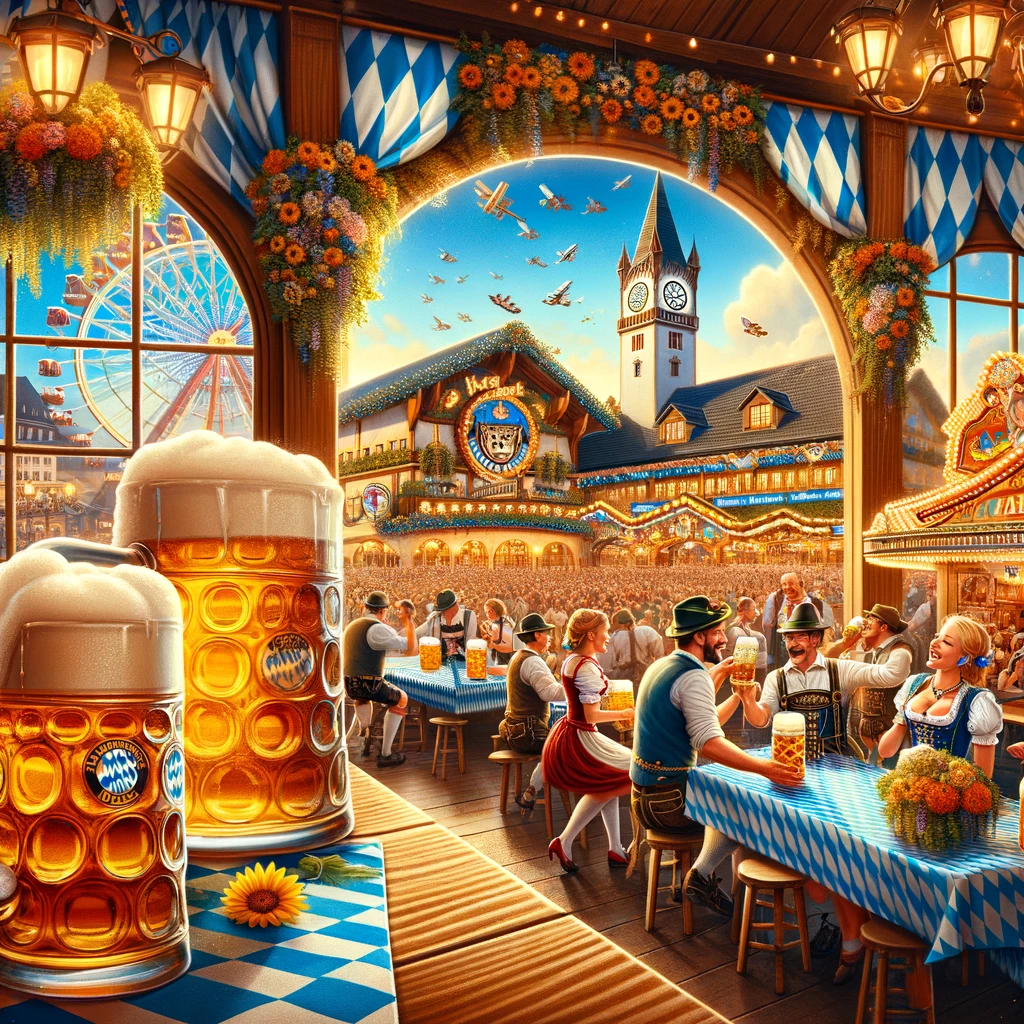
The atmosphere at Oktoberfest is electrifying. The sounds of laughter, clinking beer mugs, and lively music create a sense of communal joy. The festival grounds are filled with colorful carnival rides, games, and stalls, adding to the festive ambiance.
The Tents
The heart of Oktoberfest lies in its beer tents. Each tent has its unique flair, ranging from traditional to modern. Some are known for their lively bands and dance floors, while others offer a more relaxed, family-friendly environment. The largest tents can accommodate thousands, creating a buzzing hive of festivity.
Parades and Events
Oktoberfest kicks off with a grand parade featuring horse-drawn beer wagons, traditional costumes, and marching bands. Other notable events include the traditional riflemen’s parade and various cultural presentations, ensuring that there’s more to Oktoberfest than just beer.

Exploring the Impact of Oktoberfest
Social and Cultural Impact
Oktoberfest, beyond being a jubilant celebration, plays a vital role in preserving and promoting Bavarian culture. It’s an opportunity for younger generations to connect with traditional customs, from folk music to regional attire. The festival also fosters a sense of community, bringing together people of diverse backgrounds in a shared celebration.
Global Spread and Variations
The influence of Oktoberfest extends well beyond Germany. Cities around the world host their versions of the festival, each infusing local culture into this traditional Bavarian event. These global celebrations not only pay homage to German culture but also adapt to reflect the customs and tastes of their host countries, creating a unique blend of cultural exchange.
Challenges and Criticisms
Despite its popularity, Oktoberfest has faced criticisms and challenges. Issues like alcohol-related incidents, cultural commercialization, and the impact on local residents have sparked debate. The festival organizers continuously strive to address these concerns, balancing tradition with responsibility and sustainability.
The Role of Music and Dance
Traditional Bavarian Music
Music is at the heart of Oktoberfest. Traditional Bavarian bands play a mix of folk music and modern tunes, creating an upbeat and lively atmosphere. The music is not just a backdrop but an integral part of the festival, with songs like the iconic “Ein Prosit” prompting communal singing and toasting.
Dancing and Merriment
Dance floors in beer tents are hubs of energy and joy. Traditional dances, such as the Schuhplattler, a Bavarian folk dance, are often performed. These dances, while entertaining, also play a crucial role in keeping regional folk traditions alive.
Oktoberfest Attire: Lederhosen and Dirndls
Lederhosen: The Traditional Male Attire
Lederhosen, leather shorts often worn with suspenders and a checkered shirt, are synonymous with Oktoberfest. Originally workwear for Bavarian peasants, these garments have become a festive costume, embodying the spirit of the festival.
Dirndls: The Traditional Female Attire
The Dirndl, a dress with a tight bodice, blouse, full skirt, and apron, is the traditional attire for women. It comes in various styles and colors, ranging from simple and traditional to modern and extravagant. Wearing a Dirndl at Oktoberfest is a way to honor Bavarian culture and partake in the festive spirit.
The Culinary Journey of Oktoberfest
Beer: The Star of the Festival
While Oktoberfest is known for its beer, the festival is also a culinary journey. The beers served are unique to the festival, adhering to strict brewing standards to ensure quality and taste. Each brewery’s Oktoberfestbier has its distinct flavor profile, offering a diverse beer-tasting experience.
Traditional Bavarian Cuisine
Oktoberfest’s food is as diverse as its beer. From savory meats like Hendl and Schweinshaxe to sweet treats like Apfelstrudel and Kaiserschmarrn, the culinary offerings are a crucial part of the festival experience. These dishes not only satisfy hunger but also provide a taste of Bavarian culture.
The Future of Oktoberfest
Modern Adaptations and Sustainability
As the world evolves, so does Oktoberfest. The festival is adapting to modern times, with increased focus on sustainability, safety, and inclusivity. Efforts like waste reduction, sustainable sourcing of food and materials, and enhanced security measures are shaping the future of Oktoberfest.
Preserving Tradition While Embracing Change
While embracing modern challenges, Oktoberfest remains committed to preserving its traditional roots. Balancing the old with the new, the festival continues to evolve, ensuring that it remains a beloved global event for generations to come.
Conclusion
Oktoberfest is more than just a beer festival; it’s a celebration of culture, tradition, and community. From its royal beginnings to its status as a global phenomenon, Oktoberfest has maintained its essence while adapting to the changing world. It stands as a testament to the power of tradition and the joy of communal celebration, inviting everyone to partake in its vibrant spirit.