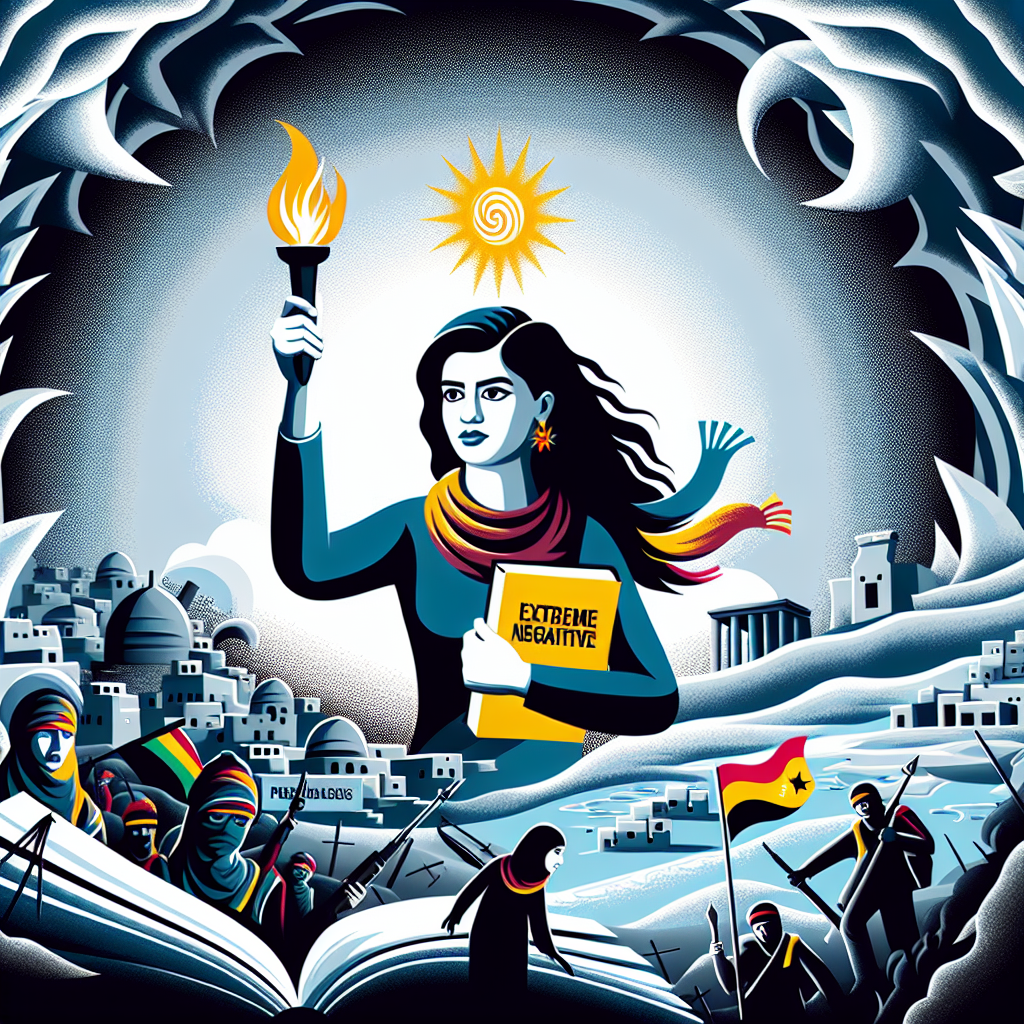
Navigating the waters of human rights history is incomplete without highlighting the contributions of youth who have transcended age barriers to voice groundbreaking opinions. Malala Yousafzai is a name that resonates widely across the globe when discussing the youngest prodigies and warriors for education. She emerged not just as a youth icon but also as a persistent thorn in the side of oppression and ignorance. Born in the Swat Valley of Pakistan, Malala’s journey from an ambitious child to a global sensation is nothing short of inspirational.
From an early age, Malala was deeply influenced by her father, Ziauddin Yousafzai, an educational activist who ran a chain of private schools. His influence paved the way for Malala to grasp the power of education and the importance of advocating for equal rights. She channeled her inquisitiveness and fervent love for learning into a burgeoning desire to make a change in her community, which was later enveloped in the chaotic grip of the Taliban – a radical militant group vehemently opposed to women’s enlightenment and liberties.
Her life took a dramatic turn when she began documenting her thoughts and experiences living under the Taliban’s rule for the BBC Urdu service, using the pseudonym “Gul Makai”. These entries opened the world’s eyes to the plight faced by girls in Pakistan, where basic education was becoming an unattainable dream. In 2012, the horror that struck the hearts of many occurred: Malala was shot by a Taliban gunman while riding a bus home from school. The attack was a retaliatory attempt to silence her burgeoning influence.
However, this horrific episode was the catalyst that propelled her onto the global stage. Malala’s relentless spirit and undeterred determination turned her into a symbol of resistance and hope. She survived the barbaric attack and continued to rise against intolerance, becoming a beacon for millions around the world. This article delves into the incredible journey of Malala Yousafzai, exploring her relentless pursuit of education, her unyielding activism, the international recognition she garnered, and her ongoing efforts to inspire the youth worldwide.
Early Life and Advocacy
Malala Yousafzai was born on July 12, 1997, in Mingora, Swat Valley, Pakistan. Her upbringing was atypical, primarily due to her father, Ziauddin Yousafzai’s profound influence. Ziauddin was a vocal advocate for education and women’s rights, founding and running a chain of schools. From a young age, Malala was exposed to discussions about politics, rights, and the significance of education – topics that fervently interested her.
Her advocacy began at the tender age of 11 when the Taliban’s oppressive influence started enveloping her beloved Swat Valley. The group carried out a systematic campaign against girls’ education, forcing many schools to shut down or operate clandestinely. Against this backdrop, Malala began writing a blog for BBC Urdu in 2009. She chronicled her life under Taliban rule, narrating the fears and aspirations of the students forced into hiding just to receive an education. Using the pseudonym “Gul Makai,” she courageously detailed the gruesome realities and oppressive measures enforced by the regime.
Her writings garnered international attention, shedding light on the dire educational crisis in the region. Despite the constant threats, her resolute spirit did not falter. Malala’s emerging influence was epitomized by her participation in interviews, and public speeches, and winning multiple local peace awards. She swiftly became a significant thorn in the eye of the Taliban and a symbol of resistance against oppressive regimes. Her brave stance was not just about education but encompassed advocating for the broader spectrum of women’s rights – an ideology nurtured deeply by her father.
Malala’s harrowing experiences under the Taliban, coupled with her undeterred spirit and early advocacy, laid the bedrock for her transformation into a global figure. Her relentless fight was a beacon to many, reinforcing the idea that no one, regardless of age, should be silenced in the quest for justice and equality.
The Attack and Global Outcry
October 9, 2012, is a date enshrined in the consciousness of many around the globe. On this day, Malala Yousafzai’s outspoken resistance came to a head. While returning home from school on a bus, a Taliban gunman boarded and asked for her by name. Upon being pointed out, the assailant proceeded to shoot her in the head. This brutal attack was a deliberate attempt to silence her burgeoning voice for education and women’s rights permanently.
The attack sent shockwaves worldwide, drawing a swift and massive outcry for justice. Malala’s condition was critical; the bullet had traveled through her head, neck, and ended in her shoulder. She was swiftly airlifted to a military hospital in Pakistan. Recognizing the gravity of her condition, and the lack of adequate medical facilities to treat her, Malala was transferred to the United Kingdom for extensive rehabilitation.
The shooting did not succeed in silencing Malala; rather, it amplified her voice. The global community responded with profound solidarity, condemning the Taliban’s barbarity and rallying behind Malala’s cause. Countries, organizations, and millions of individuals expressed their support through social media, petitions, and protests. Her ordeal became a global symbol of the struggle for education rights.
The fervent and widespread reaction underscored a significant shift – Malala had become more than a local advocate; she was a global icon for female education and resilience. The attack, intended to silence her, instead galvanized an international movement, reaffirming the world’s commitment to securing education and empowerment for all.

Recovery and Resilience
The road to recovery was long and arduous for Malala. After being transferred to Birmingham’s Queen Elizabeth Hospital in the UK, she underwent multiple surgeries, including repair to her damaged facial nerve. Her resilience and unyielding spirit shone through her swift and remarkable recovery. Throughout this phase, Malala’s determination to continue her activism never wavered. She resumed her advocacy with renewed vigor and resolve, intent on bringing global attention to the perils faced by young girls in educationally deprived regions.
In March 2013, after several months of recovery, she returned to the public eye by delivering her first speech at the United Nations headquarters in New York. Dubbed “Malala Day,” her speech called world leaders to action, reinforcing the undeniable truth that education is a fundamental right. Her poignant words resonated with millions globally, solidifying her status as a global advocate for education.
Malala’s resilience wasn’t limited to speeches. She established the Malala Fund, focusing on ensuring access to education for girls worldwide, particularly in regions plagued by poverty, war, and gender discrimination. This organization became a pivotal platform for addressing educational inequality and advocating for policy changes at national and international levels.
Malala’s recovery symbolized more than physical healing; it epitomized the unwavering spirit and resilience ingrained in her character. Her determination to rise from the ashes of adversity and amplify her advocacy demonstrated not just physical strength but an indomitable will to fight for justice, staking her claim as a young yet formidable champion for human rights.
The Nobel Peace Prize and International Recognition
On October 10, 2014, at the age of 17, Malala Yousafzai was awarded the Nobel Peace Prize, becoming the youngest-ever recipient of this prestigious accolade. Together with Kailash Satyarthi, an Indian advocate for children’s rights, Malala was recognized for her tireless struggle against the suppression of children and young people and for the right of all children to education.
Her Nobel acceptance speech was a powerful testament to her commitment to her cause, as she dedicated the prize money to founding a secondary school for girls in Pakistan. This gesture underscored her unwavering belief in the profound impact of education on societal transformation.
The Nobel Peace Prize significantly bolstered Malala’s influence, catapulting her advocacy to monumental heights. It attracted global media attention, emboldening her message and amassing unprecedented support for her cause. Prominent world leaders, celebrities, and international organizations lauded her contributions, inviting her to various forums and conferences worldwide. She became a regular speaker at the United Nations and other influential platforms, further amplifying her voice and igniting a global conversation about educational inequality.
The extensive recognition and accolades did not divert Malala from her mission; instead, they fortified her resolve to continue battling educational deprivation. Her international outreach and compelling narrative inspired millions, fostering a global community dedicated to ensuring every girl’s right to education. The Nobel Peace Prize was more than an honor; it affirmed her lifelong commitment to advocating for education and human rights.
Current Initiatives and Ongoing Efforts
Malala Yousafzai’s activism continues to evolve, reflecting her growing influence and unwavering commitment to promoting education. The Malala Fund remains at the forefront of her efforts, collaborating with educational organizations, policymakers, and grassroots activists to drive change.
One of the Fund’s significant initiatives is the Gulmakai Network, which supports educational champions in conflict-affected countries like Afghanistan, Brazil, India, Lebanon, Nigeria, and Turkey. By providing essential resources and advocacy support, the Network empowers local advocates to create substantial, sustainable improvements in their communities.
Malala has also expanded her educational advocacy to include higher education through the “Advocacy for Secondary Education and Higher Education” program. This initiative aims to redress gender disparities by promoting accessible secondary and higher education for young girls, particularly in underprivileged regions.
In addition to her organizational efforts, Malala continues to leverage her personal influence to effect change. She has participated in numerous conferences, spoken at global forums, and engaged with world leaders, urging them to prioritize education in their policies. Her activism extends into social and digital media, where she remains a passionate and influential voice for educational equity.
Her advocacy work represents a holistic approach to tackling educational inequality, encompassing legislative changes, community empowerment, and individual advocacy. By persistently addressing the root causes of educational deprivation, Malala’s initiatives exemplify a steadfast dedication to transforming lives through education. She continues to inspire a global movement, reaffirming that youth, resilience, and unwavering commitment can reshape societies and pave the way for a brighter, more egalitarian future.
Conclusion
Malala Yousafzai’s story is a testament to the remarkable impact one individual can make in the fight for human rights and education. Her journey from a young girl in the Swat Valley to a global symbol of resilience and advocacy exemplifies the power of unwavering commitment and courage. Her influence transcends borders and generations, inspiring millions to champion education, gender equality, and fundamental human rights.
Malala’s legacy is built on her relentless pursuit of justice, her ability to rise above adversity, and her unwavering belief in the transformative power of education. Her efforts have ignited a global movement that continues to challenge oppressive norms and advocate for accessible education for all. Through her work with the Malala Fund, her advocacy at international forums, and her inspirational presence, Malala has proven that the voice of a single individual can reverberate across the world, effecting meaningful change and fostering a collective commitment to creating a more equitable future.
As we reflect on Malala Yousafzai’s contributions, it is imperative to recognize that her fight is far from over. The battle for universal education and human rights demands continuous effort, and Malala’s story serves as a beacon of hope, reminding us of the power of perseverance and the significance of standing up against injustice. Her legacy will undoubtedly continue to inspire future generations to champion the cause of education and work towards a world where every child has the opportunity to learn, grow, and thrive.