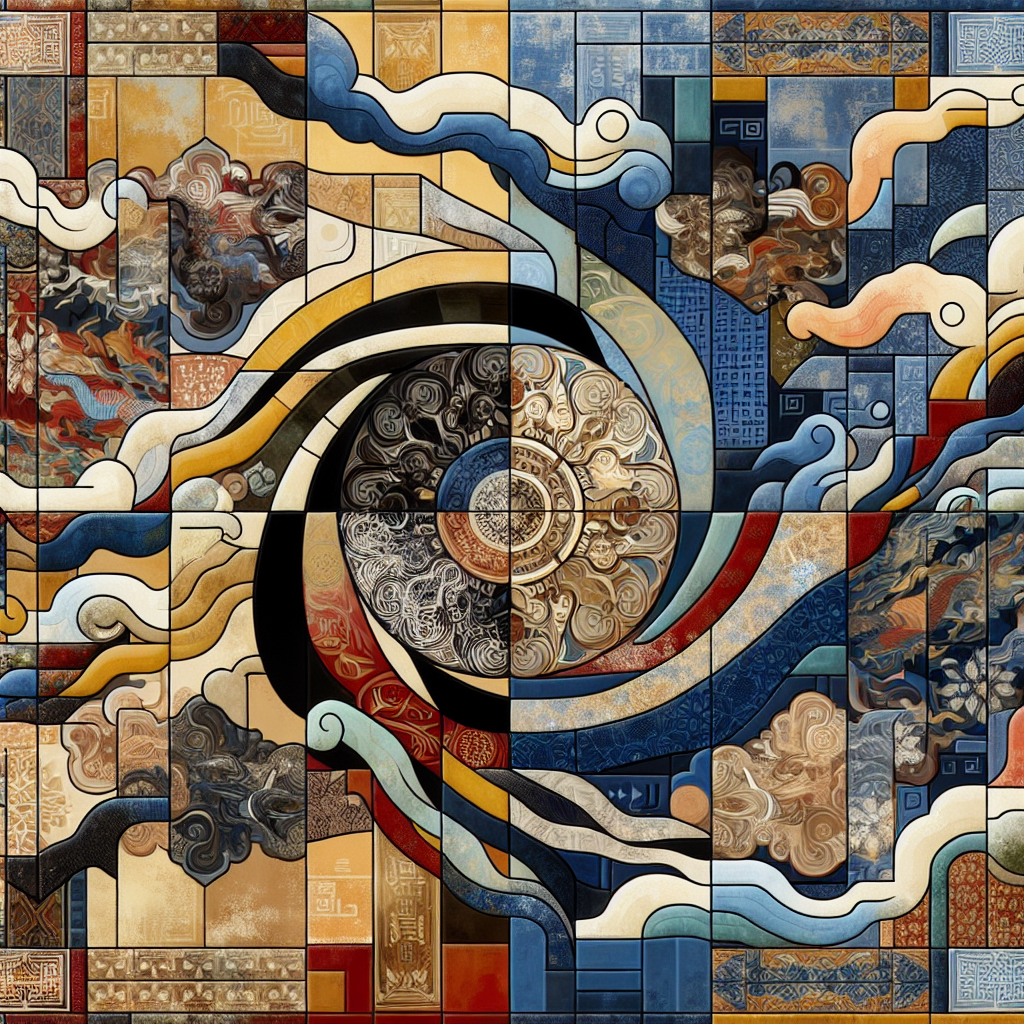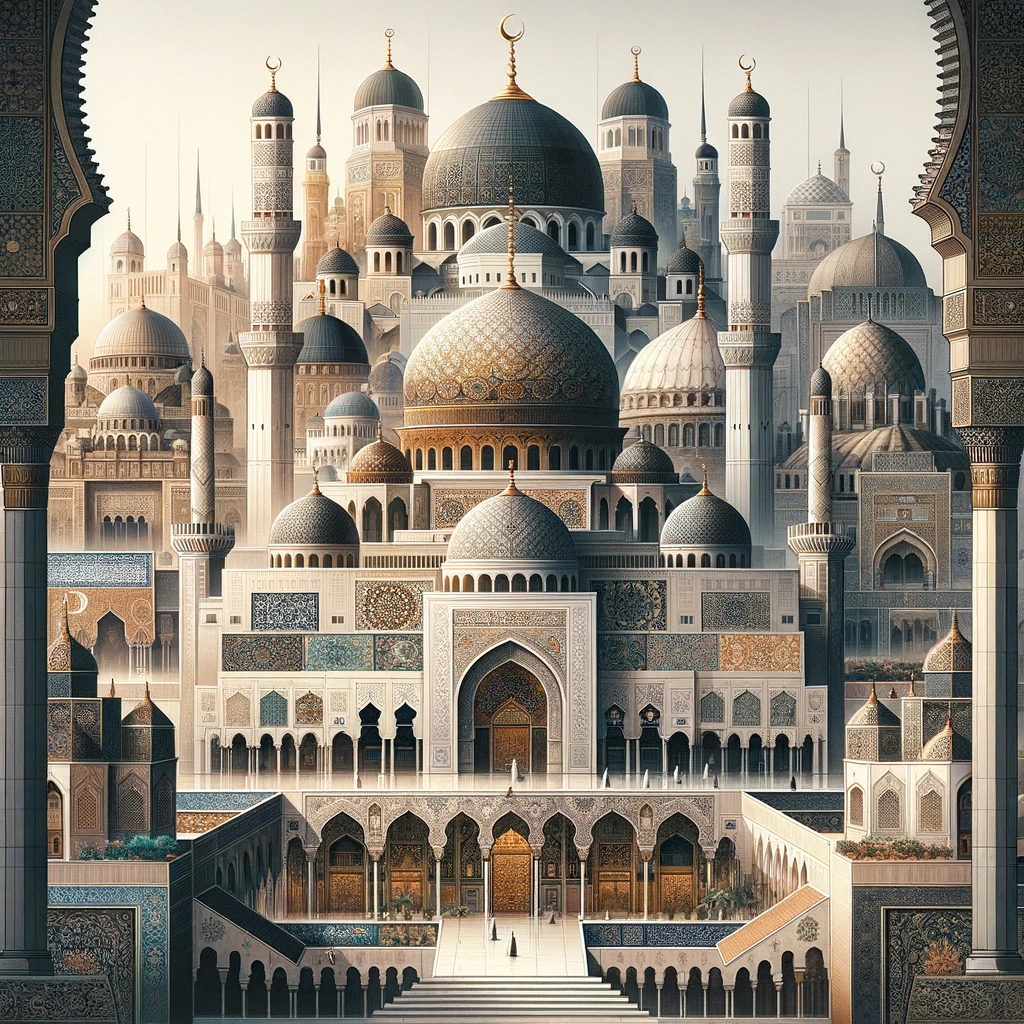
Islamic architecture, a vibrant and artistic expression of faith and culture, extends far beyond the confines of mosques. This article delves into the rich tapestry of Islamic design, exploring its origins, evolution, and the architectural marvels that epitomize this artistic tradition.
Origins and Evolution
Islamic architecture emerged in the 7th century with the advent of Islam, but it didn’t evolve in isolation. It was influenced by various cultural and architectural traditions of the Byzantine, Persian, and Indian empires. The fusion of these styles with Islamic sensibilities gave rise to a unique architectural language that spread with Islam.
The Mosque: The Heart of Islamic Architecture
The mosque, or masjid in Arabic, is the most iconic embodiment of Islamic architecture. It serves not just as a place of worship but also as a community center, a school, and a symbol of Islamic identity. Early mosques, like the Prophet’s Mosque in Medina, were simple structures, but over time, they evolved into complex architectural wonders.
Architectural Elements of Mosques
- Minaret: The minaret, a towering structure typically attached to a mosque, serves both as a visual focal point and a platform from which the call to prayer is made.
- Dome: The dome, often situated above the main prayer hall, is not just an architectural feat but also a symbol of the heavens.
- Mihrab and Minbar: The mihrab, a niche in the wall indicating the direction of Mecca, and the minbar, a pulpit for Friday sermons, are central to a mosque’s interior design.
- Courtyard: Many mosques feature a courtyard, which provides a space for additional worshippers and facilitates natural light and ventilation.
The Spread and Diversification
As Islam spread, Islamic architecture absorbed local influences, leading to regional variations. For instance, the Great Mosque of Córdoba in Spain displays a fusion of Umayyad and Visigothic styles, while the Sultan Ahmed Mosque in Istanbul reflects Ottoman influences.
Beyond Mosques: Other Architectural Marvels
Islamic architecture is not limited to religious structures. It encompasses a wide range of buildings, including palaces, forts, and gardens, each with its distinct style yet united by common artistic themes.
Palaces and Forts
Islamic palaces and forts are not just symbols of power but also of architectural ingenuity. The Alhambra in Granada, Spain, is a prime example. It blends Islamic art with Gothic and Renaissance elements, creating a stunning masterpiece of colored tiles, arches, and water features.
Gardens and Urban Planning
Islamic gardens, like the Shalimar Gardens in Lahore, Pakistan, embody the Islamic aesthetic of symmetry and use of water. These gardens are not mere green spaces but are designed to represent paradise as described in the Quran.
Urban Planning
The layout of Islamic cities also reflects architectural principles. Cities were typically planned around a central mosque, with markets, schools, and residential areas radiating outwards. This layout facilitated both community cohesion and efficient urban management.
Decorative Arts in Islamic Architecture
Islamic architecture is renowned for its decorative arts, which include calligraphy, geometric patterns, and arabesque designs. These elements are not just decorative but carry deep symbolic meaning. The prohibition of depicting living beings in religious art led to the development of intricate geometric patterns and calligraphy, which often feature verses from the Quran.
Modern Islamic Architecture
In the modern era, Islamic architecture has embraced new materials and technologies while retaining its traditional aesthetic. The Museum of Islamic Art in Doha, Qatar, designed by I. M. Pei, is a contemporary interpretation of Islamic architecture, blending traditional Islamic elements with modern design.
Challenges and Preservation
The preservation of historic Islamic architecture is a significant challenge. Many ancient structures are in regions afflicted by conflict or neglect. International efforts are necessary to preserve these architectural treasures for future generations.
Islamic architecture is a testament to the creative spirit of a civilization. It reflects a deep understanding of mathematics, geometry, and aesthetics, intertwined with spiritual and cultural values. From the majestic mosques that call the faithful to prayer to the serene gardens that evoke paradise, Islamic architecture is a window into a rich and diverse cultural heritage.

The Influence of Islamic Architecture
The impact of Islamic architecture extends beyond the Islamic world. Its influence can be seen in various parts of Europe, Africa, and Asia, where Islamic rule or trade had a significant presence. This cross-cultural exchange enriched both Islamic and local architectures.
European Influence
In Spain and Portugal, the Moorish style, a blend of Islamic and Iberian designs, is evident in structures like the Alcazar of Seville. The intricate tile work, horseshoe arches, and ornamental calligraphy of these buildings are hallmark features of the Moorish style.
Influence in Africa and Asia
In Africa, particularly in North Africa and the Sahel region, Islamic architecture has left an indelible mark. The University of Al Quaraouiyine in Fez, Morocco, founded in 859, is a prime example of Islamic architecture’s influence on educational institutions.
In Asia, Islamic architecture has profoundly influenced the architectural landscape of countries like India, Indonesia, and Iran. The Taj Mahal in India, a UNESCO World Heritage Site, is a fusion of Islamic, Persian, and Indian architectural styles, known for its symmetric design and detailed inlay work.
Sustainability in Islamic Architecture
An often-overlooked aspect of Islamic architecture is its focus on sustainability. Traditional Islamic buildings were designed with the local climate in mind, utilizing natural ventilation, water features, and courtyards to create comfortable living spaces in hot climates.
Environmental Considerations
The use of natural light, thick walls for insulation, and courtyards for air circulation are examples of how traditional Islamic architecture harmonized with the environment. These principles are now being revisited in modern sustainable architecture practices.
The Artistic Elements of Islamic Architecture
The artistic expression in Islamic architecture is not merely for aesthetic pleasure but serves to represent the infinite nature of the Creator. The use of repeating geometric patterns and motifs symbolizes the unending nature of Allah in Islamic theology.
Calligraphy
Calligraphy, particularly Arabic calligraphy, is a fundamental element of Islamic art. It is used not just for its beauty but also for its spiritual significance, often featuring Quranic verses and religious texts.
Tile Work and Arabesque
Tile work, especially seen in mosques and palaces, features intricate geometric and floral patterns. Arabesque, a form of Islamic art based on rhythmic linear patterns of interlacing foliage or tendrils, represents the transcendent and infinite nature of God.
Preservation and Revival
Efforts to preserve and revive Islamic architecture have gained momentum in recent years. Restoration projects aim not only to preserve these structures but also to revive the traditional techniques and crafts associated with Islamic architecture.
Role of International Organizations
Organizations like UNESCO and the Aga Khan Trust for Culture play a pivotal role in the preservation and restoration of Islamic architectural sites. These efforts ensure that the legacy of Islamic architecture continues to inspire future generations.
Educational and Cultural Significance
Islamic architecture is more than a mere architectural style; it is a medium for education and cultural expression. Many Islamic architectural sites are centers of learning and cultural exchange, contributing to the preservation and dissemination of Islamic culture and history.
Impact on Global Architecture
The principles of Islamic architecture, such as emphasis on symmetry, geometric designs, and integration with the environment, have influenced global architectural practices. This cross-cultural exchange demonstrates the universal appeal and adaptability of Islamic architectural principles.
Conclusion
Islamic architecture is a rich and diverse field that extends far beyond mosques. It encompasses a range of structures and artistic expressions, each with its unique cultural and historical significance. As a living tradition, Islamic architecture continues to evolve, adapting to modern technologies while preserving its rich heritage. This architectural style serves as a bridge between the past and present, offering a glimpse into the artistic and cultural achievements of Islamic civilization.