In the intricate world of decision-making, the human mind often relies on cognitive shortcuts, known as heuristics, to navigate the boundless information it encounters daily. While these mental tools expedite the decision-making process, they also introduce biases that can skew our judgments and lead to systematic errors. This fascinating interplay between heuristics and biases lies at the heart of behavioral economics, a field that examines how psychological factors influence economic decision-making.
Understanding heuristics and biases is crucial because they pervade various aspects of our lives, from mundane choices like grocery shopping to significant decisions such as investing or voting. By shedding light on these cognitive processes, behavioral economics challenges the traditional assumption of rational decision-making in classical economic theory. Instead, it reveals a more nuanced picture of human behavior, characterized by bounded rationality, where individuals make decisions based on limited information and cognitive resources.
The emergence of behavioral economics can be traced back to the groundbreaking work of psychologists Daniel Kahneman and Amos Tversky. Their pioneering research in the 1970s and 1980s uncovered the systematic ways in which people deviate from rationality. They introduced the concept of cognitive biases and proposed that our judgments are often swayed by heuristics, leading to predictable errors. This revolutionary approach earned Kahneman the Nobel Prize in Economic Sciences in 2002, highlighting the profound impact of behavioral economics on our understanding of human decision-making.
In this article, we will delve deeper into the world of heuristics and biases, exploring their various forms, the psychological mechanisms that underpin them, and their real-world implications. By gaining insight into these cognitive shortcuts, we can develop strategies to mitigate their adverse effects and make more informed, rational choices. Let us embark on this enlightening journey into the realm of heuristics and biases, where the mind’s shortcuts and pitfalls await discovery.
Types of Heuristics
Heuristics, the mental shortcuts our brains use to simplify complex decision-making, come in various forms. Each type of heuristic serves a unique function in our cognitive toolbox, helping us navigate a complex world with limited mental resources. While these shortcuts often lead to satisfactory outcomes, they can also introduce biases that skew our judgments. Let’s explore some of the most common types of heuristics and their roles in decision-making.
One well-known heuristic is the availability heuristic. This mental shortcut relies on the ease with which specific examples or information come to mind when making a decision. For instance, if someone frequently hears about plane crashes in the news, they might overestimate the likelihood of such events occurring. The availability heuristic can lead to overestimating the significance of memorable or recent events while underestimating less salient but more statistically relevant information.
Another important heuristic is the representativeness heuristic. This involves judging the probability of an event or outcome based on how similar it is to a typical case or stereotype. For example, when trying to determine the likelihood of someone being an engineer, one might rely on certain stereotypes associated with engineers, such as being analytical or detail-oriented. While this heuristic can be useful in many situations, it can also result in base rate neglect, where the overall prevalence of a category is ignored, leading to distorted judgments.
The anchoring and adjustment heuristic is another cognitive shortcut that plays a significant role in decision-making. This heuristic involves using an initial reference point, or anchor, and then making adjustments based on that anchor to arrive at a final decision. For instance, when negotiating a salary, the initial offer often serves as an anchor, influencing subsequent counteroffers and negotiations. People tend to insufficiently adjust from the anchor, which can result in biased outcomes.
Finally, the affect heuristic highlights how our emotions and feelings influence decision-making. When faced with complex choices, individuals often rely on their emotional responses as a guide. For example, a person might choose a particular brand of car based on positive feelings about its advertisements rather than a thorough analysis of its technical specifications. While emotions can provide valuable information, they can also lead to irrational decisions driven by factors unrelated to the actual merits of the options.
Common Cognitive Biases
Cognitive biases, the systematic patterns of deviation from rationality, often accompany our reliance on heuristics. These biases shape our perceptions, judgments, and decision-making in predictable ways, leading to errors that can have real-world implications. By understanding these common cognitive biases, we can become more aware of the ways in which our thinking may be skewed and take steps to mitigate their impact.
One prevalent cognitive bias is confirmation bias. This bias involves the tendency to seek out, interpret, and remember information that confirms our preexisting beliefs while ignoring or discounting information that contradicts them. For example, if someone believes that a particular diet is effective for weight loss, they may selectively focus on success stories and dismiss evidence of its limitations. Confirmation bias can reinforce existing beliefs, making it difficult to objectively evaluate new information.
Another significant bias is the hindsight bias, also known as the “I-knew-it-all-along” effect. This bias leads individuals to perceive past events as having been more predictable than they actually were. For instance, after a stock market crash, investors might convince themselves that they saw it coming, despite lacking any evidence of their foresight before the event. Hindsight bias can distort our understanding of past events and hinder learning from mistakes.
The overconfidence bias is another cognitive trap that often impacts decision-making. People tend to overestimate their knowledge, abilities, and the accuracy of their predictions. For example, a person might overestimate their ability to pick winning stocks, leading to risky investment decisions. Overconfidence can result in poor choices and a lack of awareness of potential risks.
The framing effect is a cognitive bias in which people’s decisions are influenced by how information is presented, rather than the information itself. For instance, individuals are more likely to choose a surgery with a 90% survival rate rather than one with a 10% mortality rate, even though both descriptions convey the same information. The framing effect highlights how the context in which information is presented can shape our choices.
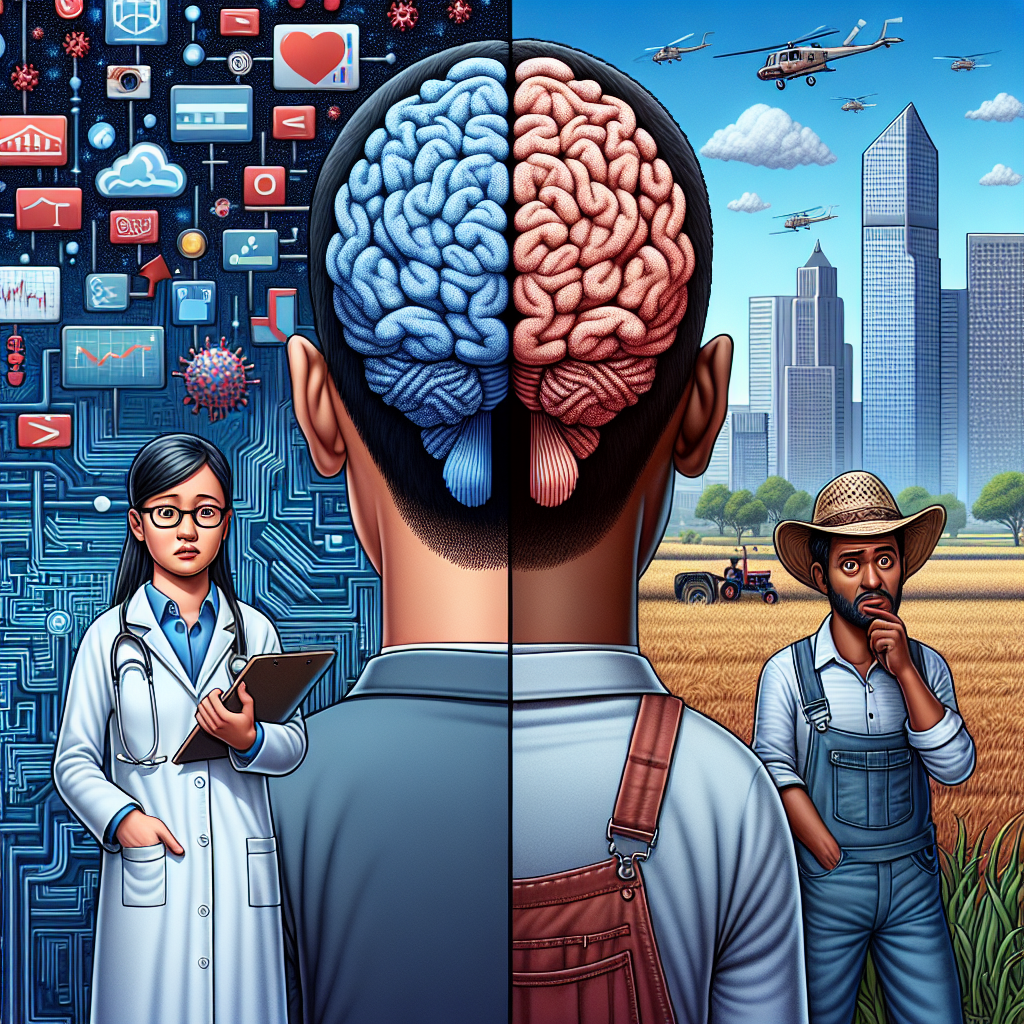
The Psychology Behind Heuristics and Biases
The psychological mechanisms that underpin heuristics and biases are rooted in the way our brains process information. Understanding these mechanisms can shed light on why we rely on cognitive shortcuts and why they often lead to biased decision-making. Several key factors contribute to the pervasive influence of heuristics and biases in our cognitive processes.
One fundamental factor is cognitive load. Our cognitive resources are limited, and the brain seeks to conserve energy by using mental shortcuts when faced with complex decisions. Heuristics provide a way to simplify information processing, allowing us to make quick judgments without exhaustive analysis. While this efficiency is beneficial in many situations, it can also lead to systematic errors and biases.
Another crucial factor is the role of emotions in decision-making. Our emotional responses can greatly influence our judgments and choices, often serving as shortcuts to guide our decisions. For instance, the affect heuristic illustrates how emotions drive our preferences and choices. Emotions can provide valuable cues, but they can also lead to irrational decisions when they overshadow objective analysis.
Cognitive biases often arise from the brain’s reliance on associative and intuitive thinking. System 1, the fast and automatic mode of thinking described by Kahneman, is prone to using heuristics and is influenced by immediate associations and emotional responses. System 2, the slower and more deliberate mode, is responsible for analytical thinking but requires more cognitive effort. The interplay between these two systems determines how we make decisions and the extent to which biases influence our judgment.
Social and cultural factors also play a role in shaping heuristics and biases. Cultural norms, media influences, and social interactions can reinforce certain cognitive shortcuts and biases. For example, the availability heuristic can be amplified by media coverage of dramatic events, leading to distorted perceptions of risk. Social dynamics and groupthink can also contribute to confirmation bias, as people seek validation from like-minded peers.
Real-World Implications
The influence of heuristics and biases extends beyond individual decision-making and has far-reaching implications in various domains of life. From finance and healthcare to public policy and marketing, understanding how these cognitive shortcuts shape behavior can inform strategies to improve decision-making and mitigate potential pitfalls.
In the financial realm, heuristics and biases play a significant role in investment decisions. For example, the availability heuristic can lead investors to overreact to recent market news, resulting in excessive buying or selling of stocks. Overconfidence bias can drive excessive risk-taking, as individuals might believe they possess superior knowledge or skills in predicting market movements. By recognizing these biases, financial advisors can help clients make more informed and rational investment choices.
In healthcare, heuristics and biases can impact medical decision-making. For instance, doctors may rely on the availability heuristic when diagnosing patients, leading to misdiagnoses based on recent cases or memorable symptoms rather than a thorough examination. Cognitive biases can also influence patients’ choices, such as opting for treatments framed in a positive light. Raising awareness of these biases among healthcare professionals can improve diagnostic accuracy and patient outcomes.
Public policy decisions are also susceptible to heuristics and biases. Policymakers may fall prey to framing effects when presenting policy options to the public, influencing citizens’ support or opposition to certain measures. Availability bias can shape public perception of risks, leading to disproportionate responses to certain issues. By understanding these cognitive shortcuts, policymakers can design more effective communication strategies and policies that account for human behavior.
In marketing and advertising, heuristics and biases are exploited to influence consumer behavior. The framing effect is often used to present products in the most favorable light, while the affect heuristic leverages emotional appeals to drive purchasing decisions. Marketers can benefit from understanding these cognitive processes to create more persuasive campaigns, while consumers can become more aware of the tactics used to sway their choices.
Strategies to Mitigate Heuristics and Biases
While heuristics and biases are intrinsic to human cognition, there are strategies to mitigate their impact and enhance decision-making. By adopting these approaches, individuals can become more aware of their cognitive shortcuts and take steps to make more informed, rational choices.
One effective strategy is fostering awareness and mindfulness. Recognizing the presence of heuristics and biases in our thinking is the first step towards mitigating their effects. Mindfulness practices, such as meditation or reflective thinking, can help individuals become more attuned to their cognitive processes and reduce the automatic reliance on mental shortcuts.
Another approach is encouraging critical thinking and analytical reasoning. Engaging System 2 thinking, the deliberate and logical mode of thought, can counteract the influence of heuristics. Critical thinking involves questioning assumptions, seeking evidence, and considering alternative perspectives. By adopting a more analytical mindset, individuals can make more well-informed decisions.
Seeking diverse perspectives and feedback from others is also beneficial. Group discussions and collaborative decision-making can help identify and challenge cognitive biases. Different viewpoints can provide valuable insights and reduce the likelihood of groupthink. Encouraging open dialogue and constructive criticism fosters a more balanced and objective decision-making process.
Using decision aids and structured methodologies can further mitigate the impact of heuristics. Decision-making tools, such as checklists, decision trees, and scenario analysis, provide a systematic framework for evaluating options. These tools can help individuals consider all relevant factors, avoid overreliance on shortcuts, and make more rational choices.
Finally, continued education and training in behavioral economics can enhance decision-making skills. Learning about the common heuristics and biases and their real-world implications equips individuals with the knowledge to recognize and address cognitive pitfalls. Workshops, courses, and self-study resources can empower individuals to apply behavioral insights in their personal and professional lives.
Conclusion
Heuristics and biases are integral aspects of human cognition that shape our decision-making processes in profound ways. While these cognitive shortcuts can lead to efficient and satisfactory outcomes, they also introduce systematic errors that can have real-world consequences. Understanding the types of heuristics, common cognitive biases, the psychology behind them, and their implications is crucial for improving decision-making and mitigating the adverse effects of these mental shortcuts.
By recognizing the influence of heuristics and biases, we can develop strategies to enhance our decision-making skills. Fostering awareness, encouraging critical thinking, seeking diverse perspectives, using decision aids, and continuing education in behavioral economics are all valuable approaches to counteract cognitive biases. These strategies empower individuals to make more informed, rational choices, ultimately leading to better outcomes in various domains of life.
As we navigate the complexities of decision-making, it is essential to remain vigilant and mindful of the cognitive shortcuts that pervade our thinking. By embracing a more analytical and reflective approach, we can transcend the limitations of heuristics and biases, making choices that align with our goals and values. In doing so, we contribute to a more rational and effective decision-making process, both individually and collectively.