International Women’s Day, celebrated on March 8th every year, is a global event dedicated to acknowledging the social, economic, cultural, and political achievements of women. This day also marks a call to action for accelerating gender parity. While it’s a worldwide celebration, the ways in which different cultures honor women vary significantly, reflecting their unique histories, traditions, and social contexts. This article delves into the myriad ways cultures across the world celebrate women, especially focusing on female leadership and its impact.
The Historical Context of International Women’s Day
The origin of International Women’s Day dates back to the early 20th century, rooted in the labor movements in North America and Europe. It began as a way to protest against poor working conditions, demand better pay, shorter hours, and the right to vote for women. The United Nations officially recognized March 8th as International Women’s Day in 1975, giving it a global dimension for women in developed and developing countries alike. Since then, the day has evolved to not only address issues of inequality and injustice but also to celebrate the remarkable achievements of women.
Celebrating Women in Different Cultures
Western Cultures: Marches and Advocacy
In many Western countries, International Women’s Day is marked by marches and demonstrations. These events often focus on issues such as gender equality, reproductive rights, and violence against women. In the United States, for example, the day is used to both celebrate the achievements of women and to advocate for continued progress in gender equality. Here, and in many European countries, the day is also an opportunity to highlight and celebrate female leaders who have broken barriers in various fields.
Asian Traditions: Respect and Recognition
In Asia, the celebration of International Women’s Day varies significantly across countries. In China, for instance, women are often given a half-day off work, and there are widespread celebrations recognizing women’s contributions to society and family. In Japan, the day is more subdued but is growing in significance, with increasing awareness and events focusing on gender equality and the empowerment of women.
African Celebrations: Community and Empowerment
In Africa, International Women’s Day is often celebrated within communities, focusing on themes of empowerment and development. Many African countries use this day to highlight the importance of women in sustaining local economies and communities. Events typically include local markets, where women artisans and entrepreneurs showcase their crafts and products, and community forums discussing women’s roles in social and economic development.
Middle Eastern Perspectives: Cultural Shifts
In the Middle East, International Women’s Day is a reflection of the changing dynamics in the region. While some countries have longstanding traditions of celebrating women, others are just beginning to recognize the day amid evolving attitudes towards women’s rights and roles in society. For example, in Saudi Arabia, recent years have seen a gradual increase in events and discussions around women’s rights, coinciding with reforms in the country.
Female Leadership Across Cultures
Celebrating International Women’s Day also involves acknowledging the female leaders who have made significant contributions in various sectors. These women come from diverse backgrounds and cultures, each bringing a unique perspective to leadership.
Political Leadership
Female political leaders have been instrumental in shaping policies and leading nations. Angela Merkel, the former Chancellor of Germany, is an excellent example of a woman who led with strength and intelligence. In New Zealand, Prime Minister Jacinda Ardern is celebrated for her empathetic and decisive leadership, especially in times of crisis.
Business and Economics
In the corporate world, women have been breaking the glass ceiling and taking on significant roles. Indra Nooyi, the former CEO of PepsiCo, is an example of a woman who led one of the world’s largest companies. In the field of economics, Nigerian economist Ngozi Okonjo-Iweala made history by becoming the first woman and the first African to lead the World Trade Organization.
Science and Technology
Women in science and technology are increasingly being recognized for their groundbreaking work. Figures like Marie Curie, a pioneer in the field of radioactivity, and contemporary leaders like Gitanjali Rao, a young inventor and scientist, are inspiring examples of female ingenuity and persistence.
Arts and Culture
In arts and culture, women have long been influential, often using their work to address social issues and inspire change. Frida Kahlo, the Mexican painter, is celebrated for her unique style and her exploration of identity, gender, and class in Mexican society. In literature, authors like Chimamanda Ngozi Adichie have been influential in shaping contemporary discussions on feminism and culture.
The Future of Women’s Celebrations
As we move forward, the celebration of International Women’s Day and the recognition of women’s achievements are likely to evolve. The growing global connectivity and awareness of social issues mean that this day will continue to be a platform for advocating for women’s rights and celebrating female leadership in all its forms.
In conclusion, International Women’s Day serves as a reminder of the strides women have made and the journey that still lies ahead. It’s a day to honor the diversity and resilience of women across the globe, celebrating not just their achievements but also their potential. As societies continue to evolve, so too will the ways in which we honor and celebrate women, ensuring that their contributions are recognized and valued.
Challenges and Progress: The Road Ahead for Women
Despite significant progress in many areas, women worldwide still face numerous challenges. Gender-based violence, unequal pay, lack of access to education and healthcare, and underrepresentation in leadership positions remain pervasive issues. However, each year, International Women’s Day serves as a crucial reminder of the ongoing struggles and the collective efforts needed to overcome these challenges.
The Role of Education and Advocacy
Education plays a pivotal role in advancing women’s rights and opportunities. Efforts to promote girls’ education globally have shown promising results in empowering women and reducing inequalities. Advocacy and awareness campaigns also play a critical role in shifting societal attitudes and norms that often hinder women’s progress.
Technology and Women’s Empowerment
The rise of digital technology offers new avenues for women’s empowerment. From online platforms that provide educational resources to social media campaigns raising awareness about women’s issues, technology is a powerful tool in the fight for gender equality.
The Importance of Inclusivity
As we celebrate women’s achievements, it’s crucial to ensure that these celebrations are inclusive of all women, regardless of race, ethnicity, sexual orientation, or socioeconomic status. Acknowledging the diverse experiences and challenges faced by women across different communities is essential in building a more equitable world.
Celebrating Women in Everyday Life
While International Women’s Day is a significant event, it’s important to recognize and celebrate women’s contributions every day. This can be through supporting women-owned businesses, promoting female leaders in various fields, or simply acknowledging the women in our lives for their strength and resilience.
Encouraging Young Girls and Future Leaders
Cultivating an environment that encourages and supports young girls is crucial for the development of future female leaders. This involves not only providing them with education and opportunities but also with role models who can inspire and guide them.
The Power of Storytelling
Sharing the stories of successful women, from historical figures to contemporary leaders, plays a vital role in inspiring the next generation. Storytelling can be a powerful tool in highlighting the struggles and triumphs of women, demonstrating that change is possible and that their dreams are achievable.
International Women’s Day is more than just a date on the calendar; it’s a movement, a global recognition of women’s value in society, and a continuous effort towards gender equality. The day serves as a reminder of how far we have come in the fight for women’s rights and how far we still have to go. It’s a day to reflect on the courage and determination of women who have paved the way and to renew our commitment to the ongoing struggle for equality.
A Global Call to Action
As we honor women across different cultures, it is also a call to action for everyone, regardless of gender, to support and advocate for women’s rights. This involves challenging gender stereotypes, fighting against discrimination, and supporting policies and practices that promote gender equality.
Solidarity and Support
International Women’s Day is also about solidarity and support among women. By standing together, women across the globe can amplify their voices and fight for their rights more effectively. It is about building networks and communities that empower women and girls in all spheres of life.
Celebrating Diversity and Strength
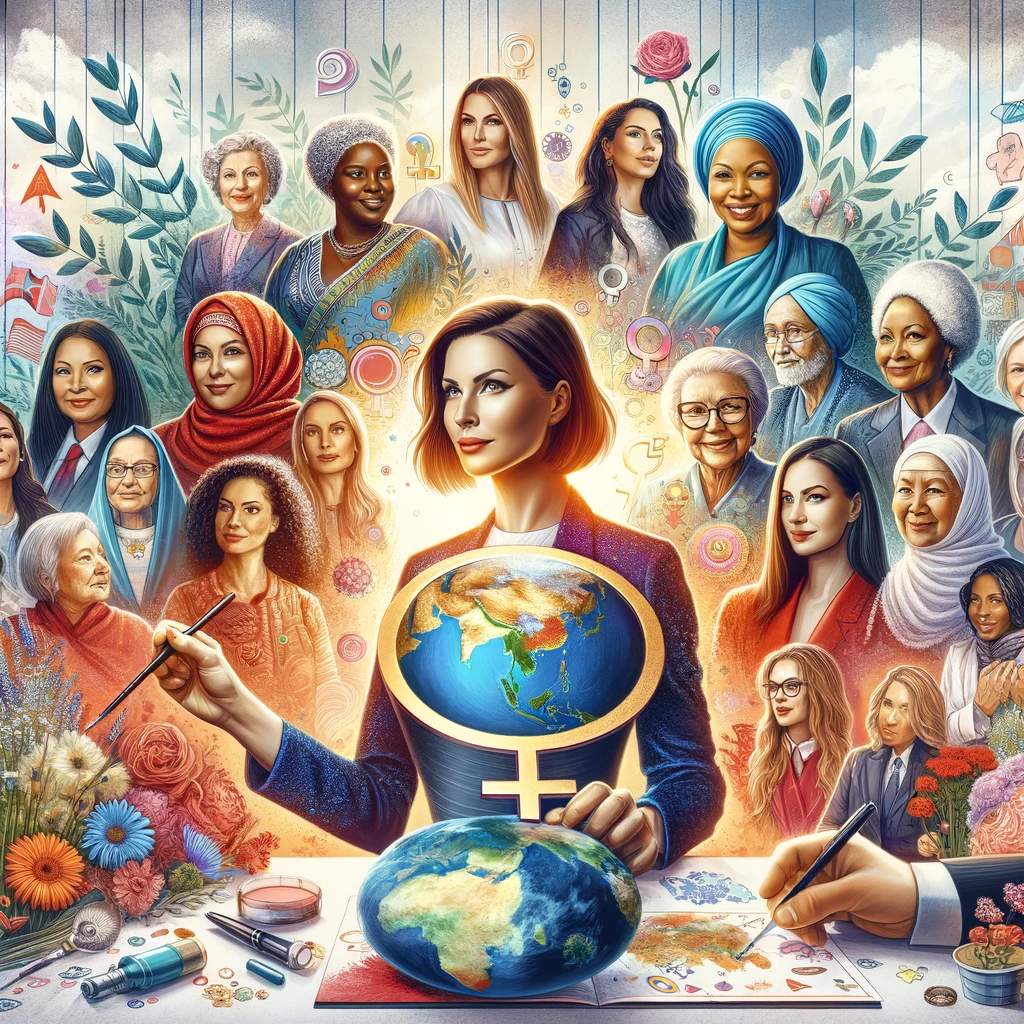
Ultimately, International Women’s Day celebrates the diversity and strength of women worldwide. It honors the unique experiences and contributions of women in different cultures, acknowledging that each woman’s journey is important and worthy of recognition.
Looking Ahead
As we look to the future, it is clear that the journey towards gender equality is ongoing. The celebration of International Women’s Day is a powerful reminder of the collective power of women and the importance of continuing to push for change. It is a day to inspire and be inspired, to acknowledge achievements, and to recommit to the work still needed to ensure that every woman and girl has the opportunity to live freely and fulfill their potential.
In conclusion, “Honoring International Women’s Day: Female Leaders Across Cultures” is not just about a single day of recognition but a continuous journey towards a more equitable and inclusive world. It is a celebration of women in all their forms and a recognition of the role every individual can play in creating a better future for women and girls everywhere. On this day, and every day, we recognize the invaluable contributions of women to our societies and commit to making the world a place where all women can thrive.