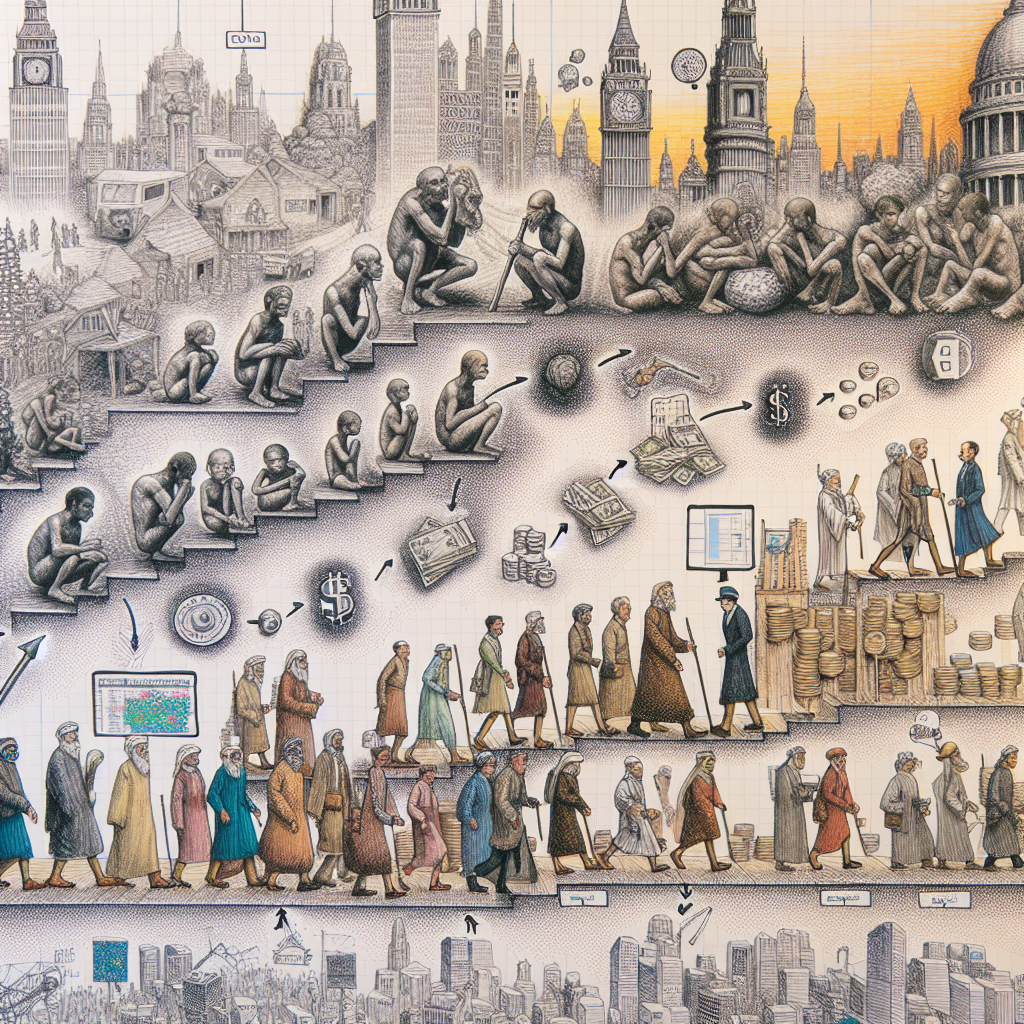
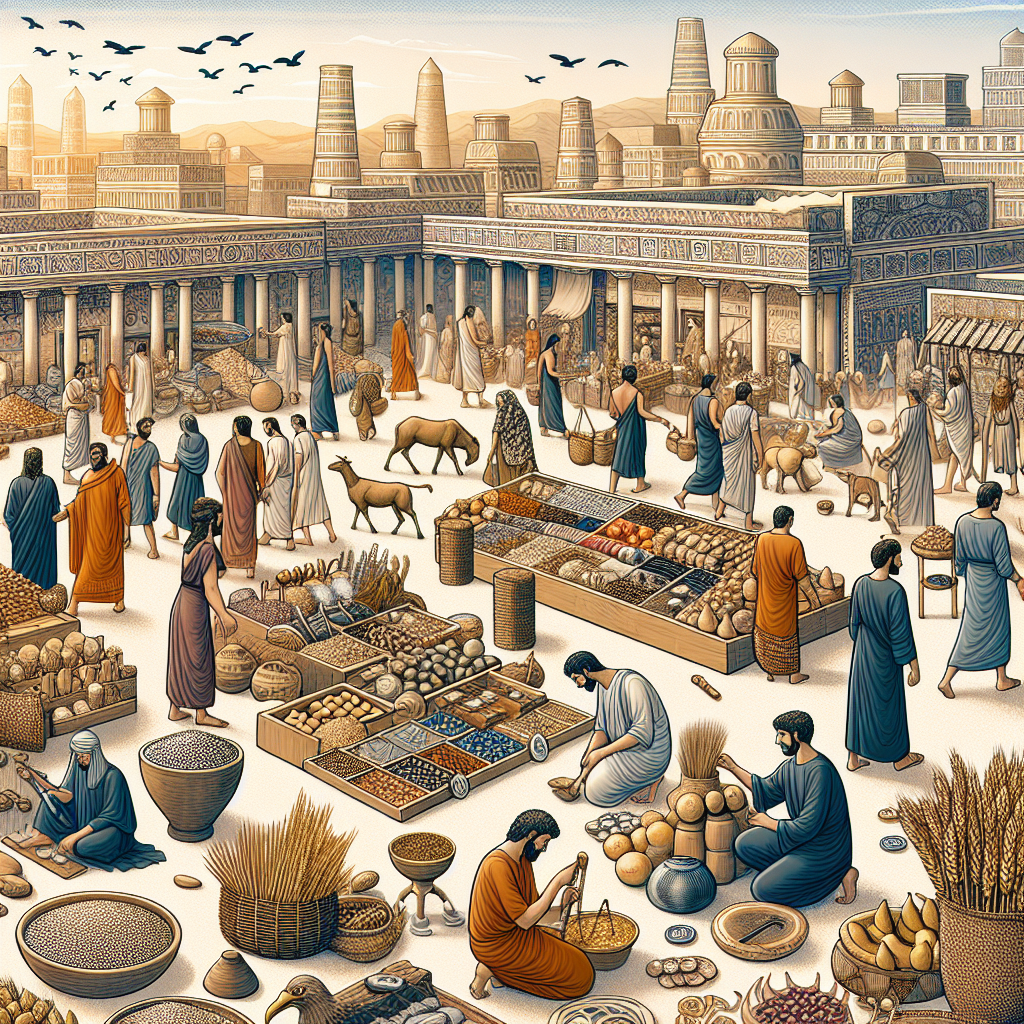
Understanding the ebb and flow of global economic power is crucial to grasping the modern economic landscape. The global economy is a complex tapestry interwoven with the histories of various powerful nations. These shifts are characterized by periods of significant growth, dominance, as well as decline, which can be attributed to a variety of factors including technological advancements, political changes, and social dynamics. By studying these shifts, we can learn invaluable lessons on economic strategies and resilience.
The story of global economic powers is not just about economics but also about the dynamic interplay between nations, cultures, and technologies. From the flourishing trade networks of the ancient Chinese and Roman empires to the industrial might of 19th century Britain, each era of dominance has left indelible marks on the world stage. Understanding the catalysts for these shifts offers insight into how and why certain countries came to the fore, shaping a richer narrative of human progress.
The economic powerhouses of the past have shaped the trends that we find battling it out over influence and resources today. These shifts are not mere relics of the past; they continue to influence contemporary economics, policymaking, and global strategy. As we delve into this historical canvas, we will highlight the factors that contributed to both the ascension and descent of these economic powers, offering a nuanced understanding of global economics.
In this article, we will explore significant moments in economic history, focusing on how certain countries rose to prominence and others waned. We will take a closer look at key historical eras and transformative shifts within the global economy that continue to impact our worldview. This exploration will help us draw parallels to current global dynamics, providing a compass for navigating the future economic climate.
The Age of Exploration: Birth of Global Trade
The Age of Exploration, spanning the 15th and 17th centuries, was a pivotal period that heralded the birth of global trade networks. This era marked a substantial shift from localized economies to global interconnectivity, catalyzed by groundbreaking voyages across previously unchartered territories. European nations, driven by the thirst for new trade routes and resources, embarked on exploratory expeditions that not only altered economic landscapes but also reshaped global societies.
The Portuguese and Spanish empires spearheaded maritime exploration, initiating a frenzy for colonization and trade that included spices, precious metals, and other goods. This transformed Portugal and Spain into powerful empires, with vast colonial holdings that provided a wealth of resources that fueled their economies. The creation of new trade routes opened the floodgates for unprecedented economic activities and interactions among different civilizations.
During this time, the concept of mercantilism emerged, emphasizing the accumulation of wealth, primarily through a favorable balance of trade. This strategy further propelled colonization efforts, as nations sought to expand their dominion to accumulate more resources and commodities. These developments fostered economic competition among European powers and accelerated the rise of global trade networks that linked continents.
The significance of the Age of Exploration lies not only in the vast wealth it generated but also in how it laid the structural foundations for modern global economies. By establishing early trade networks, the Age of Exploration launched the first wave of globalization, setting into motion a pattern of economic competition and interaction that remains at the core of international relations today.
The Industrial Revolution: Catalyzing Economic Dominance
The Industrial Revolution was an epochal event that reshaped every facet of society, transforming agrarian economies into industrial powerhouses. This revolution, which originated in late 18th century Britain, marked the dawn of mass production, technological advancements, and the rise of capitalist economies. It harnessed the power of coal and steam, leading to the emergence of factories and the urbanization of populations.
Britain’s leadership in the Industrial Revolution can be attributed to numerous factors, including a stable political climate, a burgeoning labor force, as well as abundant natural resources. This confluence of elements propelled Britain to the zenith of industrial and economic dominance, enabling it to exert unprecedented global influence. The fruits of industrialization were manifested in the exponential growth of production capacities, innovations in transportation, and enhanced communication networks.
The ripple effects of industrialization were felt across the globe, catalyzing other nations to follow suit. The United States and Germany, for instance, embraced industrialization, subsequently rising to prominence on the global stage. These transformations were not confined to economic structures; they precipitated profound social changes, including the rise of a distinct working class and shifts in urban demographics.
The legacy of the Industrial Revolution endures in today’s economic framework, evident in ongoing technological advancements and a globalized economy. By fundamentally altering the methods of production and consumption, the Industrial Revolution set the stage for the contemporary global economy characterized by intricate production chains and technological innovation.
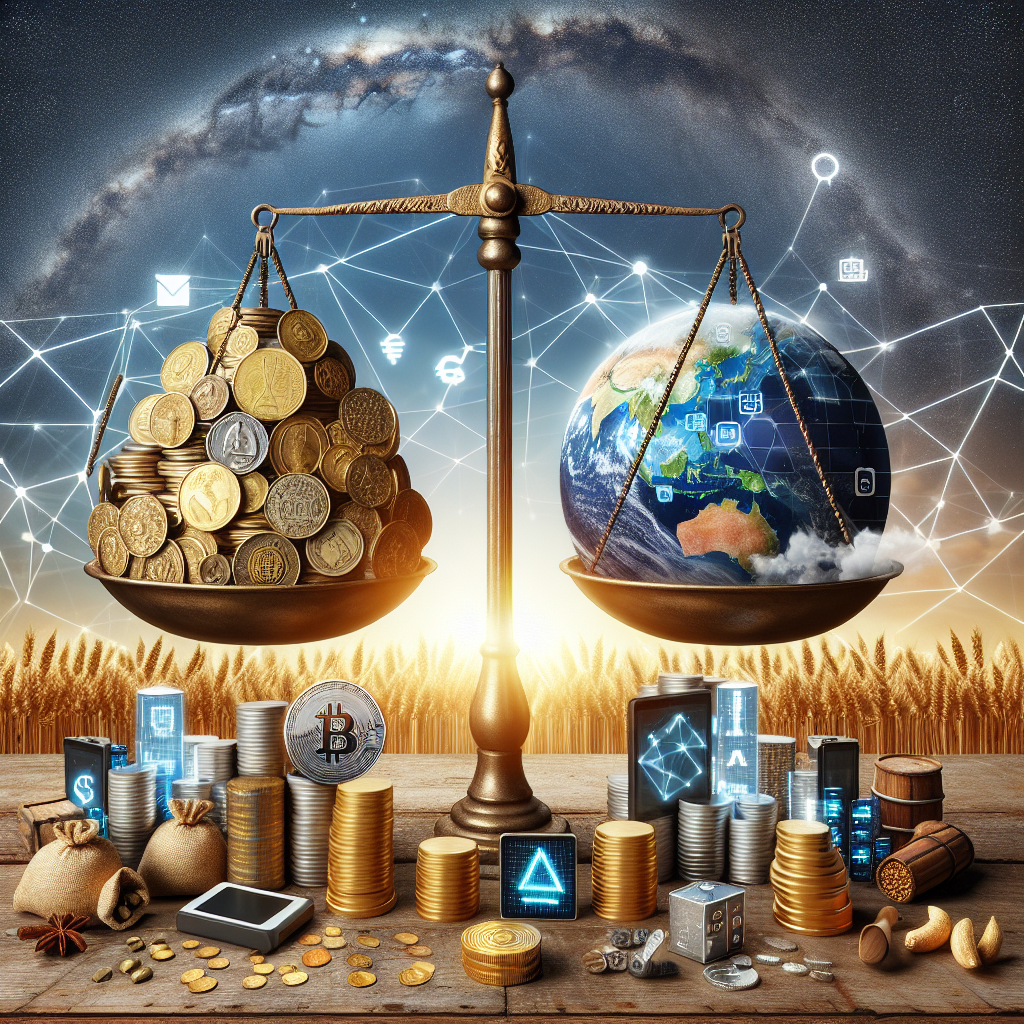
The 20th Century: Balancing Economic Polarity
The 20th century was characterized by drastic economic upheavals, as the global powerscape witnessed shifts driven by wars, technological innovation, and political ideologies. World Wars I and II notably disrupted economic balance, altering global power dynamics by weakening traditional powers and elevating emerging nations. This period also witnessed the birth of superpowers—the United States and the Soviet Union—shifting global economic polarity.
The post-war era in the United States exemplified economic victory, with massive industrial growth and innovation. The implementation of policies centered on capitalism and consumerism catalyzed its ascension as an economic superpower. Conversely, the Soviet Union embraced a communist economic model, marked by state control and planning, attempting to construct a rival economic powerhouse.
Europe, during this time, grappled with rebuilding its infrastructure, reeling from the devastating wars. However, initiatives like the Marshall Plan facilitated a rapid economic recovery, eventually leading to the formation of the European Economic Community—a precursor to the European Union. This cooperation fostered economic stability and growth across member nations.
Increased globalization during the latter half of the 20th century interconnected economies, giving rise to multinational corporations and complex international trade systems. The Bretton Woods agreement laid the groundwork for modern financial systems and institutions, reigning in economic volatility and promoting a structured global economy. These developments have fostered an era marked by unprecedented economic integration, directly impacting the manner in which countries engage in trade and economic relations.
Emerging Economies: Giants on the Rise
In the late 20th and early 21st centuries, emerging economies began to stake their claim in the global economic arena. Countries like China, India, Brazil, and others capitalized on their burgeoning populations, abundant resources, and strategic policies to transform their economies into formidable players. This rise of new economic giants has fundamentally altered the global economic tableau, shifting focus beyond the traditional powers.
China stands as the most dominant example of an emerging economy ascending the global hierarchy. Through a blend of state control and market-oriented reforms, China opened up its economy, significantly boosting trade and investment. Its focus on manufacturing and export-driven growth has transformed it into a vital economic engine, impacting global supply chains and trade relations.
India, with its massive population and thriving information technology sector, has also emerged as a critical player. The liberalization policies of the 1990s set the foundation for rapid economic growth, driven by innovation and entrepreneurship. India’s demographic dividend presents vast economic potential, particularly as it continues to invest in infrastructure, technology, and education.
These emerging economies reflect the diversifying nature of global economic power distribution. As they continue to grow, they are playing crucial roles in shaping economic policies, trade agreements, and international economic forums. Their rise underscores the growing importance of multipolar economic dynamics, diversifying global decision-making processes and illustrating the increasingly interconnected nature of our world.
The Digital Economy: Navigating New Frontiers
The onset of the digital revolution has unveiled new economic frontiers, fundamentally altering how businesses operate, compete, and grow. Information technology and the internet have propelled the digital economy forward, dismantling traditional barriers and redefining the concept of economic power. In this digital landscape, companies that embrace technological innovation often find themselves at the forefront of economic growth and influence.
The digital economy incentivizes a shift from tangible assets to data and intellectual property, prompting businesses to pursue digital transformation. Companies like Amazon, Google, and Apple have harnessed data-driven insights to innovate, optimize operations, and personalize customer experiences, cementing their places as economic powerhouses in the digital era.
Moreover, the rise of e-commerce, fintech, and digital platforms has expanded access to global markets, dismantling geographical boundaries, and altering consumer habits. These advancements have democratized entrepreneurship, providing small businesses and startups with opportunities to compete on a global scale. The seamless integration of digital technologies has revolutionized supply chains, logistics, and consumer engagement, reshaping economic operations and fostering a more agile business environment.
However, the digital economy also brings forth challenges, including issues surrounding data privacy, cybersecurity, and economic inequality. As digital platforms exert significant influence, there is an increasing need for ethical practices and regulatory frameworks to ensure a balanced digital ecosystem. The transformative potential of the digital economy is immense, serving as a beacon for future economic developments and innovations, underscoring the continuous evolution of economic powers in a fast-changing world.
Conclusion: Lessons from Historical Economic Shifts
The historical shifts in global economic power illuminate the evolving nature of economies and the factors influencing their rise and fall. These shifts, fueled by exploration, industrialization, geopolitical tensions, and technological innovation, offer valuable lessons for future economic strategies. By examining the trajectories of past economic powers, we can identify the patterns and forces that shaped their destinies, providing guidance for navigating the uncharted waters of future economic challenges.
One key lesson from these shifts is the role of adaptability and innovation in securing economic resilience. Nations that embraced technological advancements and adapted to changing circumstances flourished. This remains true today, as those that capitalize on digital transformation and foster a culture of innovation continue to thrive.
Additionally, the importance of diversification and inclusive economic policies emerges as a recurring theme. Ensuring that economic growth benefits all segments of society not only fosters stability but also creates a more balanced and sustainable economic environment. By learning from past inequities, modern policymakers can craft strategies that promote equitable growth and mitigate socio-economic disparities.
As we look ahead, the global economic landscape will continue to evolve, influenced by emerging technologies, geopolitical developments, and environmental issues. Understanding historical economic shifts equips us with the insights necessary to forge a resilient and sustainable economic future. By acknowledging the lessons of the past, we can anticipate future trends, chart paths toward prosperity, and cultivate a thriving global economy for generations to come.