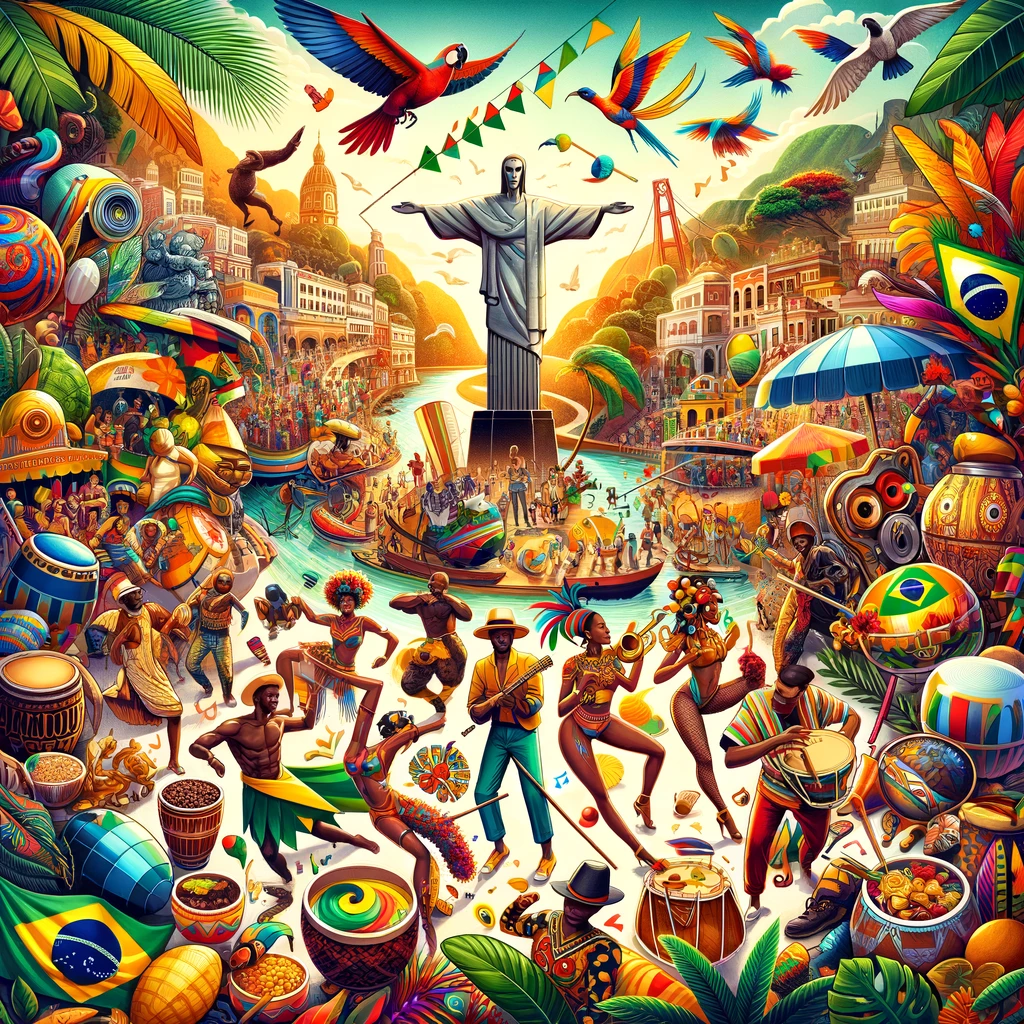
West Africa, a region teeming with vibrancy and diversity, is a veritable mosaic of cultures. This article delves into the rich traditions, soul-stirring music, and dynamic art forms that define the cultural landscape of West Africa.
Traditions: A Tapestry of Cultural Heritage
West African traditions are deeply ingrained in the daily lives of its people, shaped by centuries of history and a multitude of ethnic groups. Each nation, from Nigeria to Senegal, boasts its own unique customs, yet they share common threads that illustrate a rich cultural tapestry.
Festivals and Ceremonies
Festivals in West Africa are more than mere celebrations; they are a vibrant expression of cultural identity. The Festima Festival in Burkina Faso, for example, is a dazzling display of masks and dance, showcasing the region’s ancestral beliefs. Similarly, Osun-Osogbo in Nigeria is a spiritually significant festival that honors the river goddess Osun, blending Yoruba traditions with modern festivities.
Marriage and Family
Marriage ceremonies are a fundamental aspect of West African culture, often involving elaborate rituals that can last several days. These ceremonies are not just a union of two individuals but a coming together of families. Intricate customs, such as the Kola Nut ceremony, symbolize hospitality, unity, and respect, deeply rooted in the societal fabric.
Storytelling and Oral Traditions
Oral traditions hold a place of prestige in West African culture. Griots, or traditional storytellers, are revered custodians of history and folklore. Through epic narratives and songs, they preserve ancient tales, genealogies, and moral lessons, passing them down through generations.
Music: The Heartbeat of West Africa
Music in West Africa is not just an art form; it’s the heartbeat of the community, reflecting its dynamic spirit and history. It ranges from traditional rhythms to contemporary beats, each telling a story of the region’s soul.
Traditional Instruments
The diversity of musical instruments is a testament to the region’s rich musical heritage. The Kora, a 21-string lute-bridge-harp, is synonymous with the Mandinka people and is known for its mesmerizing melodies. The Djembe, a rope-tuned skin-covered drum, is central to the musical tradition and is played to invoke the spirit of unity.
Highlife and Afrobeat
Modern West African music is a fusion of traditional sounds with global influences. Genres like Highlife and Afrobeat have gained international acclaim. Highlife, originating from Ghana, blends African rhythms with western instruments, creating a melodious and danceable music style. Afrobeat, pioneered by Fela Kuti, combines traditional Yoruba music, jazz, and funk, creating a powerful genre that transcends borders.
Music as a Vehicle for Social Change
Music in West Africa also serves as a powerful tool for social and political commentary. Artists often use their voice to address social issues, from corruption to human rights, influencing public opinion and inspiring change.
Art: A Diverse and Evolving Canvas
West African art is as diverse as its people, encompassing a wide range of mediums and styles, each with its own story and significance.
Visual Arts
Visual arts in West Africa include sculpture, painting, and textile art. The Bronzes of Benin are world-renowned for their detailed craftsmanship, depicting scenes of royalty and daily life. Textile arts, such as the colorful Kente cloth from Ghana, are not just fabrics but symbols of status and history.
Modern and Contemporary Art
Contemporary West African artists are gaining global recognition, blending traditional themes with modern expressions. These artists are redefining African art, challenging stereotypes, and showcasing the region’s dynamism and creativity.
Architecture
The architecture of West Africa is a fusion of indigenous designs and influences from various periods of history. From the ancient Mud Mosques of Mali, exemplifying Sudanese-Sahelian architecture, to the modern cities like Lagos and Dakar, West African architecture tells a story of a region that respects its past while embracing the future.
The cultural richness of West Africa is a testament to the resilience and creativity of its people. The traditions, music, and art of this region are not just forms of expression but are woven into the very fabric of daily life, reflecting a deep history and a vibrant present. As West Africa continues to evolve, its cultural heritage remains a cornerstone, shaping its identity and offering a window into an incredibly diverse and dynamic region.
Exploring Deeper: The Essence of West African Culture
The cultural richness of West Africa is not just in its observable traditions and art forms but also in the underlying values and beliefs that define the ethos of its societies.
Communal Living and Ubuntu Philosophy
One of the core elements of West African culture is the emphasis on community and collective well-being. The philosophy of Ubuntu, which translates to “I am because we are,” is deeply rooted in many West African societies. This concept fosters a sense of shared humanity, emphasizing compassion, respect, and communal responsibility. In daily life, this manifests in communal living arrangements, collective farming practices, and the tradition of sharing meals.
Religious and Spiritual Beliefs
Religion and spirituality are integral to West African culture, providing a framework for understanding the world and guiding moral conduct. The region is a melting pot of religious beliefs, including indigenous animism, Christianity, and Islam. These religions coexist and often intertwine, with many people blending practices from different faiths. Indigenous beliefs in spirits, ancestors, and the sacredness of nature are prevalent, influencing everything from art to daily routines.

Festivals and Rituals
Spiritual beliefs in West Africa are often expressed through festivals and rituals. For example, the Voodoo Festival in Benin celebrates the ancient Vodun religion, with vibrant parades, rituals, and dances. These events are not just religious ceremonies but also opportunities for communities to come together, reaffirm social bonds, and preserve cultural heritage.
Culinary Traditions
The culinary traditions of West Africa are as diverse as its cultures. Staple foods like rice, millet, and yams are prepared in various ways across the region. Dishes such as Jollof rice, a one-pot rice dish, and Fufu, a starchy accompaniment to soups, are popular. These foods are often flavored with a rich palette of spices, reflecting the region’s historical role in the spice trade. Cooking and eating in West Africa are communal activities, reflecting the region’s emphasis on family and community.
Clothing and Fashion
Traditional West African clothing is renowned for its vibrant colors and intricate patterns. Garments like the Boubou, a flowing robe, and the Dashiki, a colorful shirt, are widely worn. These traditional outfits are more than just clothing; they are expressions of identity, status, and cultural pride. In recent years, West African fashion has gained international attention, with designers blending traditional textiles and patterns with contemporary fashion, creating unique and influential styles.
The Impact of Colonization and the Slave Trade
It’s crucial to acknowledge the impact of colonization and the transatlantic slave trade on West African culture. These historical events profoundly affected the social, economic, and political fabric of the region. They led to the dispersion of West African people and cultures across the globe, particularly in the Americas. This diaspora has significantly influenced global culture, seen in music, cuisine, and language, creating a cultural exchange that continues to evolve.
The Role of Youth and Innovation
The youth of West Africa play a crucial role in shaping contemporary culture. With over 60% of the population under 25, young people are at the forefront of cultural innovation, blending tradition with modernity. They are redefining music, art, and fashion, and using technology and social media to express their identity and address social issues. This vibrant youth culture is a driving force behind West Africa’s evolving cultural landscape.
In conclusion, the cultural richness of West Africa lies in its diversity, resilience, and adaptability. From deep-rooted traditions to innovative contemporary expressions, West African culture is a dynamic force, constantly evolving while maintaining its essence. As we continue to witness the global influence of this region, it becomes evident that West African culture is not just a regional treasure but a vital part of our global heritage.