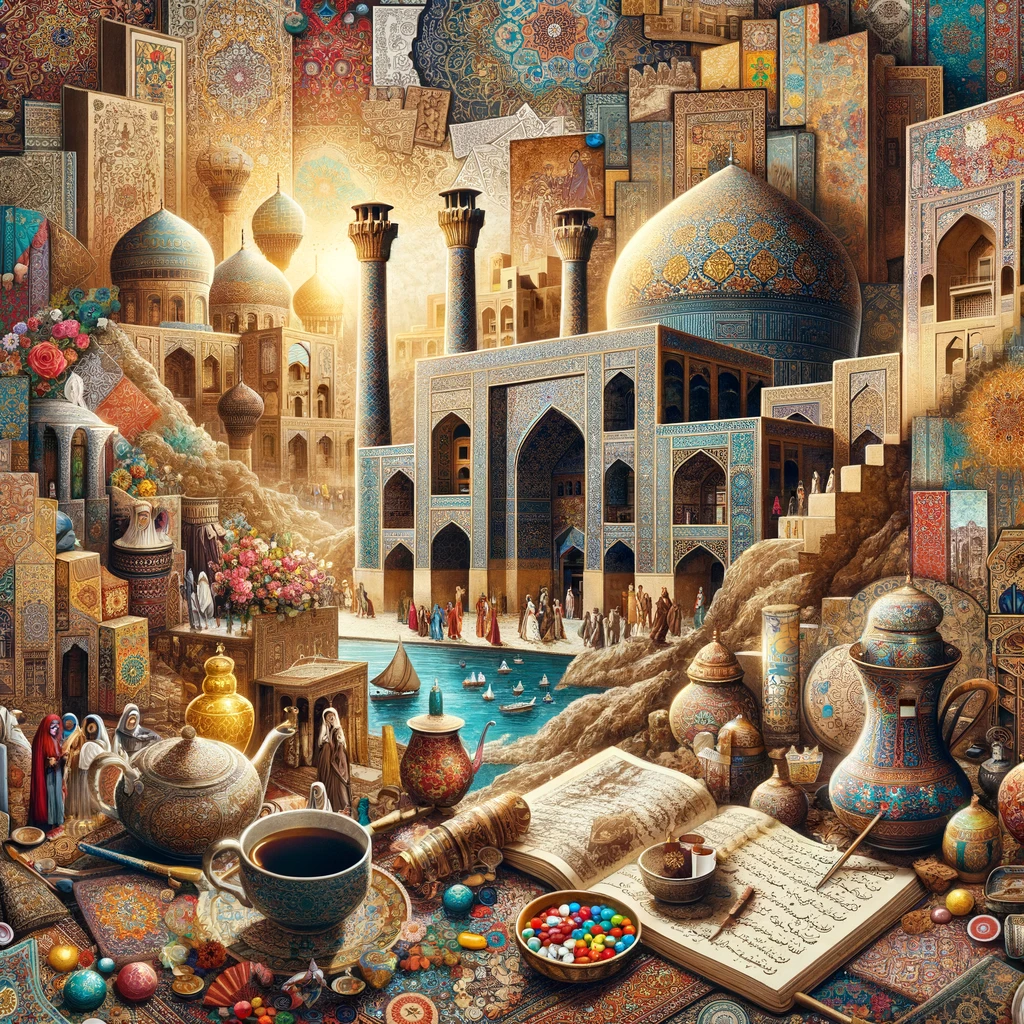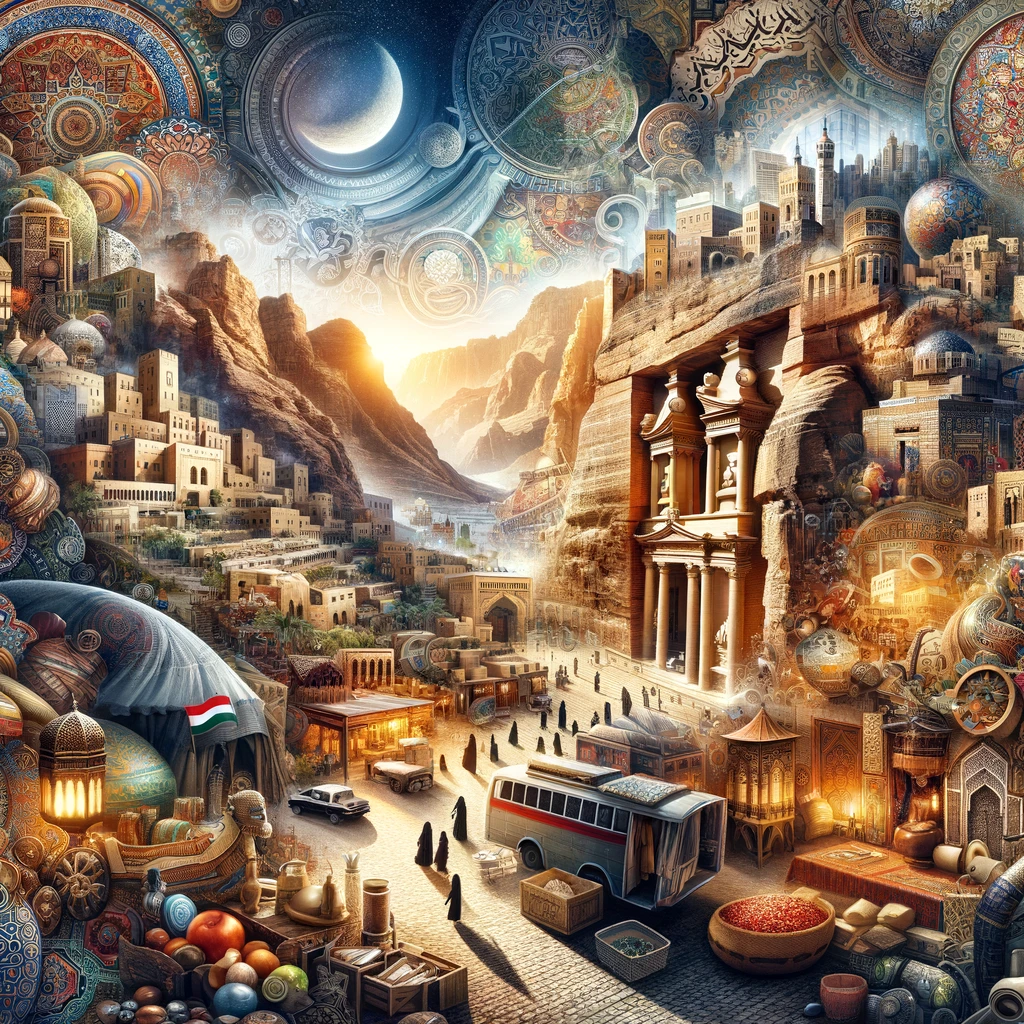
The Middle East, a region that spans across Western Asia and extends into North Africa, is known for its rich cultural diversity and historical significance. This area, often regarded as the cradle of civilization, is a mosaic of various peoples, languages, religions, and traditions. In this comprehensive exploration, we delve into the various aspects of Middle Eastern cultures, from ancient history to modern-day practices, uncovering the intricate tapestry that makes this region uniquely captivating.
Historical Overview
The Cradle of Civilization
The Middle East is often referred to as the “Cradle of Civilization” due to its role in hosting some of the world’s earliest advanced societies. Ancient Mesopotamia, located in modern-day Iraq, is where writing, law, and urbanization first flourished. This region saw the rise and fall of powerful empires like the Babylonians, Assyrians, and Persians, each contributing distinct elements to the cultural milieu.
Crossroads of Cultures
Strategically located at the crossroads of Africa, Asia, and Europe, the Middle East has been a nexus of trade, intellectual exchange, and conquest. This intersection has facilitated the blending of various cultures over millennia, with influences from the Greeks, Romans, Byzantines, and later, Arab and Ottoman empires. These interactions have left indelible marks on the region’s art, architecture, language, and customs.
Religion and Spirituality
Islam’s Influence
Islam, born in the Arabian Peninsula in the 7th century, is a major unifying force in the Middle Eastern culture. The region is home to some of Islam’s holiest sites, including Mecca and Medina. The religion’s tenets, laws, and artistic expressions, such as calligraphy and mosque architecture, significantly shape daily life and cultural practices.
Religious Diversity
Despite the prevalence of Islam, the Middle East is also home to other ancient religions, like Judaism and Christianity, and smaller sects such as the Druze, Yazidis, and Baha’is. This religious diversity is a testament to the region’s long history as a melting pot of faiths and cultures.
Language and Literature
Linguistic Richness
Arabic, the most widely spoken language in the region, serves as a lingua franca and is celebrated for its eloquence and poetic tradition. However, the linguistic landscape of the Middle East is much more varied, encompassing languages like Hebrew, Persian, Turkish, Kurdish, and several Aramaic dialects. This multilingualism contributes significantly to the cultural richness of the region.
Literary Contributions
The Middle East has a storied tradition in literature, with contributions that have significantly influenced world literature. The region is the birthplace of timeless works such as “The Thousand and One Nights” and the poetry of Rumi. Modern Middle Eastern writers continue this legacy, weaving narratives that reflect the region’s complex history and contemporary realities.
Art and Architecture
Architectural Wonders
Middle Eastern architecture is renowned for its diversity, from the ancient ziggurats of Mesopotamia to the Islamic masterpieces like the Dome of the Rock in Jerusalem and the Great Mosque of Córdoba. These structures are not only places of worship but also serve as cultural symbols, embodying the artistic and engineering achievements of their eras.
Artistic Expressions
The region’s art is as diverse as its cultures, encompassing a wide range of mediums and styles. Traditional arts such as calligraphy, tilework, and weaving are highly esteemed and continue to be practiced. Contemporary Middle Eastern artists often blend traditional motifs with modern mediums, creating works that speak to both the region’s heritage and its current societal dynamics.

Music and Dance
The Rhythms of the Middle East
Middle Eastern music, characterized by its rhythmic complexity and rich tonalities, plays a significant role in the cultural landscape. Instruments like the oud (a lute-like stringed instrument), qanun (a type of zither), and darbuka (a goblet drum) are central to the musical tradition. The music often features intricate melodies and is closely tied to poetry and storytelling.
Dance Traditions
Dance is another integral aspect of Middle Eastern culture. Styles vary greatly from country to country, each with its own unique characteristics. The Egyptian Raqs Sharqi, commonly known in the West as “belly dance,” is perhaps the most internationally recognized. However, other forms like the Dabke, a traditional Levantine folk dance, and the whirling dances of the Sufi traditions, also hold significant cultural importance.
Cuisine
A Melting Pot of Flavors
Middle Eastern cuisine is as diverse as its people and landscapes. It is known for its use of a wide range of spices, herbs, and fresh ingredients. Staples include grains like rice and bulgur, legumes, meats (particularly lamb and chicken), and an abundance of fresh fruits and vegetables. Dishes like hummus, falafel, and kebabs have gained international fame, but the culinary scene within the region is far more intricate and varied.
Hospitality and Dining
Food in the Middle East is not just about sustenance but also hospitality and community. Sharing a meal is a way of welcoming guests and strengthening bonds. Feasts and family gatherings are common, and they often feature an array of dishes showcasing the region’s culinary diversity.
Clothing and Fashion
Traditional Attire
Traditional clothing in the Middle East varies greatly. In many countries, attire is often influenced by religious and cultural norms. For instance, the abaya and hijab are common in many Islamic societies. However, these garments are not just practical or religious; they are also a canvas for expression, with varying styles, colors, and embellishments.
Fashion Industry
The Middle Eastern fashion scene is a dynamic blend of traditional and modern influences. Designers from the region are gaining international acclaim, showcasing collections that meld contemporary fashion with traditional elements. This fusion not only reflects the region’s heritage but also its evolving identity in the global fashion landscape.
Societal Norms and Values
Family and Community
The family unit is a cornerstone of Middle Eastern society. Extended families often live close together or under the same roof, and familial bonds are highly valued. Respect for elders and a strong sense of community responsibility are ingrained in social norms.
Hospitality and Generosity
Hospitality is a deeply rooted value in Middle Eastern culture. Guests, even strangers, are often received with a level of generosity that is unparalleled. This tradition of hospitality is not just a social etiquette but a reflection of the region’s history as a crossroads of civilizations where travelers were a common sight.
Contemporary Challenges and Achievements
Navigating Modernity and Tradition
One of the greatest challenges facing the Middle East today is balancing modernity with tradition. Rapid economic and social changes are prompting reevaluations of traditional norms and practices. Younger generations, in particular, are at the forefront of this cultural evolution, navigating the complexities of maintaining cultural heritage while embracing modern values.
Achievements in Various Fields
Despite political and social challenges, the Middle East has made significant strides in various fields. Advancements in education, technology, and science are notable, with an increasing number of Middle Eastern scholars and professionals gaining international recognition. Additionally, the region’s film, literature, and art are garnering global acclaim, highlighting its rich cultural contributions to the world.
Conclusion
The Middle East, with its diverse peoples, traditions, and history, is a region of rich cultural tapestry. Its influence on the world has been profound, from the dawn of civilization to contemporary times. Understanding and appreciating this diversity is key to grasping the complexities and beauty of Middle Eastern cultures. As we continue to witness the region’s evolution, it remains a testament to the enduring spirit and resilience of its people.