Islamic architecture is a vivid and expressive form of artistic endeavor that combines the spiritual with the functional to create spaces that are both inspiring and accessible. This style of architecture goes beyond mere building design—it is a profound expression of Islamic culture and faith across various periods and regions.
Origins and Evolution
Islamic architecture emerged with the growth of Islam in the 7th century CE, spreading rapidly across the Middle East, North Africa, and later into Asia and Europe. The architectural style evolved from the needs of the Muslim community, influenced by local cultures and pre-Islamic traditions. The result was a distinctive blend that varied significantly from region to region.
Key Features of Islamic Architecture
Islamic architecture is best known for its emphasis on awe-inspiring aesthetics and the incorporation of functional design to accommodate the religious practices of Islam. Some of the most distinctive features include:
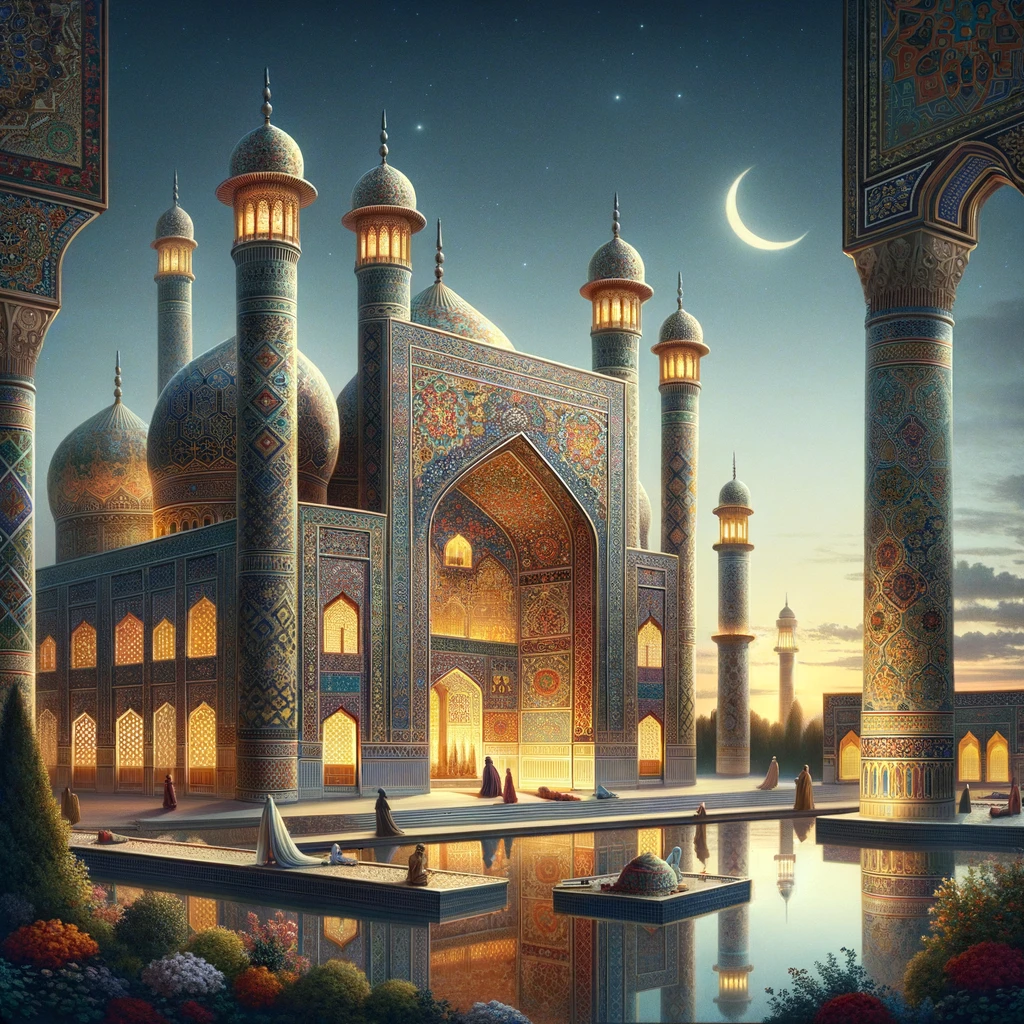
- Minarets: Tall spires typically associated with mosques, from which the call to prayer is announced. They vary in shape and size depending on cultural influences.
- Domes: Large, often spectacular domes are a hallmark, symbolizing the vault of heaven. The interior decoration often includes intricate geometric patterns and calligraphy.
- Courtyards: Common in Islamic architecture, these open spaces provide a serene and communal area for worship and reflection, supporting the social aspects of community life.
- Iwans and Arches: Iwans are vaulted spaces opening onto a courtyard, and arches are crucial structural and aesthetic elements, often featuring complex designs like the horseshoe or multifoil arch.
- Ornamentation: Calligraphy, arabesque (geometric floral or vegetal designs), and intricate tile work are commonly used to decorate surfaces, reflecting the Islamic prohibition against depicting human figures in religious contexts.
Regional Variations
The adaptability of Islamic architecture is evident in its regional variations. Each area incorporated local artistic traditions and materials into its designs, giving rise to distinctive styles.
- Middle East: Characterized by the use of desert sandstone and detailed mosaics. The Dome of the Rock in Jerusalem and the Great Mosque of Damascus are quintessential examples.
- North Africa: Known for its robust and earthy kasbahs and madrasas with elaborate tile work, reflecting the Berber and Arab influences. The Kairouan Mosque in Tunisia showcases the Maghrebi style.
- South Asia: Features the use of red sandstone and marble, as seen in India’s Mughal architecture, which includes famous structures like the Taj Mahal and the Red Fort.
- Spain (Andalusian): Blends Islamic and European elements, seen in the Alhambra’s intricate stucco work and the multi-lobed arches of the Great Mosque of Córdoba.
Cultural and Religious Significance
Islamic architecture is deeply intertwined with the religion’s practices and values. Mosques, the most prominent type of Islamic architectural structure, are not only places of worship but also centers of learning and community service. The design of these spaces is intended to embody Islamic ideals of unity, spirituality, and community.
Modern Developments and Future Directions
In modern times, Islamic architecture has embraced new materials and technologies while still respecting traditional forms and functions. Contemporary architects like Zaha Hadid have pushed the boundaries of the style, introducing dynamic forms that reflect the global nature of Islam today.
Islamic architecture is more than just a means of creating functional buildings; it is a form of cultural expression that provides insights into the Muslim world’s rich heritage. It stands as a testament to how architecture can transcend mere construction to reflect profound religious and cultural values.
Islamic architecture offers a window into the spiritual and artistic passions of different cultures influenced by Islam, highlighting a shared commitment to beauty and faith.
Influence on Western Architecture
The influence of Islamic architecture on Western architecture can be seen in various architectural revivals, particularly during the 19th century when Moorish Revival and Neo-Mudéjar styles became popular in Europe and America. This period was marked by a fascination with the oriental aesthetic, evident in the adoption of key Islamic architectural elements such as horseshoe arches, domes, and intricate tile work.
Iconic structures like the Metropolitan Pavilion in New York and the Minaret of the Ponce de Leon Hotel in Florida exemplify how Islamic architectural styles have been adapted in the West. These structures incorporate Islamic motifs and design principles, blending them with local architectural styles to create unique and innovative designs.
Sustainability and Eco-Friendly Practices
One of the less discussed but critically important aspects of traditional Islamic architecture is its emphasis on sustainability. The layout, materials, and design elements of Islamic structures are often aligned with eco-friendly practices. For instance, the thick walls of traditional desert buildings provide natural insulation, keeping interiors cool during the day and warm at night. Courtyards serve as natural ventilation systems, promoting air circulation and temperature control.
In modern times, this traditional wisdom is being revisited as architects seek sustainable solutions to contemporary building needs. The integration of advanced technologies with traditional methods has led to innovations in green building practices, making Islamic architecture relevant in discussions about sustainable urban planning.
Social and Cultural Hubs
Islamic architecture has always placed a strong emphasis on community and social interaction. This is reflected in the design of structures such as mosques, which are not just places of worship but also centers for education, social welfare, and community gatherings. Similarly, traditional bazaars and caravanserais, which dot the landscape of many Islamic countries, serve as vital centers of commerce and social life, designed to facilitate interaction and trade.
These spaces are carefully designed to accommodate the flow of people and goods, while also providing areas for rest and socialization, demonstrating the community-oriented nature of Islamic culture.
Artistic Expression and Symbolism
The decorative elements of Islamic architecture are not merely ornamental but carry deep symbolic meaning. Geometric patterns, which are prevalent in Islamic decor, symbolize the infinite nature of Allah, reflecting a deep metaphysical meaning. Calligraphy, another prominent element, often features verses from the Quran, serving both an aesthetic and an educational purpose.
These artistic expressions are integral to the architectural fabric of Islamic buildings, creating a space that is both visually appealing and spiritually enriching.
Challenges and Preservation
Despite its historical significance and beauty, many Islamic architectural sites are facing challenges due to modernization, conflict, and neglect. Efforts to preserve these architectural treasures are critical for maintaining cultural heritage and historical continuity. Organizations such as UNESCO and various national heritage bodies are working towards the conservation and restoration of historic Islamic architecture to ensure that these structures can be appreciated by future generations.
Conclusion
Islamic architecture is a rich and diverse field that spans continents and centuries, embodying the cultural, spiritual, and artistic traditions of the Muslim world. As it continues to evolve, the enduring principles of Islamic architecture—integration with nature, community focus, and profound spirituality—remain as relevant today as they were hundreds of years ago. It stands not only as a testament to the past but also as a beacon for sustainable and meaningful architectural design in the modern world.
Islamic architecture offers more than just historical data; it provides lessons in aesthetics, community building, and sustainable living that are increasingly relevant in our contemporary world.
References
- Grabar, Oleg. “The Formation of Islamic Art”. Yale University Press.
- Hillenbrand, Robert. “Islamic Architecture: Form, Function, and Meaning”. Columbia University Press.
- Petersen, Andrew. “Dictionary of Islamic Architecture”. Routledge.
- Bloom, Jonathan. “Islamic Arts”. Phaidon Press.
- Ettinghausen, Richard, and Oleg Grabar. “The Art and Architecture of Islam: 650-1250”. Yale University Press.
- Ali, Kecia. “The Lives of Muhammad”. Harvard University Press.