Skip to content

SOCIALSTUDIESHELP.COM

Learn Social Studies and American History

  • American History Lessons
  • American History Topics
  • AP Government and Politics
  • Economics
  • Resources
    • Blog
    • Practice Exams
    • World History
    • Geography and Human Geography
    • Comparative Government & International Relations
    • Most Popular Searches
  • Toggle search form

Exploring Interest Groups’ Strategies & Influence in Politics

Posted on By admin

Interest groups play a pivotal role in shaping political discourse and policy outcomes. These organizations, ranging from business associations to non-profit advocacy groups, strive to influence public policy in favor of their interests. In this article, we’ll delve into the various methods interest groups employ to formulate and carry out their political objectives, with a particular focus on lobbying techniques and their engagement in legal arenas.

Lobbying Techniques for Gaining Public Support

Direct Lobbying

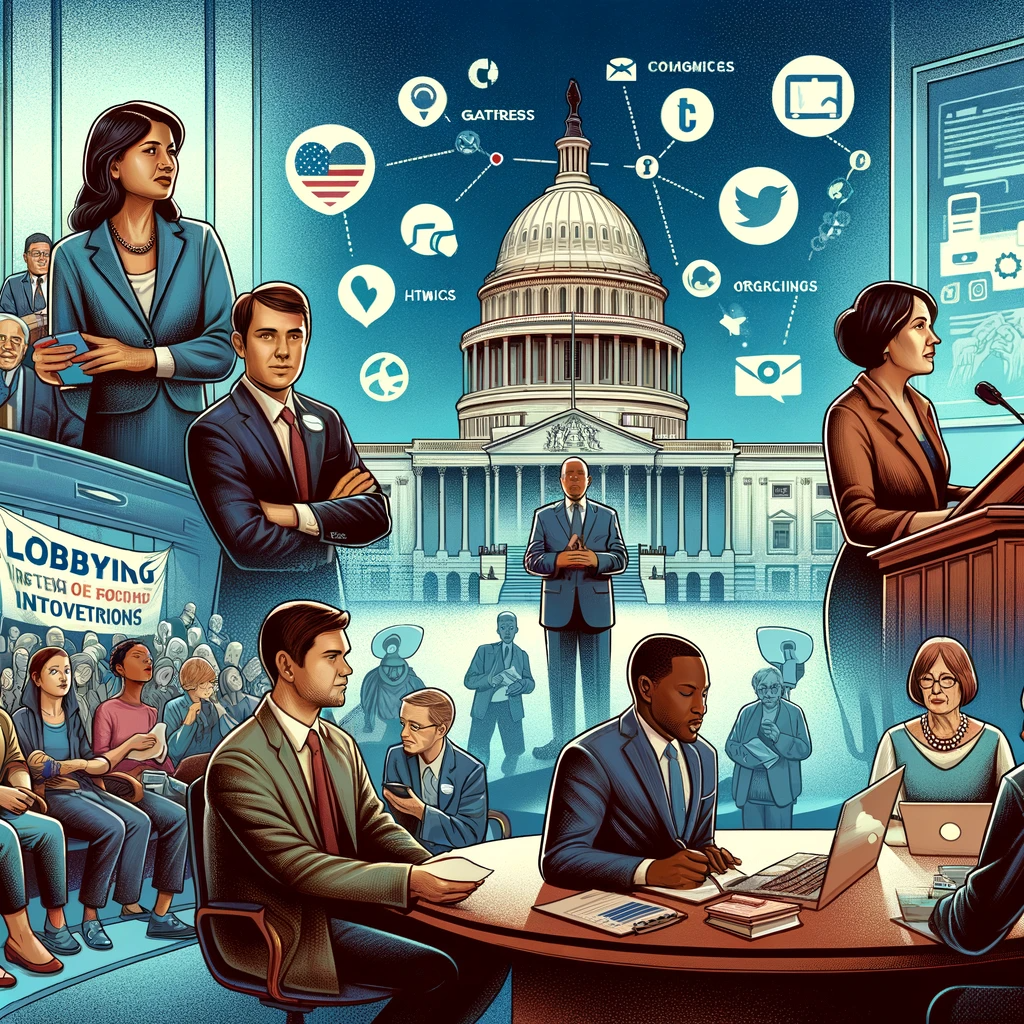
One of the primary methods used by interest groups is direct lobbying. This involves personal interactions with government officials to persuade them to support specific legislation or policy decisions. Lobbyists provide information, draft legislation, and sometimes offer expert testimony in legislative hearings. They aim to establish a rapport with policymakers and become a trusted source of information.

Grassroots Lobbying

Grassroots lobbying is another critical strategy, where interest groups mobilize public opinion to influence government policy. This can involve organizing rallies, email campaigns, social media drives, and phone banking to encourage citizens to contact their representatives about a particular issue. By demonstrating strong public support, these groups can put pressure on lawmakers to act in their favor.

Coalition Building

Building coalitions with other groups that share similar goals is an effective way for interest groups to amplify their influence. These coalitions can increase resources, combine expertise, and broaden the scope of influence. By working together, these groups can create a more formidable force in the political arena.

Use of Media

Interest groups also actively use the media to shape public opinion and attract attention to their causes. This includes publishing op-eds, issuing press releases, and conducting media campaigns. By framing issues in a certain way, they can influence public perception and create a favorable environment for their political objectives.

Engagement with the Public and Decision Makers

Public Campaigns

Interest groups often launch public campaigns to raise awareness and garner support for their causes. These campaigns can include advertising, public relations efforts, and educational programs. The goal is to shape public opinion in a way that aligns with the group’s objectives, making it easier for politicians to support their cause.

Targeted Messaging

Understanding the audience is key to effective lobbying. Interest groups tailor their messages to resonate with specific demographics, whether it’s the general public, politicians, or other stakeholders. This targeted approach ensures that their message is not only heard but also persuasive.

Why Courts Have Become a Crucial Arena for Public Interest Groups

Legal Advocacy

In recent years, courts have become an important forum for interest groups. Legal advocacy allows these groups to challenge or defend laws and regulations directly. By engaging in litigation, interest groups can bypass the legislative process, which can be slow and subject to political pressures.

Setting Legal Precedents

Court cases can set important legal precedents that have far-reaching implications. Interest groups often use litigation to create new interpretations of the law that align with their objectives. Successful court cases can lead to significant policy changes, sometimes more quickly and effectively than traditional lobbying efforts.

High Profile Cases

High profile court cases also provide a platform for interest groups to bring attention to their causes. These cases can generate significant media coverage and public interest, which can be used to mobilize support and influence public opinion.

Judicial Appointments

Interest groups also recognize the importance of judicial appointments in shaping policy outcomes. Many groups engage in advocacy related to the appointment of judges, recognizing that the judiciary’s composition can have a long-lasting impact on the legal landscape.

Interest groups are a dynamic and influential part of the political process. Their methods, ranging from direct lobbying to engaging in legal battles, demonstrate their versatility and strategic acumen in pursuing their objectives. Understanding these tactics is crucial for anyone looking to grasp the intricacies of political advocacy and influence in modern governance.

Case Studies and Real-World Examples

Case Study: Environmental Advocacy Groups

Environmental advocacy groups provide a clear example of effective interest group strategies. Organizations like the Sierra Club and Greenpeace have successfully used a combination of direct lobbying, grassroots mobilization, and legal action to influence environmental policy. They have campaigned for legislation on clean air and water, lobbied against the construction of oil pipelines, and filed lawsuits to protect endangered species. Their ability to mobilize public support through media campaigns and partnerships with other organizations has significantly impacted environmental policy.

Case Study: The National Rifle Association (NRA)

The NRA demonstrates the power of interest groups in shaping public policy, especially in the realm of gun rights and gun control. The NRA’s influence extends beyond direct lobbying; it has a significant grassroots network that mobilizes voters during elections. The NRA also engages in legal battles to protect Second Amendment rights and has been instrumental in blocking legislation aimed at gun control.

The Role of Money in Interest Group Influence

Political Action Committees (PACs)

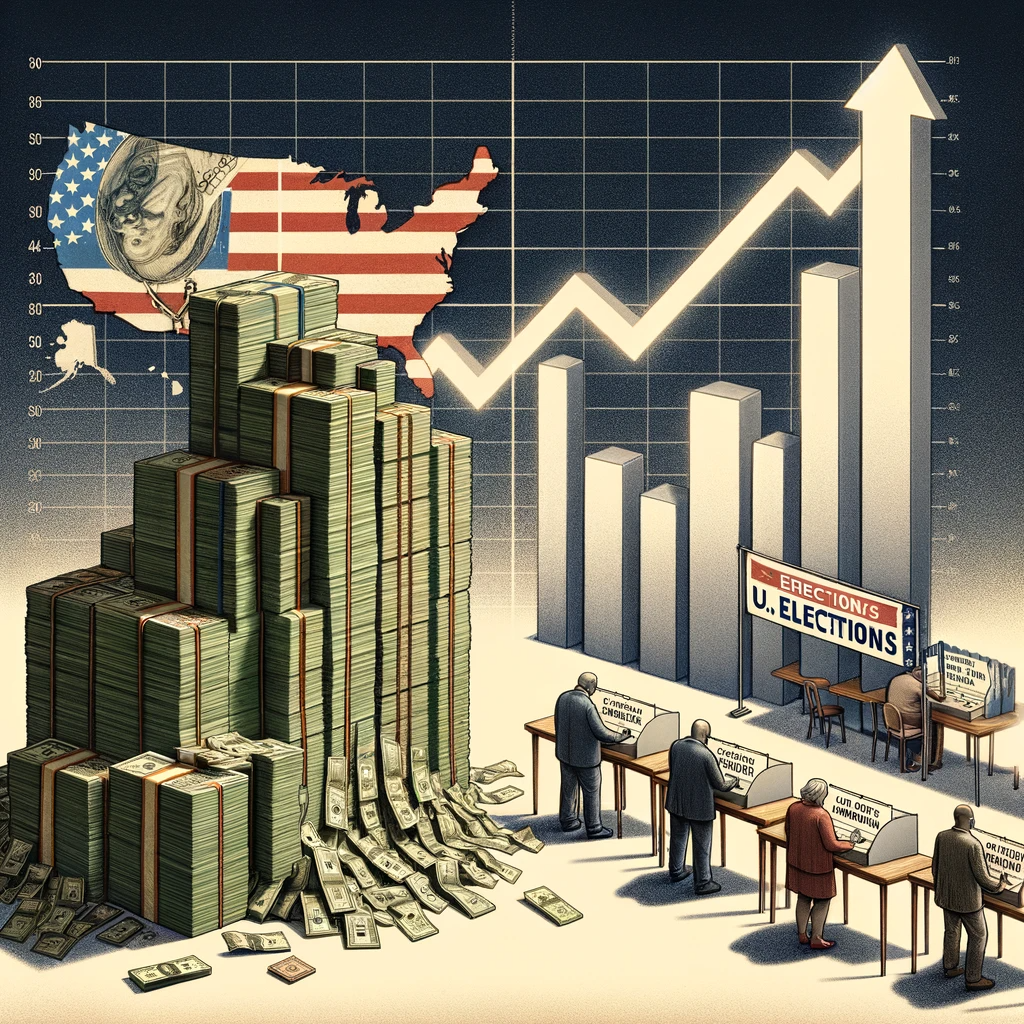
Interest groups often form PACs to raise and spend money to elect or defeat candidates. While PACs are subject to donation limits, they can still amass significant funds to support candidates who align with their interests. This financial support can be a powerful tool in gaining access to policymakers and shaping legislative priorities.

Super PACs

Super PACs, which emerged following the Citizens United v. FEC Supreme Court decision, can raise unlimited funds from corporations, unions, and individuals. They cannot contribute directly to candidates or parties but can spend unlimited amounts on independent political activities. This has allowed interest groups to wield even greater influence in the political process.

The Ethical Considerations of Interest Group Influence

Interest groups, while essential in representing various interests, also raise ethical concerns. The disproportionate influence of well-funded groups can skew policy outcomes in favor of certain interests, potentially at the expense of the public good. This has led to calls for campaign finance reform and greater transparency in lobbying activities.

The Future of Interest Groups in Politics

Looking forward, technology and social media are likely to play an increasingly significant role in the strategies of interest groups. Online platforms provide new avenues for mobilization, fundraising, and shaping public opinion. Additionally, as political landscapes evolve, interest groups will need to adapt their strategies to continue effectively influencing policy.

Conclusion

Interest groups are a fundamental part of the political landscape, employing a range of strategies to achieve their objectives. From lobbying and legal action to harnessing the power of media and public campaigns, these groups exert considerable influence on policy decisions. While they play a critical role in representing diverse interests, the balance of power and ethical implications of their influence remain areas of ongoing debate and importance in the democratic process.

Uncategorized

Post navigation

Previous Post: Interest Groups: Dynamics Between Leaders and Members
Next Post: Interest Groups: Laws, Revolving Door & Balancing Rights

Related Posts

Evolution of Journalism in U.S. Politics: Party Press to Modern Media Uncategorized
Freedom of Press vs. Government Intervention: A Critical Examination Uncategorized
Exploring Political Efficacy in America: A Generational Shift Uncategorized
American Political Culture: Influences and Class Consciousness Uncategorized
Federal vs. Centralized Governments: Key Differences & Examples Uncategorized
Factors Influencing Political Participation: An In-Depth Analysis Uncategorized
  • World History
  • Timeline of US History: Major Events from 1492 to Present
  • Glossary of Government Terms: 50 AP Gov Concepts Explained in Plain English
  • Top 10 Most Common Social Studies Exam Terms (and What They Mean)
  • Research Paper Outline Example (Template for High School & AP Research)

Navigation

  • Economics
    • Agricultural Price Supports
    • Agriculture in the United States
    • Bank Deregulation and the S&L Crisis
    • Banking and the Federal Reserve System
    • Basic Economic Concepts
    • Budgeting
    • Business Cycle
    • Business Organizations
    • Perspectives on Business Structures
    • Circular Flow Model
    • Collective Bargaining
    • Comparative Economic Systems
    • Different Types of Banks
    • Economic Growth
    • Economic Indicators
    • Economics Final Exam Review
    • Economics Links
    • Elasticity
    • Federal and State Budgeting
    • Federal Spending and National Debt
    • Free Enterprise
    • Governments Role in the Economy
    • History of Labor Unions
    • Government Protection of the Consumer
    • Income Inequality
    • Inflation
  • History Topics
    • “Robber Barons” or “Captains of Industry”
    • The 18th & 19th Amendments: Prohibition & Women’s Suffrage Explored
    • 19th Amendment – Womens Suffrrage
    • African American Reformers
    • African American Reform in the Progressive Era
    • America – Divided at Birth
    • America’s Role in WWII: Decisive Influence in War’s Outcome
    • Spanish American War: How it Forged America’s Global Dominance
    • Andrew Carnegie – Gospel of Wealth
    • Effectiveness of U.S. Antitrust Laws in Protecting Competition
    • Articles of Confederation
    • Justifications & Impacts: Policies Toward Native Americans
    • Understanding the Bill of Rights’ Protections
    • US Campaigns and Elections: Democracy’s Backbone
    • Causes of the Great Depression
    • Opposition & Responses to the New Deal: Roosevelt’s Strategy
    • Checks and Balances
    • Effectiveness of the Civil Rights Movement in U.S. Social Change
    • What Caused the Beginning of the Civil War?
    • Colonization and Mercantilism
    • Constitutional Convention
    • Constitutional Flexibility
    • Containment Policy: America’s Tactics Against Communism
    • Cooling the Cold War: From Peaceful Coexistence to Detente
    • Cooling Off: Peaceful Coexistence to Detente
    • Declaration of Independence
    • Democracy in the colonies
    • Dropping of the Atomic Bomb
    • Early Domestic Policies
    • Washington & Jefferson’s Impactful Foreign Policies
    • Reconstruction’s Impact on Freedmen’s Lives
    • Effect of Lincoln’ Death on Reconstruction
    • Effects of the Great Depression
    • Electoral College
    • Enlightenment Thinkers
    • Events Leading Up To The Revolution
    • French and Indian War
    • Government Relationship with Unions
    • How a bill becomes a law.
    • Immigration – Why they came
    • Improvement in the cities – Progressive Era
    • American Influence in Asia during the 1800s
    • John Quincy Adams and Andrew Jackson
  • History Lessons
    • Cold War Genesis: A Detailed Analysis
    • The End of the Cold War
    • FDR’s New Deal
    • Foundation of Democracy
    • The Presidency of Andrew Jackson
    • JFK versus LBJ
    • The Presidency of John Adams
    • Judicial Branch
    • Immigration in the U.S
    • Legislative Branch
    • Madison – War of 1812
    • Monopolies & Trusts: Exploring American Businesses’ Quest to Curb Competition
    • The Presidency of James Monroe
    • Judicial Review and Supreme Court Cases
    • Justification for Imperialism
    • Korematsu V. United States
    • Origins of Legalized Segregation in the South
    • Management vs Unions: Responses to Unionization in the Industrial Revolution
    • Westward Expansion: Manifest Destiny’s Impact
    • McCarthyism Explained: Politics, Fear, and Cold War Context
    • The New Deal’s Impact on Minorities in 1930s America
    • Monopolies
    • Monroe Presidency
    • New Technologies – Industrialization
    • WWI and Civil Liberties: Striking the Balance in Wartime
  • Gov & Politics
    • Elections and Campaigns – Week 9 Notes
    • Interest Groups in American Politics: A Historical Review
    • Interest Groups – Text Notes – Week Seven
    • Lecture Notes – American Political System
    • Lecture Notes – Congress – Week 11
    • Lecture Notes – Economic Policy
    • Lecture Notes – Federalism
    • Lecture Notes – The Judiciary – Week 13
    • Notes – The Bureaucracy
    • Lecture Notes – Political Culture in America
    • Political Participation
    • Political Participation – Text Notes – Week Six
    • Political Parties – Week 8 – Text Notes
  • World Cultures
    • Asian Cultures
    • African Cultures
    • European Cultures
    • Middle Eastern Cultures
    • North American Cultures
    • Oceania and Pacific Cultures
    • South American Cultures
  • Global Trends
  • Important Events
  • Social Studies Weekly
  • Cultural Celebrations
    • Ancient Civilizations
    • Architectural Wonders
    • Celebrating Hispanic Heritage
    • Celebrating Women
    • Celebrating World Heritage Sites
    • Clothing and Fashion
    • Culinary Traditions
    • Cultural Impact of Language
    • Environmental Practices
    • Festivals
    • Global Art and Artists
    • Global Music and Dance
  • Economics
    • Behavioral Economics
    • Development Economics
    • Econometrics and Quantitative Methods
    • Economic Development
    • Economic Geography
    • Economic History
    • Economic Policy
    • Economic Sociology
    • Economics of Education
    • Environmental Economics
    • Financial Economics
    • Health Economics
    • History of Economic Thought
    • International Economics
    • Labor Economics
    • Macroeconomics
    • Microeconomics
  • Important Figures in History
    • Artists and Writers
    • Cultural Icons
    • Groundbreaking Scientists
    • Human Rights Champions
    • Intellectual Giants
    • Leaders in Social Change
    • Mythology and Legends
    • Political and Military Strategists
    • Political Pioneers
    • Revolutionary Leaders
    • Scientific Trailblazers
    • Explorers and Innovators
  • Global Events and Trends
  • Regional and National Events
  • World Cultures
    • Asian Cultures
    • African Cultures
    • European Cultures
    • Middle Eastern Cultures
    • North American Cultures
    • Oceania and Pacific Cultures
    • South American Cultures
  • Privacy Policy

Copyright © 2025 SOCIALSTUDIESHELP.COM. Powered by AI Writer DIYSEO.AI. Download on WordPress.

Powered by PressBook Grid Blogs theme