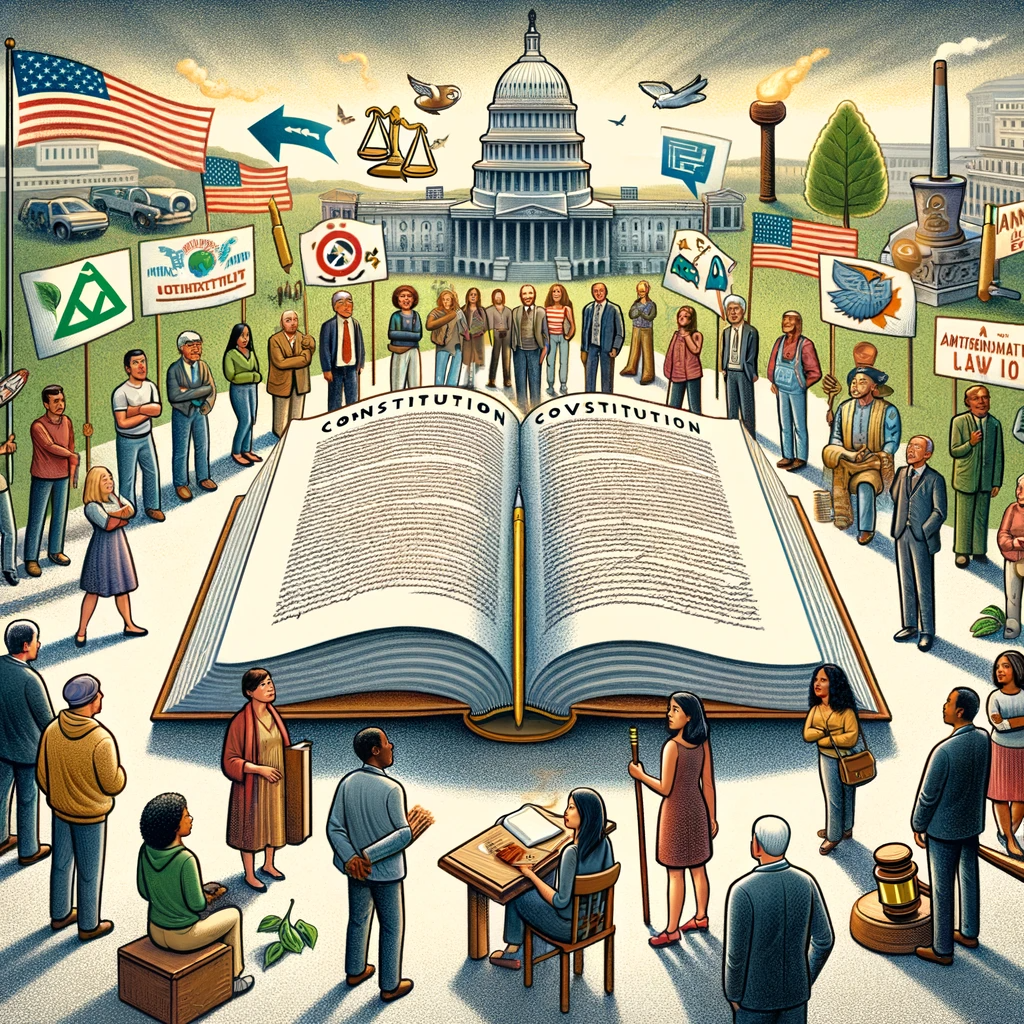
The landscape of political campaigns in the United States has undergone a significant transformation from the 19th century to the present day. This change reflects a shift from party-oriented campaigns, which dominated the political scene in the 19th century, to the candidate-oriented campaigns that are prevalent today. Understanding this evolution is crucial for grasping the dynamics of modern political campaigns and elections.
The Party-Oriented Campaigns of the 19th Century
In the 19th century, political campaigns in the United States were predominantly party-oriented. This approach was characterized by a strong emphasis on the political party rather than individual candidates. Political parties were the primary organizing force in elections, and their influence pervaded every aspect of the campaign process.
- Party Machines and Patronage: Party machines, powerful organizations within political parties, played a central role in 19th-century campaigns. They were responsible for mobilizing voters, organizing rallies, and ensuring voter loyalty. Patronage, the practice of rewarding loyal party members with government positions, was a common strategy used by party machines to maintain control and influence.
- Limited Direct Voter Engagement: During this period, there was limited direct engagement between the candidates and the voters. Candidates rarely campaigned in person, and when they did, it was often through highly orchestrated events. Instead, the party machinery was responsible for voter outreach and education.
- Focus on Party Ideology and Platform: The campaigns were more focused on party ideology and platform than on the personal attributes or policy positions of individual candidates. Voters were expected to support the party’s stance as a whole, rather than the nuances of a particular
candidate’s views.
Transition to Candidate-Oriented Campaigns
The transition from party-oriented to candidate-oriented campaigns began in the early 20th century and gained momentum throughout the century. This shift was driven by several factors:
- Rise of Mass Media: The advent of radio, television, and later the internet, fundamentally changed how campaigns were conducted. Candidates now had platforms to address voters directly, making personal charisma and image more important than party affiliation.
- Primary Elections: The introduction of primary elections weakened party control over the nomination process. Candidates now had to appeal directly to voters in primaries, rather than relying solely on party delegates.
- Changes in Campaign Finance: Evolving laws and practices in campaign finance also contributed to the shift. The rise of individual campaign contributions and, later, Political Action Committees (PACs), reduced the financial dependence of candidates on party apparatus.
Elements of a Successful Modern Campaign
In today’s candidate-oriented campaigns, several elements are crucial for success:
- Personal Branding: A candidate’s personal image and brand are critical. This includes not only their political positions but also their personal story, charisma, and public persona.
- Media Strategy: Effective use of media, both traditional and digital, is essential. This involves not only advertising but also managing public relations and harnessing social media platforms for outreach and engagement.
- Data-Driven Campaigning: Modern campaigns heavily rely on data analytics to target voters, tailor messages, and optimize resource allocation. Understanding voter demographics, preferences, and behavior is key to effective campaigning.
- Ground Game: Despite the rise of digital campaigning, traditional ground efforts like door-to-door canvassing, phone banking, and community engagement remain vital. These efforts are essential for voter mobilization and turnout.
- Fundraising: Robust fundraising is necessary to finance the high costs of modern campaigns, including media buys, staff salaries, and campaign operations. Candidates often spend a significant portion of their time fundraising.
- Policy Positioning: While personal branding is important, clear and compelling policy positions are also crucial. Voters expect candidates to articulate their stances on key issues and provide viable solutions.
- Debate and Public Speaking Skills: The ability to effectively communicate in debates and public speaking events is crucial. These forums provide candidates with opportunities to reach a wide audience, showcase
their competence, and differentiate themselves from their opponents.
Conclusion
The evolution from party-oriented to candidate-oriented campaigns reflects broader changes in society, technology, and the political landscape. While 19th-century campaigns were defined by party allegiance and machine politics, modern campaigns center on individual candidates, their personal brand, and their ability to connect with voters through various media. Understanding this shift is essential for anyone looking to engage in or analyze political campaigns in the contemporary context.
In conclusion, the key to a successful campaign in today’s political environment lies in a candidate’s ability to effectively combine personal branding, strategic media use, data-driven insights, robust fundraising, and compelling policy proposals. This multifaceted approach, together with traditional campaign methods like ground game efforts, enables candidates to reach and resonate with a diverse electorate, ultimately determining their success at the polls.
Detailed Insights and Examples of Modern Campaign Strategies
As we delve deeper into the elements of successful modern political campaigns, it’s helpful to consider specific examples and strategies that have proven effective in recent electoral contests.
Personal Branding: The Obama and Trump Campaigns
Two striking examples of successful personal branding in recent U.S. political history are the campaigns of Barack Obama and Donald Trump. Obama’s 2008 campaign was built around the themes of “Hope” and “Change,” appealing to a desire for a new direction in American politics. His personal story as a biracial individual with a multicultural background resonated with many voters seeking a break from traditional political norms.
Similarly, Donald Trump’s 2016 campaign capitalized on his image as an outsider and successful businessman. His slogan “Make America Great Again” resonated with voters who felt left behind by globalization and economic change. Both campaigns demonstrate how a strong personal brand can mobilize voter support and create a lasting impact on the political landscape.
Media Strategy: Harnessing Social Media
Modern campaigns have increasingly turned to social media as a primary tool for reaching voters. Platforms like Twitter, Facebook, and Instagram allow candidates to communicate directly with the electorate, bypassing traditional media gatekeepers. Alexandria Ocasio-Cortez’s use of Instagram Live and Twitter to engage with voters is a prime example of effective social media strategy. Her approach has helped her build a significant following, especially among younger voters.
Data-Driven Campaigning: The Role of Analytics
Data analytics played a pivotal role in the 2012 Obama reelection campaign. The campaign’s analytics team used sophisticated data models to target swing voters and optimize ad spending. They analyzed vast amounts of data to determine which messages were most effective with different demographic groups, leading to highly personalized and effective voter outreach.
Fundraising: Small Donations and Online Platforms
Bernie Sanders’ presidential campaigns demonstrated the power of small-dollar donations. By leveraging online platforms, Sanders was able to raise substantial funds from a large number of donors, with an average donation size notably smaller than typical campaign contributions. This approach not only provided financial resources but also helped build a grassroots movement of engaged supporters.
Policy Positioning: Elizabeth Warren’s Campaign
Elizabeth Warren’s presidential campaign in 2020 was marked by her phrase, “I have a plan for that.” Her campaign focused on detailed policy proposals on a range of issues from healthcare to financial reform. This approach highlighted her expertise and appealed to voters looking for substantive policy discussions.
Ground Game: Traditional Tactics in the Digital Age
Despite the rise of digital tools, traditional ground game tactics remain crucial. The 2020 U.S. Senate runoffs in Georgia, where grassroots organizing, door-to-door canvassing, and community engagement played a significant role, underscore the continuing importance of these methods, especially in close races.
Concluding Thoughts
The evolution from party-oriented to candidate-oriented campaigns reflects a broader shift in American politics, driven by changes in technology, society, and voter expectations. Successful modern campaigns require a sophisticated blend of personal branding, media strategy, data analytics, fundraising prowess, clear policy positioning, and traditional ground game tactics.
As the political landscape continues to evolve, these elements will likely continue to shape how candidates campaign and how voters make their choices at the polls. Understanding these dynamics is not only crucial for political practitioners but also for voters seeking to make informed decisions in a complex and ever-changing electoral environment.