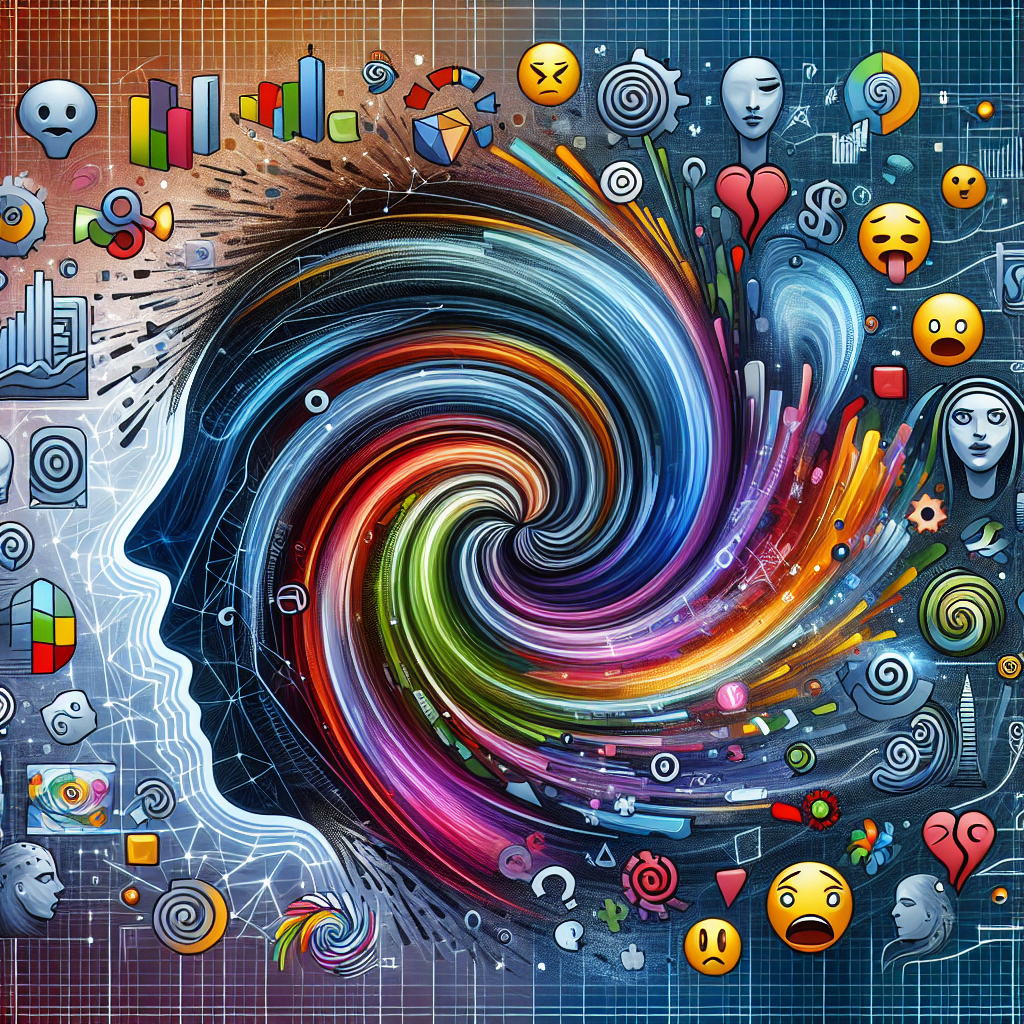
Behavioral Economics is a field that blends insights from Psychology and Economics to explain why people sometimes make irrational financial decisions. Traditional economic theories often assume that individuals act rationally, consistently seeking to maximize their utility. However, reality paints a different picture. Human beings frequently exhibit behaviors that defy logical economic principles, influenced by emotions, cognitive biases, and social factors. Take, for instance, the impact of fear and greed on financial markets. Despite having access to the same financial data, investors may react differently—one driven by the fear of losing money, another by the greed for higher returns. Similarly, consider the simple act of purchasing a cup of coffee. While it may seem straightforward, the choice of which coffee to buy can be swayed by a myriad of factors such as brand loyalty, social status, or even mood. In recent years, researchers have delved deeply into understanding the psychological underpinnings of economic behavior. The groundbreaking work of Daniel Kahneman and Amos Tversky introduced concepts such as loss aversion and prospect theory, revealing that people are more sensitive to losses than to gains. These findings earned Kahneman a Nobel Prize in Economics and opened the floodgates for further interdisciplinary research. This article aims to delve into various aspects of Behavioral Economics, exploring how emotions and psychological factors shape economic decision-making. From heuristics and biases to the role of social influence and emotional states, this comprehensive guide provides a nuanced understanding of why we make the economic choices we do.
Heuristics and Cognitive Biases
One of the foundational concepts in Behavioral Economics is the role of heuristics and cognitive biases in decision-making. Heuristics are mental shortcuts or rules of thumb that people often use to make complex decisions more manageable. While these shortcuts can be useful, they also lead to systematic errors or cognitive biases. Such biases include overconfidence, anchoring, and confirmation bias. Overconfidence occurs when individuals believe they know more than they actually do, leading them to take excessive risks. For instance, an overconfident investor might ignore warning signs and continue to invest in a failing stock. Anchoring involves relying too heavily on the first piece of information encountered, which can skew subsequent judgments. For example, if a person sees a high initial price on a product, they might perceive subsequent lower prices as bargains, even if the lower prices are still relatively high. Confirmation bias is the tendency to search for, interpret, and remember information that confirms one’s preexisting beliefs, while ignoring contradictory evidence. Understanding these biases can aid in making more informed economic decisions. However, overcoming them requires continuous effort and awareness, as well as the implementation of strategies designed to mitigate their impact.
Emotional States and Economic Choices
Emotional states significantly influence economic decision-making. Happiness, sadness, stress, and anger can all steer our choices in different directions. For instance, studies have found that people in a positive mood are more likely to engage in self-indulgent spending. On the other hand, stress may compel individuals to prioritize short-term gains over long-term benefits. Take the concept of “retail therapy” as an example. This form of shopping sprees is often a response to emotional distress. While it provides short-term relief, the long-term economic consequences can be severe, leading to debt and financial instability. Similarly, emotions like fear and anxiety can lead to conservative financial behavior, such as hoarding cash or avoiding investments altogether, which might not be optimal in the long run. Behavioral economists argue that understanding the role of emotions can help in designing better financial products and policies that account for emotional states. For example, automatic savings plans can help people save money without requiring them to make emotionally charged decisions each month.
Social Influence and Economic Decisions
Social influence plays a pivotal role in shaping economic behavior. Peer pressure, social norms, and cultural factors can all impact individual choices. For example, the fear of missing out (FOMO) can drive people to invest in risky assets or participate in speculative bubbles, such as the cryptocurrency craze. Moreover, social proof, the idea that people tend to follow the actions of others, can heavily influence consumer behavior. Marketing strategies often leverage this by showcasing customer testimonials and reviews. If a product or investment is perceived to be popular, it is likely to attract more buyers. Understanding social dynamics can aid in everything from marketing strategies to policy-making. For instance, public health campaigns aimed at reducing smoking or encouraging healthy eating often use social proof by highlighting the growing number of people adopting healthier lifestyles.
The Role of Trust in Economic Transactions
Trust is a cornerstone of economic transactions. Whether it’s trusting a brand, a financial advisor, or an entire economic system, the level of trust can significantly impact economic behavior. High levels of trust can facilitate economic activities by reducing the perceived risks involved. Conversely, a lack of trust can stymie economic interactions, as seen in crisis scenarios like financial meltdowns or corporate scandals. Trust can be built through various means such as consistent quality, transparency, and social proof. Companies that are transparent about their operations and consistently deliver quality products tend to earn consumer trust more easily. In financial markets, institutions with a history of stability and integrity tend to attract more investors. Interestingly, trust is not just about individual relationships but can also be influenced by broader social and economic environments. High levels of societal trust often correlate with stronger economic performance and lower levels of corruption.
Nudging: Subtle Changes, Significant Impact
The concept of “nudging,” popularized by Richard Thaler and Cass Sunstein, involves designing choices in a way that nudges individuals towards more optimal decisions without restricting their freedom of choice. Nudges can be as simple as changing the default option in a retirement savings plan from opt-in to opt-out. This small change significantly increases participation rates in retirement savings programs. Nudges work by leveraging cognitive biases and behavioral tendencies. For instance, people tend to stick with default options due to inertia or procrastination. By setting beneficial defaults, policymakers and companies can significantly impact economic behavior. Another example is placing healthier food options at eye level in cafeterias to encourage better dietary choices. While nudging has its critics, who argue it can be paternalistic, its effectiveness in areas like public health, finance, and environmental conservation makes it a valuable tool in the Behavioral Economics toolkit.
Conclusion
Understanding the interplay between emotions and economic behavior requires a multi-faceted approach, blending insights from psychology, sociology, and traditional economic theory. Heuristics and cognitive biases reveal how mental shortcuts can lead to irrational decisions. Emotions such as happiness and stress demonstrate the profound impact of psychological states on economic choices. Social influences underscore the role of cultural and peer dynamics in shaping behavior. The concept of trust highlights its foundational importance in economic systems. And finally, nudging showcases how subtle design changes can steer individuals towards better decisions. Behavioral Economics not only helps in understanding the “why” behind certain economic behaviors but also offers practical solutions for policymakers, businesses, and individuals. By acknowledging that humans are not always rational actors, it provides a more nuanced, and perhaps more human, framework for understanding and improving economic outcomes. As we continue to explore and understand these dynamics, we move one step closer to creating economic systems that are not just efficient but also equitable, fair, and supportive of human well-being.