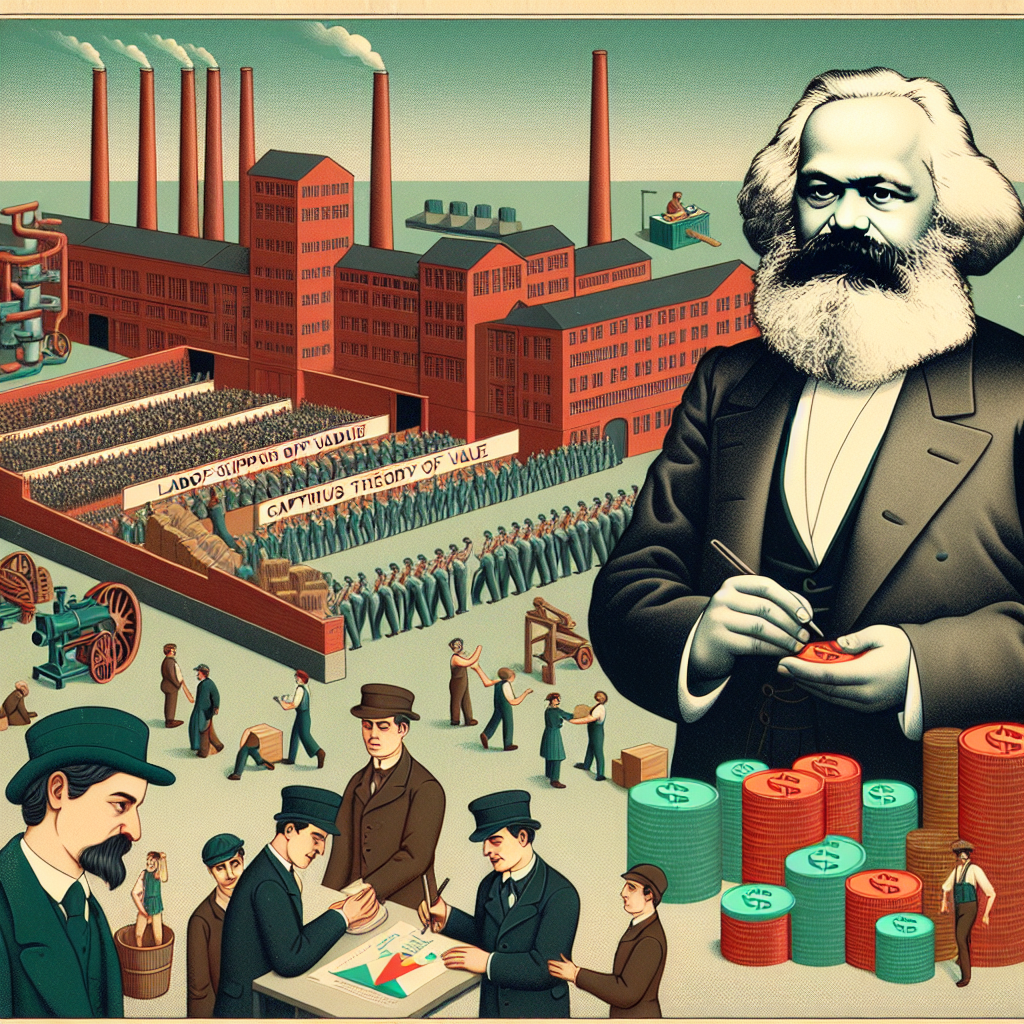
Economic sociology, a fascinating junction between economics and sociology, provides a nuanced understanding of markets beyond traditional economic theories. Often confined to numerical analysis and model-based predictions, economics tends to overlook the intricacies of human behavior, social norms, and institutional influences impacting market operations. Enter economic sociology, a realm that sheds light on how social structures and cultural norms weave into and influence economic outcomes. This field endeavors to explain how market behaviors are shaped by social interactions and cultural norms, providing a broader perspective on how economics functions in real-world settings.
Broadly speaking, economic sociology seeks to understand the interconnectedness of economic actions and social structures. It accentuates the importance of social institutions and norms in influencing market activity, contrasting the often cold, impersonal equations of classical economics. This perspective provides a comprehensive view that accommodates the unpredictable nature of human behavior, shifts in societal norms, and the influence of historical contexts. As markets are not isolated from the web of social relationships and institutional frameworks, economic sociology offers a robust blueprint for analyzing and comprehending these complex interactions.
This comprehensive exploration covers various aspects of economic sociology, delving into how institutions, norms, and power dynamics underlie market operations. It investigates the critical role played by social relationships and cultural understandings, transcending the boundaries of conventional economic analysis. Through the lens of economic sociology, we uncover the social scaffolding supporting market systems, enhancing our understanding of market behaviors and aids in predicting future economic trends more effectively. Whether you are an economist, a sociologist, or an interested observer, this discussion promises to enrich your perspective on the complex world of market dynamics.
Understanding Economic Sociology
The foundational principles of economic sociology rest on the belief that economic actions are deeply embedded in social structures and thus influenced by cultural practices, norms, and values. Unlike traditional economics, which often assumes rational and self-interested behavior, economic sociology investigates the social context that shapes these behaviors. This interplay between economics and sociology emerges most prominently within markets, where social relationships and exchanges significantly impact economic outcomes.
In economic sociology, institutions such as laws, norms, and contracts serve as vital components that shape market behavior. Institutions provide frameworks within which economic activities occur, enforcing rules and regulations that guide market participants. They establish order and predictability, facilitating smoother transactions and creating trust among stakeholders. Moreover, these institutions are not static; they evolve as society’s collective understanding and practices change, influencing market dynamics significantly.
Furthermore, economic sociology acknowledges the role of networks and relationships in shaping markets. Social networks often dictate access to valuable information and resources, influencing decision-making processes within market environments. These networks determine not only who gains market entry but also who prospers within the marketplace. Therefore, a strong emphasis is placed on the social capital embedded within these networks, further reinforcing the interconnectedness of human behavior and economic outcomes.

The Role of Institutions in Market Dynamics
Institutions form the backbone of market systems, providing the necessary infrastructure for transactions, exchanges, and economic activities. They include formal structures like governments, legal systems, financial regulations, and informal norms and conventions that permeate market operations. Understanding how these institutions shape market behaviors is essential in comprehending the broader economic landscape.
Formal institutions, such as banking systems and property rights, offer a framework within which markets operate, ensuring stability and fostering economic growth. These institutions provide mechanisms for reducing transaction costs and preventing fraud, thus enhancing efficiency and facilitating market integration. By establishing rules and guidelines, they ensure conformity and compliance among market players, thereby minimizing uncertainty and fostering trust.
Conversely, informal institutions, including cultural norms, values, and traditions, play a pivotal role in shaping market dynamics by influencing consumer behaviors and attitudes toward economic activities. These cultural norms manifest in buyer preferences, brand perceptions, and consumer trust levels, impacting market outcomes in subtle yet significant ways. As societies evolve, these norms and values change, creating dynamic market environments that require adaptability and responsiveness from market participants.
Norms and Their Impact on Economic Behavior
Norms, the unwritten rules of society, profoundly influence economic behavior by guiding decision-making processes and shaping market interactions. These norms, built upon shared values and cultural understandings, dictate acceptable and expected behaviors within a market context. By understanding norms, businesses and institutions can better navigate the intricate social terrains influencing economic activities.
In economic sociology, norms govern the ethical dimensions of market operations, impacting everything from corporate social responsibility to consumer rights. They serve as an informal regulatory mechanism, exerting pressure on businesses to adhere to societal expectations and ethical practices. For example, the growing emphasis on environmental sustainability and ethical consumerism is reshaping industries, driven by shifting norms that prioritize eco-friendly practices and responsible consumption.
Moreover, norms influence market competition by establishing standards of excellence and performance. Companies strive to surpass these benchmarks, fostering innovation and enhancing quality. However, deviating from these norms can lead to reputational damage and consumer backlash, highlighting their powerful role in maintaining market stability and consumer confidence. Understanding the intricate dance between norms and economic behavior is crucial for businesses aiming to thrive in an ever-changing market landscape.
Power Dynamics in Market Sociology
Power dynamics represent a central theme in economic sociology, underscoring the influence and authority of individuals, organizations, and institutions within market environments. Power dictates the allocation of resources, access to opportunities, and the bargaining capabilities of market participants. Recognizing these dynamics is crucial for understanding market hierarchies and structures.
Power in markets is often reflected in the dominance of certain actors, such as monopolistic corporations, which possess the ability to influence prices, control supply chains, and dictate market trends. These entities wield significant market power, shaping consumer behaviors and stifling competition. Consequently, the distribution of power affects economic outcomes, creating imbalances that necessitate regulatory interventions to restore market equilibrium.
Simultaneously, power dynamics within consumer segments and social classes influence consumption patterns and access to resources. Socioeconomic disparities impact purchasing power and market participation, highlighting the importance of equitable access to opportunities. Economic sociology offers a lens through which these power imbalances can be analyzed, fostering policies and strategies aimed at addressing inequalities and promoting fair market practices.
The Societal Impact of Market Dynamics
Market dynamics, through the prism of economic sociology, exert a profound influence on societal structures and cultural landscapes. As markets evolve, they not only impact economic indicators but also societal values and cultural trends, reflecting the deeply intertwined relationship between economy and society.
One significant societal impact is the transformation of consumer cultures, where individual preferences and buying behaviors are shaped by evolving market trends. These cultural shifts are fueled by technological advancements, global trade, and changing social norms, all of which influence consumer identities and lifestyle choices. Markets thus become catalysts for cultural change, perpetuating new social norms and values that redefine societal constructs.
Moreover, economic sociology highlights the role of markets in shaping social identity and group dynamics, as market participation often mirrors social status and class distinctions. Access to certain goods and services becomes a marker of identity, influencing individual self-perception and societal recognition. By analyzing these interactions, economic sociology provides insights into the broader implications of market operations on social cohesion and community development.
Conclusion: Embracing Economic Sociology
In bridging the realms of economics and sociology, economic sociology offers invaluable insights into understanding market dynamics and the broader societal influences that shape them. It challenges the conventional economic models by incorporating the complexity of human behavior, social interactions, and cultural norms that drive economic activities.
Through its focus on institutions, norms, and power dynamics, economic sociology extends our comprehension of how markets function within the larger social context. It uncovers the layered structures that support market operations, providing a holistic view of the forces influencing economic outcomes. In an age where globalization and cultural diversity redefine market landscapes, embracing economic sociology becomes imperative for policymakers, businesses, and scholars intent on comprehending the multifaceted nature of modern economies.
As markets continue to evolve in response to technological advancements, social changes, and global challenges, the relevance of economic sociology intensifies. It acts as a guiding framework for navigating the complexities of globalized economies and understanding the delicate balance between economic growth and social welfare. By integrating economic sociology into contemporary discussions, we enrich our understanding of market dynamics, ultimately fostering a more inclusive, equitable, and sustainable economic future.