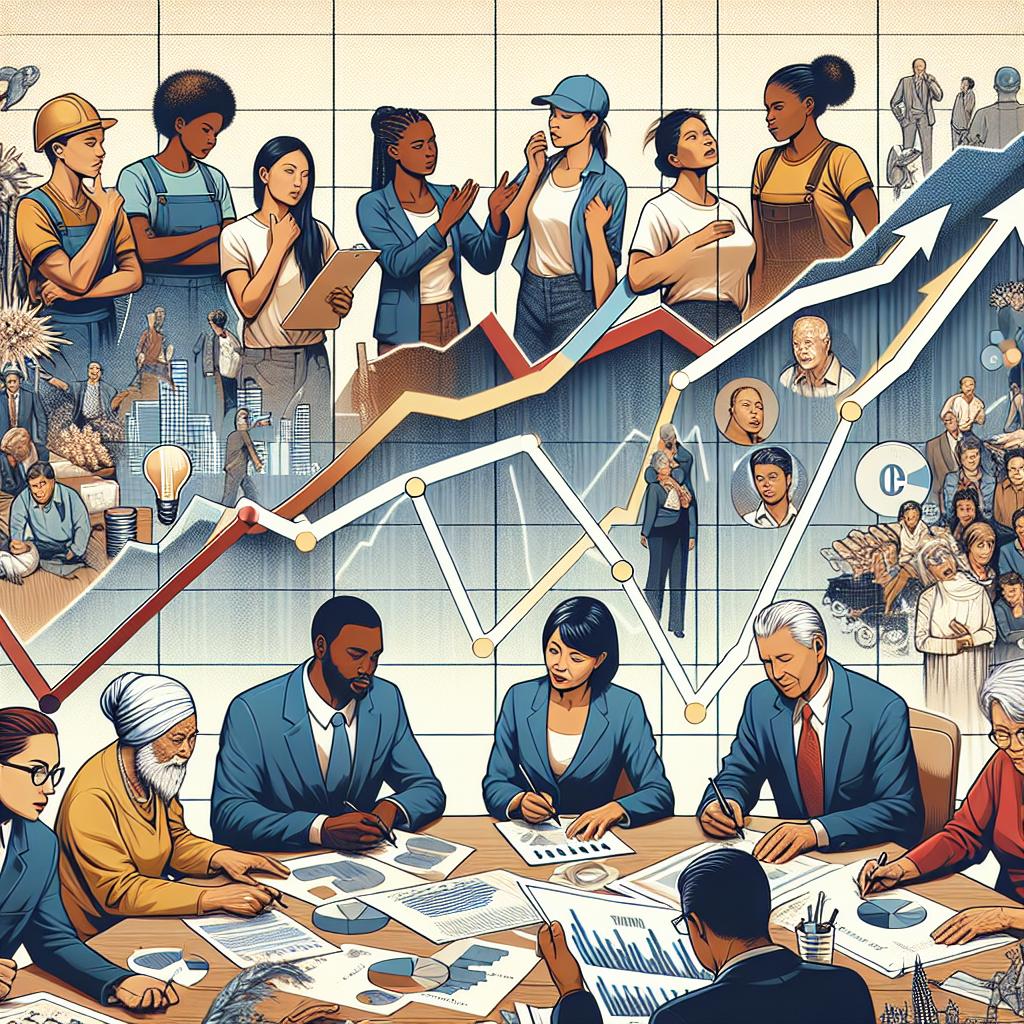
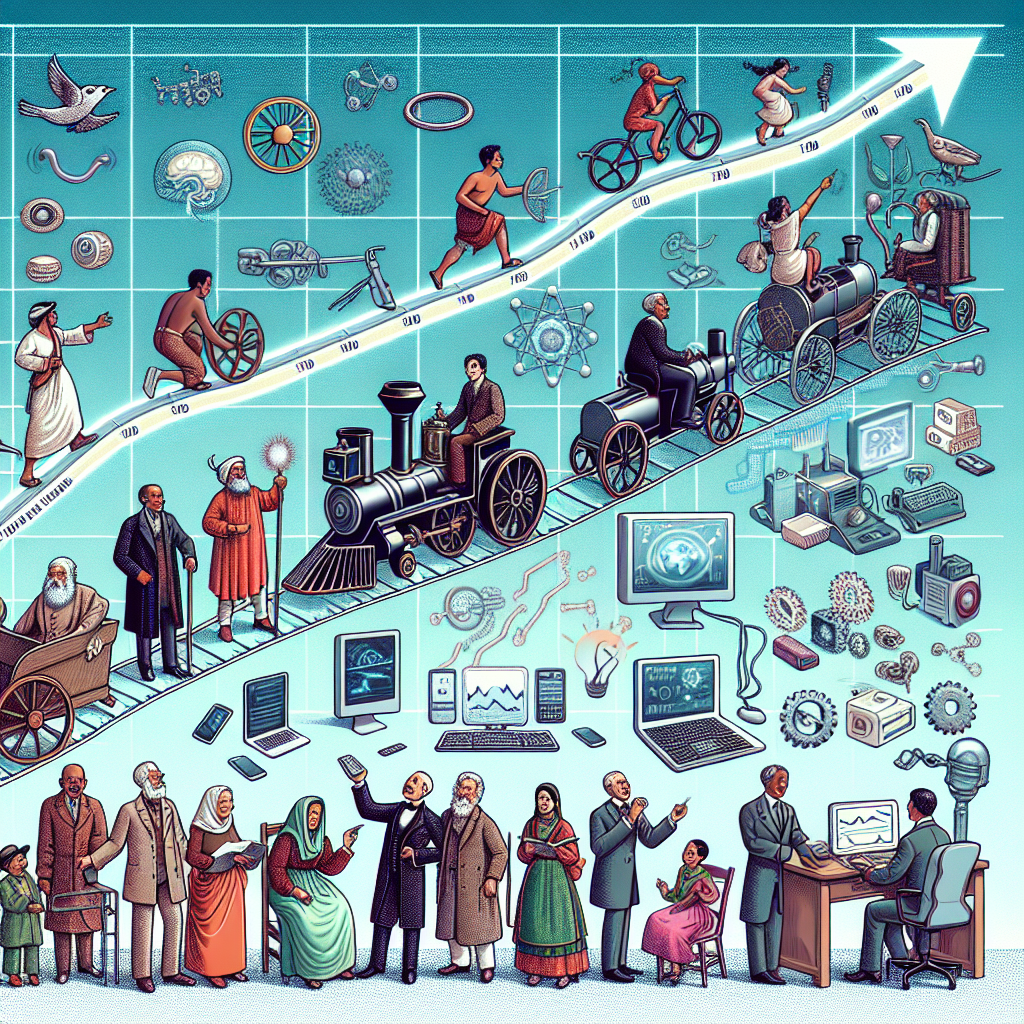
The world we live in today has been significantly shaped by technological innovations over the centuries. From the Industrial Revolution to the advent of the internet, technological advancements have been a cornerstone of economic growth. These innovations not only improve productivity but also pave the way for new industries and job creation. Understanding the economic history of technological innovations offers valuable insights into how certain technologies have propelled economic growth and development.
The journey of technological innovation and its contribution to economic growth has been a dynamic and ever-evolving process. As new technologies have emerged, they have often disrupted existing industries while giving rise to new ones. This continual progression of technology has been a primary driver of economic change. In this article, we will explore multiple instances in history where technological breakthroughs have spurred economic growth, from early mechanization to the rise of digital technology.
We will also delve into the socio-economic impacts these advancements have had on job creation, productivity, and living standards. As we examine each major technological milestone, we’ll see how innovations not only changed economies but also transformed societies globally. The future of technology and its potential economic impacts remains a topic of keen interest, emphasizing the importance of understanding how past innovations have laid the groundwork for today’s technological ecosystem.
The Industrial Revolution: A Catalyst for Economic Change
The late 18th and early 19th centuries bore witness to one of the most transformative periods in economic history: the Industrial Revolution. Originating in Great Britain, this era marked the shift from agrarian economies to industrialized and mechanized systems of production. The revolution was driven by significant technological advances, such as the steam engine, mechanized looms, and innovations in metalworking.
The introduction of the steam engine, for instance, revolutionized both manufacturing processes and transportation. Factories powered by steam engines dramatically increased the output and efficiency of production, leading to economies of scale that had never before been realized. At the same time, steam-powered locomotives and ships improved the movement of goods and people, facilitating wider markets and leading to economic integration across regions.
The mechanization of the textile industry was another pivotal development of this era. The spinning jenny, water frame, and power loom exponentially increased the production capacity and quality of textiles, which were a significant sector in the economy. This mechanization not only lowered costs and increased production but also generated new employment opportunities, albeit with shifting labor dynamics.
The Industrial Revolution set the stage for unprecedented economic growth, urbanization, and societal change. As a result, it laid the foundational groundwork for the economic structures that characterized the modern industrialized world. This period highlighted the power of technological innovation as a driving force behind economic expansion and social transformation.
Technological Advancements in the 20th Century
The 20th century was marked by an accelerated pace of technological innovation, influencing nearly every aspect of economic activity. The inventions and developments during this century primarily stemmed from scientific research and transformed industries, from manufacturing to services. Technologies such as electricity, automobiles, and telecommunication networks rewired economic landscapes globally.
The widespread availability of electricity catalyzed productivity across diverse sectors. Factories could now operate at night, production processes became automated, and new appliances reshaped domestic life, enhancing efficiency in business and personal contexts. Information technology and telecommunications also began to take root, heralding radical changes in how businesses operate and compete.
The automobile industry, notably led by pioneers like Henry Ford, redefined mass production with the assembly line model. This advancement significantly reduced the cost of manufacturing vehicles, making them accessible to a broader population and sparking a boom in related sectors such as steel, oil, and road construction. It created a ripple effect of economic growth that extended beyond the auto industry itself.
The mid-20th century introduction of the computer altered the economic landscape in ways that were initially unpredictable. Early computers automated complex calculations, gradually evolving into indispensable tools in business and commerce. By the end of the century, emerging digital technologies were setting the stage for what would become a digital economic revolution in the 21st century.
The Internet and the Digital Economy
The inception and rapid advancement of the internet have given rise to the digital economy, arguably one of the most transformative periods in recent economic history. The internet has fundamentally altered how businesses operate, how consumers purchase goods and services, and how information is disseminated and consumed.
Since the 1990s, the internet has facilitated the growth of e-commerce, which has redefined the retail industry by connecting consumers and businesses globally. Companies like Amazon and Alibaba have capitalized on this shift, demonstrating new business models focused on direct to consumer and digital services. This technological integration has lowered barriers to entry for new businesses, fostering innovation and competition.
The digital economy also extends into financial services with fintech innovations revolutionizing transactions, lending, and investments. Blockchain technology and digital currencies like Bitcoin showcase the potential for even more radical shifts in how we conceptualize and utilize money.
Businesses across sectors have embraced digital tools not only to improve operational efficiency but also to expand their market reach and innovate in product offerings. Digital platforms for remote work have reshaped office dynamics and workforce geographies, particularly highlighted during the COVID-19 pandemic, demonstrating the flexibility and resilience provided by digital innovations.
The Role of Technological Innovation on Employment
Technological advancements have consistently reshaped employment landscapes, sparking both job creation and displacement. While technology enhances productivity and creates new industries, it often disrupts traditional jobs, necessitating workforce adaptation. This duality can be traced back to historical innovations, from the mechanization during the Industrial Revolution to today’s cutting-edge AI and machine learning technologies.
The introduction of automation in manufacturing resulted in significant efficiency gains but also led to the decline of certain manual labor jobs. However, as old jobs disappeared, new specialized roles emerged, requiring different skill sets. The contemporary digital economy reflects this ongoing cycle—whereas technologies like AI and robotics reduce the need for routine tasks, they simultaneously create demand for high-skilled jobs in technology management, digital marketing, and data science.
Additionally, technological diffusion has facilitated the gig economy, offering flexible working conditions and new employment opportunities. Platforms like Uber and Upwork have changed how employers and workers connect, challenging traditional labor models and necessitating regulatory adjustments.
Understanding how technology affects employment requires a nuanced analysis of job dynamics, skills evolution, and policy interventions. The focus has shifted towards upskilling and reskilling the workforce to meet the changing demands of future job markets, guided by the ongoing trajectory of technological advancement.
Technological Innovation and Global Economic Integration
Technological innovation has profoundly influenced global economic integration, transforming how countries engage in trade, investment, and cultural exchange. Innovations in communication and transportation have been particularly instrumental in breaking down geographic and temporal barriers, facilitating a more interconnected global economy.
The rise of the internet and digital communication technologies has enabled instantaneous cross-border exchanges of information and services. These advancements have supported the growth of global supply chains, allowing businesses to optimize production processes by utilizing resources and labor from different parts of the world. For instance, a product might be designed in Europe, manufactured in Asia, and sold in North America, exemplifying the global integration enabled by technology.
International trade has also been significantly transformed by technological advances. Modern logistics, powered by innovations in transportation and warehouse management systems, has accelerated the movement of goods across borders, reducing costs and increasing efficiency. Containerization, a mid-20th-century innovation, played a crucial role in standardizing global shipping practices, thereby boosting international trade.
While technological innovation facilitates global economic integration, it also poses challenges such as the digital divide and data privacy concerns. However, it remains a pivotal force in advancing globalization, underscoring the need for policies that maximize benefits while mitigating risks associated with technological progress in a global economy.
Conclusion
The economic history of technological innovations is a testament to the transformative power of human creativity and ingenuity. From the industrial breakthroughs of the 18th century to the digital revolution of the 21st century, technological advancements have significantly contributed to economic growth and societal development. The patterns of innovation underline a consistent theme: while technology disrupts existing systems, it simultaneously creates new opportunities for growth and progress.
As we look to the future, it is crucial to leverage the lessons learned from historical technological breakthroughs to inform policy and strategic decisions. Ensuring equitable access to future technologies will be vital in maximizing their potential for inclusive economic growth. As new technologies like artificial intelligence, quantum computing, and biotechnology mature, their impacts will not only reshape industries but also redefine social and economic paradigms.
The history of innovation teaches us that adaptation and evolution are necessary corollaries to technological advancement. By understanding past innovations, today’s leaders, policymakers, and educators can better prepare societies for the next wave of technological changes and the new economic challenges and opportunities they will present.