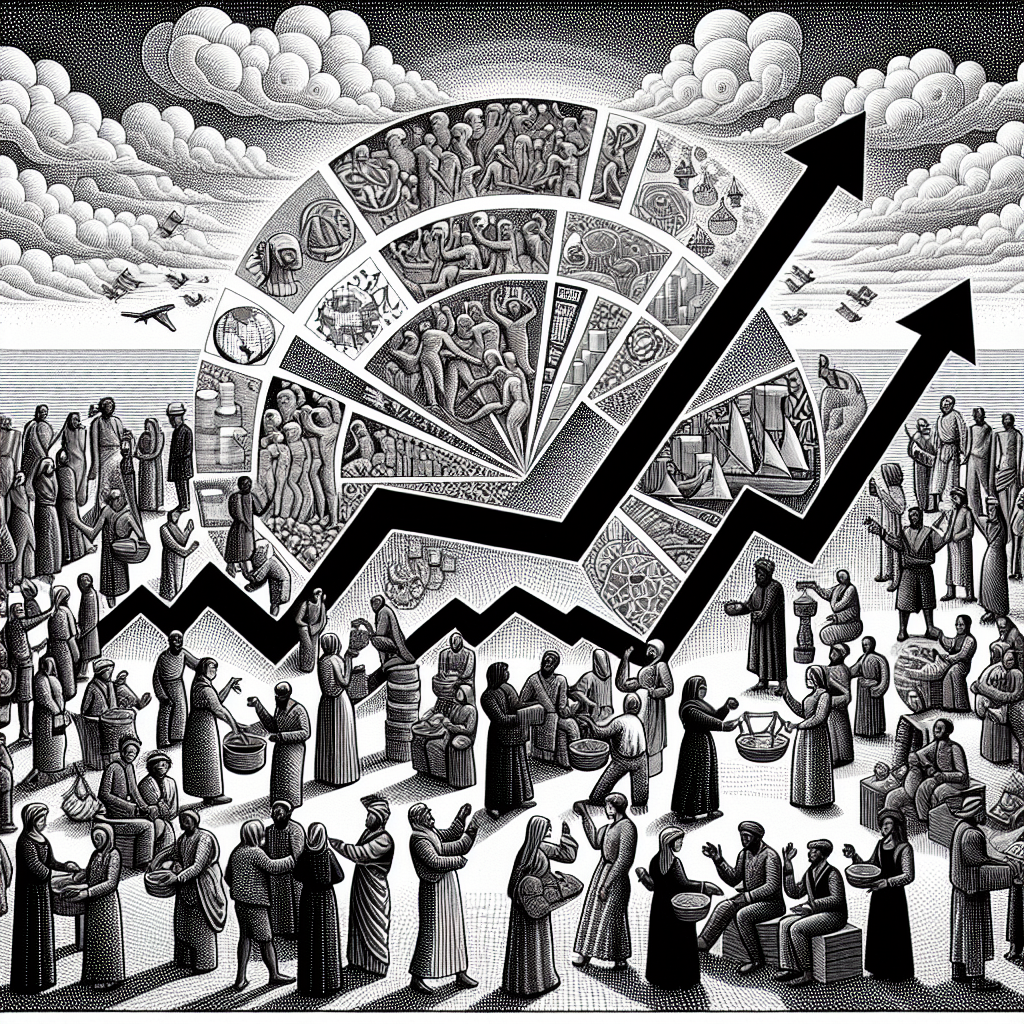
Economic development is a critical goal for less developed countries (LDCs) seeking to improve the living standards of their populations. This multifaceted process involves strategic planning and implementation of various theories and policies. This article explores key economic development theories and strategies, providing some crucial insights into the actions these countries might take to foster sustainable growth and development.
Introduction
Less developed countries (LDCs) often face a myriad of challenges, ranging from poverty and inequality to inadequate infrastructure and education systems. Economic development as a concept seeks to address these challenges by initiating transformative changes in the economic, social, and political structures of a country. Effective development strategies can catalyze improvements in income levels, reduce unemployment, enhance human capital, and promote sustainable development.
Economic development is not merely about increasing GDP; it’s about improving the quality of life and economic freedom available to the population. This includes access to education, health services, and other basic amenities. Various economic development theories offer diverse perspectives on how LDCs can achieve growth and development. Combining these theories with targeted strategies can help these nations rise above their limitations and achieve economic prosperity.
Economic Development Theories
Economic theories provide valuable frameworks for understanding the complex dynamics of development. These theories offer different lenses through which to view the economic challenges and opportunities facing LDCs.
1. The Classical Theory: This early economic theory, proposed by Adam Smith, suggests that free markets guided by a ‘hidden hand’ lead to efficient allocation of resources. According to this theory, countries should focus on increasing productivity by specializing in industries where they have a comparative advantage.
2. The Harrod-Domar Model: This growth model emphasizes the importance of investment and savings in driving economic development. According to this theory, a higher saving rate leads to more investment, which in turn generates economic growth.
3. Modernization Theory: This theory posits that development follows a linear path from traditional to modern stages. It emphasizes the adoption of modern institutions, technologies, and cultural values as crucial for development.
4. Dependency Theory: This critical perspective argues that underdevelopment in LDCs is primarily due to their dependence on developed nations, which perpetuates inequality and exploitation. It calls for structural changes and reducing dependency on external forces.
Investment in Human Capital
Investment in human capital is one of the most potent strategies for economic development. Human capital refers to the skills, knowledge, and capabilities of the workforce, which are crucial for driving productivity and innovation.
1. Education: Investing in education can have a significant impact on economic development. Well-educated individuals are more productive and can contribute more effectively to economic activities. LDCs should focus on primary education, vocational training, and higher education to build a knowledgeable workforce.
2. Health Care: A healthy population is a prerequisite for economic development. Improving healthcare systems can enhance life expectancy, reduce disease burden, and improve productivity. It is vital for LDCs to invest in healthcare infrastructure, health services, and access to clean water and sanitation.
3. Skills Development: Tailored vocational training programs can equip individuals with the skills required for specific industries. This approach bridges the gap between education and employment, thereby reducing unemployment and underemployment.
Improving human capital not only enhances individual productivity but also leads to broader societal benefits, as educated and healthy individuals contribute more effectively to economic and social activities.
Infrastructure Development
Infrastructure is the backbone of economic activity. Well-developed infrastructure facilitates trade, reduces the cost of doing business, and attracts investment.
1. Transportation: Developing efficient transportation systems, including roads, railways, and ports, can significantly boost economic activities. It improves market access for businesses and provides mobility for the workforce.
2. Energy: Reliable and affordable energy is essential for industrial and economic activities. Investing in energy infrastructure, such as electricity grids and renewable energy sources, can support economic growth and reduce dependence on fossil fuels.
3. Telecommunications: In today’s digital age, telecommunications infrastructure is crucial for connectivity and information flow. Expanding access to the internet and mobile networks can facilitate communication, e-commerce, and innovation.
Infrastructure development should be strategically planned to support key economic sectors and address the unique needs of different regions within an LDC.
Promoting Private Sector Development
The private sector plays a pivotal role in driving economic growth and creating employment opportunities. Encouraging entrepreneurship and fostering a conducive business environment can stimulate private sector growth.
1. Regulatory Reforms: Simplifying regulatory procedures and reducing bureaucratic barriers can encourage local and foreign investments. Reforms should aim to create a fair and transparent business environment.
2. Access to Finance: Improving access to finance for small and medium enterprises (SMEs) is critical. Financial institutions should be supported in providing affordable credit to entrepreneurs and businesses.
3. Innovation and Technology: Encouraging innovation and the adoption of new technologies can enhance productivity and competitiveness. Governments can support R&D initiatives and establish innovation hubs.
Promoting private sector development requires a combination of regulatory, financial, and technological support to create a vibrant and dynamic economic environment.
Trade and Integration into the Global Economy
Engaging in international trade can drive economic development by opening new markets and fostering competition. LDCs should adopt strategies that enhance their integration into the global economy.
1. Export Diversification: Diversifying export products and markets can reduce dependence on a single sector or trading partner. This approach improves economic resilience and growth opportunities.
2. Trade Policies: Effective trade policies, including tariffs, non-tariff barriers, and trade agreements, can facilitate market access and protect domestic industries. LDCs should negotiate favorable trade terms and strengthen regional cooperation.
3. Foreign Direct Investment (FDI): Attracting FDI can provide capital, technology transfer, and management expertise. LDCs should create an enabling environment for foreign investors through policy stability and incentives.
Active engagement in international trade and economic integration can spur development by leveraging global opportunities and resources.
Sustainable Development and Environmental Protection
Sustainable development recognizes the need to balance economic growth with environmental protection and social welfare. LDCs must adopt strategies that promote long-term sustainability.
1. Resource Management: Sustainable management of natural resources, such as land, water, and forests, is crucial. Policies should encourage conservation, efficient use, and restoration of natural resources.
2. Green Technologies: Investing in clean and renewable energy technologies can reduce environmental impact and create green jobs. LDCs should promote the adoption of green technologies in industries and households.
3. Climate Action: LDCs are often disproportionately affected by climate change. Implementing climate adaptation and mitigation strategies can enhance resilience and reduce vulnerability to climate risks.
Sustainable development requires an integrated approach, incorporating environmental, social, and economic dimensions to ensure a better future for coming generations.
Conclusion
Economic development in less developed countries is a complex and multifaceted challenge. The diversity of development theories and strategies underscores the need for a comprehensive and tailored approach. Combining theoretical insights with practical strategies can provide a roadmap for achieving sustainable growth and improving the quality of life for populations in LDCs.
Ultimately, the key to successful economic development lies in the effective implementation of policies, ensuring that they are inclusive, equitable, and environmentally sustainable. Collaboration among governments, international organizations, private sectors, and civil society is necessary to create an enabling environment for development.
Through sustained efforts in education, infrastructure, private sector growth, trade, and sustainability, LDCs can overcome their challenges and embark on a path of prosperity and equitable development. The journey is undoubtedly challenging, but with committed and strategic actions, economic development goals are within reach.