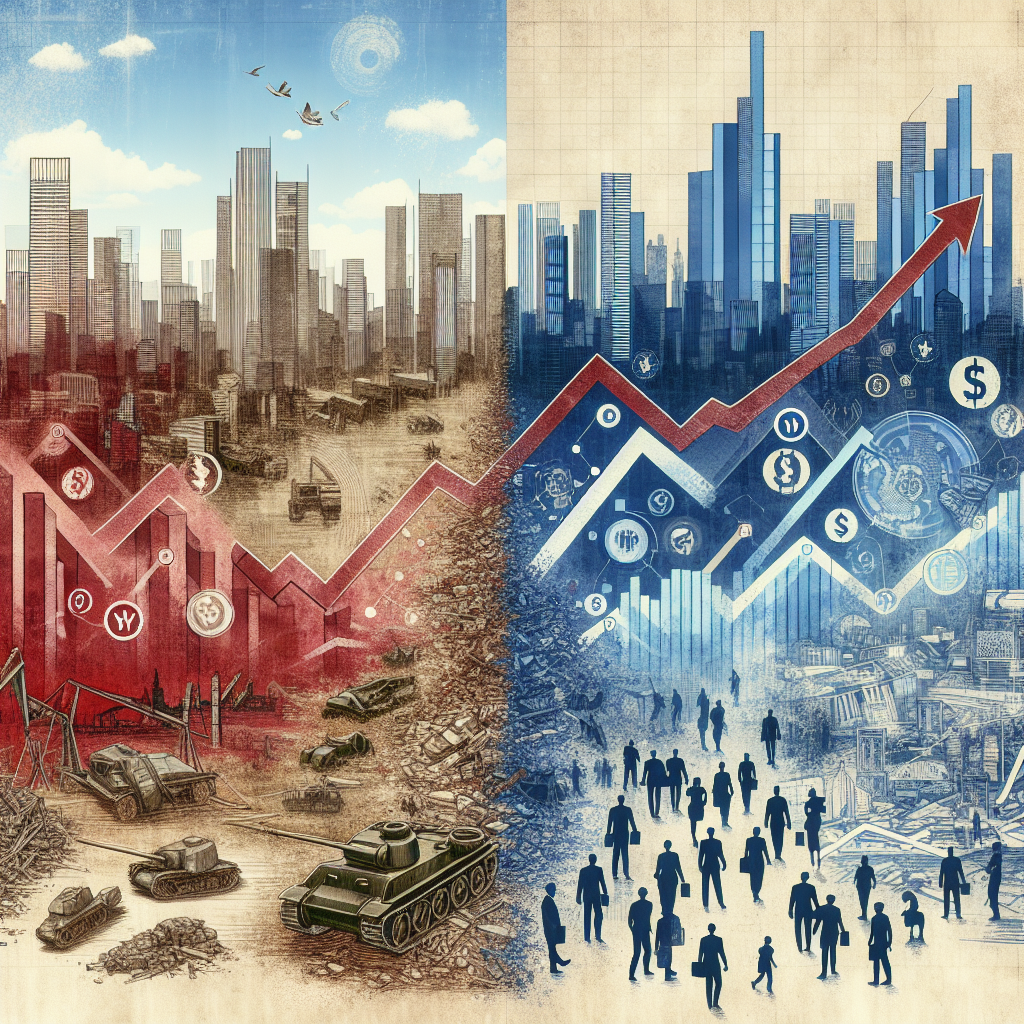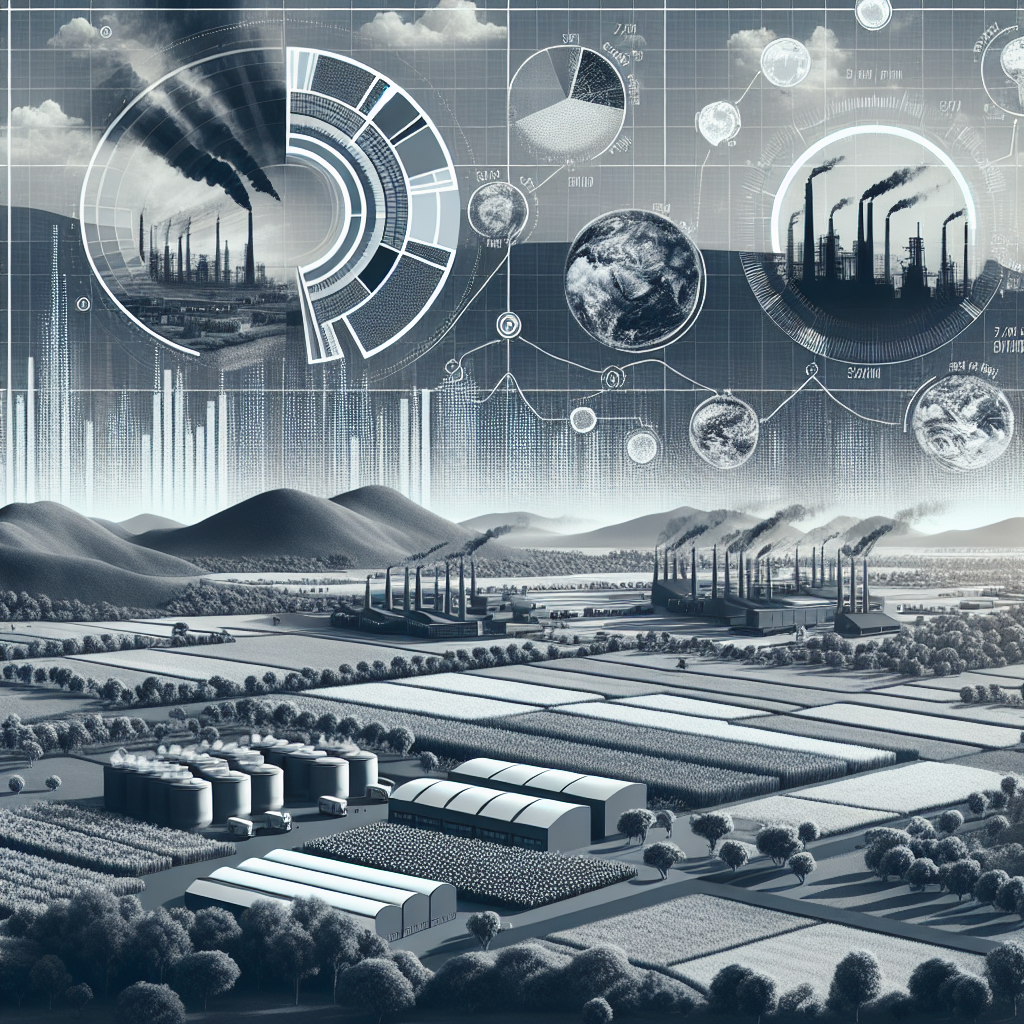
When we consider the pressing environmental challenges of our times, one crucial concept that comes to the forefront is the ecological footprint. This measure provides a vivid depiction of how human activities exert pressure on the planet’s ecosystems and resources. But, what if we could use this idea to extract meaningful insights into how these pressures translate economically? That’s where the field of environmental economics steps in. By analyzing ecological footprints through an economic lens, we can better understand the implications of resource use and inform policies to promote sustainability.
It is said that “what gets measured, gets managed.” The ecological footprint acts as a tangible metric, quantifying the demand humans place on the Earth’s resources. This measure expresses how much land and water area a human population requires to produce the resources it consumes and to assimilate its wastes, considering prevailing technology. Hence, it isn’t just an environmental indicator but also an economic one, interlinking both domains closely. Environmental economics delves into this connection to explore efficient ways to balance resource consumption with ecological conservation.
In this article, we will dissect the concept of ecological footprint analysis and delve into how it can provide economic insights into resource use. We will also discuss practical applications, potential policy interventions, and case studies to illustrate how this analytical approach can guide us toward a more sustainable future.
Understanding Ecological Footprint
The ecological footprint offers a comprehensive framework to gauge humanity’s impact on the Earth’s resources. Calculated on a per capita basis, it quantifies the area of biologically productive land and water needed to supply the resources a person or a population consumes and to absorb the wastes they generate. The primary components include cropland, grazing land, fishing grounds, forest land, built-up land, and the carbon footprint.
This measure helps to highlight whether a population lives within the ecological means of the planet or if it is overshooting, using resources faster than they can be regenerated. For instance, if a country’s ecological footprint per capita exceeds its available biocapacity per capita, it is in a state of ecological deficit. Conversely, if it can sustain its consumption within its biocapacity, it is considered to have an ecological reserve.
However, understanding the ecological footprint is only the first step. For meaningful action, translating these measures into economic terms is essential. By assigning monetary values to ecological services and identifying the economic cost of overuse, we can better plan resource management strategies and policies that reflect ecological realities.
Ecological Footprint in Economic Terms
Turning the ecological footprint into economic insights involves considering the ecological services valued economically. Ecosystem services such as clean air, freshwater, pollination of crops, and natural disease management have immense economic value, often overlooked in traditional economic analyses.
Environmental economists strive to internalize these ecological costs and benefits into the market economy. They employ methods such as cost-benefit analysis, which compares the costs of environmental impacts with the benefits of devoting resources to mitigate them. For example, the economic cost of deforestation might be calculated by estimating the loss of CO2 absorption, biodiversity, and ecological balance against the economic gains from timber sales and land conversion.
By integrating ecological footprints into economic accounting, policymakers and businesses can make more informed decisions. This integration helps to evaluate the true cost of resource use, incentivize sustainable practices, and identify potential savings or opportunities arising from more efficient resource management.

Policy Implications and Sustainable Practices
An essential outgrowth of ecological footprint analysis is its implications for policy-making. Governments can utilize this analysis to frame laws and regulations that ensure sustainable resource use and equitable distribution. Ecological footprint metrics can guide environmental taxes, like carbon taxes, to reduce greenhouse gas emissions by assigning a cost to pollution and incentivizing cleaner technologies.
Similarly, policies facilitating the development and adoption of renewable energy sources can be shaped using insights derived from ecological footprints. For example, subsidies and incentives for solar and wind energy can help reduce dependencies on non-renewable resources, lowering the overall ecological footprint.
Additionally, urban planning can benefit from ecological footprint analysis. Designing cities that minimize energy consumption and enhance green spaces can lead to more sustainable living environments. Initiatives such as promoting public transport, encouraging local food production, and conserving biodiversity can decrease a city’s ecological footprint while boosting the quality of life for its inhabitants.
Case Studies: Successful Applications
Examining real-world examples where ecological footprint analysis has been successfully applied can provide practical insights into its utility. Take, for instance, the case of Costa Rica, known for its extensive use of renewable energy and ambitious conservation policies. By prioritizing ecological footprint analysis in policy-making, Costa Rica has managed to sustain high biodiversity and implement eco-tourism as a significant economic driver.
Another illustrative case is the city of Amsterdam, which has adopted the Doughnut Economics model, integrating ecological ceiling and social foundation metrics. Amsterdam focuses on minimizing ecological overshoot and ensuring social equity, laying pathways for circular economies that reuse resources and reduce waste.
In yet another example, the Canadian city of Vancouver has pursued aggressive targets for reducing its ecological footprint by promoting green buildings, sustainable transportation options, and waste management systems. These strategies have positioned Vancouver as a leader in urban sustainability and climate action.
These instances highlight the potential of ecological footprint analysis to transform economies and communities, demonstrating that when environmental and economic goals align, sustainable development becomes tangible.
Challenges and Future Directions
Despite the evident benefits, the application of ecological footprint analysis faces several challenges. One major obstacle is the complexity of accurately measuring and expressing all components of the ecological footprint. Variations in data quality and methodology can lead to inconsistencies, making comparisons across regions and times challenging.
Another challenge is the resistance from economic and political entities that stand to lose from the shift toward more sustainable practices. The economic transitions required to reduce ecological footprints often involve significant upfront costs and disrupt established industries, necessitating strong political will and societal support.
To overcome these challenges, continuous improvement in data collection, methodological refinement, and increased interdisciplinary collaboration are essential. Investing in education and public awareness can also play a critical role in building a collective understanding of ecological footprints and their economic relevance.
Future directions in ecological footprint analysis may involve enhanced use of technology, such as Geographic Information Systems (GIS) and big data analytics, to provide more granular and dynamic measurements. Furthermore, incorporating social dimensions alongside environmental and economic factors can create more holistic and equitable sustainability models.
Conclusion
The intersection of ecological footprint analysis and environmental economics offers profoundly insightful tools for understanding and managing resource use. It enables us to see beyond immediate economic gains and recognize the long-term ecological costs, fostering more sustainable living environments and resilient economies.
By effectively translating ecological data into economic terms, policymakers and businesses can implement strategies that balance growth with environmental stewardship. As we’ve seen through various sections and case studies, the practical applications of this analysis can lead to significant advancements in how we approach sustainability.
In conclusion, the ecological footprint is more than just a measure of environmental impact; it’s a crucial economic indicator that can guide us towards a more sustainable future. By harnessing its potential, we can craft policies and practices that not only preserve our planet for future generations but also promote economic stability and social well-being.
As we move forward, integrating ecological footprint analysis into mainstream economic and policy frameworks will be essential. It will require collaborative efforts across disciplines, political will, and a collective shift in how we perceive growth and development. With continuous innovation and commitment to sustainability, the ecological footprint can be a cornerstone in the journey towards a balanced and thriving world.