Dwight D. Eisenhower, known affectionately as “Ike,” was a pivotal figure in 20th-century history. His leadership during World War II and subsequent presidency left a lasting impact on both the military and political landscapes. This article delves into Eisenhower’s remarkable journey, from orchestrating the D-Day invasion to guiding the United States through the complexities of the Cold War.
Early Life and Military Beginnings
Dwight David Eisenhower was born on October 14, 1890, in Denison, Texas, and raised in Abilene, Kansas. He grew up in a modest household, one of seven sons in a hardworking family. Eisenhower’s interest in the military was evident from a young age, leading him to attend the United States Military Academy at West Point, where he graduated in 1915.
Eisenhower’s early military career was marked by a series of assignments that honed his strategic thinking and leadership skills. He served under General John J. Pershing during World War I, although he did not see combat. His role was crucial in training tank crews, which showcased his ability to lead and innovate.
The Road to Supreme Commander
Eisenhower’s career trajectory changed dramatically during World War II. In 1942, he was appointed as the Supreme Commander of the Allied Expeditionary Forces in Europe. This role placed him at the helm of planning and executing Operation Overlord, the largest amphibious invasion in history.
D-Day: The Turning Point
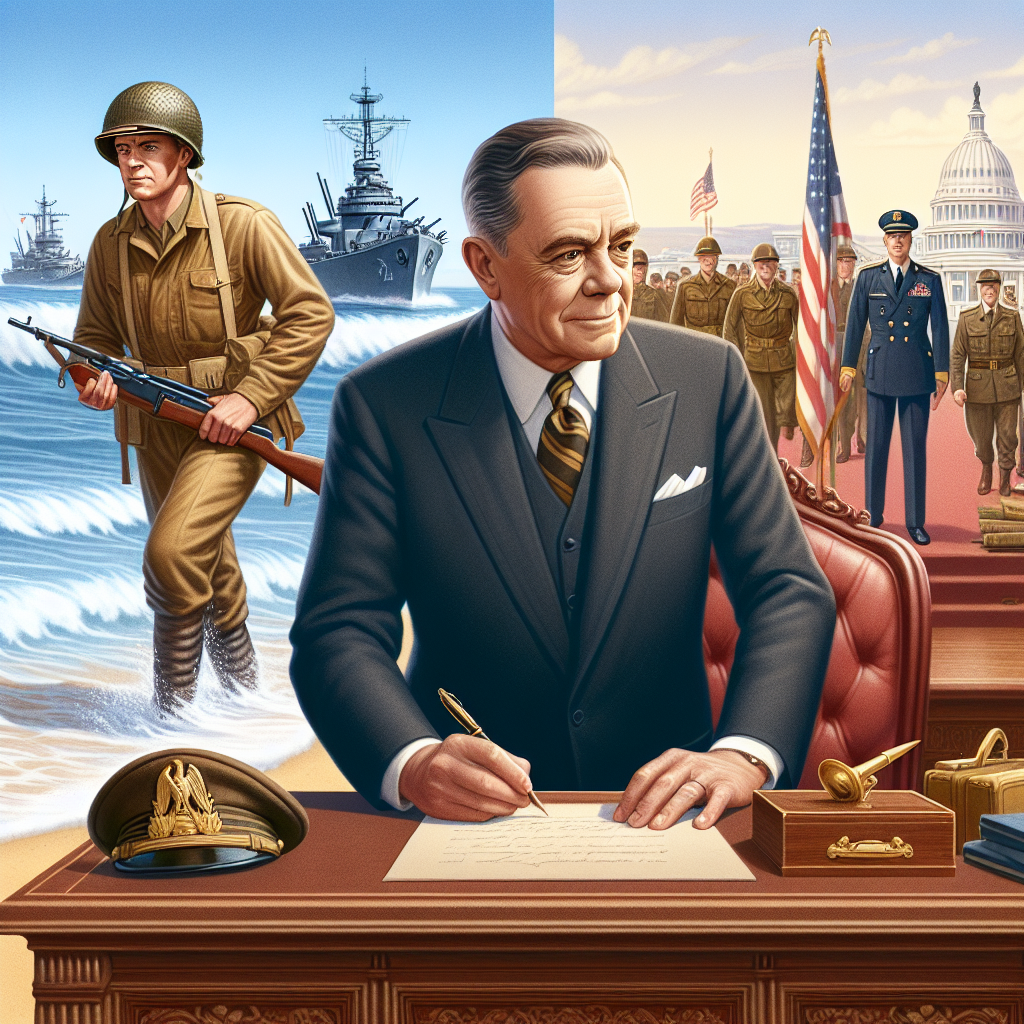
On June 6, 1944, Eisenhower launched Operation Overlord, commonly known as D-Day. The success of this operation was crucial to liberating Western Europe from Nazi occupation. Eisenhower’s meticulous planning, coupled with his ability to inspire and coordinate Allied forces, played a significant role in the success of the invasion.
Eisenhower’s leadership style was characterized by his calm demeanor, pragmatism, and ability to foster cooperation among diverse Allied forces. His famous “Order of the Day” message to the troops on the eve of D-Day encapsulated his ability to motivate and unite soldiers from different nations.
Post-War Leadership and NATO
Following the success of D-Day and the eventual defeat of Nazi Germany, Eisenhower’s leadership was recognized globally. He was appointed as the Military Governor of the U.S. Occupation Zone in Germany and later became the Chief of Staff of the United States Army.
In 1950, Eisenhower was called upon to serve as the first Supreme Commander of NATO (North Atlantic Treaty Organization). In this role, he was instrumental in shaping the defense strategy of the Western Allies during the early years of the Cold War. His ability to navigate complex political landscapes and build strong alliances was crucial in countering the Soviet threat.
The Road to the Presidency
Eisenhower’s military success and reputation as a unifying leader paved the way for his entry into politics. In 1952, he was elected as the 34th President of the United States, defeating Democratic candidate Adlai Stevenson. His campaign slogan, “I Like Ike,” reflected his widespread popularity and appeal.
Domestic Policies and Achievements
As President, Eisenhower focused on several key domestic issues. He championed infrastructure development, leading to the creation of the Interstate Highway System, which revolutionized transportation in the United States. This massive project not only improved connectivity but also had significant economic and military implications.
Eisenhower also prioritized balancing the federal budget and reducing government spending. His administration maintained a cautious approach to fiscal policy, striving to achieve a balanced budget while ensuring national security.
Civil Rights and Social Issues
Eisenhower’s presidency coincided with a critical period in the Civil Rights Movement. While his approach to civil rights was often seen as cautious, he took significant steps to enforce desegregation. In 1957, he sent federal troops to Little Rock, Arkansas, to enforce the desegregation of Central High School, demonstrating his commitment to upholding the Supreme Court’s decision in Brown v. Board of Education.
Eisenhower also signed the Civil Rights Act of 1957, the first civil rights legislation since Reconstruction. This act aimed to increase African American voting rights and laid the groundwork for subsequent civil rights advancements.
Foreign Policy and Cold War Strategy
Eisenhower’s presidency was dominated by Cold War tensions and the threat of nuclear conflict. His foreign policy, known as the “Eisenhower Doctrine,” aimed to contain the spread of communism, particularly in the Middle East. This doctrine authorized U.S. economic and military assistance to countries resisting communist aggression.
One of Eisenhower’s significant achievements was negotiating an armistice to end the Korean War in 1953. His administration also pursued arms control initiatives, including the “Atoms for Peace” program, which promoted the peaceful use of nuclear energy.
Eisenhower’s farewell address in 1961 warned of the dangers of the “military-industrial complex,” highlighting his concerns about the potential influence of defense contractors on government policy. This speech underscored his commitment to maintaining a balanced approach to national security.
Legacy and Impact
Dwight D. Eisenhower’s legacy is multifaceted, encompassing his military achievements, political leadership, and contributions to infrastructure and civil rights. His pragmatic approach to governance, coupled with his ability to inspire and unite, left a lasting impact on the United States and the world.
Military Legacy
Eisenhower’s strategic brilliance and leadership during World War II cemented his place as one of history’s greatest military commanders. His role in orchestrating the D-Day invasion and subsequent campaigns was pivotal in defeating Nazi Germany and liberating Europe.
His leadership of NATO during the early years of the Cold War helped solidify the alliance and strengthen Western defense against the Soviet Union. Eisenhower’s emphasis on cooperation and coordination among Allied forces set a precedent for future military and political alliances.
Presidential Legacy
As President, Eisenhower’s focus on infrastructure development, fiscal responsibility, and civil rights enforcement left a lasting mark on American society. The Interstate Highway System transformed transportation and commerce, while his efforts to enforce desegregation advanced the cause of civil rights.
Eisenhower’s foreign policy initiatives, including the Eisenhower Doctrine and efforts to end the Korean War, demonstrated his commitment to containing communism and promoting global stability. His farewell address warning about the military-industrial complex remains a powerful reminder of the need for vigilance in maintaining democratic principles.
Personal Qualities and Leadership Style
Eisenhower’s leadership style was characterized by his calm demeanor, pragmatism, and ability to build consensus. He was known for his ability to listen, delegate, and make informed decisions. His emphasis on teamwork and collaboration was evident both in his military and political careers.
Eisenhower’s humility and dedication to public service endeared him to the American people. His legacy as a soldier, statesman, and leader continues to inspire future generations.
Dwight D. Eisenhower’s journey from the battlefields of World War II to the highest office in the United States is a testament to his extraordinary leadership and vision. His contributions to military strategy, political governance, and civil rights have left an indelible mark on history. As we reflect on his legacy, we recognize the enduring impact of his leadership on the nation and the world.

Personal Life and Character
Beyond his public life, Dwight D. Eisenhower was known for his personal qualities and character traits that endeared him to many. He married Mamie Geneva Doud in 1916, and their partnership was a cornerstone of his life. Mamie was a constant support throughout Eisenhower’s military and political career, and their relationship was characterized by mutual respect and affection.
Interests and Hobbies
Eisenhower had a range of interests and hobbies that provided him with relaxation and a sense of normalcy amidst the pressures of leadership. He was an avid golfer and found great joy in the sport. His love for golf was well-known, and he often used the game as a way to unwind and connect with others. Additionally, Eisenhower enjoyed painting, a hobby he took up later in life. His paintings, primarily landscapes, reflected his appreciation for nature and his artistic side.
Health Challenges
Eisenhower faced several health challenges during his lifetime, particularly during his presidency. He suffered a heart attack in 1955, which raised concerns about his ability to fulfill the demands of the office. Despite these challenges, Eisenhower remained committed to his duties and continued to serve effectively. His resilience in the face of health issues demonstrated his dedication and determination.
Post-Presidency and Legacy
After leaving the White House in 1961, Eisenhower retired to his farm in Gettysburg, Pennsylvania. He remained active in public life, offering advice and support to his successors and continuing to influence national policy through his speeches and writings.
Eisenhower’s Library and Museum
In 1962, the Eisenhower Presidential Library and Museum was established in Abilene, Kansas. The library houses a vast collection of documents, photographs, and artifacts related to Eisenhower’s life and career. It serves as a valuable resource for scholars and the public, preserving the legacy of one of America’s most influential leaders.
Recognition and Honors
Eisenhower received numerous honors and accolades throughout his life and posthumously. He was awarded the Nobel Peace Prize in 1953 for his efforts to promote peace and stability. In addition, various institutions and landmarks have been named in his honor, including schools, highways, and military installations.
Enduring Influence
Eisenhower’s influence extends beyond his lifetime, as his leadership principles and strategic vision continue to be studied and admired. His approach to problem-solving, emphasis on collaboration, and ability to balance military and political considerations provide valuable lessons for leaders in various fields.
Conclusion
Dwight D. Eisenhower’s legacy is a testament to the power of leadership, dedication, and vision. From his early days as a young officer to his pivotal role in World War II and his tenure as President, Eisenhower exemplified the qualities of a true leader. His impact on military strategy, political governance, civil rights, and infrastructure development has left an indelible mark on history.
Eisenhower’s story is one of perseverance, humility, and unwavering commitment to public service. His ability to inspire and unite people from diverse backgrounds and his pragmatic approach to leadership serve as enduring examples for future generations. As we look back on his remarkable journey, we are reminded of the profound influence that one individual can have on the course of history.
Eisenhower’s legacy continues to inspire and guide us, reminding us of the importance of strategic thinking, collaboration, and dedication to the common good. His contributions to the United States and the world will be remembered and celebrated for generations to come.