Skip to content

SOCIALSTUDIESHELP.COM

Learn Social Studies and American History

  • American History Lessons
  • American History Topics
  • AP Government and Politics
  • Economics
  • Resources
    • Blog
    • Practice Exams
    • AP Psychology
    • World History
    • Geography and Human Geography
    • Comparative Government & International Relations
    • Most Popular Searches
  • Toggle search form

Decolonization’s Impact on African Nations

Posted on By admin

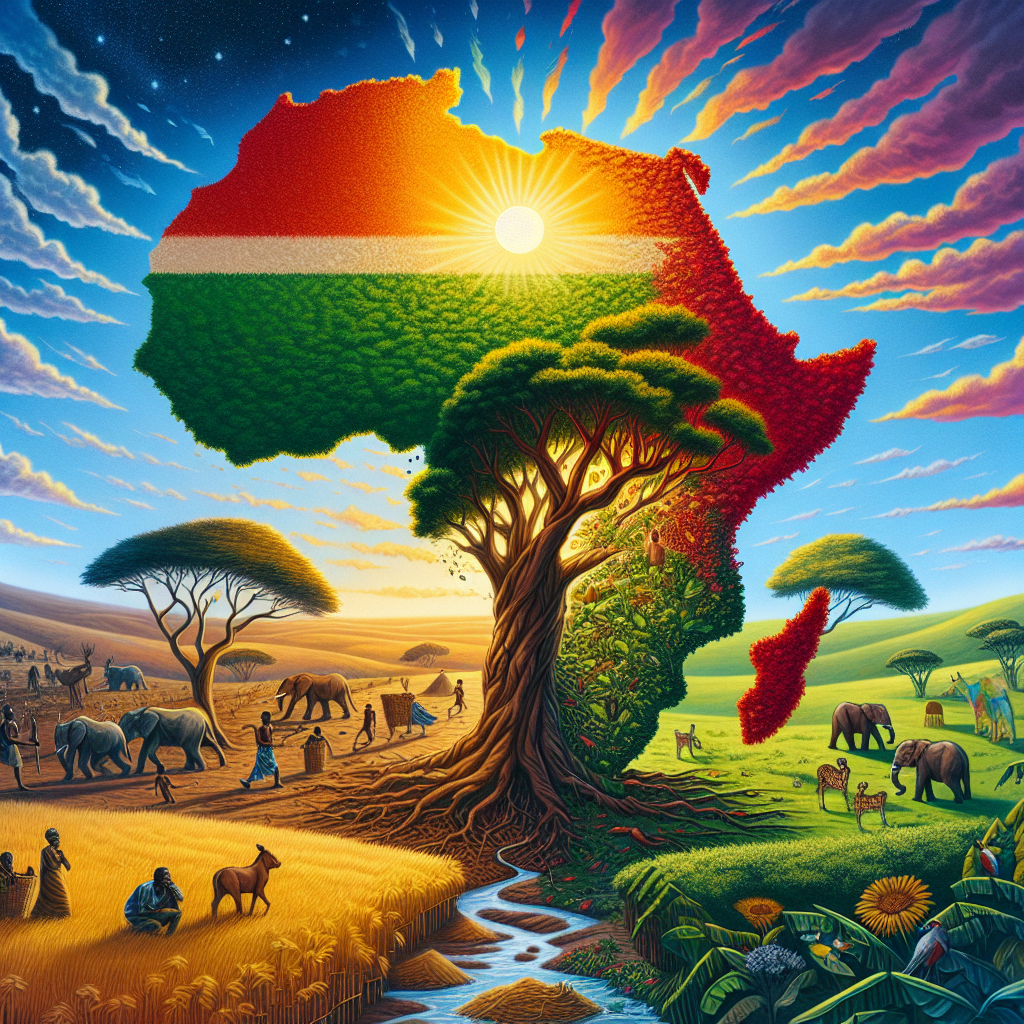
Decolonization of African nations in the mid-20th century was a watershed moment in world history, marking the end of European colonial empires and the subsequent rise of independent African states. This process was intricately complex, influenced by global and regional dynamics that forever changed the socio-political and economic landscape of Africa. During colonial rule, European powers exploited African resources and subjected indigenous peoples to forms of governance that disrupted existing social structures. The post-independence era thus presented African nations with daunting challenges and opportunities. This article delves into the historical context, key events, and the profound impacts decolonization has had on Africa, focusing on political transformation, economic development, social changes, and cultural revival.

Historical Context of Decolonization in Africa:

The phenomenon of decolonization in Africa can largely be traced back to the aftermath of World War II. The immense human and economic costs of the war weakened the European colonial powers, making it increasingly difficult for them to maintain their overseas empires. Additionally, the global ideological climate was shifting – the United Nations championed self-determination, and emerging superpowers like the United States and the Soviet Union often sympathized with anticolonial movements. The rise of indigenous nationalist movements across Africa further signaled that the winds of change were unstoppable. Countries such as Ghana, under the leadership of Kwame Nkrumah, and Algeria, with its fierce war of independence from France, became beacons of hope for other African nations still under colonial rule. The decolonization process was often arduous and violent, but it paved the way for a new era of African sovereignty.

Political Transformation Post-Independence:

The political landscape of post-colonial Africa was characterized by a dramatic shift from foreign rule to self-governance. Many newly independent African nations adopted varied forms of government, with some opting for parliamentary systems while others established presidential republics. Out of the desire to quickly modernize and foster national unity, many African leaders leaned towards centralizing power, sometimes resulting in authoritarian regimes. Political instability, characterized by coups and civil conflicts, also marked the early years of some nations, as they grappled with myriad issues including colonial-era borders that often disregarded ethnic and cultural divisions. Despite these challenges, the decolonization period also saw the birth of the Organization of African Unity (OAU) in 1963, an initiative aiming to promote solidarity and collective self-reliance among African states. Over the decades, many African nations have made strides towards establishing stable democratic institutions, albeit with ongoing struggles.

Economic Development and Challenges:

Economically, decolonization presented African nations with both opportunities and significant hurdles. Colonial economies were typically designed to extract resources for the benefit of European powers, leaving African countries with a legacy of monoculture and underdeveloped infrastructure. Post-independence, many African states sought to diversify their economies and reduce dependency on former colonial masters. Efforts were made to industrialize and improve agricultural productivity. However, these goals were often hampered by a lack of capital, expertise, and entrenched economic structures. Additionally, the global economic environment, marked by fluctuations in commodity prices and debts accumulated during and after colonization, further complicated economic progress. Nevertheless, the post-colonial period also saw the rise of regional economic communities aimed at fostering trade and economic collaboration among African nations. The economic journey remains a work in progress, with substantial advancements in some regions juxtaposed with ongoing struggles in others.

Social Changes and Impacts:

Socially, decolonization had a profound impact on African societies. One of the major changes was the reversal of the colonial hierarchies that had subjugated the indigenous populations. Access to education dramatically expanded, creating new opportunities for social mobility and intellectual development. However, the legacy of colonialism also left deep scars, including linguistic divisions and disrupted traditional social structures. Many African nations adopted the languages of their colonial rulers as official languages, which sometimes created barriers to unity and full participation for all citizens. Health care, too, saw varied improvements, with many post-colonial governments aiming to expand access and reduce the prevalence of diseases that had been exacerbated by colonial neglect. While significant challenges remain, the strides made in improving social services and integrating diverse ethnic groups are noteworthy.

Cultural Revival and Identity:

The cultural revival has been one of the most vibrant outcomes of decolonization. The reclaiming of African identity, heritage, and traditions has seen a renaissance in arts, music, dance, and literature, celebrating the continent’s rich diversity and history. This cultural rejuvenation has counteracted decades of cultural erosion imposed by colonial rulers who often sought to marginalize indigenous practices in favor of European norms. Educational curricula began to include African history and indigenous knowledge systems, fostering a greater sense of pride and awareness among younger generations. Finally, the cultural revival also found expression in political and social activism, with many leaders and movements drawing on traditional values and histories as a basis for envisioning a future free from the lingering shadows of colonialism.

Conclusion:

Decolonization marked the beginning of a new chapter for African nations, characterized by a mix of triumphs and tribulations. Politically, the shift from colonial rule to self-governance signified a victory for national sovereignty but also posed challenges in establishing stable and democratic institutions. Economically, the journey towards diversification and development has been fraught with obstacles but also punctuated by significant progress and regional cooperation. Socially, the expansion of education and healthcare has marked a positive transformation, although the legacy of social fractures remains. Culturally, the reclaiming and celebration of African identity have enriched the continent’s global presence. As we reflect on the impact of decolonization, it is clear that while African nations have traversed a difficult path, they have also demonstrated resilience, agency, and a steadfast commitment to shaping their own destinies. Moving forward, the lessons learned and the solidarity built during the decolonization era continue to inspire hope and action across Africa.

African Cultures, Major World Events, World Cultures

Post navigation

Previous Post: The Fall of the Berlin Wall and European Unity
Next Post: The Digital Revolution: Impact on Communication and Culture

Related Posts

Exploring the Sami: Scandinavia’s Indigenous Culture Indigenous Cultures
Exploring How the Atlantic Migration Shaped the Americas Historical Migrations and Their Cultural Impact
Exploring the Maori Culture of New Zealand Oceania and Pacific Cultures
Latin American Cinema: Unveiling a Rich Cultural Tapestry World Cinema and Its Cultural Impact
Exploring Ubuntu: Africa’s Philosophy of Interconnectedness African Cultures
African Diaspora: Cultural Impact Globally African Cultures
  • World History
  • Timeline of US History: Major Events from 1492 to Present
  • Glossary of Government Terms: 50 AP Gov Concepts Explained in Plain English
  • Top 10 Most Common Social Studies Exam Terms (and What They Mean)
  • Research Paper Outline Example (Template for High School & AP Research)

Navigation

  • Economics
    • Agricultural Price Supports
    • Agriculture in the United States
    • Bank Deregulation and the S&L Crisis
    • Banking and the Federal Reserve System
    • Basic Economic Concepts
    • Budgeting
    • Business Cycle
    • Business Organizations
    • Perspectives on Business Structures
    • Circular Flow Model
    • Collective Bargaining
    • Comparative Economic Systems
    • Different Types of Banks
    • Economic Growth
    • Economic Indicators
    • Economics Final Exam Review
    • Economics Links
    • Elasticity
    • Federal and State Budgeting
    • Federal Spending and National Debt
    • Free Enterprise
    • Governments Role in the Economy
    • History of Labor Unions
    • Government Protection of the Consumer
    • Income Inequality
    • Inflation
  • History Topics
    • “Robber Barons” or “Captains of Industry”
    • The 18th & 19th Amendments: Prohibition & Women’s Suffrage Explored
    • 19th Amendment – Womens Suffrrage
    • African American Reformers
    • African American Reform in the Progressive Era
    • America – Divided at Birth
    • America’s Role in WWII: Decisive Influence in War’s Outcome
    • Spanish American War: How it Forged America’s Global Dominance
    • Andrew Carnegie – Gospel of Wealth
    • Effectiveness of U.S. Antitrust Laws in Protecting Competition
    • Articles of Confederation
    • Justifications & Impacts: Policies Toward Native Americans
    • Understanding the Bill of Rights’ Protections
    • US Campaigns and Elections: Democracy’s Backbone
    • Causes of the Great Depression
    • Opposition & Responses to the New Deal: Roosevelt’s Strategy
    • Checks and Balances
    • Effectiveness of the Civil Rights Movement in U.S. Social Change
    • What Caused the Beginning of the Civil War?
    • Colonization and Mercantilism
    • Constitutional Convention
    • Constitutional Flexibility
    • Containment Policy: America’s Tactics Against Communism
    • Cooling the Cold War: From Peaceful Coexistence to Detente
    • Cooling Off: Peaceful Coexistence to Detente
    • Declaration of Independence
    • Democracy in the colonies
    • Dropping of the Atomic Bomb
    • Early Domestic Policies
    • Washington & Jefferson’s Impactful Foreign Policies
    • Reconstruction’s Impact on Freedmen’s Lives
    • Effect of Lincoln’ Death on Reconstruction
    • Effects of the Great Depression
    • Electoral College
    • Enlightenment Thinkers
    • Events Leading Up To The Revolution
    • French and Indian War
    • Government Relationship with Unions
    • How a bill becomes a law.
    • Immigration – Why they came
    • Improvement in the cities – Progressive Era
    • American Influence in Asia during the 1800s
    • John Quincy Adams and Andrew Jackson
  • History Lessons
    • Cold War Genesis: A Detailed Analysis
    • The End of the Cold War
    • FDR’s New Deal
    • Foundation of Democracy
    • The Presidency of Andrew Jackson
    • JFK versus LBJ
    • The Presidency of John Adams
    • Judicial Branch
    • Immigration in the U.S
    • Legislative Branch
    • Madison – War of 1812
    • Monopolies & Trusts: Exploring American Businesses’ Quest to Curb Competition
    • The Presidency of James Monroe
    • Judicial Review and Supreme Court Cases
    • Justification for Imperialism
    • Korematsu V. United States
    • Origins of Legalized Segregation in the South
    • Management vs Unions: Responses to Unionization in the Industrial Revolution
    • Westward Expansion: Manifest Destiny’s Impact
    • McCarthyism Explained: Politics, Fear, and Cold War Context
    • The New Deal’s Impact on Minorities in 1930s America
    • Monopolies
    • Monroe Presidency
    • New Technologies – Industrialization
    • WWI and Civil Liberties: Striking the Balance in Wartime
  • Gov & Politics
    • Elections and Campaigns – Week 9 Notes
    • Interest Groups in American Politics: A Historical Review
    • Interest Groups – Text Notes – Week Seven
    • Lecture Notes – American Political System
    • Lecture Notes – Congress – Week 11
    • Lecture Notes – Economic Policy
    • Lecture Notes – Federalism
    • Lecture Notes – The Judiciary – Week 13
    • Notes – The Bureaucracy
    • Lecture Notes – Political Culture in America
    • Political Participation
    • Political Participation – Text Notes – Week Six
    • Political Parties – Week 8 – Text Notes
  • World Cultures
    • Asian Cultures
    • African Cultures
    • European Cultures
    • Middle Eastern Cultures
    • North American Cultures
    • Oceania and Pacific Cultures
    • South American Cultures
  • Global Trends
  • Important Events
  • Social Studies Weekly
  • Cultural Celebrations
    • Ancient Civilizations
    • Architectural Wonders
    • Celebrating Hispanic Heritage
    • Celebrating Women
    • Celebrating World Heritage Sites
    • Clothing and Fashion
    • Culinary Traditions
    • Cultural Impact of Language
    • Environmental Practices
    • Festivals
    • Global Art and Artists
    • Global Music and Dance
  • Economics
    • Behavioral Economics
    • Development Economics
    • Econometrics and Quantitative Methods
    • Economic Development
    • Economic Geography
    • Economic History
    • Economic Policy
    • Economic Sociology
    • Economics of Education
    • Environmental Economics
    • Financial Economics
    • Health Economics
    • History of Economic Thought
    • International Economics
    • Labor Economics
    • Macroeconomics
    • Microeconomics
  • Important Figures in History
    • Artists and Writers
    • Cultural Icons
    • Groundbreaking Scientists
    • Human Rights Champions
    • Intellectual Giants
    • Leaders in Social Change
    • Mythology and Legends
    • Political and Military Strategists
    • Political Pioneers
    • Revolutionary Leaders
    • Scientific Trailblazers
    • Explorers and Innovators
  • Global Events and Trends
  • Regional and National Events
  • World Cultures
    • Asian Cultures
    • African Cultures
    • European Cultures
    • Middle Eastern Cultures
    • North American Cultures
    • Oceania and Pacific Cultures
    • South American Cultures
  • Privacy Policy

Copyright © 2025 SOCIALSTUDIESHELP.COM. Powered by AI Writer DIYSEO.AI. Download on WordPress.

Powered by PressBook Grid Blogs theme