Skip to content

SOCIALSTUDIESHELP.COM

Learn Social Studies and American History

  • American History Lessons
  • American History Topics
  • AP Government and Politics
  • Economics
  • Resources
    • Blog
    • Practice Exams
    • AP Psychology
    • World History
    • Geography and Human Geography
    • Comparative Government & International Relations
    • Most Popular Searches
  • Toggle search form

Comparing Theories: Marxist, Elitist, Bureaucratic, Pluralist

Posted on By admin

Introduction

Political science, a field rich in diverse theories, provides various lenses through which we can view and understand governance and power structures. Among these theories, Marxist, elitist, bureaucratic, and pluralist stand out due to their unique perspectives and implications. This article aims to dissect each theory, presenting their advantages and shortcomings as described in academic texts.

Read our comprehensive article on the American Political System.

Marxist Theory

Overview: The Marxist theory, rooted in the works of Karl Marx, views society through the lens of class struggle. It posits that society is divided into two main classes: the bourgeoisie (capitalist class) and the proletariat (working class). Marxists believe that the capitalist system is inherently exploitative, leading to class conflict and, eventually, revolution.

Advantages:

  1. Critical of Inequalities: Marxism excels at highlighting the inequalities inherent in capitalist systems. It raises awareness about exploitation and the disparities between the rich and the poor.
  2. Change-Oriented: This theory is not just descriptive but prescriptive, advocating for revolutionary changes to establish a classless society, thus appealing to those who seek radical social change.

Shortcomings:

  1. Overemphasis on Class: Marxism tends to oversimplify society’s complexities by focusing predominantly on class, often neglecting other factors like race, gender, and culture.
  2. Utopian Ideal: The notion of a classless society is criticized as utopian and unrealistic. Historically, attempts to implement Marxist ideals have often led to authoritarian regimes.

Elitist Theory

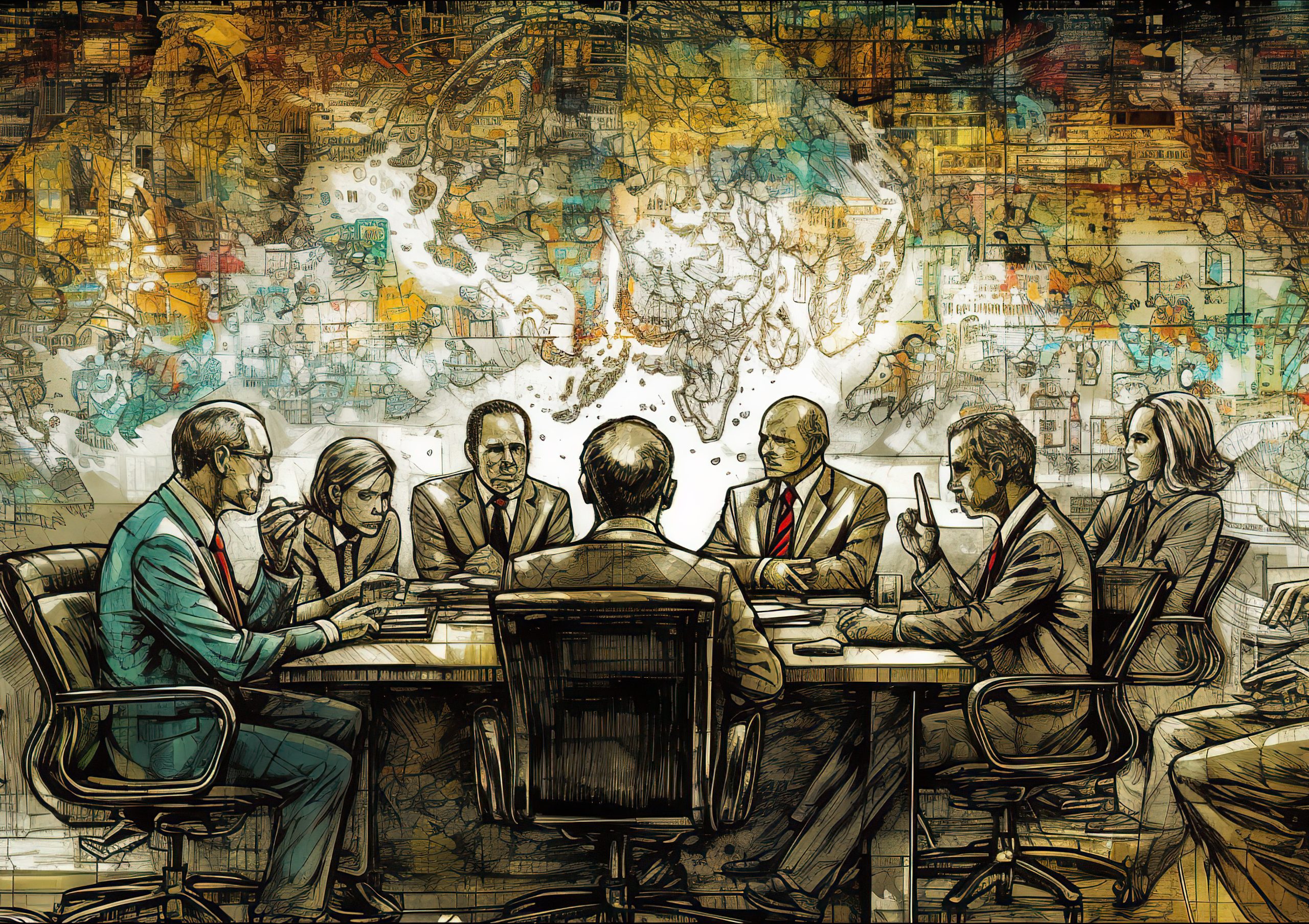
Overview: The elitist theory posits that a small, distinct group of people – the elite – hold the most power, regardless of the formal political setup. This elite consists of individuals who possess resources, social connections, and influence that the majority does not.

Advantages:

  1. Realistic Representation of Power Distribution: Elitism realistically acknowledges that power often concentrates in the hands of a few, providing a pragmatic view of how societies operate.
  2. Focus on Influence and Networks: It highlights the role of personal influence and networks in political decision-making, which are often overlooked in other theories.

Shortcomings:

  1. Pessimistic View of Democracy: Elitist theory can be seen as inherently pessimistic about the prospects of true democracy, as it suggests that the common people have little real influence.
  2. Neglects Broader Social Dynamics: It may overlook broader societal dynamics and the potential for collective action by the masses to effect change.

Bureaucratic Theory

Overview: Bureaucratic theory, as developed by Max Weber, focuses on the role of bureaucracy in governance. It views bureaucracies as rational, efficient, and essential for the functioning of large modern states.

Advantages:

  1. Emphasizes Organizational Efficiency: This theory underscores the importance of a well-organized, hierarchical structure in achieving efficiency in governance.
  2. Predictability and Stability: Bureaucracies provide predictability and stability, essential for complex governmental operations.

Shortcomings:

  1. Risk of Red Tape and Inefficiency: Ironically, bureaucracies can become entangled in their own procedures, leading to inefficiency and a lack of responsiveness.
  2. Alienation and Dehumanization: Bureaucratic theory is criticized for leading to alienation and dehumanization, as it prioritizes procedures over individual needs.

Pluralist Theory

Overview: Pluralism posits that power is distributed among various groups in society, and politics is mainly a negotiation among these groups. It sees society as a marketplace with multiple competing interests.

Advantages:

  1. Inclusive View of Power: Pluralism provides a more optimistic and inclusive view of power distribution, acknowledging the influence of various interest groups.
  2. Promotes Compromise and Consensus: It encourages compromise and consensus-building, essential for a healthy democratic process.

Shortcomings:

  1. Underestimates Power Imbalance: Pluralism may underestimate the extent of power imbalances between different groups, assuming a level playing field where none exists.
  2. Overlooks Non-Organized Interests: It often neglects interests that are not well organized, such as those of marginalized groups.

Expansion of Theories

Further Analysis of Marxist Theory

Advantages Expanded:

  • Historical Analysis: Marxism provides a robust historical analysis of economic and social changes, tracing the evolution of societies from feudalism to capitalism.
  • Advocacy for the Working Class: It has been influential in advocating for workers’ rights and inspiring social welfare policies.

Shortcomings Expanded:

  • Economic Determinism: Critics argue that Marxism places excessive emphasis on economic factors in shaping society, often at the expense of other important elements.
  • Failure in Practice: The practical implementation of Marxism in various countries has often resulted in authoritarianism and economic inefficiency, contrary to its theoretical ideals.

Further Analysis of Elitist Theory

Advantages Expanded:

  • Insight into Power Dynamics: Elitist theory offers valuable insights into the dynamics of power, especially in understanding the role of elites in shaping policy and societal norms.
  • Analytical Tool for Inequality: It serves as a critical analytical tool in examining inequalities in society, particularly in terms of power and resource distribution.

Shortcomings Expanded:

  • Deterministic Outlook: The theory can be overly deterministic, suggesting that the masses are always controlled by the elite, which may not always be the case.
  • Limited Scope for Change: By focusing on the elite, it often provides limited scope for understanding and advocating for grassroots change.

Further Analysis of Bureaucratic Theory

Advantages Expanded:

  • Framework for Modern Administration: Weber’s bureaucratic theory laid the foundation for understanding modern administrative and organizational structures.
  • Meritocracy and Professionalism: It promotes the ideals of meritocracy and professionalism in administration.

Shortcomings Expanded:

  • Impersonality and Rigidity: The impersonality and rigidity inherent in bureaucracies can lead to a lack of creativity and innovation.
  • Disconnection from the Public: Bureaucracies can become disconnected from the public they serve, leading to a lack of accountability and responsiveness.

Further Analysis of Pluralist Theory

Advantages Expanded:

  • Recognition of Diversity: Pluralism recognizes the diversity of interests and perspectives in a society, promoting a more holistic view of governance.
  • Democratic Engagement: It encourages active engagement in the democratic process by various groups and interests.

Shortcomings Expanded:

  • Neglect of Power Structures: While pluralism acknowledges multiple centers of power, it often fails to adequately address the overarching power structures that can influence or control these centers.
  • Idealistic View of Consensus: The theory’s focus on consensus can be overly idealistic, overlooking the conflicts and power struggles inherent in political processes.

Conclusion

In conclusion, the theories of Marxism, elitism, bureaucratic, and pluralism offer distinct frameworks for understanding political power and governance. Each theory has its strengths in explaining certain aspects of society and governance, but they also have significant limitations. By critically examining these theories, students of political science can develop a more nuanced and comprehensive understanding of the complexities of political structures and power dynamics.
Uncategorized

Post navigation

Previous Post: Understanding Majoritarian vs Elitist Politics and Their Theories
Next Post: Exploring Higher Law and Natural Rights in Colonial America

Related Posts

Exploring the US Government’s Three Branches Uncategorized
Exploring Crosscutting Cleavages in US Politics: Race & Ideology Uncategorized
Factors Influencing Political Participation: An In-Depth Analysis Uncategorized
Federal Fiscal Policy: Analyzing Policymaking Politics Uncategorized
Exploring the US Presidency: Offices and Roles Uncategorized
Elections & Policy Change in the US: A Balanced Analysis Uncategorized
  • World History
  • Timeline of US History: Major Events from 1492 to Present
  • Glossary of Government Terms: 50 AP Gov Concepts Explained in Plain English
  • Top 10 Most Common Social Studies Exam Terms (and What They Mean)
  • Research Paper Outline Example (Template for High School & AP Research)

Navigation

  • Economics
    • Agricultural Price Supports
    • Agriculture in the United States
    • Bank Deregulation and the S&L Crisis
    • Banking and the Federal Reserve System
    • Basic Economic Concepts
    • Budgeting
    • Business Cycle
    • Business Organizations
    • Perspectives on Business Structures
    • Circular Flow Model
    • Collective Bargaining
    • Comparative Economic Systems
    • Different Types of Banks
    • Economic Growth
    • Economic Indicators
    • Economics Final Exam Review
    • Economics Links
    • Elasticity
    • Federal and State Budgeting
    • Federal Spending and National Debt
    • Free Enterprise
    • Governments Role in the Economy
    • History of Labor Unions
    • Government Protection of the Consumer
    • Income Inequality
    • Inflation
  • History Topics
    • “Robber Barons” or “Captains of Industry”
    • The 18th & 19th Amendments: Prohibition & Women’s Suffrage Explored
    • 19th Amendment – Womens Suffrrage
    • African American Reformers
    • African American Reform in the Progressive Era
    • America – Divided at Birth
    • America’s Role in WWII: Decisive Influence in War’s Outcome
    • Spanish American War: How it Forged America’s Global Dominance
    • Andrew Carnegie – Gospel of Wealth
    • Effectiveness of U.S. Antitrust Laws in Protecting Competition
    • Articles of Confederation
    • Justifications & Impacts: Policies Toward Native Americans
    • Understanding the Bill of Rights’ Protections
    • US Campaigns and Elections: Democracy’s Backbone
    • Causes of the Great Depression
    • Opposition & Responses to the New Deal: Roosevelt’s Strategy
    • Checks and Balances
    • Effectiveness of the Civil Rights Movement in U.S. Social Change
    • What Caused the Beginning of the Civil War?
    • Colonization and Mercantilism
    • Constitutional Convention
    • Constitutional Flexibility
    • Containment Policy: America’s Tactics Against Communism
    • Cooling the Cold War: From Peaceful Coexistence to Detente
    • Cooling Off: Peaceful Coexistence to Detente
    • Declaration of Independence
    • Democracy in the colonies
    • Dropping of the Atomic Bomb
    • Early Domestic Policies
    • Washington & Jefferson’s Impactful Foreign Policies
    • Reconstruction’s Impact on Freedmen’s Lives
    • Effect of Lincoln’ Death on Reconstruction
    • Effects of the Great Depression
    • Electoral College
    • Enlightenment Thinkers
    • Events Leading Up To The Revolution
    • French and Indian War
    • Government Relationship with Unions
    • How a bill becomes a law.
    • Immigration – Why they came
    • Improvement in the cities – Progressive Era
    • American Influence in Asia during the 1800s
    • John Quincy Adams and Andrew Jackson
  • History Lessons
    • Cold War Genesis: A Detailed Analysis
    • The End of the Cold War
    • FDR’s New Deal
    • Foundation of Democracy
    • The Presidency of Andrew Jackson
    • JFK versus LBJ
    • The Presidency of John Adams
    • Judicial Branch
    • Immigration in the U.S
    • Legislative Branch
    • Madison – War of 1812
    • Monopolies & Trusts: Exploring American Businesses’ Quest to Curb Competition
    • The Presidency of James Monroe
    • Judicial Review and Supreme Court Cases
    • Justification for Imperialism
    • Korematsu V. United States
    • Origins of Legalized Segregation in the South
    • Management vs Unions: Responses to Unionization in the Industrial Revolution
    • Westward Expansion: Manifest Destiny’s Impact
    • McCarthyism Explained: Politics, Fear, and Cold War Context
    • The New Deal’s Impact on Minorities in 1930s America
    • Monopolies
    • Monroe Presidency
    • New Technologies – Industrialization
    • WWI and Civil Liberties: Striking the Balance in Wartime
  • Gov & Politics
    • Elections and Campaigns – Week 9 Notes
    • Interest Groups in American Politics: A Historical Review
    • Interest Groups – Text Notes – Week Seven
    • Lecture Notes – American Political System
    • Lecture Notes – Congress – Week 11
    • Lecture Notes – Economic Policy
    • Lecture Notes – Federalism
    • Lecture Notes – The Judiciary – Week 13
    • Notes – The Bureaucracy
    • Lecture Notes – Political Culture in America
    • Political Participation
    • Political Participation – Text Notes – Week Six
    • Political Parties – Week 8 – Text Notes
  • World Cultures
    • Asian Cultures
    • African Cultures
    • European Cultures
    • Middle Eastern Cultures
    • North American Cultures
    • Oceania and Pacific Cultures
    • South American Cultures
  • Global Trends
  • Important Events
  • Social Studies Weekly
  • Cultural Celebrations
    • Ancient Civilizations
    • Architectural Wonders
    • Celebrating Hispanic Heritage
    • Celebrating Women
    • Celebrating World Heritage Sites
    • Clothing and Fashion
    • Culinary Traditions
    • Cultural Impact of Language
    • Environmental Practices
    • Festivals
    • Global Art and Artists
    • Global Music and Dance
  • Economics
    • Behavioral Economics
    • Development Economics
    • Econometrics and Quantitative Methods
    • Economic Development
    • Economic Geography
    • Economic History
    • Economic Policy
    • Economic Sociology
    • Economics of Education
    • Environmental Economics
    • Financial Economics
    • Health Economics
    • History of Economic Thought
    • International Economics
    • Labor Economics
    • Macroeconomics
    • Microeconomics
  • Important Figures in History
    • Artists and Writers
    • Cultural Icons
    • Groundbreaking Scientists
    • Human Rights Champions
    • Intellectual Giants
    • Leaders in Social Change
    • Mythology and Legends
    • Political and Military Strategists
    • Political Pioneers
    • Revolutionary Leaders
    • Scientific Trailblazers
    • Explorers and Innovators
  • Global Events and Trends
  • Regional and National Events
  • World Cultures
    • Asian Cultures
    • African Cultures
    • European Cultures
    • Middle Eastern Cultures
    • North American Cultures
    • Oceania and Pacific Cultures
    • South American Cultures
  • Privacy Policy

Copyright © 2025 SOCIALSTUDIESHELP.COM. Powered by AI Writer DIYSEO.AI. Download on WordPress.

Powered by PressBook Grid Blogs theme