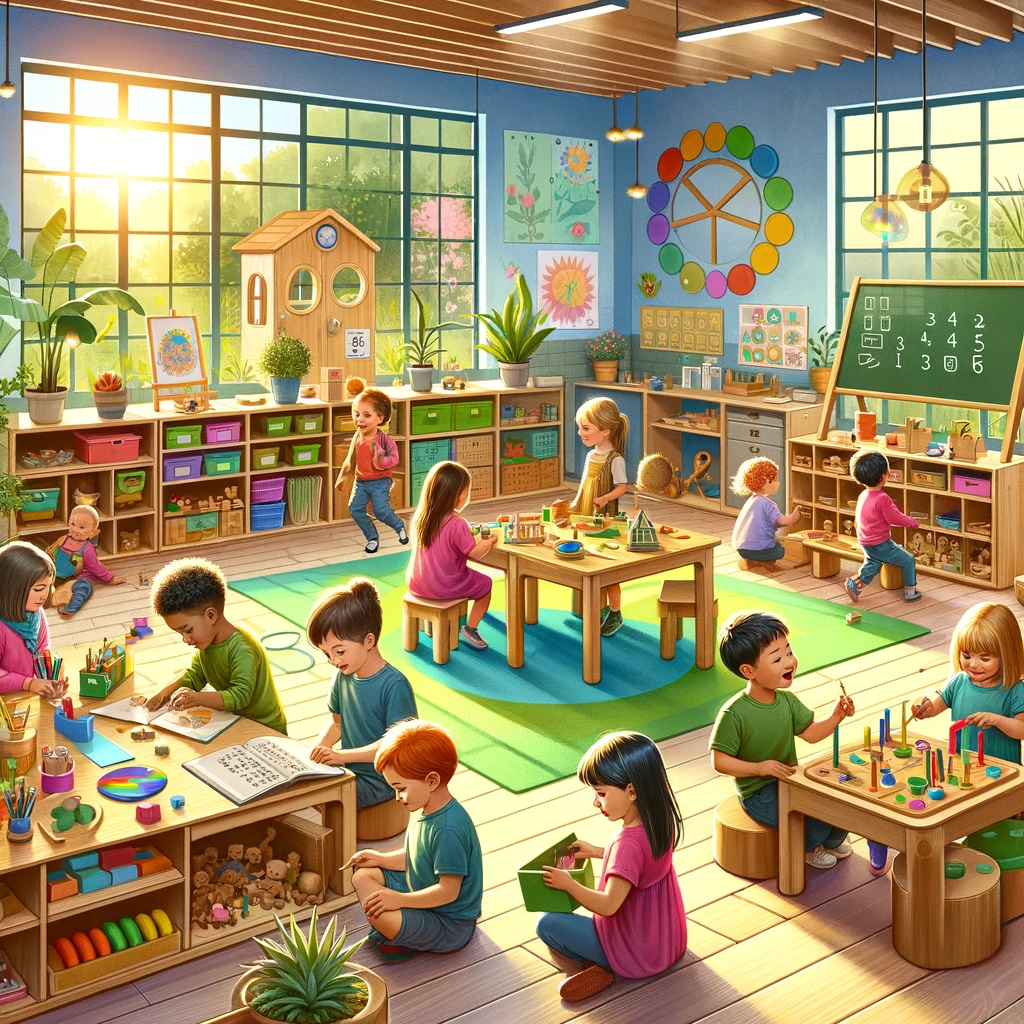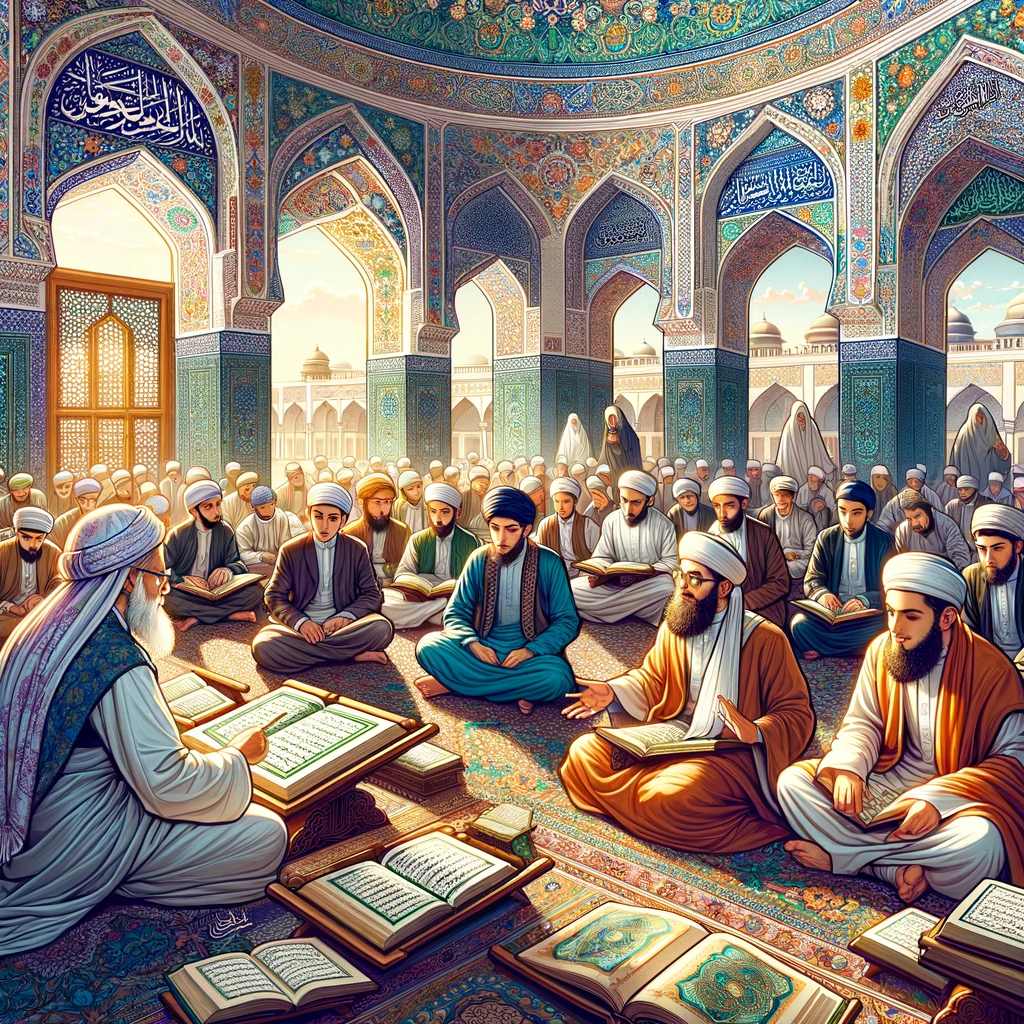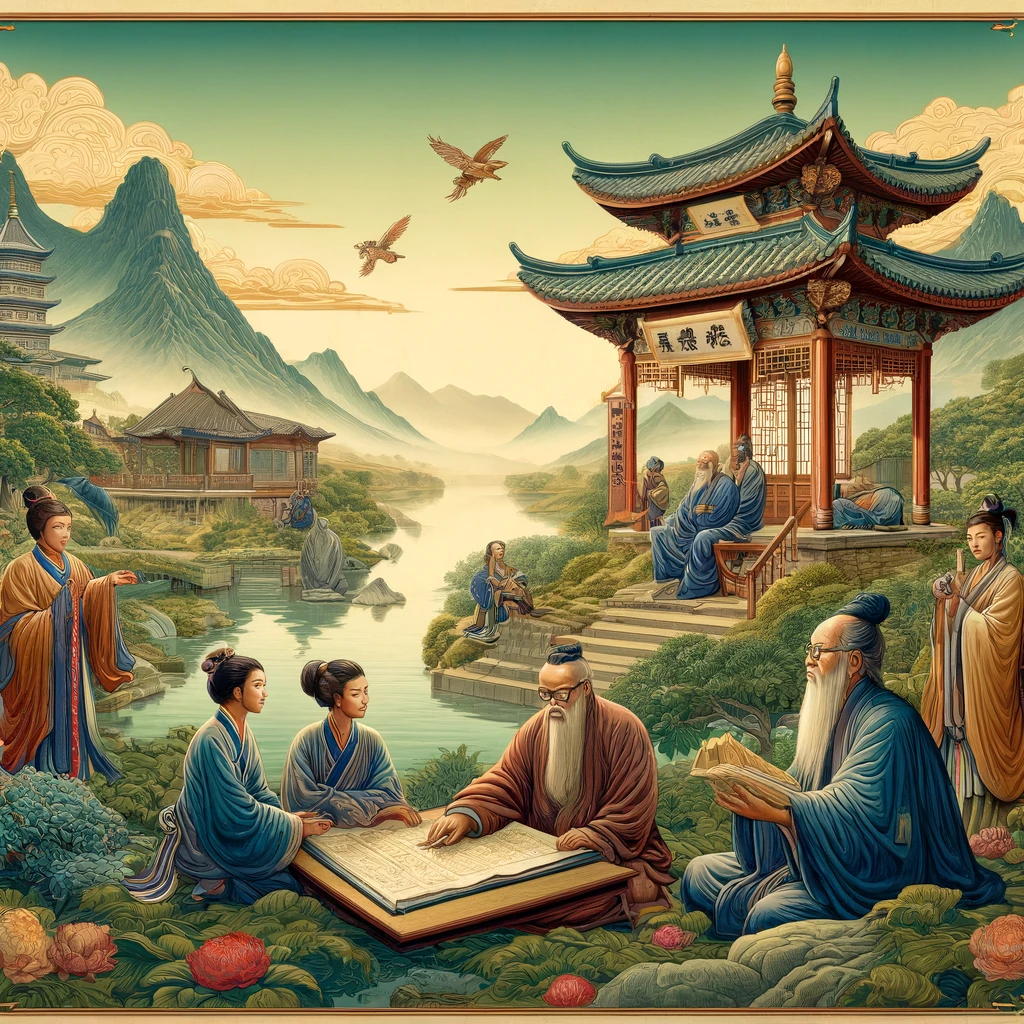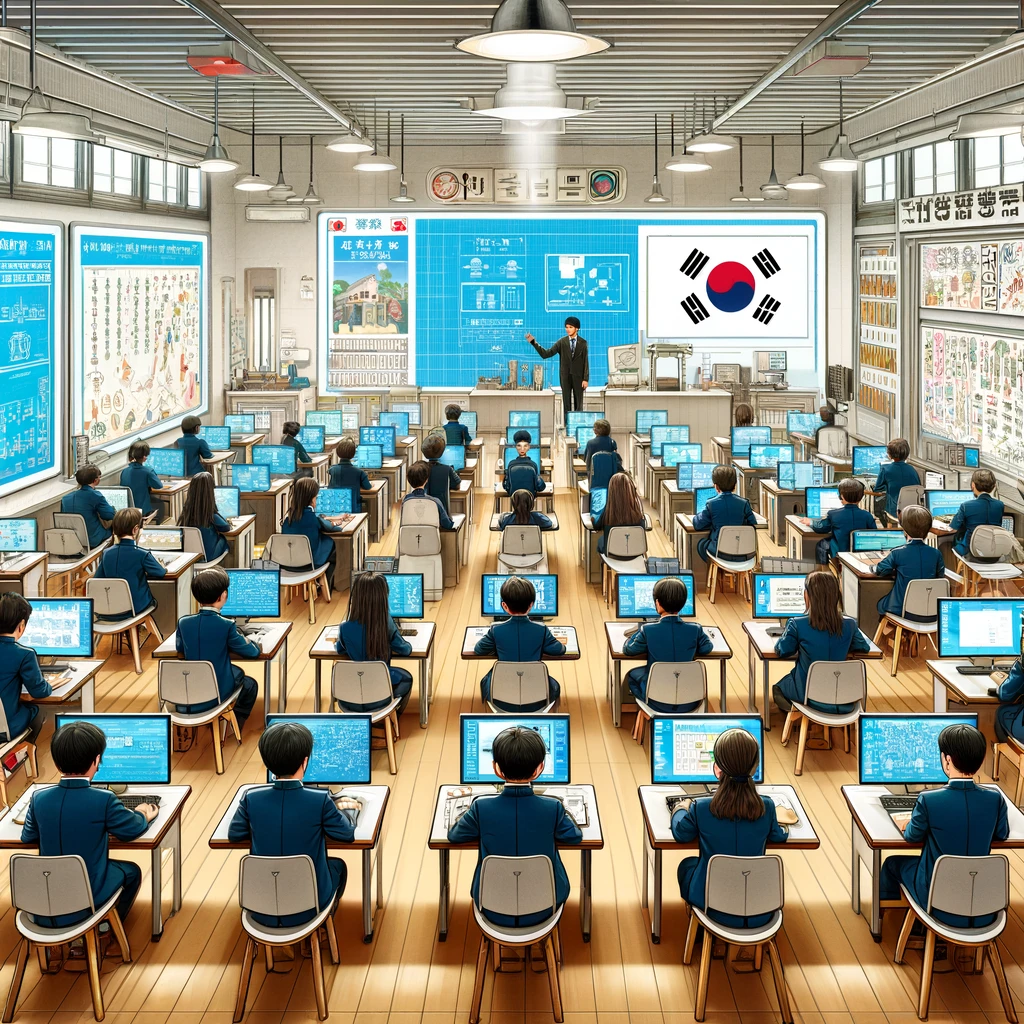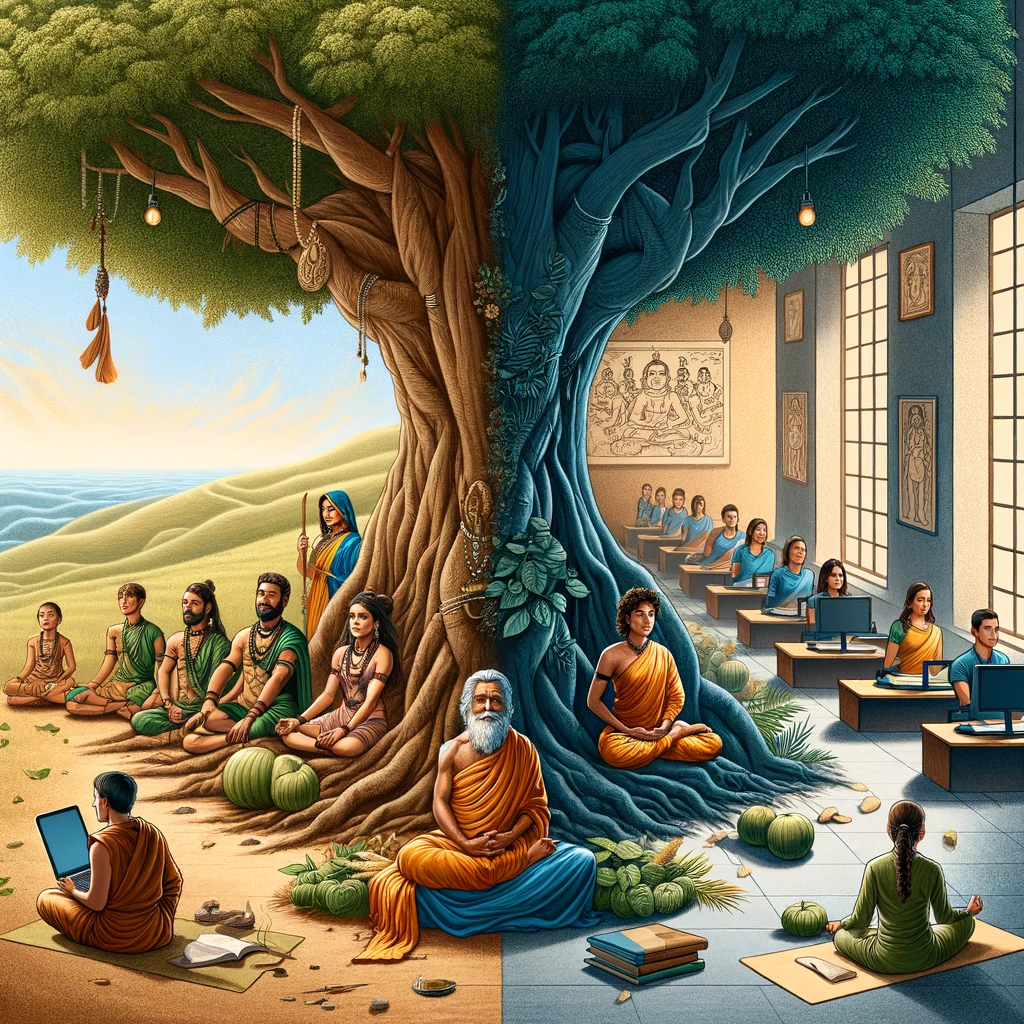
The Gurukul system, an ancient educational model from India, emphasizes holistic development, spiritual learning, and a mentorship-driven approach. Rooted in the Vedic period, this system presented a unique blend of living and learning under the same roof, where students, known as shishyas, would reside with their guru (teacher) in a familial, communal setting. This setting wasn’t just about academic learning but a comprehensive cultivation of discipline, values, and life skills.
Historical and Cultural Context
Historically, Gurukuls played a pivotal role in preserving and imparting Vedic knowledge and traditions, where teaching was deeply intertwined with the cultural and spiritual life of India. The curriculum was expansive, covering philosophical doctrines, sciences, mathematics, astrology, as well as practical skills like archery and warfare, as demonstrated in the lives of epic characters like Rama and Krishna who were products of such Gurukuls.
The Gurukul system was not merely an educational institution but a way of life that promoted a sustainable, disciplined lifestyle. The Gurukul was typically located in tranquil, natural settings, which facilitated a learning environment that was in harmony with nature.
Transition and Influence on Modern Education
Despite the decline of Gurukuls post-colonial era, their influence lingers in modern educational philosophies and practices. Today, the resurgence of interest in holistic and value-based education systems reflects the enduring legacy of the Gurukul system. Various modern educational initiatives in India, such as the Swaminarayan Gurukul and the Chinmaya International Foundation, illustrate attempts to integrate Gurukul principles of comprehensive, life-integrated learning into contemporary educational models.
The modern adaptations often focus on a blend of traditional values with current educational needs, incorporating technologies and modern pedagogical techniques. These institutions strive to maintain the guru-shishya tradition, emphasizing moral values and personal attention to each student’s development.
Modern Gurukuls and Global Reach
Today, the concept of Gurukuls has transcended Indian borders with establishments in places like Belgium and the United States where they continue to teach not only academic subjects but also Vedic mathematics, yoga, and philosophy, adapting to the needs of a global student body. This international presence underscores the universal appeal and adaptability of the Gurukul system’s core principles.
Moreover, in the era of digital technology, the emergence of E-Gurukuls offers Vedic and spiritual education online, making it accessible to a global audience. These platforms utilize the internet to continue the tradition of the Gurukul system, emphasizing personalized learning and spiritual growth.
The Gurukul system of ancient India offers a rich template for educational reform and innovation across the world. Its focus on holistic development, mentorship, and integration of life skills with academic learning presents a compelling alternative to the more fragmented modern education systems. By drawing on its values, contemporary education can offer more rounded and deeply engaging learning experiences that prepare students not only academically but also as conscientious members of society.
This blend of ancient wisdom with modern practicality not only enriches our educational practices but also helps cultivate individuals who are balanced, ethical, and capable of contributing thoughtfully to their communities.

Educational Philosophies and Teaching Methods
The Gurukul system’s teaching methodologies were profoundly different from today’s educational standards. The primary mode of learning was oral, with a significant emphasis on memorization of scriptures and texts, reflective discussions, and practical application of knowledge. This method encouraged not just rote learning but an understanding and internalization of the lessons taught.
The philosophical underpinnings of the Gurukul system revolved around a holistic approach to education, where physical, mental, spiritual, and emotional growth were given equal importance. This contrasts sharply with the often fragmented approach of modern education systems, which tend to segregate learning into distinct disciplines without integrating life skills or ethical considerations.
Impact on Character and Community
One of the most significant impacts of the Gurukul system was on character development. The system espoused values such as self-discipline, respect, honesty, and community service. Students were taught to live a life of ‘Dharma’ (righteousness) which included fulfilling one’s duties towards oneself, one’s family, teachers, community, and country. The close-knit community life of a Gurukul fostered a sense of responsibility and belonging among students, traits that are often encouraged but less organically integrated in modern educational settings.
The Teacher-Student Relationship
The guru-shishya (teacher-student) relationship in Gurukuls was deeply revered and personalized. This relationship was not limited to academic transactions but extended to moral and spiritual guidance, making the teacher a mentor and a parental figure. This is in stark contrast to the more formal and less personal teacher-student interactions typical in modern education systems, where individual attention is often limited due to larger class sizes and institutional constraints.
Integration of Gurukul Principles in Modern Systems
Modern educational systems can learn from the Gurukul approach by integrating its principles into contemporary curricula and teaching methodologies. For instance, the adoption of mentorship programs, where students are paired with mentors for their academic and personal development, can mimic the guru-shishya model on a scalable level. Additionally, incorporating interdisciplinary studies that combine academic learning with practical life skills can reflect the holistic learning approach of Gurukuls.
Moreover, with the growing emphasis on environmental sustainability, the Gurukul practice of living close to nature and using natural resources judiciously serves as a model for promoting ecological consciousness among students today.
Challenges and Criticisms
While the Gurukul system has many merits, it is not without its criticisms. The exclusivity of education in terms of caste and gender in historical Gurukuls has been a point of contention. Modern education seeks to be inclusive, providing equal opportunities regardless of a student’s background. Thus, while integrating Gurukul principles, it is crucial to adapt these in ways that promote inclusivity and equality.
Conclusion
In conclusion, the Gurukul system offers a rich repository of values and methods that could enrich modern educational practices. Its focus on holistic development, mentorship, and integrated learning can provide a more rounded and profound education experience. By adapting these age-old principles to contemporary realities, we can create an education system that not only imparts knowledge but also molds character and fosters a deep sense of responsibility towards self and society.
This exploration into the Gurukul system underscores its relevance and potential as a source of inspiration for modern educational reforms, ensuring the development of well-rounded, responsible, and capable individuals.
References
- Gurukul Education System in Ancient India | Leverage Edu. Retrieved from Leverage Edu
- Gurukul System of Education in India [Gurukula System]. Retrieved from Guiding Master
- Gurukul Echoes: Reviving Ancient Wisdom in Modern Education | Udayavani. Retrieved from Udayavani
- History of Gurukul Education System | Vediconcepts. Retrieved from Vediconcepts
- Gurukula – Wikipedia. Retrieved from Wikipedia