The landscape of education is transforming rapidly, and lifelong learning has become an essential component of personal and economic development. Traditionally, education was viewed as a linear journey, starting in early childhood and concluding with higher education, leading directly into the workforce. However, with the advent of technology and the dynamic nature of global economies, continuing education beyond this traditional path has become crucial. The concept of lifelong learning encompasses all stages of life, providing opportunities to acquire new skills, adapt to changing circumstances, and foster intellectual growth at any age. This shift also brings about diverse economic implications, influencing both individual livelihoods and broader economic trends. By investing in lifelong learning, individuals and societies can expect to enhance productivity, stimulate innovation, and ultimately, fuel economic growth. Meanwhile, significant challenges persist, such as the need for adequate infrastructure, accessible resources, and frameworks to measure educational outcomes effectively. As we delve deeper into the economics of lifelong learning, we will explore the economic benefits it promises and the hurdles it faces, providing insights into how education policies can be tailored to support this evolving paradigm.
The Economic Benefits of Lifelong Learning
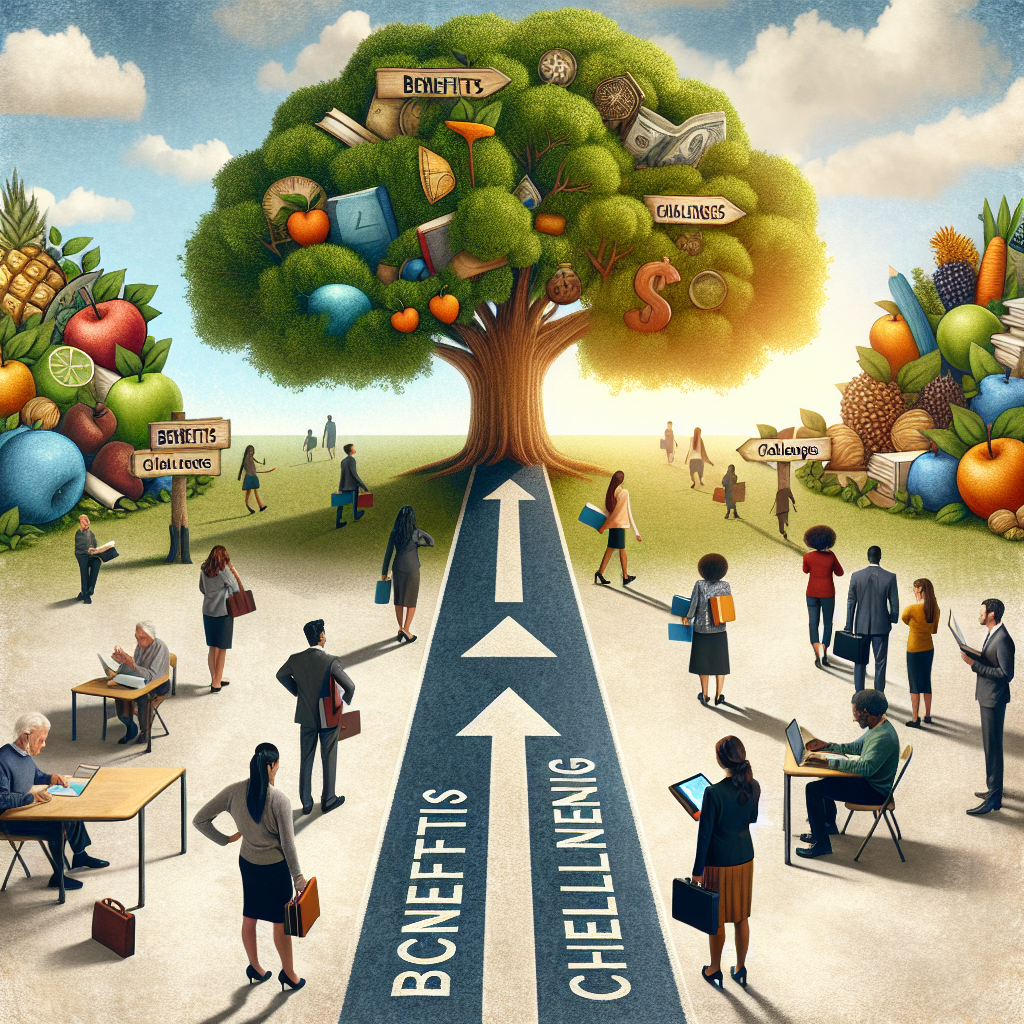
Lifelong learning is not merely an educational concept but a vital economic strategy that holds promise for individual growth and societal progress. One of the primary economic benefits of lifelong learning is the enhancement of human capital. By continuously acquiring new skills and knowledge, individuals increase their employability and adaptability within the labor market. This continuous improvement equips them to meet the evolving demands of industries, thereby reducing unemployment rates and contributing to higher employment opportunities. Furthermore, lifelong learning cultivates a culture of innovation and creativity, enabling economies to adapt to technological advancements and globalization. For businesses, employees who engage in lifelong learning are instrumental as they bring fresh perspectives and problem-solving skills that drive innovation and productivity. On a broader scale, countries that invest in and encourage lifelong learning typically show more robust economic growth, higher GDP per capita, and improved standards of living. These benefits collectively contribute to a more dynamic and resilient economy. Additionally, lifelong learning decreases the skills gap often found in sectors where rapid technological change occurs, ensuring that the workforce remains competitive globally.
Challenges in Implementing Lifelong Learning
While the benefits of lifelong learning are clear, implementing effective lifelong learning systems poses significant challenges. One major hurdle is the accessibility and affordability of educational resources. Not all individuals have the same access to learning materials, primarily due to financial constraints or lack of digital infrastructure, which is particularly problematic in lower-income regions and developing countries. This disparity can result in unequal opportunities, inhibiting the full economic potential of a diverse workforce. Another challenge is the creation of relevant, up-to-date curriculums that meet the needs of a rapidly changing job market. Educators must constantly update their teaching methods and materials to keep pace with technological advancements, often requiring large investments of time and resources. Furthermore, motivating individuals to participate in lifelong learning initiatives is a challenge in itself. Balancing educational pursuits with work, family, and other personal responsibilities can deter individuals from pursuing further education. Employers also play a critical role in supporting lifelong learning by providing opportunities for employee training and development. Without institutional support, such as flexible work schedules or financial incentives, employees may find it difficult to engage in ongoing education.
Policy Measures to Support Lifelong Learning
To effectively support lifelong learning, government policies and institutional frameworks must evolve to address present-day challenges. Policies aimed at increasing access to education are paramount, especially those that focus on digital infrastructure and resource allocation to underserved communities. Investing in broadband technology and providing free or subsidized online courses can help bridge the educational divide. Additionally, implementing financial aids such as grants, loans, or scholarships targeted towards adult learners can alleviate the economic burden of pursuing further education. Developing partnerships between educational institutions and industries can ensure curricula remain relevant to labor market needs, thereby facilitating a smoother transition for learners into the workforce. Such collaborations can also foster apprenticeship programs and on-site training opportunities that align education with practical work experience. Policymakers should also consider innovative models and flexible learning environments, such as modular courses and micro-credentials, which allow learners to gain specific skills and knowledge without the commitment to long-term degree programs. By fostering environments that value and promote educational growth at all career stages, governments can enhance both individual careers and national competitiveness.
The Role of Technology in Lifelong Learning
Technology plays a pivotal role in supporting and advancing lifelong learning initiatives. The digital age has revolutionized access to knowledge, enabling learners of all ages to engage in education through various online platforms, apps, and digital resources. E-learning programs and massive open online courses (MOOCs) have democratized education by providing affordable and flexible learning options across geographies. These platforms often offer courses from top universities and institutions, making high-quality education more accessible than ever before. Artificial intelligence and machine learning are further enhancing personalized learning experiences, where educational content and pacing can be tailored to the individual needs and learning styles of each student. Virtual reality and augmented reality technologies are also playing a significant role by providing immersive learning experiences that can mimic real-world scenarios, particularly beneficial in areas such as vocational training and complex skill acquisition. However, with all these technological advances, there’s a need to address digital literacy, ensuring all learners have the necessary skills to fully benefit from technology-enhanced learning environments. Moreover, safeguarding privacy and securing data within these digital platforms is crucial to maintaining trust and integrity in lifelong learning systems.
Sociocultural Impact of Lifelong Learning
Beyond its economic implications, lifelong learning carries substantial sociocultural benefits. It promotes social inclusion and personal growth, empowering individuals to contribute meaningfully to society and continuously evolve throughout their life’s journey. This constant development cultivates a society rich in informed and culturally aware citizens who are capable of critical thinking and independent judgment. The spirit of lifelong learning fosters greater civic participation as individuals become more engaged with their communities, contributing to social cohesion and stability. Educational initiatives that focus on cultural awareness and communication skills can enhance intercultural understanding, essential in today’s multicultural societies. Additionally, lifelong learning can play a vital role in improving mental health and well-being by providing individuals with a sense of purpose and achievement throughout their lives. As it encourages persistent learning and self-improvement, it also contributes to lower incidences of mental health issues associated with isolation and inactivity. In essence, lifelong learning bridges generational and cultural gaps, promoting a society that values knowledge and continuous development, well-equipped to tackle future social and economic challenges.
Conclusion:
In conclusion, lifelong learning is an indispensable component of modern economies, offering an array of benefits that extend beyond the traditional educational framework. By promoting continuous skill development and knowledge acquisition, lifelong learning enhances human capital, fosters innovation, and supports economic growth. However, to harness these benefits fully, it is crucial to overcome the challenges of accessibility, relevance, and motivation. Through strategic policy-making, technological integration, and cultural valuation of continuous learning, societies can build resilient, adaptable, and inclusive economies. Furthermore, embracing lifelong learning has profound sociocultural impacts, promoting greater civic engagement and improving mental and social health. Ultimately, the successful integration of lifelong learning into the broader educational and economic structures can significantly contribute to a more prosperous and harmonious society, capable of navigating the complexities of the modern age. As we continue to advance, it’s imperative that we view education not as a finite journey but as an enduring path toward collective and individual advancement.


