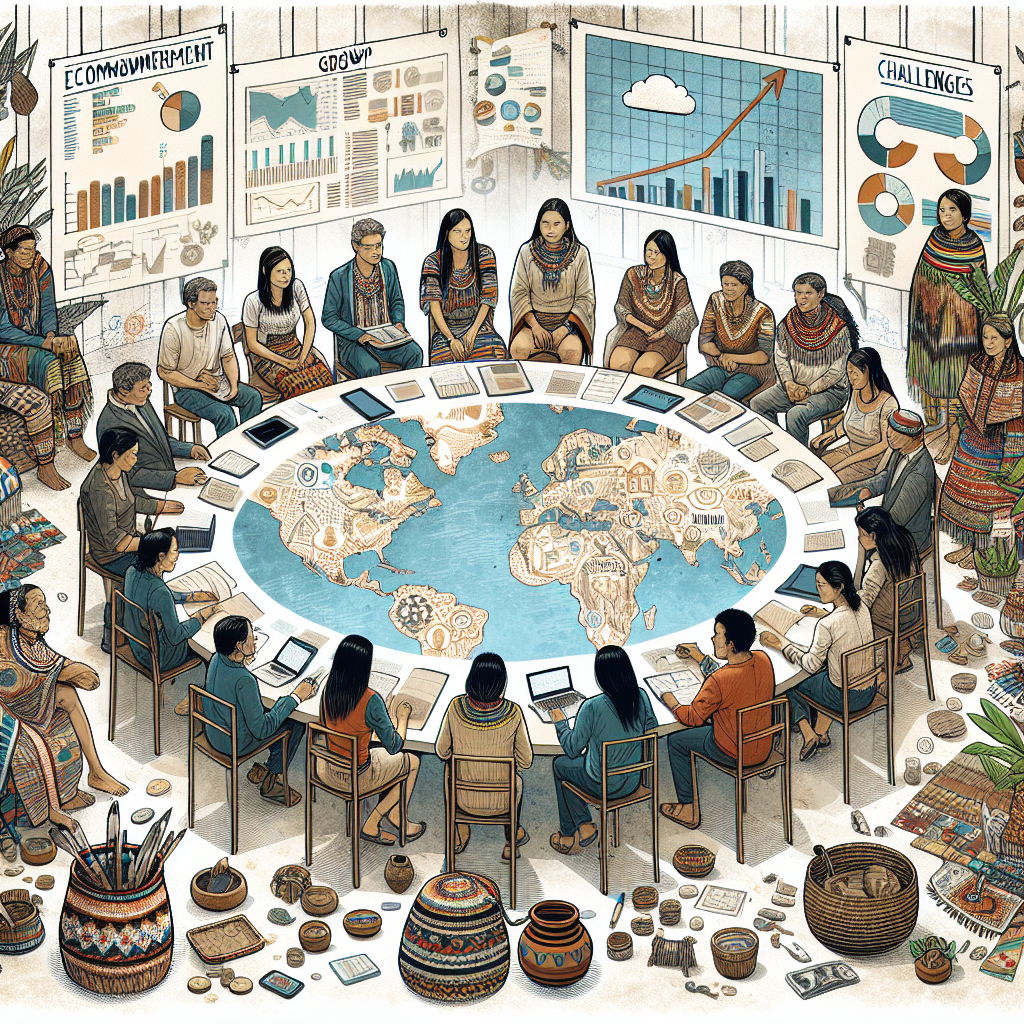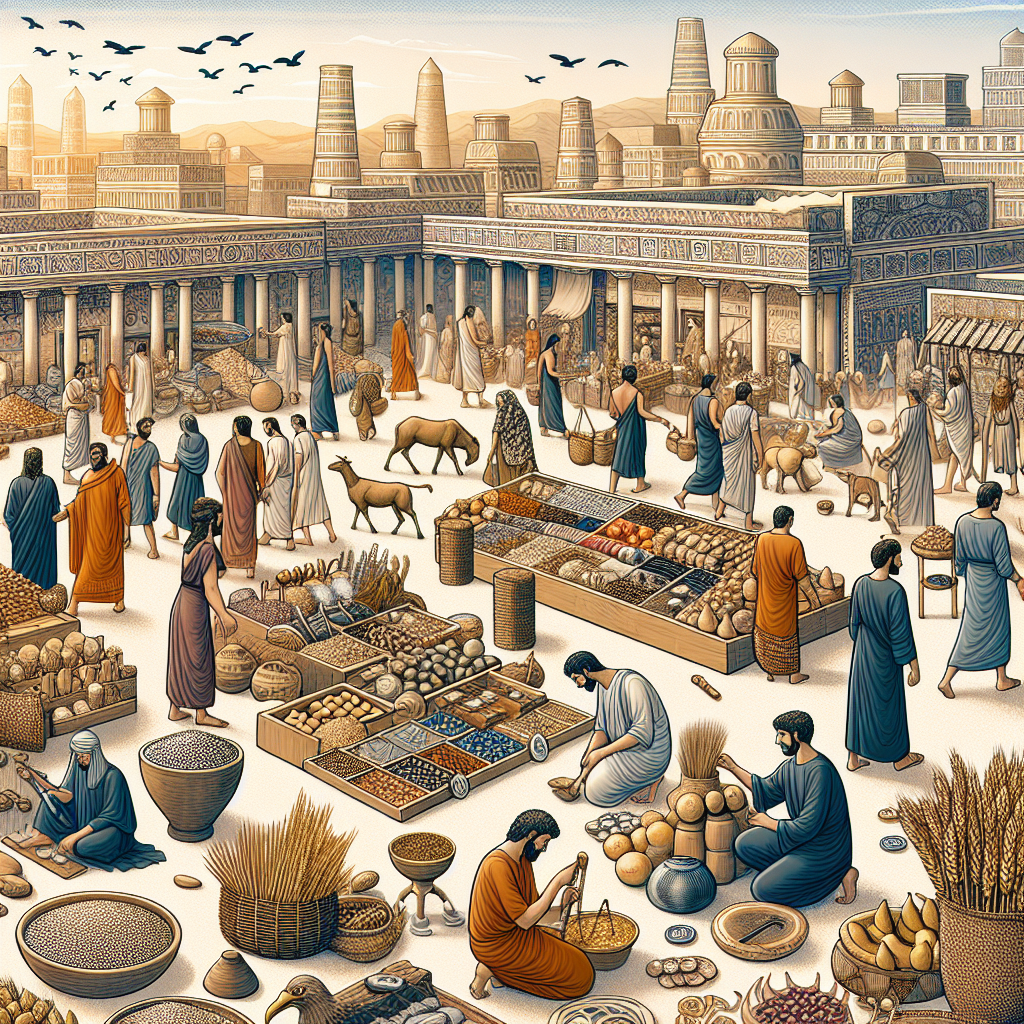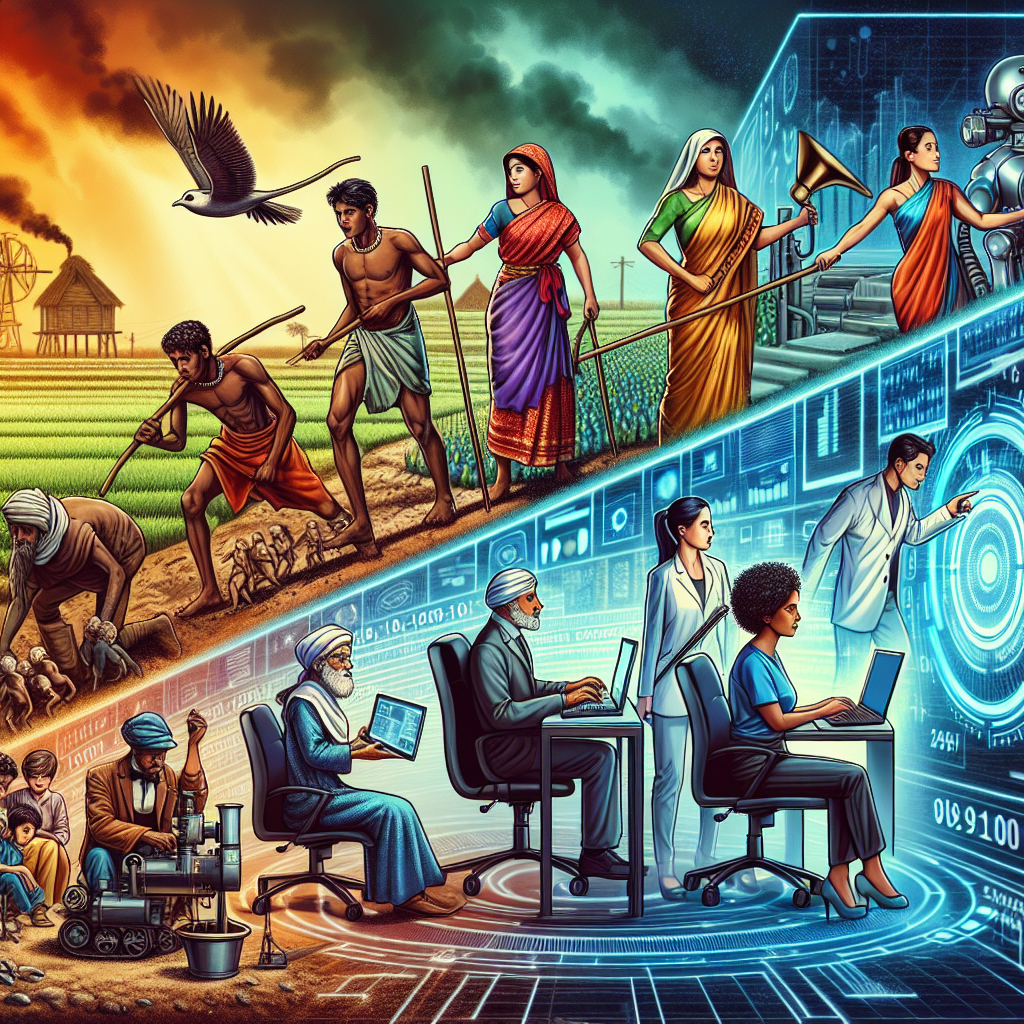
Understanding the intricate relationship between technological advancements and economic growth is paramount to appreciating societal progression. When we talk about the economic history of technology, we’re delving into a rich narrative about how innovations have driven economies to new heights, transforming livelihoods, societal structures, and even global power dynamics. This story is one of dynamic change, persistent challenges, and stunning achievements.
Historically, the development and diffusion of technology have been fundamental components of economic growth. Technological progress not only enhances productivity but also opens new avenues for economic activities. From the mechanization of agriculture in early civilizations to the digital revolution of the 21st century, each pivotal technological leap has altered the economic landscape, affecting employment, income distribution, and the standard of living.
The transformational power of technology can be best observed by tracing significant periods such as the Industrial Revolution, a time when manufacturing processes underwent drastic changes with the introduction of machinery. The subsequent rise of industrial capitalism marked a distinct economic shift, laying down the foundations for modern economies. Another noteworthy era is the Information Age, characterized by an unprecedented acceleration of technological development, which has already reshaped industries and continues to do so intensely.
However, it’s essential to recognize that while technology can drive economic growth, it also presents challenges such as economic disparity and job displacement. Yet, history shows that societies have continually adapted, finding new ways to leverage technological innovations to tackle these issues. Hence, examining the economic history of technology offers invaluable insights into how we might manage current and future technological shifts effectively to maximize benefits and minimize downsides.
Industrial Revolution: The Mechanization of Economies
The Industrial Revolution marks one of the most significant phases in the economic history of technology. Beginning in the late 18th century, this era was defined by a transition from agrarian economies to ones dominated by industry and machine manufacturing. This transformation was propelled by key technological advances, including the steam engine, the power loom, and advances in iron production.
The steam engine played a fundamental role by providing an efficient source of power that was not reliant on water or wind, allowing for greater flexibility and productivity in various industries. The cotton and textile industries, in particular, experienced tremendous growth due to mechanization, drastically increasing output while reducing the amount of labor required.
Also significant was the establishment of the factory system, which centralized production, reduced costs, and significantly increased output. This shift wasn’t just about better production processes; it radically altered the labor market. As factories sprouted, they drew people from rural areas into urban centers, giving rise to significant demographic changes and urbanization trends.
Despite the economic boom that technologies like the steam engine triggered, the period wasn’t without its challenges. The very technologies that boosted productivity also led to labor displacement and growing inequality. As machines replaced manual labor, skilled craftsmen found their livelihoods threatened, while burgeoning industrialists amassed considerable wealth. This created a stark economic divide, amplifying social tensions and impacting economic policy in numerous ways.

The Second Industrial Revolution: Electrical Power and Beyond
The Second Industrial Revolution, spanning the late 19th and early 20th centuries, introduced a new wave of technological innovations that further pushed economic growth. Electricity emerged as a revolutionary power source, complementing and eventually surpassing coal, enabling longer working hours and more efficient manufacturing processes.
During this period, the organization of production and the nature of work underwent fundamental transformations. Henry Ford’s introduction of assembly line production in car manufacturing underpinned a new era of mass production. This not only lowered the cost of goods but also made them more accessible to the average consumer, sparking a rise in consumerism.
Additionally, advancements in communication and transportation technologies played a crucial role in economic integration. The invention of the telephone, telegraph, and the expansive railway networks facilitated more efficient business operations and created interconnected markets. This meant that trade was no longer limited by geographical boundaries, paving the way for globalization.
However, as with the first Industrial Revolution, this period was marked by growing pains. Economic benefits were not evenly distributed, and labor movements began forming as a response to poor working conditions and inequality. Governments were prompted to introduce labor regulations and social welfare policies, influencing not only economic practices but social dynamics on a global scale.
The Information Age: Digital Technologies and Economic Restructuring
Fast forward to the late 20th and early 21st centuries, the world witnessed another monumental shift in the form of the Information Age. Unlike previous periods centered on physical inventions, this era was marked by the rise of digital technology and the Internet, fundamentally transforming how we live and work.
The spread of computers, telecommunications technologies, and the World Wide Web facilitated new forms of economic activities. The digitalization of information and new means of communication enabled businesses to operate more efficiently, access global markets, and innovate at a pace previously unimaginable.
E-commerce emerged as a cornerstone of the new digital economy, allowing companies to reach customers across the globe. This period also saw the rise of tech giants like Apple, Amazon, and Google, which not only dominated their respective fields but also reshaped entire industries—from retail to entertainment to transportation.
Yet, with great advancements came great challenges. The fast-paced technological changes led to shifts in job markets, with skills like data science, programming, and digital marketing in high demand. At the same time, automation and artificial intelligence raised concerns about job security and the potential for significant workforce displacement. Societies have been grappling with ways to address these issues, often citing the need for updated educational systems and policies that support technological transitions.
Economic Growth Theory: Technology’s Role
Understanding the role of technology in economic growth necessitates exploring various economic theories. Historically, economists have developed different models to explain the complex relationship between technology and economic expansion.
Classical economics, for instance, largely ignored technological change, focusing instead on land, labor, and capital as the primary inputs of economic growth. However, this changed with John Maynard Keynes and the Keynesian economic model, which emphasized the impact of demand and investment in propelling economic growth, indirectly acknowledging the importance of technological advancements.
The modern theories, particularly the Solow-Swan model, integrated technology as an exogenous factor influencing productivity. According to this model, technological innovation could lead to sustained economic growth even in the absence of additional capital or labor input.
Paul Romer’s endogenous growth theory further built on this by suggesting that technological change is influenced by economic activities and is an endogenous outcome of investments in human capital, innovation, and knowledge. This placed human ingenuity and innovation at the core of economic growth, portraying technology not just as an external force but as integral to economic strategy and policy-making.
These theories highlight how technological innovation is not just a product of chance but a strategic asset that societies can harness through targeted investments in education, research, and infrastructure. Understanding and utilizing these theories are crucial for policymakers aiming to foster an environment conducive to technological innovation and sustained economic growth.
The Future of Technology and Economics
Looking ahead, the intersection of technology and economics continues to be a critical area of focus. As technologies advance at rapid rates—with developments in artificial intelligence, machine learning, renewable energy, and biotechnology—the potential for significant economic transformation is enormous.
The digital economy shows no signs of slowing down, with advancements in the Internet of Things, blockchain, and quantum computing poised to redefine industries once more. Additionally, the environmental challenges facing the planet demand innovative solutions where green technologies can play a pivotal role in sustainable economic development.
Countries worldwide are strategizing on how to not only benefit from these advancements but also manage associated risks. Policies and frameworks are being constructed to foster innovation while safeguarding labor markets and addressing economic inequalities. Leaders are tasked with ensuring that future technological advancements act as catalysts for broad-based economic growth, benefiting a wide spectrum of society rather than a privileged few.
Investment in education and skill development remains a focal point. Preparing the current and future workforce for inevitable technological disruptions is crucial in maintaining sustainable economic growth. Moreover, collaboration across borders in technological development and policy formulation could help mitigate risks and enhance global economic stability.
Conclusion: Harnessing Technology for Economic Prosperity
The historical narrative of technological innovations driving economic growth paints a vivid picture of human progress. From the steam engine to the Internet, technology has consistently acted as the engine of economic change, reshaping the way societies operate and thrive.
While these innovations have brought about challenges, historical patterns show that adaptive strategies and forward-thinking policies can mitigate adverse effects. The crucial task is to ensure that technology serves as a force for positive transformation, enhancing productivity, creating new economic opportunities, and ultimately improving living standards worldwide.
Understanding the economic history of technology provides invaluable insights into current and future challenges. It underscores the importance of investing in human capital, fostering innovative environments, and formulating policies that embrace technological change while ensuring economic inclusivity.
As we stand on the brink of further technological advancements, the lessons of the past can guide us in leveraging these innovations responsibly and equitably, heralding an era where technology continues to be a decisive factor in economic prosperity and improved quality of life for all.