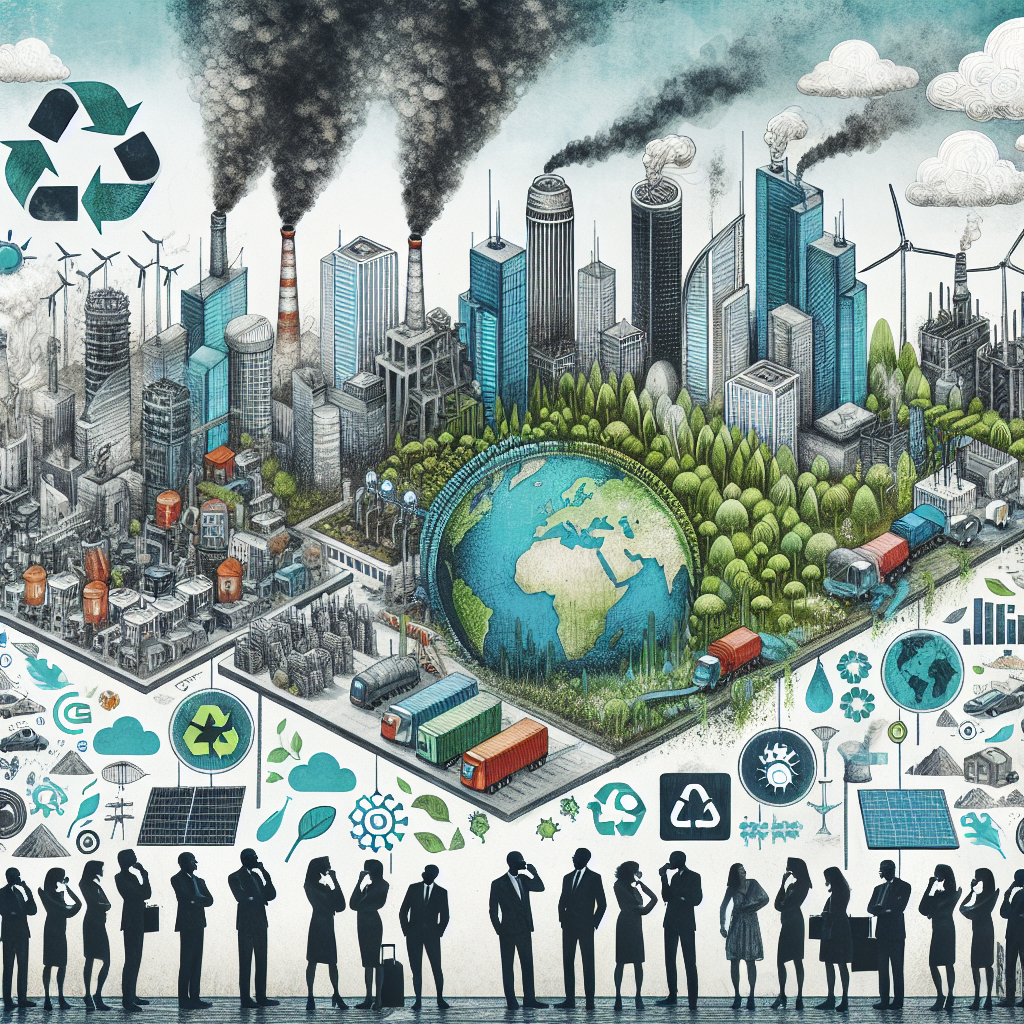
Urbanization is one of the most defining characteristics of human civilization in the 21st century. It has created hubs of economic growth, innovation, and cultural transformation. Driven by both economic incentives and socio-political factors, cities have burgeoned, becoming the focal points of human activity. However, this rapid urban expansion comes with significant environmental and economic challenges. The interrelation between urbanization and environmental economics addresses how economic activities within urban settings impact environmental sustainability and what strategies can be implemented to mitigate these effects.
The growth of urban areas is not merely a demographic phenomenon; it is also an economic event. Cities offer a concentration of markets, labor, and innovation, which attract more investments and people. However, this influx can strain local resources, leading to negative externalities such as pollution, loss of biodiversity, and increased carbon emissions. The study of environmental economics in the context of urbanization seeks to understand these dynamics and propose sustainable solutions.
This article explores the economic impacts of urbanization on the environment, evaluates different mitigation strategies that can be adopted, and sheds light on the importance of sustainable practices for future urban development. Understanding these elements is crucial for policymakers, urban planners, economists, and the general population as they navigate the challenges and opportunities presented by urbanization.
Economic Impacts of Urbanization
The economic impacts of urbanization are multifaceted and can be both positive and negative. On the positive side, urban centers are engines of economic growth. They provide economies of scale, innovation hubs, and a concentration of services and markets that stimulate economic activities and job creation. This phenomenon contributes to higher productivity levels and improved living standards. Moreover, cities facilitate human capital development through better access to education, healthcare, and social services.
However, urbanization also brings about significant economic challenges. The rapid influx of people can strain infrastructure, leading to traffic congestion, inadequate public services, and housing shortages. As a result, cities often face increased costs for expanding and maintaining infrastructure. Furthermore, the environmental degradation caused by urbanization, such as air and water pollution, comes with economic costs, including healthcare expenses and loss of ecosystem services.
Another critical economic impact is the inequality that often accompanies urbanization. The wealth generated in urban areas is not always evenly distributed, leading to socio-economic disparities. These inequities can result in marginalized communities being disproportionately affected by environmental hazards, further exacerbating economic and social divides.
Addressing the economic impacts of urbanization requires a balanced approach that promotes sustainable growth while mitigating negative consequences. Policymakers and urban planners must focus on creating resilient urban environments that can adapt to the demands of growing populations without compromising environmental and economic sustainability.
Environmental Degradation Due to Urbanization
Urbanization inevitably leads to environmental degradation, with cities being significant contributors to pollution, habitat destruction, and overexploitation of natural resources. One of the most evident environmental impacts of urbanization is air pollution. The concentration of vehicles, industrial activities, and energy consumption in urban areas leads to high levels of emissions, including greenhouse gases, particulate matter, and toxic pollutants. These emissions contribute to climate change, respiratory diseases, and urban heat islands, affecting both human health and environmental quality.
Water pollution is another major issue associated with urbanization. Urban runoff, industrial discharges, and inadequate wastewater treatment systems can contaminate local water bodies, reducing water quality and endangering aquatic ecosystems. Additionally, the increased extraction of water resources to meet the demands of growing urban populations can lead to water scarcity and stress on freshwater systems.
The expansion of urban areas often encroaches on natural habitats, leading to habitat fragmentation and loss of biodiversity. This loss of green spaces reduces the availability of ecosystem services, such as air and water purification, climate regulation, and recreational opportunities. Moreover, the conversion of land for urban use can disrupt natural processes, contribute to soil degradation, and increase the vulnerability of cities to natural disasters like floods and landslides.
Addressing environmental degradation due to urbanization requires urban planning and policy interventions that prioritize sustainable development and environmental conservation. Implementing green infrastructure, enhancing public transportation systems, and promoting energy efficiency are some of the strategies that can help mitigate the negative environmental impacts of urbanization.

Mitigation Strategies for Environmental Impacts
To mitigate the environmental impacts of urbanization, comprehensive strategies must be implemented. These strategies should integrate economic, social, and environmental considerations to create sustainable urban environments. One effective approach is the development of green infrastructure. This includes incorporating green spaces, such as parks, green roofs, and urban forests, into city planning. Green infrastructure not only enhances the aesthetic value of urban areas but also provides essential ecosystem services, such as stormwater management, air and water purification, and temperature regulation.
Another critical strategy is improving public transportation systems. Efficient and reliable public transit can reduce the reliance on private vehicles, thereby decreasing traffic congestion and emissions. Encouraging the use of non-motorized transport options, such as walking and cycling, can also contribute to reducing urban air pollution and promoting a healthier population.
Energy efficiency and the adoption of renewable energy sources are crucial for sustainable urban development. Implementing building codes and standards that promote energy-efficient construction and retrofitting existing buildings with energy-saving technologies can significantly reduce urban energy consumption and emissions. Additionally, investing in renewable energy infrastructure, such as solar panels and wind turbines, can help cities transition to cleaner energy sources, reducing their carbon footprint.
Waste management is another area where urbanization impacts can be mitigated. Implementing comprehensive recycling programs, reducing waste generation through sustainable consumption practices, and promoting the circular economy can minimize the amount of waste that ends up in landfills and reduces environmental pollution.
These mitigation strategies require collaborative efforts between governments, businesses, and communities. Policymakers must create and enforce regulations that encourage sustainable practices, while businesses can innovate and implement environmentally friendly technologies. Community engagement and education are also crucial for fostering a culture of sustainability and ensuring the success of mitigation efforts.
The Role of Policy and Governance
Policy and governance play a pivotal role in addressing the environmental economics of urbanization. Effective urban governance requires the formulation and implementation of policies that promote sustainable development and environmental protection. These policies must be informed by scientific research and data to ensure they are evidence-based and can effectively address the challenges posed by urbanization.
One of the key policy areas is land use planning. Zoning regulations and land use policies should promote sustainable urban development by encouraging compact, mixed-use development that reduces sprawl and preserves green spaces. Integrating environmental considerations into land use planning can help minimize habitat destruction, reduce the urban heat island effect, and promote sustainable transportation options.
Environmental regulations are also critical for mitigating the impacts of urbanization. Governments must enforce laws that limit emissions from industries and vehicles, control water pollution, and protect natural habitats. Implementing economic instruments, such as carbon pricing and pollution taxes, can provide financial incentives for businesses and individuals to adopt environmentally friendly practices.
Additionally, governance structures must facilitate stakeholder engagement and collaboration. Inclusive decision-making processes that involve local communities, businesses, and other stakeholders can ensure that policies are responsive to the needs and preferences of those affected. Transparent governance and accountability mechanisms are also essential for building public trust and ensuring the effective implementation of policies.
Finally, international cooperation is necessary to address the global nature of many environmental challenges associated with urbanization. Cities around the world can benefit from sharing best practices, technological innovations, and policy frameworks to promote sustainable urban development. International agreements and partnerships can also facilitate the mobilization of resources and the implementation of large-scale environmental initiatives.
Case Studies of Sustainable Urbanization
Examining case studies of cities that have successfully implemented sustainable urbanization practices can provide valuable insights and lessons for other urban areas. One notable example is Copenhagen, Denmark. Copenhagen has made significant strides in promoting sustainability through its ambitious climate action plans. The city has invested heavily in cycling infrastructure, making bicycles a dominant mode of transportation. It has also implemented energy-efficient building codes and integrated renewable energy sources into its energy mix. As a result, Copenhagen aims to become carbon neutral by 2025.
Another example is Curitiba, Brazil. Curitiba is renowned for its innovative public transportation system, which includes an extensive network of bus rapid transit (BRT) systems. This system has significantly reduced traffic congestion and air pollution while providing affordable and efficient transportation options for residents. In addition to its transportation initiatives, Curitiba has also implemented extensive green space and park development, enhancing urban biodiversity and providing recreational opportunities for its citizens.
Singapore is another city that has embraced sustainable urbanization. The city-state has implemented strict land use planning and zoning regulations to manage its limited land resources efficiently. Singapore has also invested in green infrastructure, such as vertical gardens and green roofs, to mitigate the urban heat island effect and enhance urban aesthetics. Additionally, the city has implemented advanced waste management and water recycling systems, reducing its environmental footprint and ensuring resource sustainability.
These case studies demonstrate that sustainable urbanization is achievable through comprehensive planning, innovative solutions, and collaborative efforts. They highlight the importance of adopting an integrated approach that considers economic, social, and environmental factors to create resilient and sustainable urban environments.
Future Directions for Sustainable Urbanization
As urbanization continues to accelerate globally, it is crucial to explore future directions for sustainable urbanization. One emerging trend is the concept of smart cities. Smart cities leverage technology and data to enhance the efficiency and sustainability of urban systems. By integrating information and communication technologies (ICT) with urban infrastructure, smart cities can optimize resource use, improve service delivery, and reduce environmental impacts. Examples of smart city initiatives include intelligent transportation systems, smart grids, and urban sensors that monitor air quality and energy consumption in real-time.
Another promising direction is the development of eco-cities. Eco-cities are designed to be environmentally friendly and self-sufficient, with a focus on minimizing resource consumption and waste generation. These cities incorporate sustainable practices in all aspects of urban life, from energy and water use to transportation and waste management. An example of an eco-city is Masdar City in the United Arab Emirates, which aims to be a zero-carbon, zero-waste city powered by renewable energy sources.
Nature-based solutions (NBS) are also gaining traction as a future direction for sustainable urbanization. NBS involve using natural processes and ecosystems to address urban challenges, such as climate change, flood management, and air pollution. Implementing green roofs, urban wetlands, and green corridors are examples of NBS that can enhance urban resilience, biodiversity, and quality of life.
Finally, fostering inclusive and participatory urban governance will be crucial for the future of sustainable urbanization. As cities grow, it is essential to involve diverse stakeholders in decision-making processes to ensure that urban development is socially equitable and responsive to the needs of all residents. This includes engaging marginalized communities, promoting gender equality, and ensuring that the benefits of urbanization are shared broadly.
These future directions highlight the need for innovative and holistic approaches to urban planning and development. By embracing technology, nature-based solutions, and inclusive governance, cities can navigate the challenges of urbanization and create sustainable, livable environments for future generations.
Conclusion
Urbanization is an inevitable and transformative force shaping the 21st century. While it brings significant economic opportunities and benefits, it also poses considerable environmental and economic challenges. The study of environmental economics in the context of urbanization helps us understand these dynamics and devise strategies to mitigate the negative impacts.
Addressing the environmental impacts of urbanization requires a multifaceted approach that integrates economic, social, and environmental considerations. Mitigation strategies, such as green infrastructure, public transportation improvements, energy efficiency, and comprehensive waste management, are essential for promoting sustainable urban development. Policy and governance play a crucial role in implementing these strategies by creating an enabling environment for sustainable practices and facilitating stakeholder collaboration.
Examining case studies of cities that have successfully implemented sustainable urban practices provides valuable insights and inspiration. Copenhagen, Curitiba, and Singapore are examples of cities that have embraced innovative solutions and comprehensive planning to achieve sustainable urbanization.
Looking ahead, the future of sustainable urbanization lies in embracing emerging trends such as smart cities, eco-cities, nature-based solutions, and inclusive governance. By adopting these approaches, cities can navigate the challenges of urbanization and create resilient, livable, and sustainable environments for current and future generations.
Ultimately, the journey toward sustainable urbanization is a collective effort that requires the commitment and collaboration of governments, businesses, communities, and individuals. By working together, we can ensure that urbanization contributes to economic prosperity, environmental sustainability, and social well-being.