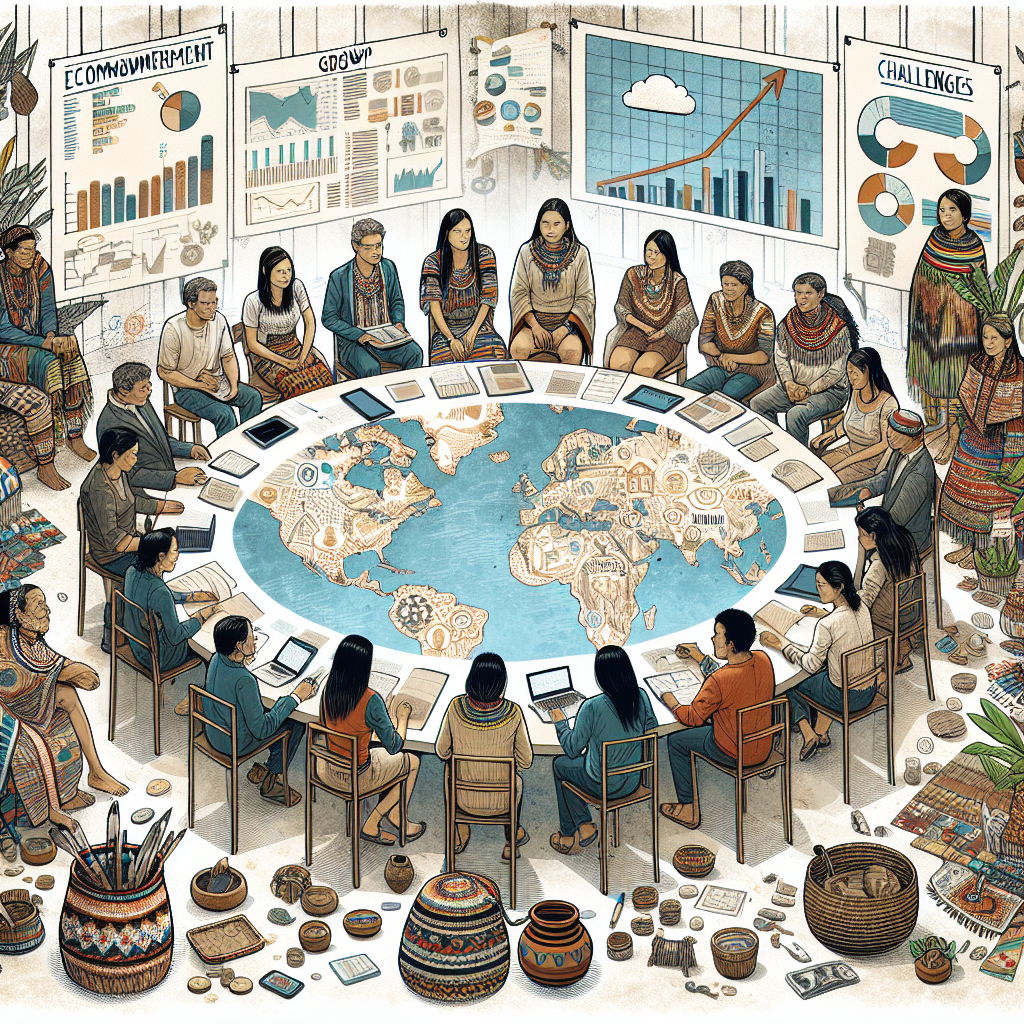

Tourism economics is an intriguing and multi-faceted field that explores the relationship between tourism and economic development. As one of the largest and fastest-growing industries worldwide, tourism has significant effects on the economies of host countries. From creating jobs and generating income to incentivizing infrastructure development, the impact of tourism on economic growth cannot be underestimated. However, while the benefits are plentiful, it is imperative to approach tourism with a sustainable mindset to ensure long-term prosperity without compromising environmental, cultural, and social resources.
In this comprehensive article, we will delve into the intricate world of tourism economics. We will explore how tourism contributes to economic growth, discuss its substantial impact on sustainable development, and examine the importance of well-crafted policies that balance economic benefits with environmental stewardship and social responsibility. By understanding the economic dynamics of tourism, stakeholders can make informed decisions that promote both economic vitality and sustainability.
Economic Impact of Tourism
One of the most evident impacts of tourism is its contribution to gross domestic product (GDP). Travel and tourism activities are significant sources of income for many countries, contributing directly through various sectors such as accommodation, transportation, entertainment, and food services. Additionally, tourism leads to indirect and induced economic effects by stimulating other industries that supply goods and services to tourists and their hosts.
Job creation is another crucial economic impact of tourism. The industry directly employs millions of individuals around the globe, from hotel staff and tour guides to transportation workers and retail employees. Moreover, the multiplier effect ensures that even more jobs are created in related sectors, further amplifying tourism’s role in economic development.
Aside from direct financial benefits, tourism can drive infrastructural development. Often, the presence of tourists encourages governments and private entities to invest in infrastructure improvements such as roads, airports, and public transportation systems. These enhancements not only serve tourists but also benefit local communities by improving accessibility and quality of life.
However, it is essential to recognize the economic disparities inherent in tourism. While popular tourist destinations might see substantial economic gains, other areas may experience limited benefits or may even be adversely affected by the uneven distribution of resources and opportunities. Therefore, it is critical to adopt inclusive strategies that ensure equitable economic benefits across regions.
Sustainable Tourism Development
As tourism continues to expand, the concept of sustainable tourism development has gained significant traction. Sustainable tourism aims to maximize the industry’s economic benefits while minimizing its negative effects on the environment, culture, and society. This balanced approach ensures that tourism can continue to thrive without depleting the resources needed for future growth.
Environmental sustainability is a cornerstone of sustainable tourism. Destinations around the world are implementing practices to reduce their ecological footprints, such as promoting energy efficiency, waste reduction, and biodiversity conservation. Additionally, eco-friendly certifications for hotels, tour operators, and other tourism-related businesses are becoming more common, encouraging the industry to adopt greener practices.
The cultural aspect of sustainability cannot be overlooked. Tourism has the power to preserve and promote cultural heritage, but it also bears the risk of cultural commodification and erosion. By fostering respectful interactions between tourists and host communities, and by supporting initiatives that safeguard cultural traditions, sustainable tourism can celebrate and sustain cultural diversity.
Social sustainability is equally important, emphasizing the well-being of local populations. This involves ensuring that tourism developments do not displace local communities or exacerbate social inequalities. Inclusive policies that provide local employment opportunities and encourage community participation in tourism planning can lead to more equitable and respectful tourism practices.
Policy Dimensions of Tourism Economics
Effective policy-making is critical in steering tourism towards sustainable development. Governments and regulatory bodies play a vital role in shaping tourism policies that balance economic growth with sustainability. These policies must address various aspects, including environmental protection, community welfare, and cultural preservation.
Environmental regulations are essential in mitigating the adverse effects of tourism. Policies such as protected area management, pollution control measures, and sustainable resource use ensure that tourism activities do not compromise the ecological integrity of destinations. Moreover, governments can incentivize sustainable practices through tax benefits, grants, and subsidies for eco-friendly tourism ventures.
Community-focused policies are necessary to address the social impacts of tourism. By involving local communities in decision-making processes and ensuring they receive a fair share of tourism revenues, policymakers can help mitigate the risks of social displacement and inequality. Programs like community-based tourism and local tourism cooperatives empower residents and build their capacity to benefit from tourism.
Effective policy development also includes strategic marketing and destination management. Governments need to promote tourism in a manner that aligns with sustainability goals, targeting appropriate markets and encouraging responsible tourist behaviors. Destination management organizations play a pivotal part in overseeing sustainable practices, monitoring impacts, and adapting strategies to evolving circumstances.
Case Studies: Successful Examples of Sustainable Tourism
Examining real-world examples of sustainable tourism initiatives provides valuable insights into effective practices and successful outcomes. One notable case is Costa Rica, a country that has excelled in integrating sustainability into its tourism sector. Costa Rica’s commitment to biodiversity conservation, eco-friendly accommodations, and sustainable tour operations has made it a global leader in ecotourism.
Another example is Bhutan, a nation that has adopted the principle of “high value, low impact” tourism. By imposing daily tourist tariffs and capping the number of visitors, Bhutan ensures that tourism development does not overwhelm its cultural and natural resources. This approach has preserved Bhutan’s unique heritage and scenic landscapes while providing meaningful economic benefits.
On a more localized scale, the community-based tourism model in Thailand’s Mae Kampong Village illustrates the power of grassroots initiatives. By involving villagers in the planning and management of tourism activities, Mae Kampong has created sustainable livelihoods, preserved local culture, and minimized environmental impacts. The village’s success highlights the importance of community engagement in sustainable tourism development.
These case studies underscore the significance of thoughtful planning, strong regulatory frameworks, and community involvement in achieving sustainable tourism. They serve as inspiring examples for other destinations aiming to harmonize tourism growth with sustainability imperatives.
Challenges in Promoting Sustainable Tourism
Despite the widespread recognition of sustainable tourism’s benefits, several challenges hinder its effective implementation. One major challenge is the complexity of measuring and monitoring the diverse impacts of tourism. Accurate data on economic, environmental, and social effects are crucial for informed policy-making, yet such data can be difficult to obtain and analyze.
Another significant barrier is the resistance to change within the tourism industry. Established businesses may be reluctant to adopt sustainable practices due to perceived high costs and operational disruptions. Overcoming this resistance requires strong leadership, clear incentives, and demonstrated success stories that showcase the long-term benefits of sustainability.
Balancing the interests of various stakeholders also poses a complex challenge. Policymakers must navigate the competing priorities of tourism operators, local communities, environmental advocates, and tourists themselves. Building consensus among these groups requires transparent communication, stakeholder engagement, and a shared vision for sustainable tourism development.
Financial constraints are an additional impediment to sustainable tourism. Implementing sustainable initiatives often requires significant investment in infrastructure, training, and technology. Access to funding, whether through government support, private investment, or international aid, is vital for translating sustainability plans into action.
Finally, external factors such as political instability, natural disasters, and global economic fluctuations can disrupt progress towards sustainable tourism. Developing resilience strategies and adaptive management practices is essential for mitigating these risks and sustaining tourism’s positive impacts in the face of uncertainty.
Conclusion
Tourism economics is a dynamic field that holds tremendous potential for driving economic growth, fostering sustainable development, and shaping effective policies. By understanding the economic impacts of tourism, promoting sustainable practices, and implementing thoughtful policies, stakeholders can harness tourism’s benefits while safeguarding precious environmental, cultural, and social resources.
The journey towards sustainable tourism is undoubtedly challenging, but the rewards are substantial. From thriving local economies and enriched cultural experiences to preserved natural landscapes and empowered communities, sustainable tourism offers a holistic approach to development that benefits everyone involved.
Ultimately, the success of tourism economics hinges on collaboration, innovation, and a shared commitment to sustainability. Governments, businesses, communities, and tourists must work together to create tourism systems that are resilient, inclusive, and environmentally responsible. By doing so, we can ensure that tourism remains a powerful and positive force for economic development and a sustainable future.