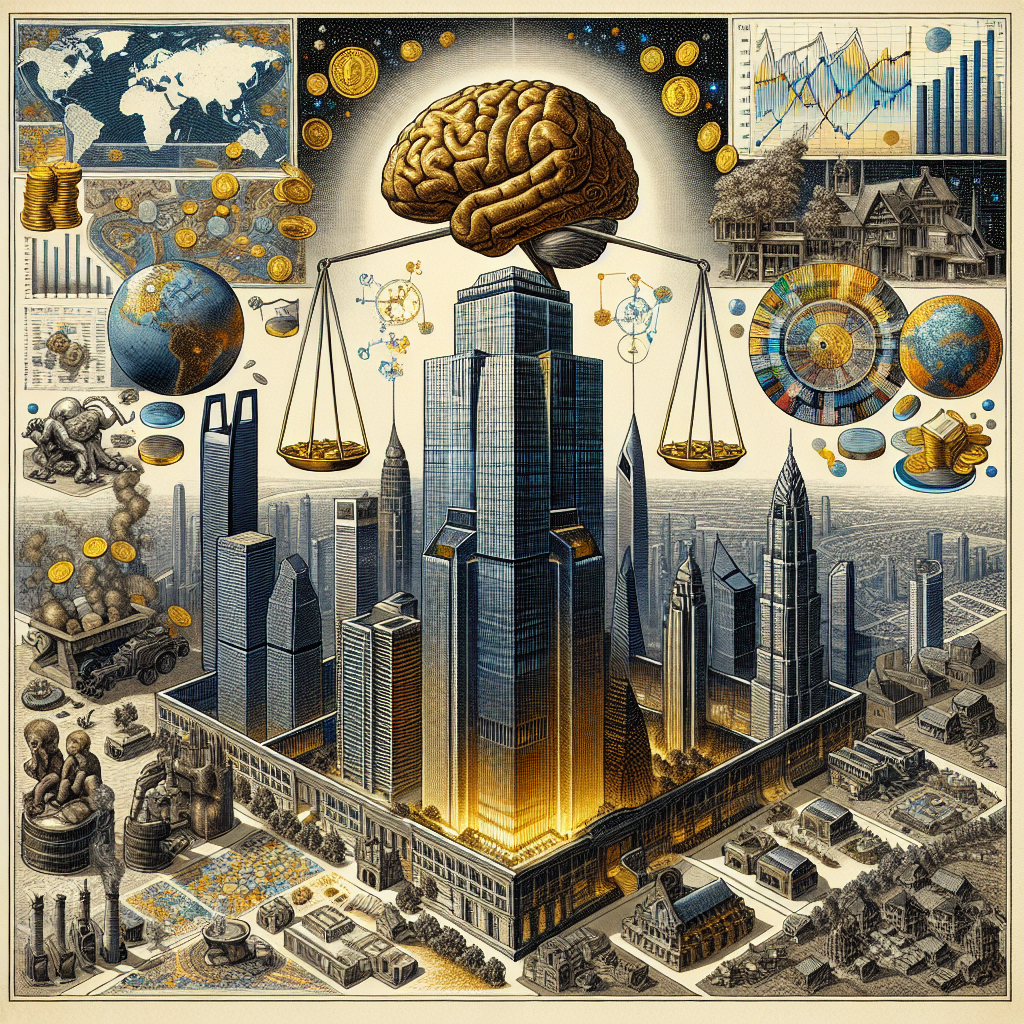
Development economics is a crucial subfield that centers on improving fiscal, social, and economic conditions in developing countries. The dynamics of development are multifaceted, deeply intertwined with the structure of the population, governance, and resource allocation. Within this broad context, the distinction between rural and urban development serves as a significant topic of interest. These two spheres present unique challenges and require bespoke strategies to foster growth effectively. Understanding the differences and addressing the specific needs of each can bring about holistic national progress.
In many developing countries, rural areas are typically characterized by agriculture-based economies, low population density, and limited infrastructure. On the other hand, urban areas usually have higher population densities, more diversified economies, and better access to services and infrastructure. These differences lead to distinct developmental challenges and necessitate particular focus and tailored strategies. This article aims to provide a comprehensive overview of these challenges and explore the strategies that can effectively address them, thereby facilitating balanced development in both rural and urban areas.
Rural Development: Challenges
Rural areas face a multitude of challenges that impede their development. One of the primary challenges is limited access to basic infrastructure such as roads, electricity, and water supply. The scarcity of these fundamental services can stifle agricultural productivity, hinder mobility, and negatively impact the quality of life for rural inhabitants. Additionally, educational facilities and healthcare services are often inadequate or entirely absent, contributing to high illiteracy rates and poor health outcomes.
Poverty remains pervasive in many rural regions. The reliance on agriculture, especially subsistence farming, makes the rural population vulnerable to external shocks such as climate change, natural disasters, and market fluctuations. This precariousness exacerbates poverty, leading to a cycle that is difficult to break. Migration trends also pose a significant challenge, as many young people move to urban areas in search of better opportunities, leaving behind an aging population that further strains the rural economy.
Moreover, rural areas often suffer from political neglect and underrepresentation in policymaking, making it difficult to influence decisions that directly impact their development. Limited financial services, such as banking and credit facilities, also constrain entrepreneurial activities and investments in these regions. These compounded challenges necessitate a focused and multifaceted approach to rural development.
Urban Development: Challenges
Urban areas, despite being hubs of economic activity, face their own set of developmental challenges. Rapid urbanization, often driven by rural-to-urban migration, leads to overpopulated cities struggling with inadequate infrastructure. Housing shortages result in the proliferation of informal settlements, commonly known as slums, which lack basic services like clean water, sanitation, and waste management.
Traffic congestion and pollution are significant issues in many urban centers. Inadequate public transportation combined with an increasing number of private vehicles contribute to severe traffic jams and air quality degradation, which in turn impacts public health. Furthermore, urban areas often face substantial environmental challenges including the urban heat island effect, waste management issues, and the loss of green spaces.
The economic disparities within urban areas can be stark, with considerable sections of the population living in poverty despite the overall wealth of the city. Informal economies thrive in urban areas, often leading to economic insecurity and lack of worker protections. Additionally, urban crime rates tend to be higher, posing security challenges that require effective community policing and social interventions.
Governance in urban areas can also be complex, involving multiple administrative layers and a continuous influx of new residents which can create strain on municipal resources and services. Despite the myriad opportunities available in urban settings, addressing these challenges is key to sustainable urban development.
Strategies for Rural Development
To address the challenges in rural development, a multipronged strategy is essential. One effective approach is investing in infrastructure development. Building roads, improving electricity supply, and providing clean water can significantly enhance agricultural productivity and improve living conditions. Additionally, enhancing educational and healthcare facilities can foster a healthier, more educated workforce.
Promoting agricultural innovation through the adoption of modern farming techniques and technologies can increase productivity and income for rural farmers. Providing access to financial services and markets can also empower farmers to invest in their businesses and diversify their income sources. Implementing social safety nets and insurance schemes can protect rural populations from external shocks.
Strengthening local governance and ensuring political representation for rural areas in national policy-making processes can lead to more inclusive and equitable development. Encouraging community-driven development projects and investing in capacity building can empower local communities to take charge of their development agenda.
Furthermore, supporting rural non-agricultural employment opportunities can reduce dependency on agriculture and mitigate migration to urban areas. Promoting rural tourism, small-scale industries, and digital connectivity can create new employment opportunities and stimulate economic growth in rural regions.
Strategies for Urban Development
Urban development strategies should focus on managing rapid urbanization and ensuring sustainable growth. Investing in affordable housing projects can alleviate slum conditions and provide safe and secure living environments for urban dwellers. Strengthening public transportation systems and promoting sustainable urban mobility can reduce traffic congestion and pollution.
Implementing effective waste management systems and promoting recycling can address the environmental challenges faced by urban areas. Urban planning should prioritize the creation and maintenance of green spaces, which can enhance the quality of life and contribute to environmental sustainability.
Addressing economic disparities within urban areas requires multifaceted strategies. Providing vocational training and skills development programs can enhance employability and support the transition from informal to formal employment. Enhancing social protection measures and expanding access to financial services can reduce economic insecurity and foster inclusive urban development.
Effective governance at the municipal level is crucial for sustainable urban development. Strengthening institutions, improving public service delivery, and promoting community participation in decision-making processes can enhance urban governance. Tailored policies to address the unique needs of different urban neighborhoods can ensure equitable development across the city.
Integrated Development Approaches
While rural and urban development strategies need to address the unique challenges of each context, an integrated approach can facilitate balanced national development. Rural-urban linkages can be strengthened through strategic investments in transport and communication infrastructure, which can enhance connectivity and facilitate the flow of goods, services, and information.
Promoting regional development policies that encompass both rural and urban areas can foster synergies and reduce regional disparities. For example, promoting agricultural value chains that connect rural producers to urban markets can enhance agricultural productivity and create employment opportunities in both rural and urban areas.
Decentralizing governance and empowering local authorities to implement development initiatives can enhance responsiveness to local needs and promote balanced development. Facilitating knowledge sharing and collaboration between rural and urban areas can lead to the diffusion of innovation and best practices.
Additionally, addressing overarching issues such as climate change, environmental sustainability, and social inclusion requires coordinated efforts across rural and urban areas. Integrated planning that considers the interdependencies between rural and urban areas can enhance resilience and promote sustainable development.
Conclusion
The challenges and strategies for rural and urban development are distinct yet interconnected. Addressing the unique developmental challenges in both contexts is crucial for achieving balanced and inclusive national development. For rural areas, focusing on infrastructure development, agricultural innovation, and local governance can significantly enhance productivity and improve living conditions. Urban areas, on the other hand, require strategies that manage rapid urbanization, enhance public services, and promote inclusive economic growth.
An integrated approach that fosters rural-urban linkages, promotes regional development, and coordinates efforts across both contexts can facilitate sustainable development. By recognizing the interdependencies between rural and urban areas and implementing targeted and complementary strategies, developing countries can achieve holistic national progress.
Ultimately, the goal of development economics should be to foster equitable growth that enhances the quality of life for all citizens, regardless of their location. By addressing the specific challenges of rural and urban areas and promoting balanced development, countries can pave the way for a prosperous and sustainable future.