Korean cinema’s journey began under complex circumstances. In the 1960s, the South Korean government, under President Park Chung Hee, imposed strict control over the film industry, including censorship of themes like communism and the introduction of a quota system that limited foreign films. Despite these restraints, or perhaps because of them, a boom in domestic film production ensued, with filmmakers racing to meet public demand. This era saw the emergence of prominent directors like Kim Soo-yong and the country’s first animated feature film, Hong Kil-dong.
Censorship and Propaganda
The 1970s brought even tighter government control under Park’s “Yusin System.” The Korean Motion Picture Promotion Corporation was established, ostensibly to support the film industry, but its primary aim was to enforce state censorship and promote government ideals. This stifling environment led to the blacklisting and sometimes imprisonment of filmmakers who defied the censorship laws.
The Emergence of Hallyu and International Recognition
By the 1990s, the easing of censorship and an influx of investment from large conglomerates revitalized the South Korean film industry. This period marked the beginning of Hallyu, the Korean wave of pop culture, which saw South Korean cinema gain international recognition. The 2000s heralded the rise of auteurs like Park Chan-wook, whose film “Oldboy” won the Grand Prix at Cannes, and Bong Joon-ho, whose “The Host” broke box office records. Their works often showcased a blend of intense narratives and visceral imagery.
Breaking Cinematic Boundaries
South Korean cinema has gained a reputation for its willingness to break traditional narrative conventions and explore complex themes. Directors from this region often grew up during times of political unrest and cultural upheaval, which influenced their cinematic perspectives. Themes of inequality, injustice, and the complexities of modern life are common in these films, resonating with audiences worldwide.
Global Appeal and Recognition
In recent years, South Korean films have continued to captivate international audiences. Streaming platforms like Netflix have played a significant role in this spread, investing heavily in Korean content and promoting series like “Squid Game,” which became a global phenomenon. Films like “Parasite” have won numerous international awards, including the prestigious Oscar for Best Picture, a first for a non-English speaking film.
Navigating through Crisis and Change
In the late 20th century, South Korean cinema faced significant challenges. The decline of the studio system, rising production costs, and the influence of television and video reduced the number of domestic films produced. However, the industry showed resilience and adaptability. The easing of censorship laws and investments from conglomerates like CJ Entertainment and Lotte Entertainment helped rejuvenate the film industry.
The Role of Festivals and Independent Cinema
Film festivals played a crucial role in introducing Korean cinema to the world. The Jeonju International Film Festival, for instance, became a platform for showcasing the diversity and creativity of Korean filmmakers. Independent films, often tackling bold and unconventional subjects, found an international audience, contributing significantly to the Hallyu wave. These films not only entertained but also offered unique insights into Korean society and culture.
The 21st Century: A Golden Era
The 2000s marked a golden era for Korean cinema, with films gaining critical acclaim and commercial success both domestically and internationally. Directors like Park Chan-wook and Bong Joon-ho became household names. Their films, such as “Oldboy” and “The Host,” were celebrated for their artistic innovation and daring storytelling. These films often tackled deep societal issues, from classism to political corruption, resonating with audiences globally.
The Impact of Technology and Streaming Platforms
The advent of streaming platforms like Netflix significantly altered the landscape of Korean cinema. These platforms provided an avenue for Korean content to reach a global audience, contributing to the widespread popularity of shows like “Squid Game.” The success of these shows on international streaming platforms is a testament to the universal appeal of Korean storytelling and its ability to connect with diverse audiences.
Cultural Significance and Global Influence
Korean cinema’s global ascent is not just a testament to its entertainment value but also its cultural significance. The films often explore universal themes through a distinctly Korean lens, offering fresh perspectives on issues like social inequality, family dynamics, and personal identity. This cultural exchange enriches global cinema and promotes a greater understanding of Korean culture and history.
The Challenge of Diversity and Representation
Despite its global success, Korean cinema faces challenges in terms of diversity and representation, particularly concerning gender. The industry is still grappling with increasing the representation of women and other marginalized groups both in front of and behind the camera. Addressing these challenges is essential for the continued growth and evolution of Korean cinema.
Conclusion
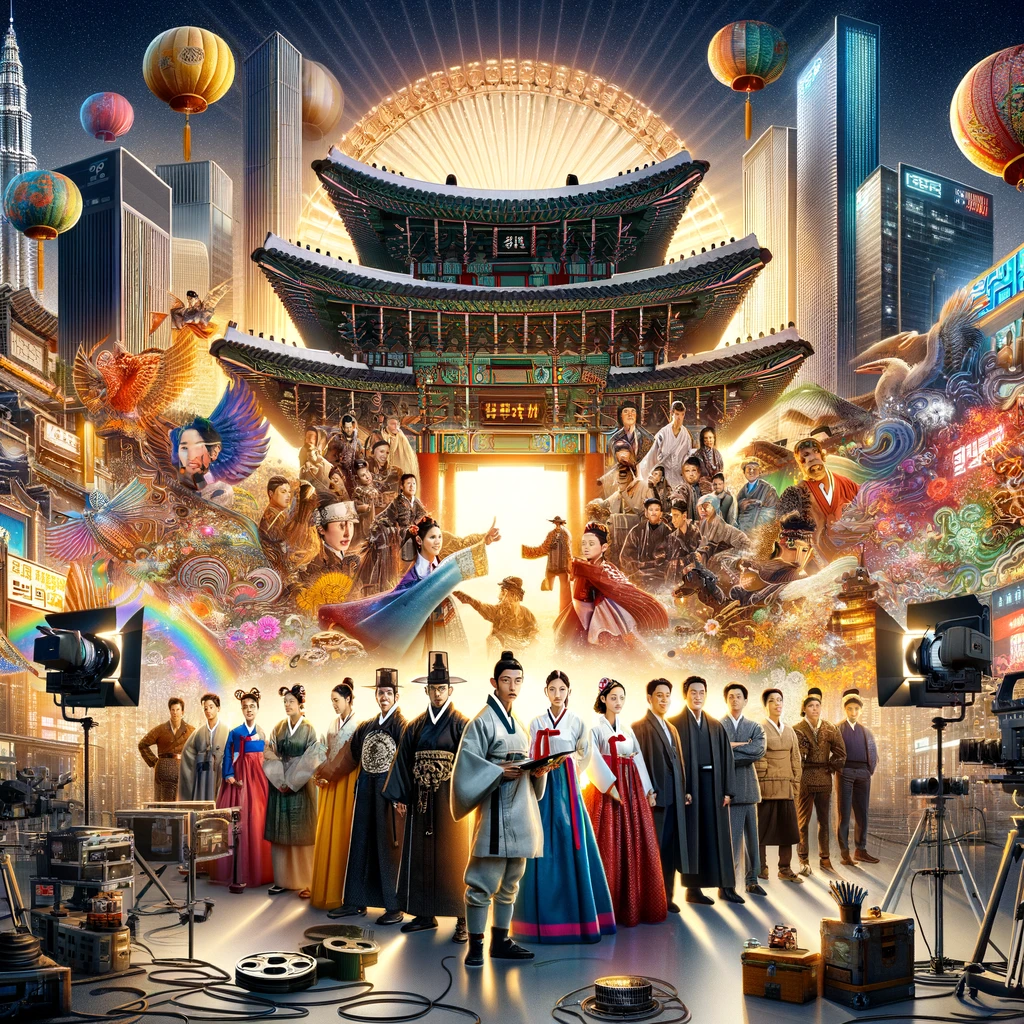
Korean cinema’s emergence on the world stage is a story of resilience, creativity, and cultural exchange. From its early days marked by censorship and propaganda to its current status as a global cinematic force, it has demonstrated the power of storytelling to transcend borders. As it continues to evolve, Korean cinema promises to keep offering fresh, compelling narratives that resonate with audiences worldwide.
References: