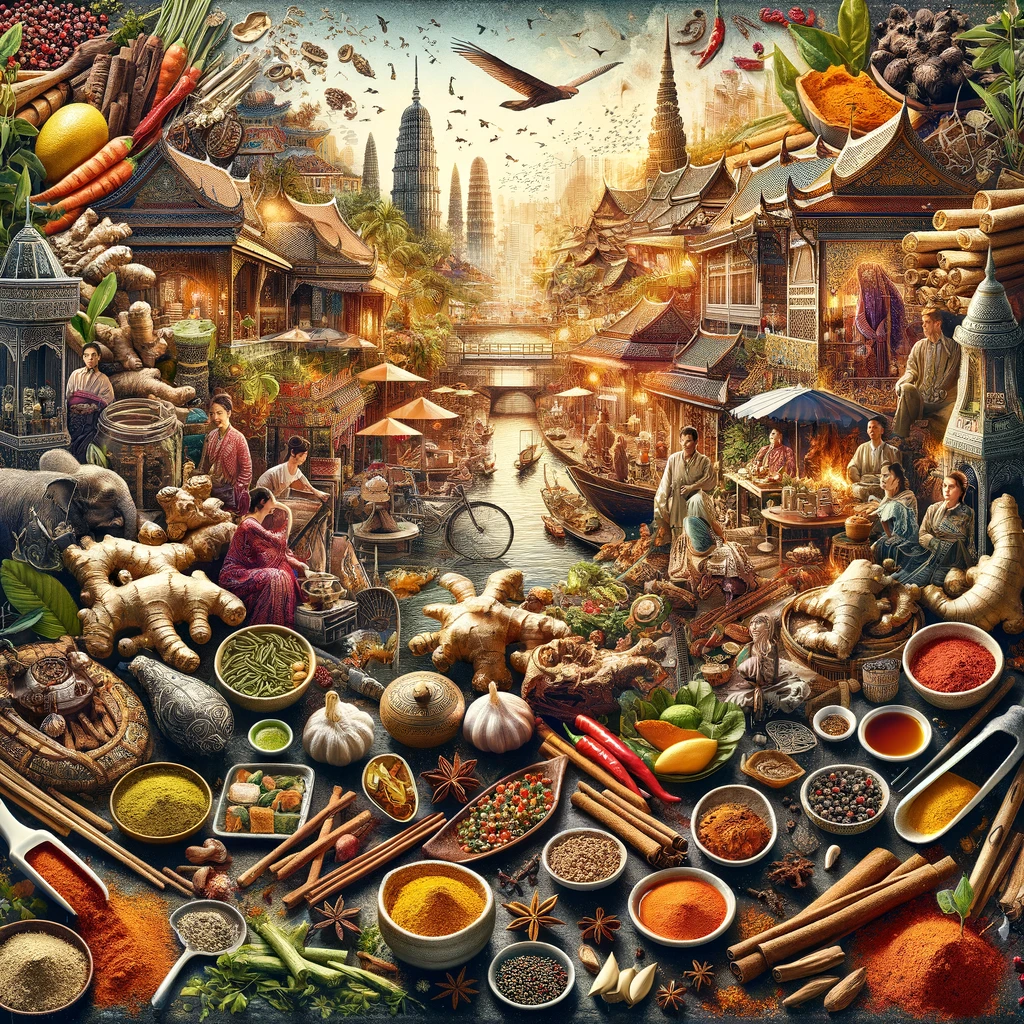
Asia, the largest and most diverse continent on Earth, is home to a myriad of flavors that have tantalized palates across the globe for centuries. This vast region, with its rich history and cultural amalgamations, offers a culinary adventure like no other. From the fiery curries of South Asia to the fragrant herbs of Southeast Asia and the balanced umami flavors of East Asia, each region presents a unique tapestry of tastes and culinary techniques. “Exploring the Spice Trails: Culinary Journeys in Asia” is an odyssey through these diverse culinary landscapes, a journey of discovery, tradition, and flavor.
The Indian Subcontinent – A Symphony of Spices
The culinary journey begins in the Indian subcontinent, a region synonymous with spices. Indian cuisine is not just about the heat but the harmony of flavors created by a careful blend of spices like turmeric, cardamom, and cumin. Each state in India offers its distinct cuisine – from the rich, creamy gravies of the North to the fiery fish curries of the South.
In neighboring countries like Sri Lanka and Bangladesh, the spice trail continues. Sri Lankan cuisine, for instance, is known for its unique use of cinnamon and pandan leaves, while Bangladeshi dishes often feature a blend of sweet and spicy flavors, exemplified in their national dish, Hilsa fish curry.
Southeast Asia – A Melange of Herbs and Heat
Moving eastward, the culinary map leads to Southeast Asia, a region where food is a vibrant tapestry of textures and tastes. Thai cuisine, famous for its balance of sweet, sour, salty, and spicy, uses an array of herbs like lemongrass, galangal, and kaffir lime leaves. The iconic Thai green curry, with its blend of green chilies and coconut milk, is a testament to the region’s love for harmony in flavors.
In Vietnam, the cuisine is characterized by its use of fresh herbs and a lighter touch with seasonings, striving for a balance in textures and flavors. A bowl of Pho, the national dish, is a perfect example, combining rice noodles in a flavorful broth with herbs and meats. Neighboring countries like Malaysia and Indonesia also offer a rich culinary experience with dishes like Rendang and Nasi Lemak, blending indigenous techniques with influences from Indian and Chinese immigrants.
East Asia – The Subtle Art of Umami
The journey then takes us to East Asia, where the concept of umami plays a central role. In Japanese cuisine, ingredients like seaweed, soy sauce, and miso contribute to the rich, savory flavor characteristic of dishes like sushi and ramen. Similarly, in Korean cuisine, the use of fermented products like kimchi and doenjang adds depth and complexity to their dishes.
Chinese cuisine, with its eight great traditions, offers a diverse range of flavors and techniques. From the spicy Sichuan and Hunan cuisines to the subtle flavors of Cantonese cooking, China’s culinary landscape is as vast as the country itself. The use of ingredients like star anise, Sichuan pepper, and black bean paste highlights the importance of spices in their cooking traditions.
Central Asia – The Crossroads of Culinary Cultures
Central Asia, often overlooked in the culinary world, offers a fascinating blend of flavors influenced by its history as a crossroads of the Silk Road. The cuisine here is hearty and meat-centric, reflecting the nomadic lifestyles of its people. Dishes like Plov in Uzbekistan, a rice dish cooked with lamb, carrots, and onions, and Kazakh Beshbarmak, a noodle dish, are staples in the region.
Spices like cumin, coriander, and red pepper are commonly used, reflecting the influence of neighboring regions. The culinary traditions of Central Asia are a testament to the region’s history as a melting pot of different cultures and flavors.
West Asia – The Land of Aromatic Stews and Grills
Lastly, the spice trail leads to West Asia, or the Middle East, where aromatic spices like saffron, sumac, and za’atar are staples in the kitchen. Iranian cuisine, for instance, is known for its flavorful stews like Ghormeh Sabzi and rich rice dishes like Tahdig.
In countries like Lebanon and Turkey, the cuisine is heavily influenced by the Mediterranean, with a focus on grilled meats, fresh vegetables, and plenty of olive oil. The famous Turkish kebabs and Lebanese Mezze platters are perfect examples of the region’s culinary richness.
The culinary traditions of Asia are as diverse as its cultures and landscapes. From the spice-laden dishes of the Indian subcontinent to the subtle flavors of East Asian cuisine, each region offers a unique and rich culinary experience. This journey through Asia’s spice trails is not just a voyage of flavors but a testament to the continent’s rich cultural heritage and the role food plays in bringing people together.
Fusion and Evolution – The Modern Asian Palate
In recent decades, the culinary landscape of Asia has undergone a transformation, blending traditional flavors with global influences. This fusion has given birth to innovative dishes that retain the essence of Asian cooking while embracing modern trends. For instance, in metropolitan cities like Singapore and Hong Kong, one can savor the delights of traditional dim sum alongside more contemporary fusion dishes that blend Eastern and Western flavors seamlessly.
The evolution of Asian cuisine is also evident in the rise of vegetarian and vegan options, catering to a growing global focus on health and sustainability. Traditional dishes are being reimagined with plant-based ingredients, offering a new dimension to the already diverse Asian palate.
Street Food – The Heart of Asian Cuisine
No exploration of Asian culinary traditions is complete without delving into the vibrant world of street food. Street food in Asia is not just about convenience; it’s a cultural phenomenon that offers a window into the daily life and gastronomic pleasures of the locals. In Thailand, the bustling street markets serve everything from spicy papaya salads to sweet mango sticky rice. In India, chaat stalls offer an explosion of flavors, with dishes like pani puri and bhel puri.
Street food in Asia is a testament to the creativity and resourcefulness of its people, turning simple ingredients into delicious and affordable meals that are accessible to everyone.
Celebratory Feasts and Festivals
Food in Asia plays a central role in celebrations and festivals, each dish imbued with cultural and symbolic significance. During Chinese New Year, dishes like dumplings and longevity noodles are served to symbolize prosperity and long life. In Japan, during the Cherry Blossom Festival, people enjoy sakura-themed treats that celebrate the fleeting beauty of the blossoms.
These celebratory dishes are not just about taste; they are a means of preserving tradition and strengthening communal bonds. They remind us that in Asia, food is more than sustenance; it’s a celebration of life itself.
The Art of Asian Cooking Techniques
The diversity of Asian cuisine is also reflected in the array of cooking techniques used across the continent. From the stir-frying method prevalent in Chinese cooking to the tandoor ovens of India, these techniques have been honed over centuries. Japanese sushi making is an art form in itself, requiring years of training to perfect. Similarly, the intricate spice blends in Thai and Indian cuisines demonstrate a mastery of balancing flavors that is central to Asian cooking.
Understanding these techniques is key to appreciating the complexity and depth of Asian culinary traditions.
Conclusion
Asia’s culinary landscape is a rich tapestry of flavors, traditions, and innovations. Each country and region within this vast continent tells its own unique story through its food. From the spice-infused dishes of the Indian subcontinent to the subtle umami flavors of East Asia, and from the bustling street food scenes to the ceremonial banquet tables, Asian cuisine offers a journey like no other.
It’s a journey that speaks to the history, culture, and soul of the places it comes from. The spice trails of Asia are not just routes of trade and commerce; they are pathways to understanding the heart of this diverse and vibrant continent.
As we conclude our culinary journey through Asia, it’s clear that these food traditions are more than just a collection of recipes; they are a living, evolving expression of culture and identity. They are a testament to the resilience, creativity, and communal spirit of the Asian people. In every bite, there is a story, a memory, a piece of heritage passed down through generations.
In exploring these rich culinary traditions, we don’t just discover new flavors and dishes; we uncover the essence of Asia itself – diverse, vibrant, and endlessly fascinating. The spice trails of Asia invite us not just to taste but to explore, learn, and immerse ourselves in the myriad experiences that this incredible continent has to offer.