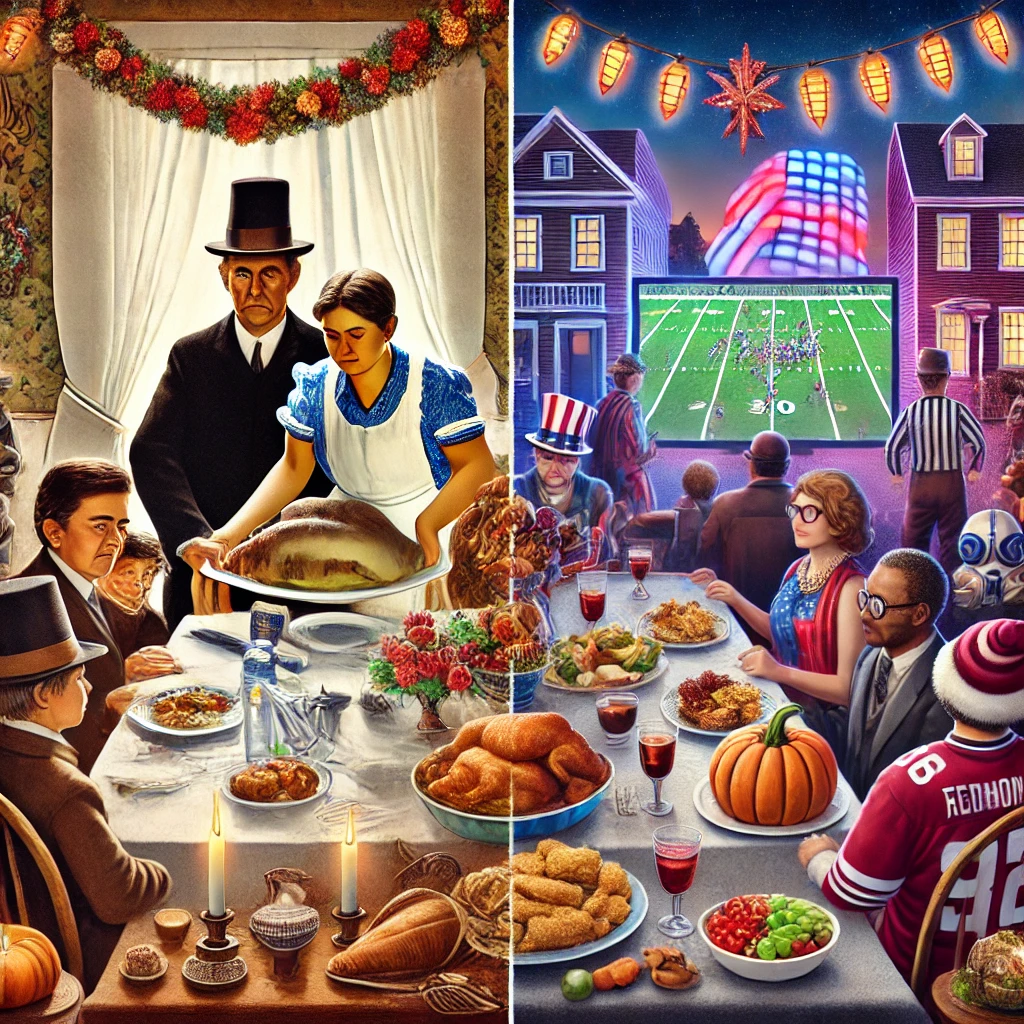
American holidays serve as vibrant reflections of the nation’s cultural tapestry. They bring people together, commemorate milestones, and highlight shared values. Yet the ways we celebrate—in terms of traditions, social influences, and even commercialization—have shifted significantly across generations. This article explores the evolution of these holidays, from their earliest expressions in colonial America to the multicultural and globally influenced festivities of today.
Early Roots and Colonial Influences
Thanksgiving’s Beginnings
One of the most recognized American holidays is Thanksgiving. It traces its origins to early colonial gatherings where Pilgrims and Native Americans shared a harvest meal. While the 1621 Plymouth feast often takes center stage in American folklore, harvest festivals had long been part of English and Indigenous traditions. Over time, various colonies held their own days of thanks, usually tied to local harvests or events. These early observances were often solemn occasions focused on gratitude and prayer rather than the family feasts we know today.
During the Revolutionary War, the Continental Congress occasionally declared days of thanksgiving for military victories. But Thanksgiving didn’t become a unified national holiday until 1863, when President Abraham Lincoln proclaimed it amid the Civil War, seeking to foster unity. Even then, the holiday varied widely in practice—some regions followed the tradition of turkey dinners, others featured different local foods, and religious observances were common.
Christmas in the Colonies
Christmas in colonial America wasn’t always the festive season we see now. In fact, certain Puritan communities banned Christmas celebrations entirely in the 17th century, seeing them as too closely tied to European traditions that had little scriptural basis. Elsewhere, especially in regions with Catholic, Anglican, or Lutheran influences, Christmas was recognized with church services and modest gatherings.
It wasn’t until the 19th century that Christmas began morphing into a family-centered holiday. The idea of Santa Claus, inspired partly by the Dutch figure Sinterklaas, emerged in popular culture. By the late 1800s, with the help of authors like Washington Irving and Clement Clarke Moore (of “A Visit from St. Nicholas” fame), Christmas had become child-focused, cheerful, and commercial in nature—setting the stage for even grander transformations in the 20th century.
19th-Century Shifts
National Identity and Civic Holidays
As the United States expanded geographically and in population, national identity also grew. Holidays like the Fourth of July became essential to fostering unity. Early celebrations included reading the Declaration of Independence, speeches by community leaders, and patriotic parades. Though some festivities could get rowdy—think cannons, firearms, and fireworks—the overall theme was about commemorating independence and national ideals.
By the mid-19th century, civic leaders recognized that shared holidays could bring together people from different backgrounds. Thus, Independence Day, Washington’s Birthday, and later Memorial Day (originally called Decoration Day) were promoted as national occasions, encouraging a shared sense of purpose and identity. Memorial Day grew out of the post-Civil War practice of decorating the graves of fallen soldiers. Over time, it evolved into a broader day of remembrance and, later still, a marker of the start of summer vacation season.
Romanticizing and Standardizing Traditions
The 19th century saw increased efforts to standardize holiday celebrations. Magazines and newspapers, which reached a growing literate public, published stories on how to mark Thanksgiving or Christmas. Advice columns and illustrated prints encouraged families to gather around tables laden with turkey, pies, and decorations. While regional variations persisted, mass media helped build a shared notion of what a particular holiday “should” look like.
Alongside this standardization came a sense of nostalgia and romanticism. People looked to holidays like Thanksgiving and Christmas as times to preserve cherished traditions in a rapidly industrializing world. This emphasis on home, hearth, and family gatherings played a key role in shaping how Americans continue to celebrate these days.
20th-Century Expansion and Commercialization
The Rise of Consumer Culture
The 20th century brought about significant changes in how Americans observed holidays—especially in terms of commercialization. Businesses recognized the lucrative potential of seasonal celebrations, leading to widespread advertising and promotions. Christmas shopping season, for example, became an economic powerhouse. By the mid-20th century, the day after Thanksgiving, now famous as “Black Friday,” emerged as a major retail event. Valentine’s Day, once a minor observance, grew into a multimillion-dollar industry centered on candy, flowers, and greeting cards.
Meanwhile, greeting cards, decorative items, and targeted gift suggestions turned many holidays into opportunities for merchants. Halloween, once a modest celebration focusing on community gatherings, costume parties, and children’s pranks, expanded into a massive enterprise, complete with candy sales, spooky home décor, and a thriving costume industry.
Government Recognition and Shifts in Dates
Another pivotal moment in American holiday evolution came with government interventions. Congress established federal holidays to standardize paid time off for workers and unify observances. For instance, in 1968, the Uniform Monday Holiday Act was passed, moving holidays like Washington’s Birthday (often referred to now as Presidents’ Day), Memorial Day, and Labor Day to Mondays. This law helped create extended weekends, which in turn altered how people celebrated—often turning these breaks into opportunities for travel, leisure, and shopping.
Additionally, certain holidays gained official recognition to honor specific groups or causes. Martin Luther King Jr. Day, recognized in 1983, pays tribute to the civil rights leader and promotes reflection on social justice. More recently, Juneteenth became a federal holiday in 2021, acknowledging the end of slavery and African American history. These moves illustrate how American holidays are fluid, reflecting evolving societal values.

Cultural Integration and Diversity
Embracing Multicultural Celebrations
As immigration patterns shifted over the 20th and 21st centuries, American holidays absorbed new traditions. For example, Día de los Muertos, celebrated primarily in Mexican communities, has gained broader awareness in the United States. Lunar New Year observances—once restricted to Chinese enclaves—now include a range of Asian American groups and often appear in mainstream events. Similarly, Diwali, a major festival for Hindus, Jains, and Sikhs, is increasingly recognized in schools and workplaces across the country.
At the same time, existing holidays have become more inclusive. Christmas, for instance, is celebrated by many secular families, while Kwanzaa, founded in the 1960s, offers African Americans a cultural celebration of heritage and unity. Hanukkah celebrations, historically more low-key in Jewish tradition than major observances like Yom Kippur, gained prominence in the public sphere, partly due to its proximity to Christmas. These evolutions highlight how American holidays continuously adapt to the country’s growing cultural mosaic.
Hybrid Traditions and Cross-Cultural Exchange
In a nation as diverse as the United States, it’s not uncommon for holiday traditions to blend. Families of mixed faiths or different ethnic backgrounds often find ways to honor multiple celebrations simultaneously. This can mean a Thanksgiving feast that includes dishes from various cuisines or December festivities that incorporate both Christmas and Hanukkah symbols.
Social media and global connectivity further accelerate cross-cultural exchanges. People share recipes, décor ideas, and personal customs online, inspiring others to adapt or adopt these elements. As a result, modern American holidays aren’t just about a single tradition—they can merge elements from many sources, making them uniquely American in their blended expressions.
Modern Themes and Contemporary Changes
The Role of Media and Technology
Television, the internet, and social media have profoundly influenced holiday experiences. National broadcasts like the Macy’s Thanksgiving Day Parade turn local festivities into major spectacles. The Super Bowl—technically a sports event, but practically a national holiday for many—draws huge audiences who not only watch the game but also tune in for commercials and halftime shows.
Social platforms shape how we share holiday experiences in real time. From posting pictures of Thanksgiving spreads on Instagram to tweeting New Year’s resolutions, technology allows immediate connection around shared cultural moments. It also expands our awareness of lesser-known holidays, offering glimpses into the diverse tapestry of American celebrations.
Commercialism vs. Authentic Meaning
For all the joy and unity holidays can bring, critiques often focus on over-commercialization. Christmas and Valentine’s Day especially draw criticism for becoming too gift-oriented. Some argue that the cultural and religious significance gets overshadowed by sales and promotional events. Yet many Americans still find ways to honor the spirit of these holidays, whether by volunteering, donating to charitable causes, or gathering with loved ones without the pressure of extravagant spending.
Holidays also offer opportunities for reflection and activism. Thanksgiving prompts conversations about the true history of colonialism and Indigenous experiences. Martin Luther King Jr. Day underscores ongoing civil rights issues. Earth Day, established in 1970, focuses on environmental stewardship. Even consumer-driven holidays like Mother’s Day and Father’s Day can be moments to emphasize family bonds and express gratitude in more meaningful ways than just buying gifts.
Looking Ahead
Continued Adaptation and New Observances
American holidays will undoubtedly continue to evolve. Recent years have seen the rise of new celebrations that reflect societal shifts, such as Pride Month events throughout June, highlighting LGBTQ+ history and rights. Online communities create and popularize their own “holidays,” like “Star Wars Day” (May the 4th) or “National Siblings Day,” sometimes gaining traction beyond internet circles.
Workplaces, schools, and communities increasingly strive to acknowledge cultural and religious diversity. This often involves granting flexible time off for non-federal holidays, hosting inclusive celebrations, or educating broader audiences about the significance of events like Eid al-Fitr or the Buddhist festival of Vesak. As generations continue to evolve, so too will the ways America marks significant occasions.
Balancing Tradition and Innovation
One of the most fascinating aspects of American holiday evolution is how tradition and innovation interact. On one hand, people often cherish the comfort of time-honored practices—meals, parades, worship services, and symbolic rituals. On the other, there’s an ongoing push to create novel experiences that resonate with younger generations and changing societal values. Consider Halloween: once a night of mischief and homemade costumes, it’s now a month-long spectacle of haunted attractions, highly detailed cosplay, and community events raising money for local charities.
As families adapt to busy schedules and technology-driven lifestyles, the way holidays are celebrated inevitably morphs. E-cards and online gatherings—now common due to video conferencing platforms—show how traditions once reserved for face-to-face gatherings have taken on digital forms. Pandemic circumstances, in particular, prompted people to reimagine holiday activities through virtual dinners, online gift exchanges, and remote religious services, proving that innovation can keep the festive spirit alive even under challenging conditions.
Regional Variations and Local Flares
Despite the widespread commercial and cultural forces shaping holidays nationwide, local flavor remains a vital element. In New Orleans, Mardi Gras has a vibrancy and meaning tied to centuries of French, African, and Creole influences, featuring flamboyant parades, king cakes, and krewes that define the city’s identity. In parts of Texas and southwestern states, Cinco de Mayo—often mistaken as Mexico’s Independence Day—has become a widely recognized celebration of Mexican heritage, though its significance can vary from region to region.
Similarly, Native American communities hold their own seasonal festivals and powwows, which can coincide with more mainstream holidays or happen independently. In Hawaii, statehood celebrations blend local traditions such as hula and luau feasts with conventional American patriotic rituals, showcasing the blend of indigenous culture and newer influences. These regional variations remind us that while certain holidays may appear universally recognized, they still adapt to local histories and identities.
The Influence of Social Movements
Another force driving holiday transformations is the influence of social and political movements. Over time, groups have sought to redefine or reclaim certain celebrations to reflect more accurate histories or promote specific causes. For instance, Indigenous Peoples’ Day has gained momentum as a replacement or alternative to Columbus Day. This shift recognizes the historical impact of colonialism on Native Americans and challenges the older narrative of glorifying Columbus’s arrival.
In a similar vein, some environmental activists look to Earth Day as a pivotal moment for advocacy, urging broader public engagement with climate change and sustainability efforts. On Labor Day, labor unions and workers’ rights advocates host rallies and events highlighting ongoing struggles for fair wages and safe conditions, connecting the holiday’s roots to present-day issues. These examples illustrate how holidays evolve not just because of cultural or commercial factors but also from civic engagement and renewed understanding of historical context.
Holidays as Shared Experiences
Ultimately, American holidays function as communal touchstones—a way for individuals to unite around shared stories, values, or cultural markers. Whether it’s cheering on a parade, lighting fireworks, serving meals at homeless shelters, or playing backyard football, these traditions help define how we see ourselves and our place in the world. They serve as an ongoing dialogue between past, present, and future—a living tapestry woven from the threads of history, cultural diversity, and the human desire for connection.
Today’s American holidays mirror the country’s layered identity. They’re at once traditional and modern, solemn and festive, commercial and profoundly meaningful. By understanding how these celebrations originated and continue to change, we gain insight into the dynamic nature of American society itself—an ever-evolving blend of ideas, influences, and experiences.
Conclusion
From the earliest colonial days to modern digital celebrations, American holidays have witnessed extraordinary transformations. Rooted in harvest festivals, religious observances, and patriotic commemorations, they gradually expanded to include more diverse cultural expressions, commercial opportunities, and social movements. Media, technology, and shifting demographics have played significant roles in shaping how we celebrate. The interplay of tradition and innovation, personal meaning and social influence, gives American holidays a distinctive vibrancy, ensuring they remain central to national life.
As new generations bring fresh perspectives—and as diverse communities add their own flavors—these observances will keep evolving. Some might return to their historical roots in search of authenticity; others might embrace new traditions that reflect contemporary values. In all cases, American holidays will continue to be a testament to the nation’s adaptability, creativity, and commitment to honoring both its heritage and its future. Through these shared moments, Americans find common ground, forge bonds, and celebrate the ongoing story of a nation shaped by countless hands.
Frequently Asked Questions
1. How have American holidays changed over time?
American holidays have undergone significant transformations since the days of colonial America. Initially, many holiday celebrations were heavily influenced by religious practices brought over by European settlers. For instance, Christmas was not widely celebrated in early America due to its Puritanical opposition. However, as the nation evolved, so did its holiday practices. The 19th century saw the introduction and proliferation of Thanksgiving, a national holiday created to promote unity during divisive times. The 20th century ushered in further changes as holidays began to absorb elements from diverse cultures, reflecting America’s growing cultural richness and immigrant influences. Today, many American holidays resonate with global motifs, and they are celebrated with actions ranging from cultural parades to public service activities, but often with a commercialization aspect that emphasizes consumerism. The interweaving of various traditions has made contemporary holidays dynamic and inclusive observances.
2. Why is commercialization considered a significant factor in the evolution of American holidays?
Commercialization is a major influence in how American holidays are observed today. Since the late 19th and early 20th centuries, commercial entities have seized the opportunity to market holiday-specific products and services. Christmas, for instance, has transformed from a primarily religious celebration to a commercial extravaganza featuring widespread gift-giving, fueled by advertising and retail promotions. Similarly, Valentine’s Day has grown from a celebration of romance to a day marked by extensive retail activity, with chocolate, flowers, and jewelry topping shopping lists. The commercialization of holidays has brought about a dual effect: it has made holidays more accessible to different groups who may not participate in traditional activities, but it has also shifted focus from the holidays’ original meanings to more consumer-driven practices. In this sense, commercialization significantly impacts how holidays are perceived and celebrated in the United States.
3. How have social and cultural influences shaped American holiday traditions?
American holiday traditions are vastly shaped by the diverse social and cultural influences that constitute the United States’ identity. As waves of immigrants arrived throughout the country’s history, they brought along customs and festivities from their homelands. This cultural infusion has deeply enriched American holidays. For instance, St. Patrick’s Day, an Irish tradition, has become a widely celebrated event in America, known for its parades and green attire. The Hispanic cultural celebration of Cinco de Mayo has also been embraced, primarily as a celebration of Mexican heritage and pride in the U.S., though originally it commemorated Mexico’s victory over France in 1862. Moreover, African American communities have amplified the tradition of Juneteenth, a significant historical and cultural observance recognizing the abolition of slavery in the United States, turning it into a day of reflection and celebration of heritage. Cultural appreciation and blending have not only broadened holiday participation but enriched the cultural fabric of the nation through inclusive festivities.
4. What role did early colonial America play in the formation of current American holidays?
In colonial America, holidays were limited, both in number and scope, due to strict religious observances and the arduous demands of colonial life. Many of the colonists were Pilgrims or Puritans who eschewed celebrations that were commonplace in Europe at the time. However, some holidays, such as Thanksgiving, have roots in colonial practices. Thanksgiving is often cited as originating from a 1621 harvest feast shared by the Pilgrims and the Wampanoag people. However, it was not formalized as a national holiday until 1863 when President Abraham Lincoln declared Thanksgiving a federal holiday to foster unity during the Civil War era. The distinct lack of formalized holidays in the colonial period allowed for a more gradual incorporation of diverse customs and practices as the country developed, leading to the eclectic holiday framework seen in contemporary America.
5. How does the multicultural aspect of contemporary America influence its holiday celebrations?
The multicultural nature of the United States is a central component of its holiday celebrations today. The blending of cultures that make up the nation’s demographic landscape ensures that holidays are not only strong cultural expressions of individual communities but also opportunities for cultural exchange and understanding. This is visible in the way holidays incorporate foods, music, and rituals from various communities, offering a shared experience while honoring different cultural heritages. For example, the Chinese New Year is celebrated with parades and public festivals that invite all Americans to partake, showcasing traditional Chinese culture. Similarly, Hanukkah observances have found public expression alongside Christmas festivities. The multicultural approach allows American holidays to evolve continuously, keeping them relevant and reflective of the nation’s cultural diversity. This inclusivity fosters a sense of shared national identity, celebrating both unity and diversity.