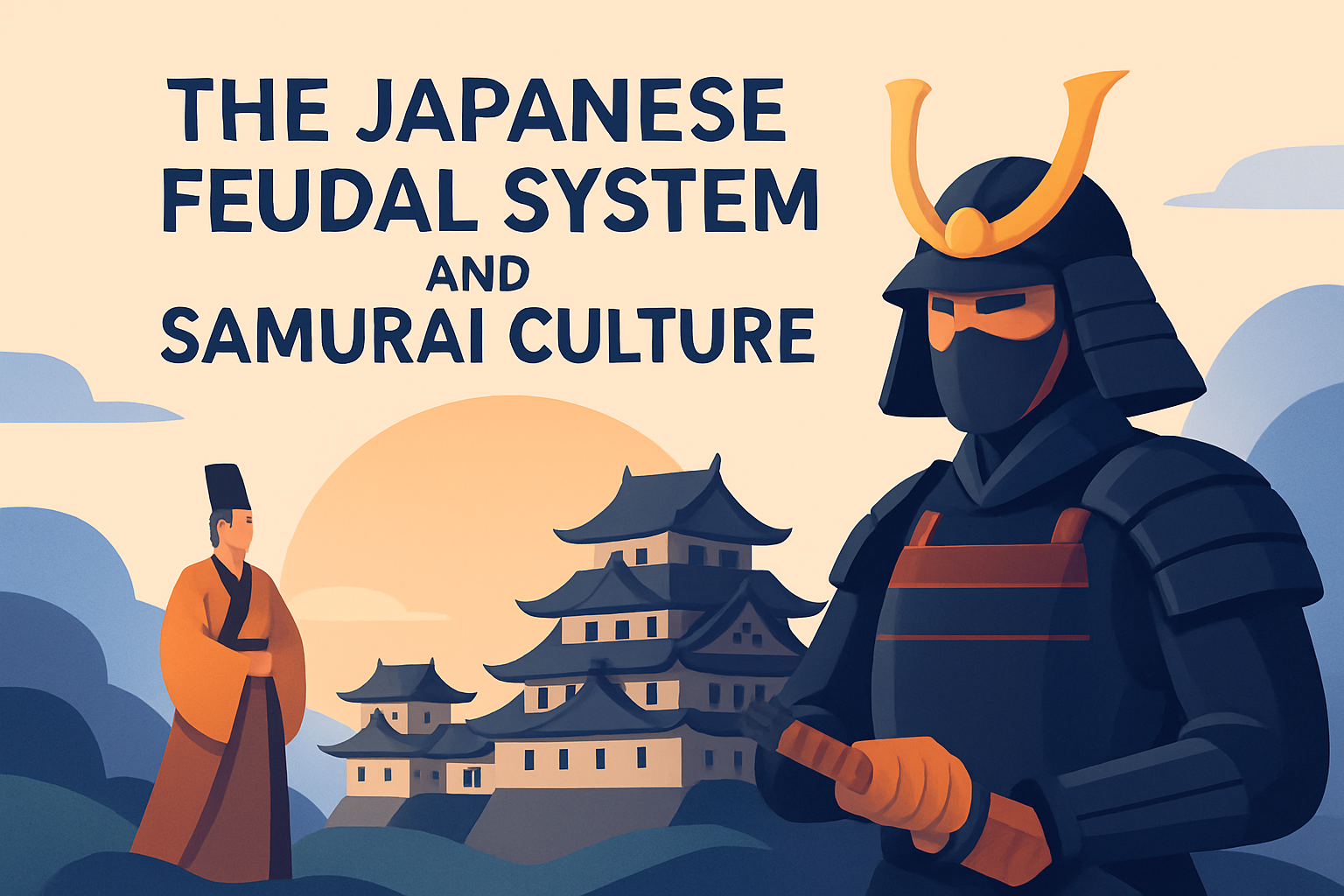
Introduction to the Japanese Feudal System and Samurai Culture
Japan’s feudal era, spanning from the 12th to the 19th century, was a pivotal period in its history characterized by a social hierarchy dominated by powerful regional clans and their fierce warriors, the samurai. The Japanese feudal system, similar in some respects to its European counterpart, was rooted in a complex web of allegiances between landowners and warriors, shaping not just the politics of the time but also the cultural and social practices. The era saw the rise of the samurai, a class of warriors whose influence would endure far beyond their military roles. Understanding the framework of the feudal system and the integral role of samurai culture is crucial to comprehending Japan’s historical trajectory and its cultural development. This system was a cornerstone of Japan’s governance and social structure, affecting everything from land ownership to the conduct of war. The significance of the Japanese feudal system and its warrior culture lies in its long-lasting impact on Japanese identity, values, and national history.
The Structure of the Feudal System
At the heart of the Japanese feudal system was a strict hierarchical order. The Emperor sat at the top, but in practical terms, real power often rested with the shogun, the military leader who ruled on behalf of the Emperor. Below the shogun were powerful regional lords known as daimyos, who controlled vast tracts of land and wielded significant power in their domains. These daimyos were loyal to the shogun, providing military support and resources in exchange for protection and political authority. Below the daimyos were the samurai, the warrior class known for their martial skills and adherence to the code of bushido, which emphasized loyalty, honor, and duty.
The land itself was a vital component of this feudal structure. Daimyos and samurai derived their power and sustenance from land ownership. Peasants, artisans, and merchants occupied the lower rungs of the system, each having a distinct role that supported the structure from the ground up.
The Role of the Samurai
The samurai were more than just soldiers; they were part of a distinct caste that influenced Japanese society through their ethos and way of life. The bushido code guided their actions and decisions, emphasizing virtues such as courage, benevolence, respect, sincerity, honor, loyalty, and self-discipline. This philosophical framework not only defined their conduct on the battlefield but also influenced their behavior in everyday life, impacting the broader culture.
Samurai and their Weaponry
A distinctive feature of a samurai’s status was his weaponry, including the katana, a curved sword renowned for its sharpness and craftsmanship, and the wakizashi, a shorter companion sword. Together, these swords were symbols of the samurai’s authority and integrity. Additionally, samurai would often use bows, spears, and, eventually, firearms, showcasing their adaptability in warfare. The precision and care in crafting these weapons reflected the dedication and reverence the samurai held for their martial skills.
The Decline of the Feudal System
The Japanese feudal system began to unravel in the mid-19th century, largely due to internal pressures and foreign influence. The arrival of Western powers and their advanced military technology exposed the archaic nature of the feudal system. The Meiji Restoration in 1868 marked the end of the shogunate and the dissolution of feudal domains. The emperor was restored to power, and Japan embarked on a period of rapid modernization and industrialization. As part of these reforms, the samurai class was abolished, and many former samurai were absorbed into the new military or civil service roles. This transition marked a significant shift in Japanese society, as the country moved towards a more centralized and modern state.
- Emperor: The symbolic figurehead.
- Shogun: The military dictator.
- Daimyo: Powerful landowning lords.
- Samurai: The warrior class.
- Peasants: Provided agricultural produce.
- Artisans: Crafted goods and weapons.
- Merchants: Engaged in trade.
A Cultural Legacy
The legacy of Japan’s feudal era and samurai culture extends well into modern times. The virtues espoused by the bushido code remained influential, finding echoes in modern Japanese business practices and social values. Concepts of loyalty, discipline, and honor continue to resonate within various aspects of contemporary Japanese life. Furthermore, samurai stories have inspired countless works of art, literature, and film, capturing the imagination of people around the globe. The samurai’s iconic status and the dramatic history of the feudal era continue to be prominent themes explored by those interested in Japanese culture and its historical intricacies.
The Importance of Historical Understanding
Exploring the Japanese feudal system and samurai culture provides a window into the complexities of societal evolution and cultural development. This period of history teaches us about governance, social responsibility, and cultural identity, offering valuable lessons that transcend geographical and temporal boundaries. By understanding this era, one gains insights into not only Japan’s past but also the societal frameworks that can influence modern developments around the world.
Conclusion and Call to Action
The Japanese feudal system and samurai culture offer a fascinating exploration into a society shaped by order, martial prowess, and loyalty. Understanding this era is crucial for appreciating how these principles continue to influence Japan today. As modern society grapples with issues of identity, responsibility, and cultural continuity, reflecting on the values of the past can provide guidance for the future. To delve deeper, one might explore related historical texts, visit museums dedicated to the samurai, or engage with media inspired by this iconic period. These actions not only enrich one’s understanding of history but also connect us with the enduring lessons of human endeavor and societal structuring.
Frequently Asked Questions
1. What was the structure of the Japanese feudal system?
The Japanese feudal system, known as the “Bakuhan” system, spanned from the 12th to the 19th century and featured a social hierarchy divided primarily into four primary classes: the nobility, the samurai, the peasants, and artisans/merchants. At the very top was the Emperor, often regarded as a symbolic figurehead, while real political power rested with the shogun, the military leader. Below the shogun were daimyos, powerful regional lords who controlled large territories and possessed their own private armies of samurai. The samurai, essentially warrior-class mercenaries, were sworn to protect and serve their daimyo in exchange for land or stipends, forming a critical bond of loyalty in the feudal structure. This system was supported by the majority populace of the time, the peasants, who worked the land and paid taxes to the samurai in the form of rice and other goods. Artisans and merchants played a vital role in the local economies, facilitating trade and crafting essential goods and services, though they held less prestige and power compared to the other classes. This system created a rigid societal framework that emphasized duty, loyalty, and service within the societal hierarchy.
2. How did the samurai live and what was their role in Japanese society?
Samurai were the warrior class in feudal Japan and lived by a strict ethical code known as “Bushido,” which emphasized virtues such as loyalty, honor, frugality, and self-discipline. Their primary role was as retainers to the daimyos, protecting the land and maintaining peace within their lord’s domain. Samurai culture was heavily rooted in martial prowess and military skills, with a focus on swordsmanship, archery, and horseback riding. Besides their martial duties, samurai were also expected to be well-educated, engaging in the study of literature and philosophy to complement their fighting skills. Their way of life was one of discipline and austerity, often reflected in the simplicity of their homes and possessions. Samurai wielded their influence not only as warriors but also as bureaucrats in peacetime, managing farms and collecting taxes. This dual role as warriors and administrators allowed samurai to exert significant influence over Japanese politics and culture during the feudal era. The samurai’s dedication to their code of honor often came at a personal cost, with many choosing to commit seppuku, a form of ritual suicide, to preserve their honor in the face of dishonor or defeat.
3. How was land ownership structured under the Japanese feudal system?
In the Japanese feudal system, land ownership was central to maintaining the balance of power and allegiance among the hierarchy’s different levels. The Emperor officially owned all land; however, real control was decentralized and rested with the shogun and daimyos, who acted as the de facto rulers over their respective territories. These powerful lords divided their lands into fiefs, which were then managed by their samurai retainers. Samurais were granted domains or stipends in exchange for their military services, with larger fiefs awarded to more skilled or loyal warriors. The fief system created intricate ties of allegiance and duty, with samurais being bound to their daimyos, who in turn, were allegiant to the shogun. On the lowest rung of the ladder were peasants, who farmed the land and produced the agricultural surplus essential to the system’s stability. They lived under constant pressure to fulfill their tax obligations, which were generally paid in the form of rice, the staple currency of the feudal economy. This system facilitated a symbiotic relationship: landowners relied on the samurai for protection and maintaining order, while samurai depended on the daimyos’ patronage and protection.
4. What were some key elements of samurai culture, and how did they influence Japanese society?
Samurai culture was rich and complex, underpinned by the Bushido code—an unwritten set of moral principles that emphasized virtues such as honor, courage, and loyalty. This way of life cultivated a chivalric culture amongst the samurai that left a lasting impact on Japanese society. Key elements of samurai culture included the practice of martial arts, focusing on skills with the katana (sword), yumi (bow), and other weapons, which became defining characteristics of samurai discipline and heritage. Additionally, samurai were expected to pursue intellectual growth and proficiency in the arts, giving rise to a tradition of warrior-poets and scholar-samurai who contributed to the cultural richness of Japanese society. The influence of Zen Buddhism is notable within samurai culture, as it provided a philosophical guide to maintaining focus, discipline, and meditation—critical for cultivating inner peace amid the turbulence of feudal conflicts. The concept of seppuku, or ritual suicide, further exemplifies the depth of their adherence to honor and duty, as it was considered the ultimate act to redeem one’s honor. The cultural traditions of the samurai inspired various art forms, philosophy, and social etiquettes, with elements persisting in Japanese society even today.
5. How did the Japanese feudal system come to an end, and what role did the samurai play in this transformation?
The decline of the Japanese feudal system began in the mid-19th century due to mounting internal and external pressures. The arrival of Commodore Matthew Perry from the United States in 1853 marked a decisive turning point, as Japan was forced to open its doors to Western trade, leading to increased social unrest. This new foreign influence exposed the weaknesses of the feudal system and created demands for modernization. The unrest culminated in the Meiji Restoration of 1868, a political revolution that initiated sweeping reforms to modernize Japan’s economy, military, and societal structure. As part of this transition, the emperor was restored to the center of political power, thereby dissolving the centuries-old shogunate system and the hierarchical structure it had upheld. The samurai, loyal to the feudal order, were significantly affected during this transition. They played a major part in the initial downfall of the shogunate but found themselves increasingly marginalized as the Meiji government abolished their stipends, privileges, and class status. The adoption of conscription rendered their military role obsolete, and many former samurai transitioned into roles within the new government, military, or burgeoning industrial sectors. While the feudal era ended, the cultural legacy of the samurai, especially their values of honor and discipline, continued to influence Japanese national identity and ethos well into the 20th century and beyond.