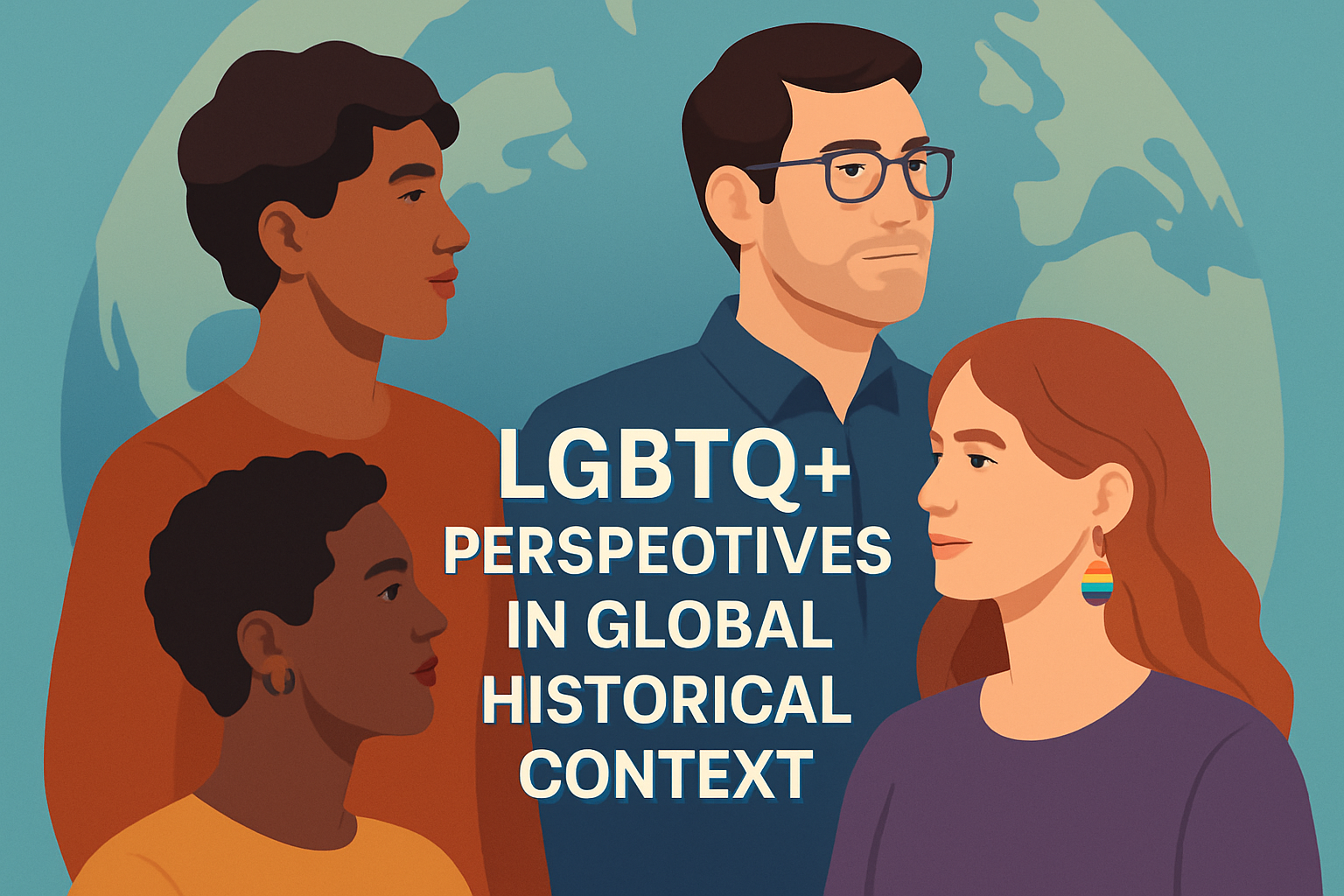
Introduction to LGBTQ+ Perspectives in History
The narrative of LGBTQ+ people is woven intricately into the historical fabric of societies across the globe. LGBTQ+ stands for lesbian, gay, bisexual, transgender, and queer/questioning, with the plus symbol representing other sexual and gender identities. Understanding these perspectives in a global and historical context is essential as they offer insights into how societies have evolved and how sexuality and identity have been perceived over time. They shed light on how cultural, religious, and sociopolitical constructs have shaped the experiences of LGBTQ+ individuals and communities.
Given the contemporary push towards inclusivity and recognition, looking back at the historical contexts provides an understanding of battles fought and won, as well as those ongoing. It serves as a reminder of the progress made and the work yet to do. This awareness not only enriches the narrative surrounding LGBTQ+ individuals but also informs current and future advocacy, societal acceptance, and policy formation.
Historical LGBTQ+ Perspectives Across Different Cultures
LGBTQ+ identities and their acceptance or criminalization have varied greatly across cultures and time periods. Some societies historically recognized multiple gender identities and non-heteronormative sexualities long before contemporary Western discourse caught up with these complexities. Understanding these dynamics involves delving into different cultural histories and acknowledging the unique experiences of LGBTQ+ individuals over the ages.
Ancient Civilizations: Acceptance and Norms
In ancient civilizations, particularly those like Greece and Rome, same-sex relationships were often socially accepted. Notable historical figures, such as Alexander the Great, were known to engage in same-sex relationships. In many parts of ancient Greece, relationships between older men and younger men were considered an educational rite of passage. This nuanced understanding of relationships and identities indicates that what we consider modern LGBTQ+ constructs have deeper historical roots.
- Ancient Greece: Pederasty was not only accepted but institutionalized in many polis.
- Ancient Rome: While same-sex relationships were common, the societal norms were different, with an emphasis on active/dominant vs. passive/subservient roles rather than gender.
However, with the rise of Christianity and its moral doctrines during the later Roman Empire, these perspectives began to change. Homosexuality started to be viewed as sinful, aligning moral behavior with procreative heterosexuality.
Indigenous Cultures: Two-Spirit Identity
In many Indigenous cultures across North America, the concept of Two-Spirit identity provides a historical example of gender variance. The term “Two-Spirit” is an umbrella term adopted in the late 20th century amid the Indigenous LGBT community in Canada and the United States. It represents people who embody both masculine and feminine qualities and plays a spiritual role within their communities.
Traditional roles varied among different Native American tribes and included healers, matchmakers, and caretakers, who were often revered and respected. However, colonialist encroachment and forced assimilation significantly disrupted their cultural and spiritual roles, which led to marginalization and stigmatization that many still face today.
Asian Perspectives: Gender Fluidity
In various Asian cultures, historical literature and societal structures demonstrate a different understanding of gender and sexuality. In pre-colonial South Asia, the Hijra community, recognized as neither male nor female, was often granted special status. They played important roles in religious ceremonies and other significant life events.
Moreover, ancient Chinese literature often depicted romantic relationships between same-sex individuals without moral condemnation. Emperors and royals documented engaging in same-sex relationships, indicating a complex societal acceptance of varied sexual orientations.
| Region | Historical Perspective |
|---|---|
| Mesoamerica | Mayans and Aztecs recognized third-gender roles similar to the Two-Spirit concept. |
| Africa | Pre-colonial African societies often had diverse understandings of gender that colonial rule later suppressed. |
| Polynesia | Fa’afafine in Samoa showcases gender diversity, recognized as a gender distinct from men and women. |
Impact of Colonialism on LGBTQ+ Identities and Rights
The shadow of colonialism significantly impacted indigenous cultures’ perceptions of gender and sexuality. European colonialists imposed their own structured gender norms and harsh penal codes that criminalized and punished same-sex relationships. This imposition led to the erosion of indigenous understanding and acceptance of diverse sexual identities.
In Africa, for instance, pre-existing gendered culture was diverse with varying non-binary roles, which were quashed under British colonial rule. Colonial penal codes persist today in many former colonies, continue to impact LGBTQ+ communities adversely, influencing both policy and societal attitudes.
Post-colonial societies often struggle with these legacies, where Western-imposed homophobic laws coexist with traditional values and a reawakening of pre-colonial cultural acceptance.
The Modern LGBTQ+ Rights Movement
The movement for LGBTQ+ rights has developed significantly over the past century, galvanized by various landmark events and movements worldwide. The Stonewall Riots in the United States in 1969 serve as a prime example, considered a catalyst in pushing for legal and societal reforms across the globe. As awareness grew, so did activism, with many countries witnessing a surge in legal advocacy and societal acceptance.
Laws have been enacted to protect against discrimination based on sexual orientation and gender identity in many parts of the world, including marriage rights, the ability to adopt, and the recognition of gender change. Countries like Canada, Spain, and South Africa exhibit progressive legal landscapes for LGBTQ+ individuals, providing powerful examples of the strides toward equality and inclusion.
Lessons from History: Moving Towards a More Inclusive Future
Understanding LGBTQ+ perspectives within a historical context demands no singular narrative but rather a tapestry stitched from varied experiences across time and cultures. This knowledge empowers both individuals and societies to recognize and celebrate diversity in its many forms, moving beyond mere tolerance to genuine acceptance and equality.
Studying past triumphs and tragedies offers insight and guidance as current and future generations advance the cause for LGBTQ+ rights and acceptance. It’s an ongoing journey, encouraging societies to continually question biases and embrace an inclusive world appointment for all.
As we acknowledge these diverse historical perspectives, we foster more robust conversations that spark action and policy changes. The more we recognize the past’s lessons, the better equipped we are to shape a future that honors all identities under the LGBTQ+ umbrella.
Conclusion and Call to Action
In conclusion, understanding the historical contexts of LGBTQ+ perspectives globally and historically reveals a rich tapestry of cultural diversity and complexity. From ancient Greek acceptance and Two-Spirit identities among Indigenous peoples, to the influence of colonialism and the subsequent modern rights movement, it becomes evident how deeply rooted these matters are in the human experience.
The legacy of LGBTQ+ history emphasizes resilience and progress despite pervasive challenges. It reveals the evolution from cultural acceptance to repression and the ongoing journey toward equality. As we continue learning from the past, a carefully considered view into these contexts helps dismantle biases and drives crucial dialogues around inclusion.
Going forward, the call to action is simple yet profound: Engage with LGBTQ+ history, advocate for informed and equitable policies, and contribute to fostering a society where all identities are celebrated. This commitment not only enhances societal understanding but also ensures future generations inherit a world steeped in progress, inclusivity, and equality.
Frequently Asked Questions
1. How have global perceptions of LGBTQ+ identities evolved over time?
Global perceptions of LGBTQ+ identities have undergone significant transformations over the centuries. In many ancient societies, such as Greece and Rome, same-sex relationships were often accepted and even celebrated in various contexts. However, this acceptance wasn’t universal as cultures across the globe varied significantly in their perceptions and tolerance levels. For instance, Indigenous cultures in North America often revered Two-Spirit people who embodied multiple gender roles, unlike European settlers who imposed rigid gender and sexual norms upon colonization.
With the rise of religious and colonial influences, especially during the Middle Ages and the spread of the Abrahamic religions, there was a marked shift towards the marginalization and criminalization of LGBTQ+ identities. Homosexuality was frequently identified as sinful or unnatural, leading to persecution during periods such as the Inquisition or under European colonial rule in places like Africa and Asia.
The 20th century marked the beginning of a significant cultural shift as the world experienced major socio-political changes. Movements for LGBTQ+ rights began to gain traction, beginning in the mid-1900s with events like the Stonewall riots in 1969, which propelled the fight for equal rights into a global phenomenon. In recent decades, there has been greater visibility and a push for the re-examination of historical narratives to include LGBTQ+ perspectives. Internationally, same-sex partnerships have been recognized, gender identities have gained acknowledgment, and there is a progressive shift in understanding and supporting LGBTQ+ individuals, though challenges remain, especially in regions with conservative approaches.
2. What roles and representations did LGBTQ+ individuals have in different cultures throughout history?
LGBTQ+ individuals have occupied diverse and significant roles across various cultures throughout history. In ancient Greece, same-sex love was familiar and is well-documented in literature and philosophy, with relationships between older and younger men serving as educational and mentorship models. Similarly, ancient Rome had well-known figures like Emperor Hadrian, who openly mourned his male lover, Antinous.
In many Indigenous cultures in North America, Two-Spirit people were respected for their ability to embody both masculine and feminine traits, often serving as shamans or healers due to their spiritual uniqueness. In South Asia, hijras, a community that includes transgender and intersex individuals, have existed for centuries, with records of their roles as entertainers, spiritual figures, and participants in religious ceremonies.
In Africa, several tribes like the Shona and Nuer recognized diverse gender roles long before colonial influences imposed Western gender binaries. Similarly, societies in Polynesia, such as the fa’afafine of Samoa, have long acknowledged gender diversity.
Despite the positive representation in certain eras and regions, LGBTQ+ individuals often faced severe discrimination and persecution, fueled by religious doctrines and colonial mandates. Understanding these historical roles and their representation is crucial in recognizing the rich diversity and contributions of LGBTQ+ communities globally.
3. How have laws impacted LGBTQ+ communities throughout history?
Historically, legal systems have played a pivotal role in either suppressing or supporting LGBTQ+ communities. Many ancient laws were relatively permissive towards same-sex relationships; for example, ancient Mesopotamia had laws that allowed for such relationships under certain conditions. Contrast this with the harsh punitive measures seen during and after the implementation of the Justinian Code in the Byzantine Empire, which criminalized homosexual activities.
During the medieval period, the influence of religious doctrines saw the introduction of laws that penalized LGBTQ+ behaviors, often with harsh penalties, including death. This was further compounded during the European colonial era, as colonizers imposed their legal systems on colonized regions, often eradicating indigenous practices that were more accepting of LGBTQ+ identities.
The legal landscape saw gradual changes in the late 19th and 20th centuries, with the decriminalization of homosexuality in various European countries and broader discussions on human rights. Notable legislation, such as the Wolfenden Report in the UK, recommended the decriminalization of consenting homosexual acts between adults in private, leading to legislative change in 1967.
In the contemporary era, many countries have made strides in recognizing LGBTQ+ rights, with legal protections against discrimination, recognition of same-sex marriages, and laws that allow for gender identity changes. However, there remain many regions where laws are restrictive, making advocacy and international support crucial for advancing LGBTQ+ rights.
4. How did colonialism affect LGBTQ+ identities in colonized regions?
Colonialism had a profound impact on LGBTQ+ identities in colonized regions. Many indigenous societies had pre-existing cultural norms that were often more accepting of diverse gender and sexual identities. For instance, the existence of Two-Spirit people among Native American tribes, the hijras in South Asia, and various recognized gender roles across African tribes were often documented. However, once these regions were colonized, European powers imposed their own religious and legal frameworks that were typically homophobic and repressive.
Colonial laws often criminalized same-sex relationships and non-binary gender expressions, a legacy still evident today in many former colonies that maintain such laws. For example, Section 377 of the Indian Penal Code, introduced during British rule, criminalized homosexual activities and only recently did the Indian judiciary strike it down in 2018.
Beyond legal implications, colonialism also led to the erosion of cultures and practices that accepted or even celebrated LGBTQ+ individuals. Indigenous knowledge systems and social structures often disintegrated under colonial coercion, thereby alienating and marginalizing LGBTQ+ identities. As these regions obtained independence, many retained the colonial-era laws and social prejudices, complicating the modern fight for LGBTQ+ rights.
Overall, colonial influence displaced indigenous understandings of gender and sexuality, replacing them with ideologies that continue to have a long-lasting impact on social and legal systems.
5. What are some significant historical events or movements that have shaped LGBTQ+ rights globally?
Numerous key events and movements have significantly shaped the landscape of LGBTQ+ rights globally. The Stonewall Riots in 1969 stand out as a pivotal moment. Sparked by a police raid at the Stonewall Inn in New York City, these riots catalyzed the modern LGBTQ+ rights movement, leading to the establishment of Pride marches and vocal advocacy for rights and recognition.
In 1973, the American Psychiatric Association declassified homosexuality as a mental disorder, marking progress in the medical community’s treatment of LGBTQ+ identities. This decision urged similar re-evaluations across the globe and contributed to decreased stigmatization.
During the 1980s and 1990s, activism continued to flourish in response to the AIDS crisis, with groups like ACT UP advocating for medical treatment and societal recognition. This era highlighted the importance of LGBTQ+ health rights and garnered international attention and support.
Legal advancements have followed suit, with notable legislation including the Netherlands’ recognition of same-sex marriage in 2001 as the first country to do so. Since then, many countries worldwide have legalized same-sex marriages and partnerships, reflecting a broader acceptance and normalization of LGBTQ+ rights.
The global recognition of LGBTQ+ rights has also been supported by the UN’s initiatives, such as establishing the Human Rights Council’s independent expert on protection against violence and discrimination based on sexual orientation and gender identity in 2016. This role emphasizes international commitment to monitoring and advocating for LGBTQ+ rights on a worldwide scale.
Despite these advances, the fight for equal rights continues as many regions grapple with equality, highlighting the necessity of continued advocacy and support for worldwide LGBTQ+ rights.