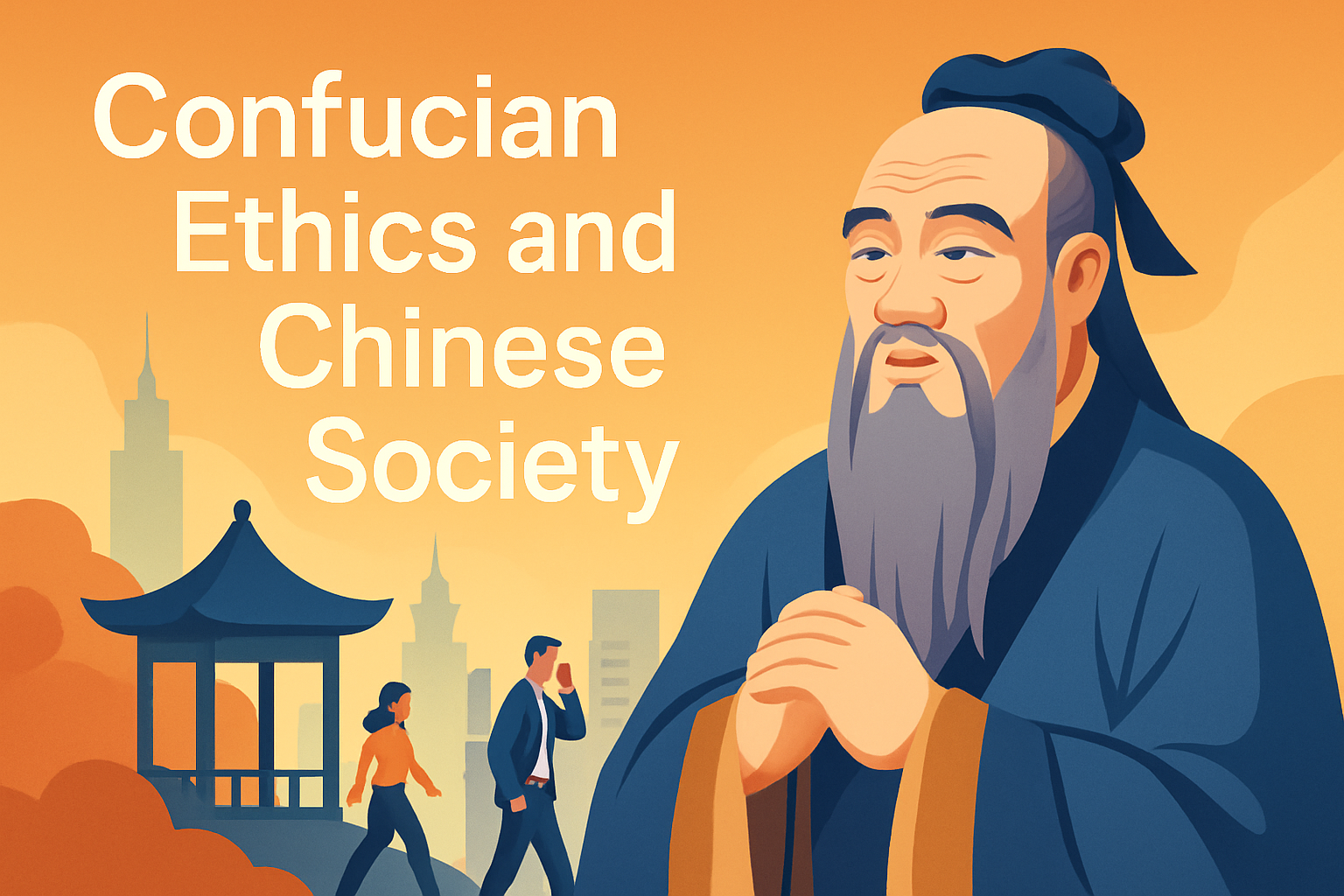
Confucian ethics forms a critical foundation of Chinese society, influencing social conduct, governance, and philosophical thought. Originating from the teachings of Confucius, a prominent Chinese philosopher who lived during the 6th to 5th century BCE, these ethics have profoundly shaped the Chinese way of life over millennia. At its core, Confucianism emphasizes moral virtues such as ren (benevolence), yi (righteousness), li (proper conduct), and zhi (wisdom). These values foster harmonious social relationships and a well-ordered society. Understanding Confucian ethics is crucial for grasping the underpinnings of Chinese culture, as well as the ways in which these philosophies continue to influence modern Chinese social norms, educational practices, and political ideologies.
In today’s globalized world, where cross-cultural interactions are increasingly common, an appreciation of Confucian ethics provides valuable insights into the behavioral norms and motivations of Chinese society. It enlightens individuals and organizations aiming to engage effectively with Chinese partners, whether in business, educational contexts, or intercultural communication. By examining the core concepts of Confucianism and their application, one can better appreciate the cultural heritage that has shaped Chinese identity and consider its relevance in a rapidly changing world.
The Core Concepts of Confucian Ethics
Confucian ethics are rooted in the promotion of interpersonal harmony and the cultivation of personal virtues. Ren, or benevolence, is perhaps the most crucial virtue in Confucianism. It represents empathy and kindness towards others, encouraging individuals to treat people as they would wish to be treated. Ren is not merely an emotional response but involves active efforts to improve oneself and contribute to societal welfare. A real-world example of ren in action is the Chinese tradition of respecting elders and taking care of parents, reflecting the profound importance of family ties and responsibility in Chinese culture.
Yi, which means righteousness, is another fundamental virtue guiding moral action based on principles rather than personal gain. In Confucian terms, yi underscores the importance of doing what is morally right even when it is challenging. An illustration of yi in modern Chinese society can be seen in the sphere of public service, where individuals are encouraged to work selflessly for the community’s benefit, championing integrity and ethical governance.
Li, or proper conduct, involves adhering to societal norms and rituals that maintain social order and harmony. These rituals extend beyond religious contexts to daily interactions and relationships. Li fosters respect, discipline, and propriety within a community. For example, the Chinese practice of giving and receiving business cards with both hands is an expression of li, reflecting respect and politeness in professional settings.
The virtue of wisdom, zhi, encompasses knowledge and understanding, enabling individuals to make informed decisions and act judiciously. In contemporary educational practices in China, zhi is exemplified by a strong emphasis on academic achievement and lifelong learning, aiming to cultivate informed, responsible citizens capable of contributing to societal progress.
Confucian Ethics in Government and Leadership
Confucian ethics have historically influenced governance in China, advocating for rulers to embody moral virtues and lead by example. The concept of the “benevolent ruler” suggests that true leadership arises from moral integrity and the ability to nurture the well-being of the populace. This principle is evident in the emphasis on meritocracy and ethical governance throughout Chinese history, from imperial courts to modern administrative practices.
A contemporary example is China’s approach to governance, which often highlights the moral and ethical dimensions of leadership. The ongoing anti-corruption campaigns in China, for instance, reflect the Confucian ideal of promoting integrity, transparency, and accountability in public service. Such initiatives aim to restore public trust and ensure that leaders and civil servants prioritize collective welfare over personal interests.
Moreover, Confucian ethics stress the significance of education and self-cultivation for leaders, arguing that well-educated and morally upright leaders are better equipped to guide their nations effectively. This perspective aligns with the modern Chinese education system’s focus on nurturing future leaders who are not only knowledgeable but also possess a strong ethical compass.
Confucian Ethics in the Family and Social Relationships
The family unit holds immense significance in Confucian ethics, serving as a microcosm of society at large. The family is the primary locus for cultivating virtues such as filial piety, respect, and loyalty. Filial piety, or xiao, emphasizes the reverence for one’s parents and ancestors, forming the cornerstone of familial and societal relationships in Chinese culture.
In contemporary China, the practice of filial piety manifests in various ways, from respecting parental authority to providing financial support for elderly family members. Despite modernization and changing family dynamics, the core values of xiao continue to influence Chinese youth, highlighting the enduring influence of Confucian teachings in upholding familial bonds.
Confucian ethics also encourage individuals to extend familial virtues to wider social networks, promoting solidarity and cooperation within communities. The Chinese concept of “guanxi,” which refers to social connections and relationships, underscores the Confucian belief in building trust and reciprocity in social interactions.
- Family respect and care
- Community cooperation
- Integration of personal and social harmony
Guanxi is particularly evident in business and professional networks, where establishing trust-based relationships is crucial for successful collaborations. It reflects the application of Confucian principles in fostering meaningful connections and mutual support within social and professional domains.
Confucian Ethics in Education
Education is a pivotal aspect of Confucian ethics, regarded as the means to cultivate virtuous individuals and contribute to societal progress. Confucius championed the idea that education should be accessible to all, regardless of social background, as knowledge enhances personal virtue and societal contribution.
The Confucian emphasis on educational attainment is mirrored in the modern Chinese education system, characterized by rigorous academic standards and a strong commitment to educational excellence. The national college entrance examination, or “gaokao,” serves as a significant milestone for Chinese students, reflecting the enduring importance of education in personal and societal development.
Furthermore, Confucian ethics promote a holistic approach to education, encompassing moral, intellectual, and emotional development. This approach is embodied in China’s educational reforms, such as incorporating moral education into the curriculum, encouraging students to engage in community service, and fostering critical thinking skills—aims that align with the broader goal of nurturing well-rounded, ethical citizens.
Contemporary Relevance and Challenges
While deeply embedded in Chinese society, Confucian ethics face challenges amid modern globalization and rapid societal change. As China becomes more interconnected with the world, questions about the adaptability of Confucian values to contemporary issues arise. For instance, the traditional emphasis on hierarchy and authority may conflict with modern values such as individualism and egalitarianism.
In the business world, balancing Confucian values with global economic practices can pose difficulties, particularly when confronting ethical dilemmas or fostering innovation in hierarchical environments. However, Confucian ethics also offer a framework for addressing these challenges, such as using its emphasis on moral integrity to navigate complex global interactions ethically and responsibly.
Conclusion
Confucian ethics continue to significantly influence Chinese society, providing a framework for personal behavior, social relationships, leadership, and education. By promoting virtues such as benevolence, righteousness, proper conduct, and wisdom, Confucianism reinforces the importance of moral integrity, harmony, and societal well-being. Despite the challenges of modernization and globalization, the enduring principles of Confucian ethics remain relevant, offering valuable insights for understanding contemporary Chinese culture and society.
For individuals and organizations looking to engage with Chinese society, embracing Confucian ethics can lead to more meaningful interactions, strengthened partnerships, and an enriched appreciation of Chinese cultural heritage. By exploring and integrating these timeless values into daily life and global exchanges, one can foster mutual respect, understanding, and cooperation amidst the complexities of a diverse and interconnected world.
As the world continues to evolve, recognizing the role of Confucian ethics in Chinese society serves as a reminder of the enduring importance of ethical conduct, respect for tradition, and the pursuit of societal harmony. Whether in navigating business relationships, fostering educational reform, or cultivating personal virtues, Confucian teachings offer guidance for promoting a more harmonious and ethically grounded world.
Frequently Asked Questions
1. What is Confucian ethics, and how do they influence Chinese society?
Confucian ethics are foundational principles derived from Confucius, a renowned Chinese philosopher of the 6th to 5th century BCE. These principles heavily influence not just individual behavior but also the societal norms and governance of Chinese society. At the heart of Confucian ethics are several key virtues: ren (benevolence), which emphasizes kindness and compassion towards others; yi (righteousness), which is about doing what is morally right; li (proper conduct), which involves observing appropriate behavior and rituals in social contexts; and zhi (wisdom), which entails making informed and moral decisions.
Confucian ethics function as an invisible code that guides social interactions, promotes order, and supports the social hierarchy, emphasizing respect for elders and authority. These values influence the way Chinese society organizes itself, how families function, and how education is prioritized. In governing, Confucian ethics advocate for leaders to be virtuous and serve as moral exemplars. Thus, these principles transcend individual behavior and integrate deeply into the collective conscience, impacting all aspects of life from personal relationships to state governance.
2. How do ren and yi differentiate from each other in Confucian thought?
In Confucian thought, ren and yi are distinct yet complementary virtues essential to moral character. Ren, often translated as “benevolence” or “humaneness,” is fundamentally about empathy and kindness. It’s the quality that encourages individuals to treat others with respect and compassion, fostering harmonious relationships within society. Ren focuses on the interpersonal aspect, emphasizing the importance of love and care in one’s interactions.
On the other hand, yi, or “righteousness,” is more about moral integrity and the courage to do what is just, sometimes irrespective of personal gain or relational harmony. Yi is concerned with the ethical dimension of fairness and justice. It’s about standing firm in one’s convictions and upholding moral principles, even when faced with challenges or opposition. While ren deals with emotional and relational harmony, yi is the backbone that supports an individual’s moral decisions, ensuring they adhere to ethical standards.
3. What role does li play in the application of Confucian ethics in daily life?
Li, translated as “proper conduct” or “ritual propriety,” is a pivotal element of Confucian ethics that prescribes how individuals should behave in various social contexts. It involves understanding and adhering to cultural customs, social rituals, and etiquette in both public and private life. By following li, individuals navigate social spaces with respect and grace, maintaining order and harmony.
In daily life, li manifests through observing traditions, respecting family hierarchies, participating in community events, and conducting oneself appropriately according to societal norms. For instance, showing respect to elders by using specific titles and greetings, participating in ceremonial events like weddings and funerals with proper decorum, and dressing suitably for different occasions are practical applications of li in everyday life. Observing li fosters a sense of belonging and continuity, linking the individual’s actions with the collective memory and cultural identity of society. It helps cultivate a well-ordered community where mutual respect and understanding flourish.
4. How has Confucianism impacted the governance systems within Chinese society?
Confucianism has had a profound impact on governance in Chinese society, shaping political ideology and administrative practices over centuries. The principles of Confucian ethics, particularly the importance placed on moral leadership and virtue, deeply influenced the development of an ethical framework for governance. Leaders were expected to be paragons of virtue, exhibiting qualities like ren and yi, and to govern not through force or coercion but by setting a moral example and maintaining harmony.
The adoption of Confucian ideals in governance meant that the ruler was seen as a moral leader who should embody and promote ethical values across the state, striving for the well-being of all citizens. This influenced the civil service system, where officials were selected based on merit and moral integrity rather than purely on birthright or wealth. The emphasis on education and moral development in making good rulers persists in many forms today, underscoring the importance of virtuous leadership in maintaining a just and peaceful society. The ethical foundation provided by Confucianism continues to resonate in modern governance structures, advocating for policies that reflect communal interests and cultural values.
5. Why is Confucianism still relevant in contemporary Chinese society?
Despite the passage of centuries, Confucianism remains relevant in modern Chinese society for several reasons. The core values of Confucianism, such as ren, yi, li, and zhi, continue to resonate with people as they offer timeless guidance on personal development and social harmony. These principles address fundamental aspects of human relationships and personal conduct, providing a universal appeal that transcends historical and cultural contexts.
Additionally, as China navigates its place in a rapidly globalizing world, Confucianism offers a cultural touchstone that reinforces national identity and cultural continuity. In business practices, educational systems, and social interactions, Confucian values provide a moral compass that influences how individuals interact and conduct themselves in various spheres. Furthermore, Confucianism’s emphasis on family values and community well-being aligns with contemporary priorities of societal welfare and stability, making it a relevant philosophical framework that supports both personal aspirations and collective prosperity. As China’s influence grows on the international stage, the enduring legacy of Confucian ethics continues to guide its societal development and interaction with the broader global community.