
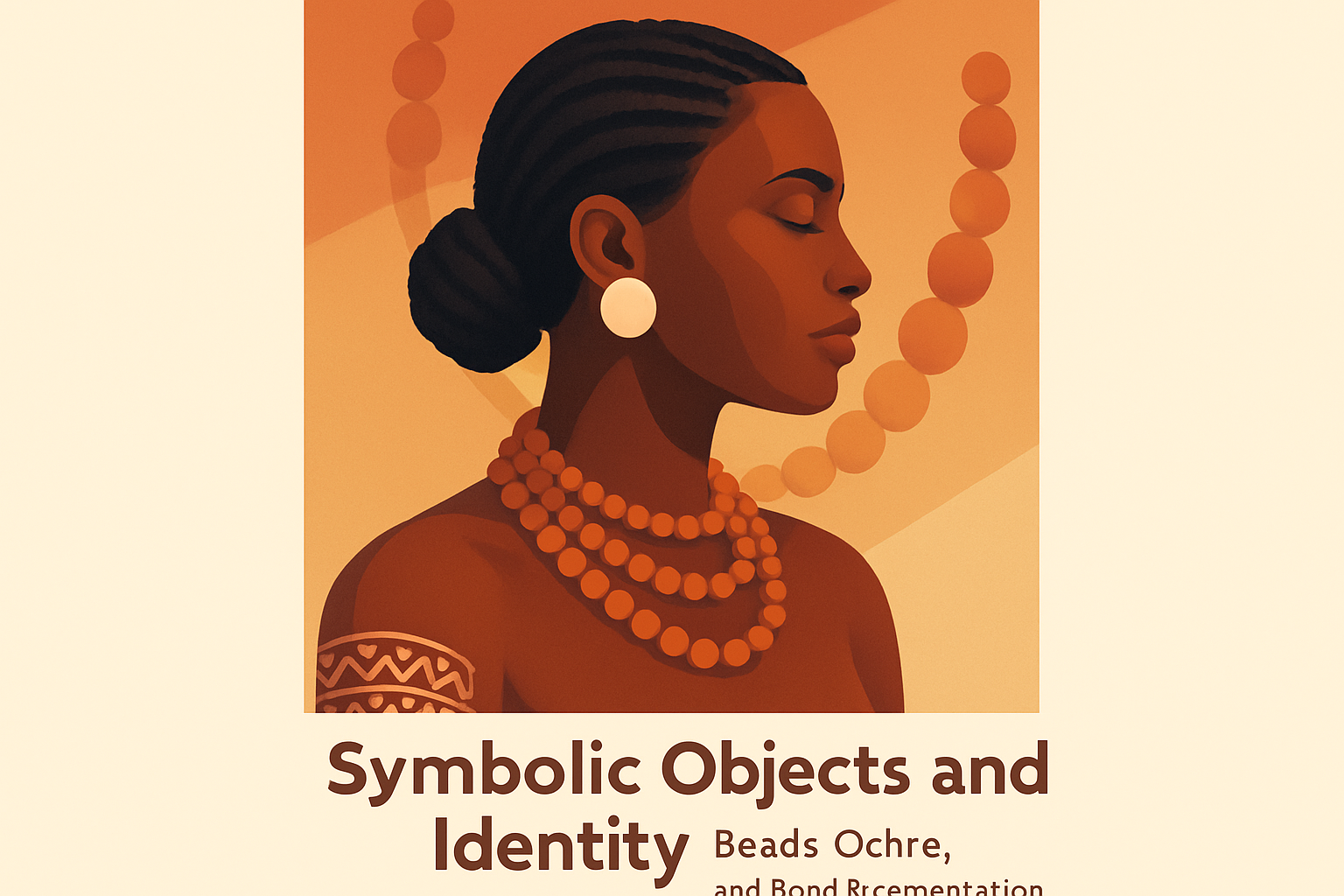
Throughout human history, the use of symbolic objects and ornamentation has played a pivotal role in expressing identity, cultural heritage, and social status. Among the numerous artifacts utilized across various civilizations, beads, ochre, and body ornamentation have emerged as particularly significant. In understanding why such simple items hold immense power, we delve into the meanings they convey, their diverse functions, and their impact on identity formation. By examining these elements, we can uncover the social dynamics, traditions, and intricate cultures of ancient societies and understand the continuing relevance in today’s world. The ability of these objects to communicate ideas and values that words often cannot is what makes them an area of keen interest for anthropologists, historians, and social scientists alike.
The Historical Significance of Beads
Beads date back to at least 100,000 years, with evidence found at archaeological sites like Blombos Cave in South Africa. These tiny, meticulously crafted items were among the first man-made objects specifically used for decoration. The use of beads has been linked to the emergence of symbolic thought and complex communication in early humans. Formed from materials like stone, shell, bone, and glass, beads served not only as decorative elements but also as vital instruments in trade networks, religious practices, and social structures.
In ancient Egypt, for instance, beads were used in intricate jewelry pieces that indicated the wearer’s status and beliefs. They were often strung into necklaces, bracelets, or used in embellishing clothing. The Egyptians believed in the protective power of certain colors and shapes of beads, which were thought to ward off evil spirits. This symbolic use of beads continued into the present day in different cultures, clearly signifying sentimental and social values associated with personal and communal identity.
Ochre in Ritual and Art
Ochre, a natural earth pigment in shades of yellow, red, and brown, holds a cerulean position within prehistoric pigment use. Its application appears in the earliest artworks known, including those found in the archaeological sites of Chauvet and Lascaux in France. More than just art, ochre was employed in ritual practices and burial rites, serving as a bridge between the physical and spiritual realms. Such uses reveal how ancient peoples perceived life, death, and transition between states.
In Australia, for example, Aboriginal cultures have used ochre in ceremonies to symbolize the connection to the land. Ochre is gathered and carefully ground into powder to produce pigments for body painting and fabric dyeing. The artwork often tells stories, communicates history, and maintains the traditions of indigenous people. Modern applications might differ, but the emotive power of ochre remains potent, emphasizing links to heritage and collective memory.
Body Ornamentation as Identity Expression
Body ornamentation encompasses a wide array of practices such as tattooing, piercing, and scarification. These practices vary greatly across cultures and most often hold significant personal and cultural meanings. Body modifications serve as tangible markers of identity, affiliation, social ranking, or life milestones, communicating messages that transcend verbal language.
Within the Maori culture of New Zealand, moko (tattooing) serves as a highly esteemed form of body ornamentation. Moko involves intricate facial tattoos worn by both men and women, each design unique and laden with personal history, accomplishments, and ancestral lineage. These tattoos are not just art but detailed stories that provide insight into the bearer’s life and iwi (tribal) affiliations.
- Piercings: Used worldwide as a form of social statement or spiritual ritual.
- Scarification: Marks identity in a deeply physical and visible form, popular in African tribes.
- Tattooing: Global increase in popularity with cultural revival and modern aesthetic appeal.
The Role of Symbolic Objects in Modern Identity
Despite advances in technology and changes in social structures, beads, ochre, and body ornamentation still hold significant importance in modern identity formation and expression. In globalized societies, where cultures intermingle and identities blend, these expressions provide a means of standing out while connecting with one’s roots.
Fashion today frequently integrates beads and beadwork, renewing interest in traditional crafting methods worldwide. Similarly, ochre pigments still find their place as a natural alternative in cosmetics and traditional art forms. The persistence of body ornamentation, particularly tattoos and piercings, continues to grow in popularity as individuals seek visible markers of their uniqueness or alignment with subcultures.
Conclusion
The symbolic power of beads, ochre, and body ornamentation has endured across millennia, illustrating their essential role in defining identity and cultural heritage. These objects enable the expression of complex ideas and emotions that go beyond the limitations of spoken language. Beads tell stories; ochre connects us to our origins; and body ornamentation marks significant personal and societal milestones. They represent continuity and change, individual expression along with shared cultural narratives. Understanding the intricate symbolism behind these objects fosters an appreciation for the diversity of human experiences and the richness of cultural expressions. We invite you to examine these elements in your community, consider the stories they tell, and explore their impact on your own identity.
Frequently Asked Questions
1. Why are beads considered significant in the study of identity and culture?
Beads are far more than just decorative items; they carry deep anthropological and cultural relevance. Throughout history, beads have been used as a medium for storytelling, communicating social status, and signifying cultural belonging. They often indicate trade patterns, as their materials and craftsmanship can offer clues about exchanges between different societies. Moreover, their colors, shapes, and arrangements can represent various elements of spiritual or mythological significance within a culture. When individuals wear beads, they are not only adorning themselves but are also engaging in an ancient practice that connects them to their ancestors and their larger societal identity. Beads also play a crucial role in rituals and ceremonies, often being used to mark important life events such as births, marriages, and deaths. Their use can transcend geographical boundaries, linking diverse cultures through shared methods of expression.
2. What role does ochre play in historical body ornamentation and identity formation?
Ochre is one of the earliest known pigments used by humans, dating back to the time of early Homo sapiens. Its use signifies not only creativity but also an emerging sense of identity and community. Ochre, with its vibrant red and yellow hues, was often used in body painting and as part of the burial rites, suggesting a deep symbolic significance. This mineral is easy to find and versatile, making it a potent tool for prehistoric people to express themselves and to signify group membership or status. In terms of identity formation, ochre marks a point in time when humans started using symbols to convey messages that went beyond the immediately apparent, representing concepts such as life, death, or religious beliefs. Its use in ceremonies could unify communities and communicate shared beliefs and values, bridging the spiritual with the material world.
3. How have body ornamentations like tattoos and scarifications contributed to identity and cultural expression?
Body ornamentation is a powerful form of self-expression that not only beautifies the wearer but can also signify important cultural affiliations or personal trajectories. Tattoos and scarifications, in particular, hold potent symbolic value and involve practices that are deeply rooted in tradition. They may represent rites of passage, achievements, tribal affiliation, or personal symbols. For many indigenous cultures, these forms of adornment are not merely decorative but are considered integral to one’s identity and life story. Tattoos and scarifications have the ability to transform the body into a living canvas of experiences and symbols that communicate both to oneself and to one’s community. They often involve elaborate processes and rituals, thereby reinforcing the communal connections and shared understandings of identity, history, and belonging.
4. How do symbolic objects and ornamentation impact social status within different cultures?
Symbolic objects and ornamentations are powerful indicators of social status across many cultures. They often signal wealth, power, leadership, or spiritual prowess. For instance, in many African cultures, the possession of intricate beadwork can indicate one’s standing in the community. Kings and leaders might wear elaborate jewelry crafted from rare materials like gold or ivory to signify their position and authority. Similarly, in ancient cultures, the materials and craftsmanship involved in body adornments were often reserved for the elite, with gold, silver, and gemstones being symbols of high status and influence. The significance of these ornaments often transcends mere wealth, also representing one’s role in societal hierarchies and sometimes even determining marital or familial bonds. They can serve as outward manifestations of one’s inner virtues or supernatural favor, thereby cementing one’s place within the social fabric.
5. What can the study of symbolic objects and ornamentation teach us about ancient trade networks and cultural interactions?
Investigating symbolic objects such as beads and body ornaments provides invaluable insights into ancient trade networks and cultural interactions. The materials and styles of these items often reveal where they originated and how they traveled over vast distances, hinting at the complex web of trade routes that existed millennia ago. For example, beads made from glass or specific types of shell can be traced back to regions far removed from where they were ultimately discovered, showcasing the interactions between distinct cultures. Furthermore, as these items were exchanged, they often carried with them ideas, technologies, and cultural practices, facilitating cross-cultural exchanges and influencing the development of civilizations. Studying these objects helps archaeologists and historians build a clearer picture of how ancient societies interacted with each other, adapting and acquiring new customs and beliefs to shape their unique identities.