
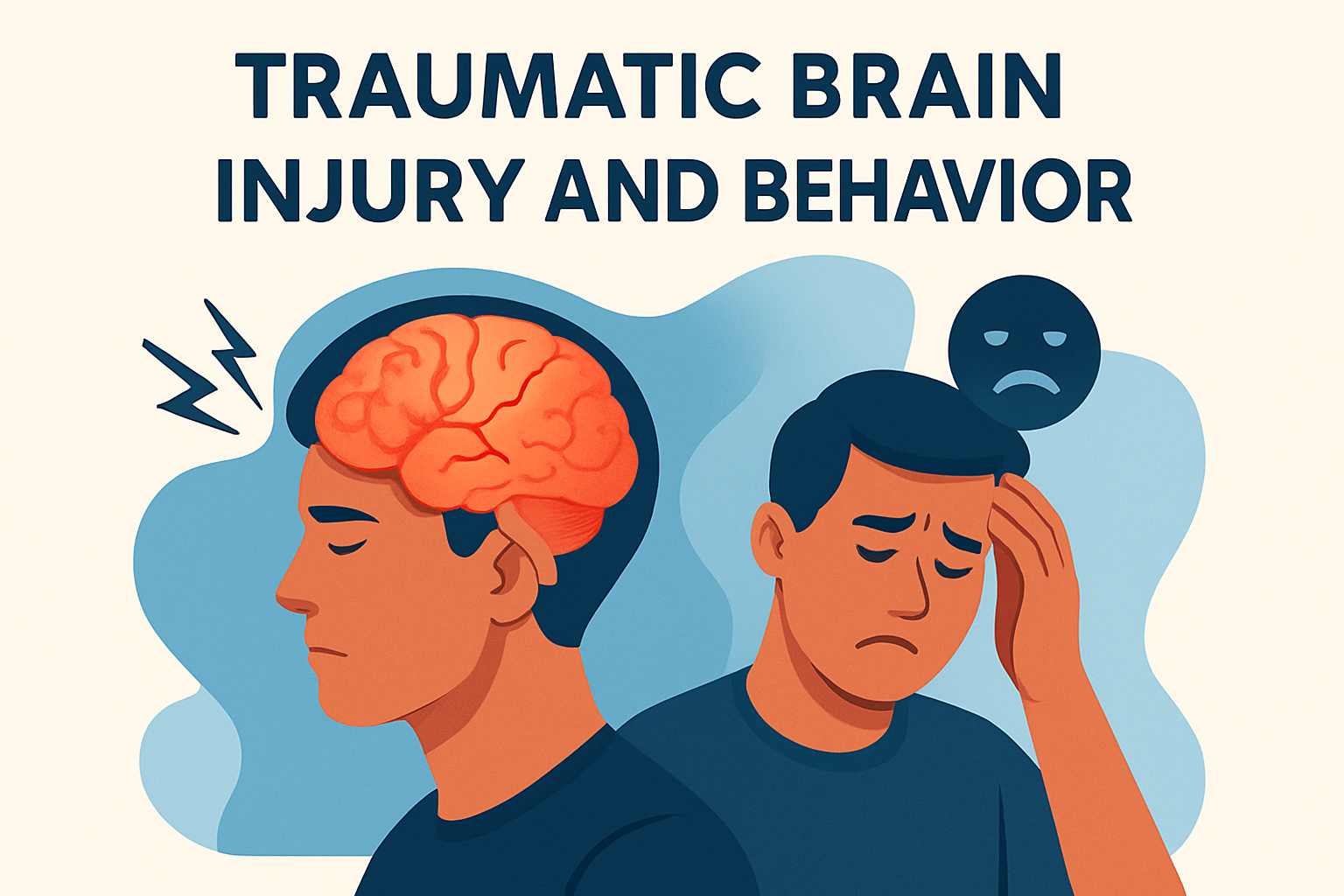
Traumatic Brain Injury (TBI) is a complex and multifaceted issue, which significantly impacts an individual’s physical, cognitive, emotional, and behavioral functions. TBI occurs as a result of a sudden bump, blow, or jolt to the head, or penetrating head injury that disrupts normal brain function. The severity of TBI varies greatly from mild concussions to severe injury that can result in prolonged periods of unconsciousness, amnesia, or even death. Recognizing, understanding, and managing TBI is crucial because of its extensive implications on an individual’s quality of life, including how they interact with others and conduct daily activities. Not only does TBI affect the injured person, but it also impacts their families, caregivers, and communities. Therefore, awareness and education about TBI can help in improving patient outcomes and supporting those around them. This article aims to delve into the relationship between TBI and behavior to provide readers with insights into the cognitive and emotional aftermath and how it can be managed effectively.
The Spectrum and Severity of Traumatic Brain Injury
TBIs are classified based on their severity: mild, moderate, or severe. Mild TBI, often referred to as a concussion, is more common yet frequently underdiagnosed. It can result in temporary confusion, changes in cognitive functioning, or headaches. A moderate TBI may lead to prolonged loss of consciousness and more significant memory loss, while severe TBI can cause extensive and lasting disruptions. A real-world example is former NFL players experiencing memory issues and personality shifts due to repeated mild TBIs over their careers. This issue shines a light on the critical need for timely diagnosis and management to mitigate ongoing behavioral and functional problems.
Most healthcare professionals utilize the Glasgow Coma Scale (GCS) to assess the severity of a TBI. Monitoring behaviors and cognitive changes is also key. TBIs are likened to snowflakes; no two injuries are exactly alike, making standardized treatment challenging. Educating the brain-injured individual and their families about the potential outcomes and complexities of TBI is pivotal in facilitating successful recovery and rehabilitation.
Behavioral Changes Post-Traumatic Brain Injury
Behavioral changes are a common consequence of TBI, often distressing for both the individual and their loved ones. These behavioral shifts may include increased irritability, impulsivity, and reduced inhibition—behaviors that can inadvertently harm personal relationships and professional endeavors.
For instance, after a moderate TBI, an individual may experience an imbalance in emotions leading to an amplified startle response or aggression. This change is often associated with damage to specific brain regions like the frontal lobe, which governs impulse control, problem-solving, and social behaviors. It underscores the importance of occupational therapy and behavioral counseling as part of rehabilitation programs.
The Role of Cognitive Dysfunction in Behavioral Outcomes
A TBI can lead to various cognitive dysfunctions that manifest in forgetfulness, poor concentration, and decision-making issues, all of which impact behavior negatively. Real-world cases have shown that individuals with TBI often struggle in environments that require sustained cognitive effort, such as workplaces that demand multitasking.
Take, for example, a teacher recovering from a TBI. They might find it challenging to plan lessons or remember student names, which hinders their professional abilities. Occupational therapy, cognitive rehabilitation programs, and creating a structured environment contribute significantly to easing these difficulties. Key to this process is the individual’s support network providing patience and understanding, along with modified responsibilities to accommodate cognitive deficits.
The Emotional Aftermath of Traumatic Brain Injury
A significant aspect of behavioral change in TBI patients is the emotional aftermath, which can include anxiety, depression, and mood swings. Such emotional turmoil often coexists with physical injuries, complicating the recovery process further.
Take the case of a road accident survivor who, post-TBI, experiences anxiety in situations that previously felt normal, such as crossing the street. Emotional support from mental health professionals and support groups can be vital in managing these emotional complications. Developing new coping strategies and maintaining open communication lines with caregivers and loved ones can significantly enhance emotional stabilization and, consequently, behavioral adjustments.
- Early intervention is key in managing emotional and behavioral outcomes post-TBI.
- Family education and involvement play a crucial role in rehabilitation efforts.
- Continuous assessment and adaptation of therapeutic strategies may be necessary as the patient’s needs evolve.
Strategies for Managing Behavioral Changes
There are multiple strategies for managing the behavioral changes resulting from TBI, emphasizing both medical and psychosocial interventions. Using medications, such as antidepressants, can address concurrent mood disorders, thereby alleviating some behavioral issues.
Therapeutic interventions often incorporate structured routines to reduce unpredictability which may cause stress in the patient. Case in point, a TBI patient might benefit from a daily schedule including cognitive exercises like puzzles, tailored exercises, and mindfulness practices. Behavioral therapists often work closely with patients to determine triggers and develop healthier responses.
| Strategy | Description |
|---|---|
| Medication Management | Use of pharmaceuticals to manage mood swings and depression. |
| Behavioral Therapy | Structured programs to modify negative behaviors and develop coping skills. |
| Cognitive Exercises | Tasks designed to improve memory and problem-solving skills. |
| Physical Rehabilitation | Exercises to aid in motor skill recovery and overall brain function enhancement. |
Overall, a multidisciplinary approach is often most effective, combining different therapies and modes of treatment catering to the individual’s unique requirements.
The Role of Family and Community Support
The journey to recovery post-TBI is not a solitary undertaking. Families and communities play an indispensable role in providing support to the affected individuals. From helping with everyday tasks to offering psychological and emotional support, their role cannot be overstated.
Consider the example of a father who, after experiencing a severe TBI, found solace and motivation in the knowledge that he remained a vital part of his family. Family members trained to aid in rehabilitation exercises and accommodations make a significant difference. Engaging in support networks, sharing experiences, and encouraging community awareness contribute positively to both the recovery and reintegration of TBI patients.
Ultimately, fostering an understanding environment that values patience and education equips everyone involved to address the challenges presented by TBI, ensuring improved recovery processes and better patient outcomes long-term.
Conclusion
Traumatic Brain Injury is a life-altering event that poses myriad challenges, particularly involving behavioral changes. Recognizing the spectrum and symptoms, understanding the impact of cognitive and emotional dysfunctions, and employing effective strategies are crucial steps in managing TBI-related behavior. It is evident that a supportive network plays a pivotal role in aiding recovery and improving quality of life.
The primary takeaway is the importance of employing a multi-faceted approach inclusive of medical intervention, therapeutic programs, and robust support systems. This not only enhances the recovery trajectory for those affected but also provides families and communities with valuable tools and understanding.
Readers are encouraged to seek additional resources or connect with professionals who specialize in TBI management for personalized guidance and support. Each step taken towards awareness and action brings one closer to effective rehabilitation and improved outcomes.
Frequently Asked Questions
What are common behavioral changes following a Traumatic Brain Injury?
Traumatic Brain Injury (TBI) often results in significant behavioral changes as it disrupts the brain’s normal functioning. One might observe changes such as increased irritability, impulsivity, or episodes of aggression, which can be challenging for both the individual and their caregivers. Mood swings are also prevalent, with individuals experiencing rapid shifts from moments of happiness to those of sadness or anger. Some people may struggle with frustration tolerance, meaning that they may become overwhelmed or upset by situations that previously wouldn’t have bothered them. TBI can also lead to difficulties in starting or finishing tasks, increased dependence on others for decision-making, or challenges in planning and organizing activities. Recognizing these changes early is crucial, and appropriate interventions can help manage and mitigate their impact.
How does TBI impact emotions, and what can be done to support those affected?
Emotionally, TBI can result in a range of symptoms, from anxiety, depression, and apathy, to heightened emotional responses like tearfulness or laughter that are out of context. Changes in emotional regulation often stem from the injury affecting the frontal lobe, which plays a vital role in emotional control. To support someone with a TBI experiencing emotional difficulties, it’s important to adopt a patient and understanding approach. Validation of their feelings, encouraging open communication, and seeking professional mental health support are key components. Cognitive-behavioral therapy (CBT) often proves beneficial for developing strategies to manage emotions effectively. Therapeutic interventions, combined with social and family support, can significantly improve the quality of life for individuals with a TBI.
Can mild Traumatic Brain Injury (mTBI) result in long-term behavioral changes?
Absolutely, even a mild Traumatic Brain Injury (mTBI), commonly referred to as a concussion, can lead to prolonged behavioral changes. Initial symptoms, such as headache, dizziness, or confusion, often resolve within weeks, but for some, mTBI can have lasting impacts. Cognitive challenges like difficulty with attention, memory lapses, or slower processing speeds can persist beyond the acute recovery phase, sometimes leading to chronic struggles with anxiety or depression. This is often termed “post-concussion syndrome.” The individual may also experience personality changes that can strain relationships with family and friends. Early intervention and continuous monitoring are essential. Rehabilitative therapies, tailored to the individual’s needs, are crucial in addressing long-term effects. Additionally, ensuring that progress is monitored by healthcare professionals can aid in managing symptoms effectively over the long term.
In what ways does TBI affect cognitive functions, and how can these be rehabilitated?
Traumatic Brain Injury (TBI) can significantly impair cognitive functions, which represent the processes by which our brains understand and interact with the world. These cognitive deficits can manifest as poor concentration, memory issues, difficulties with problem-solving, and challenges in communication and language skills. To rehabilitate these cognitive impairments, cognitive rehabilitation therapy (CRT) is often employed. CRT involves customized exercises designed to improve specific cognitive functions. Techniques include memory exercises, organizational skills training, and strategies for enhancing attention and processing speed. Speech and language therapy can also be vital for those experiencing communication difficulties. The rehabilitation process may be long-term, requiring collaboration between healthcare providers and support networks to ensure the individual receives adequate encouragement and resources to enhance cognitive recovery.
How can family members support a loved one with TBI experiencing behavioral changes?
Family members play a pivotal role in the recovery and adaptation process for individuals experiencing behavioral changes post-TBI. It’s important for family members to educate themselves on the nature of TBI and its potential impacts on behavior. By understanding these changes, families can approach situations with empathy and patience rather than frustration. Open and honest communication is crucial, allowing the individual with TBI to express their feelings without judgment. Setting realistic expectations regarding behavioral progress can prevent additional stress. Engaging in family therapy sessions can also provide valuable strategies for coping and improving family dynamics. Support groups, both for the individual and their family, provide platforms to share experiences and advice. It’s essential to encourage independence in safe environments while offering support and assistance when needed. Additionally, staying attuned to the mental health needs of the family unit, and seeking professional support when necessary, can make a significant difference in managing the unique challenges posed by TBI.