
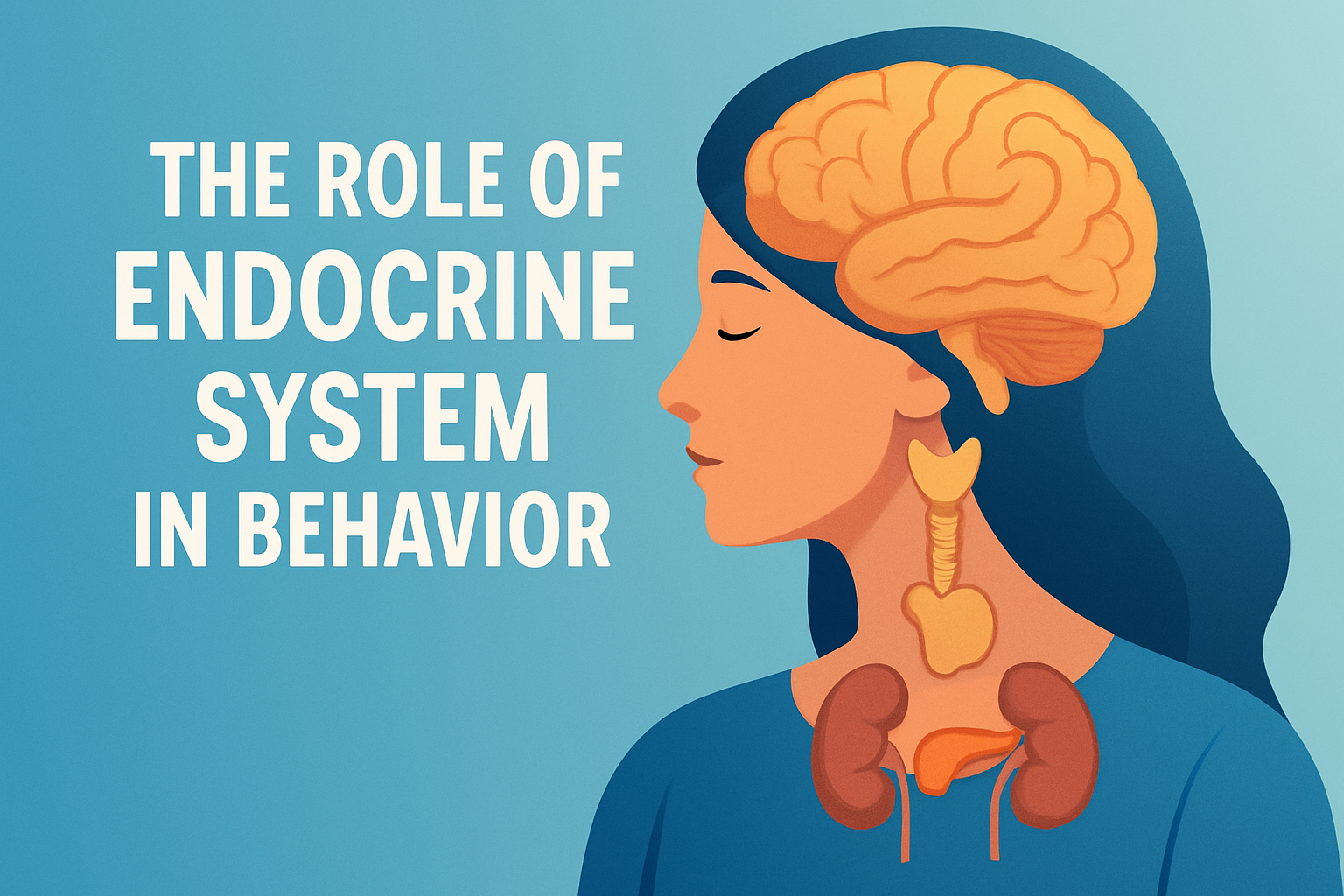
The human body is a complex network of systems that work tirelessly to maintain balance and promote optimal functioning. Among these, the endocrine system plays a pivotal role in regulating various physiological processes, including behavior. But what exactly does the endocrine system do, and why is it so crucial to our behavioral patterns? In essence, the endocrine system comprises a series of glands that release hormones into the bloodstream. These hormones act as messengers, influencing a wide array of bodily functions such as growth, metabolism, and, importantly, mood and behavior.
Understanding the role of the endocrine system in behavior is crucial because it offers insights into how our bodies respond to different stimuli and how certain conditions might affect our mental and emotional well-being. By exploring this relationship, we can better appreciate how imbalances in hormone levels can lead to significant changes in behavior, both in the context of natural life fluctuations and various endocrine disorders.
The Endocrine System and its Components
The endocrine system is an intricate network of glands that produce and secrete hormones. These glands include the pituitary gland, thyroid gland, adrenal glands, pancreas, and gonads (ovaries in females and testes in males). Each plays a unique role in bodily function. For instance, the pituitary gland is often considered the “master gland” because it regulates other glands and has a major influence over growth and reproductive functions.
To illustrate, consider the thyroid gland, which regulates metabolism through the release of thyroid hormone. An imbalance in thyroid hormone levels can lead to conditions such as hyperthyroidism or hypothyroidism, frequently accompanied by behavioral symptoms like anxiety or depression. This demonstrates the direct impact of endocrine function on behavior, where too much or too little of a hormone causes psychological shifts.
Hormones and Behavioral Responses
Hormones are chemicals that have widespread effects on various tissues in the body. They influence emotions, cognition, and behavior either directly or by impacting other bodily systems. Cortisol, commonly known as the stress hormone produced by the adrenal glands, is an excellent example of this relationship. It is released in response to stress and plays a role in activating the fight-or-flight response.
In a high-pressure situation, cortisol levels spike, enabling an immediate response. However, chronic stress can lead to prolonged elevated cortisol levels, contributing to anxiety and depression, showcasing the protective and potentially harmful roles of hormonal responses. Studies have shown that stress management and regular behavioral interventions can help moderate these hormone levels, thus potentially reducing anxiety and depression symptoms.
Real-World Example: The Impact of Hormonal Fluctuations
A common real-world scenario of endocrine influence on behavior is seen in women during menstruation, pregnancy, or menopause. Hormone fluctuations during these periods can cause mood swings, irritability, or changes in behavior due to the variations in estrogen and progesterone levels.
For instance, during premenstrual syndrome (PMS), many women experience significant emotional symptoms such as mood swings, fatigue, and irritability. These changes are primarily driven by hormonal shifts that subsequently affect neurotransmitter balance in the brain. Understanding these changes can foster empathy and better management strategies, such as lifestyle adjustments and dietary supplements that aim to stabilize mood.
Influence of Endocrine Disorders on Behavior
Endocrine disorders can profoundly alter behavior and are often the underlying cause of unexplained mood changes. Conditions such as diabetes, Cushing’s syndrome, and hyperthyroidism have pronounced behavioral components.
Take diabetes, for example. Blood sugar fluctuations can lead to mood changes, irritability, and even aggression due to the body’s struggle to process glucose adequately. Recognizing these behavioral signs can be crucial for early detection and management of diabetes, aiding in maintaining quality of life for individuals affected by this condition.
Interactive Element: Link Between Hormones and Behavior
- Cortisol: Affects stress levels and can lead to anxiety or depression when chronically elevated.
- Estrogen: Influences mood swings and emotional well-being in women, especially noticeable during menstrual cycles.
- Testosterone: Linked to aggression levels and sex drive in both males and females.
- Insulin: Affects glucose metabolism; imbalances lead to mood changes as seen in diabetes.
The Psychological Aspect: Neuroendocrinology
Neuroendocrinology studies the interaction between the nervous system and the endocrine system, providing a deeper understanding of how hormones influence behavior. The hypothalamus, a critical brain region, coordinates both hormonal and neural responses to stress, impacting emotions and behaviors significantly.
For example, during a stressful encounter, the body releases cortisol and adrenaline, coordinated by the hypothalamus, which prepares the body to react. This cross-talk between systems ensures that organisms can swiftly respond to threats, highlighting the interplay between neural and hormonal pathways that dictate behavior.
Case Study: Polycystic Ovary Syndrome (PCOS) and Behavior
Polycystic Ovary Syndrome (PCOS) exemplifies how endocrine disorders can affect behavior. Characterized by elevated levels of androgens (male hormones) in women, PCOS can lead to symptoms like severe mood swings, depression, and anxiety due to the hormonal imbalance.
Women with PCOS often face psychological challenges, not just physical ones, demonstrating the need for holistic management encompassing both medical and psychological care. By recognizing these intersecting impacts, healthcare providers can deliver comprehensive care that addresses both hormonal imbalances and their behavioral consequences.
The Path Forward: Future Implications
Continued research on the endocrine system’s role in behavior holds great promise. Understanding this interplay offers the potential for new therapeutic strategies for mood disorders and other behavioral health issues, ultimately leading to more targeted and effective treatments.
Recent advancements in endocrinology research highlight the importance of considering hormonal influences when diagnosing behavioral disorders. As research progresses, more personalized interventions could become commonplace, offering new hope for individuals affected by these conditions, fundamentally improving their quality of life.
Conclusion
The intricate relationship between the endocrine system and behavior underscores the complex nature of human biology. By influencing emotions, cognitive functions, and physical responses to environmental stimuli, hormones play a critical role in dictating our behavior. Recognizing the significant impact of the endocrine system on behavior is crucial for understanding many psychological and physiological conditions. By maintaining a balance in our endocrine system, we can achieve better overall health and improve our quality of life. The increasing body of research in endocrinology opens pathways to more personalized and effective interventions, emphasizing the importance of this field in behavioral science.
If you suspect that hormonal imbalances might be affecting your behavior, consider reaching out to a healthcare professional. Understanding and addressing these imbalances can lead to better health outcomes and improved well-being. Take proactive steps towards monitoring your hormonal health and exploring your options for support and management if needed.
Frequently Asked Questions
1. What exactly is the endocrine system, and how does it function in relation to human behavior?
The endocrine system is an intricate network of glands that produce and release hormones into the bloodstream. These hormones then travel to various organs and tissues, influencing numerous bodily functions and processes. When it comes to behavior, the endocrine system essentially acts as a key coordinator, often dictating our mood, energy levels, and reactions to different situations. For instance, hormones such as cortisol, adrenaline, and oxytocin play significant roles. Cortisol, often released in response to stress, affects our alertness and energy, while adrenaline prepares our body for a fight-or-flight response, and oxytocin influences social bonding and trust. Each hormone carries specific instructions that affect both our physiological state and our behavior, creating a complex interplay that governs how we act and feel in different environments.
2. How do hormones specifically influence emotions and behavior?
Hormones can be considered as the chemical messengers of the body that substantially impact our emotional and behavioral state. They provide a link between the brain and various parts of the body, ensuring that everything works in harmony. For instance, serotonin is a hormone associated with feelings of well-being and happiness; an imbalance can lead to mood disorders such as depression. Dopamine, another hormone, is crucial for reward and pleasure pathways, affecting motivation, enthusiasm, and the overall sense of reward. On the other hand, fluctuations in estrogen and testosterone levels can significantly influence mood and behavior, with some studies suggesting links to aggression and emotional sensitivity. These hormones adjust the threshold for certain reactions, determine mood stability, and are fundamentally tied to our responses to various stimuli around us.
3. Can disruptions in the endocrine system lead to behavioral issues?
Absolutely, disruptions in the endocrine system can lead to a range of behavioral problems. Hormonal imbalances, whether due to gland dysfunction, nutrient deficiencies, or stress, can have profound effects on an individual’s mental health and behavior. A common example is an overproduction or underproduction of thyroid hormones, leading to conditions like hyperthyroidism or hypothyroidism, which are associated with anxiety, depression, and mood swings. Issues with insulin regulation, often seen in individuals with diabetes, can lead to cognitive difficulties and behavioral changes like irritability and lethargy. Adolescents undergoing puberty also experience significant hormonal changes, which can lead to mood swings and changes in behavior. Hence, maintaining hormonal balance is crucial for promoting stable mental health and consistent behavioral patterns.
4. How do lifestyle factors impact the endocrine system and, consequently, behavior?
Lifestyle factors such as diet, exercise, sleep, and stress levels can greatly influence the functioning of the endocrine system. A balanced diet provides the essential nutrients needed for hormone production and regulation. For example, deficiencies in specific vitamins and minerals like iodine, zinc, and vitamin D can hinder thyroid function and hormone synthesis. Regular physical activity can enhance the regulation of insulin, which impacts energy levels and cognitive function, whereas adequate sleep is essential for the proper functioning of the adrenal glands, influencing stress hormone levels. Chronic stress, however, can lead to the prolonged release of cortisol, affecting immune function, mood, and even memory. Thus, a healthy lifestyle is pivotal in supporting the optimal functioning of the endocrine system and stabilizing the behaviors linked to its hormonal outputs.
5. Are there ways to naturally support the endocrine system to enhance behavior?
Yes, there are several natural ways to support the endocrine system and, by extension, influence healthier behavioral outcomes. Prioritizing a nutrient-rich diet that includes foods beneficial for hormone health, such as leafy greens, fish rich in omega-3 fatty acids, and seeds rich in zinc, can enhance hormone production and balance. Minimizing processed foods and sugar helps maintain insulin levels, while managing stress through mindfulness practices like meditation and yoga helps balance cortisol levels. Ensuring regular sleep patterns is crucial for regulating the circadian rhythm and hormones like melatonin. Also, staying active through consistent physical exercise can boost endorphin production and maintain overall hormonal health, creating a supportive environment for stable moods and positive behaviors.