
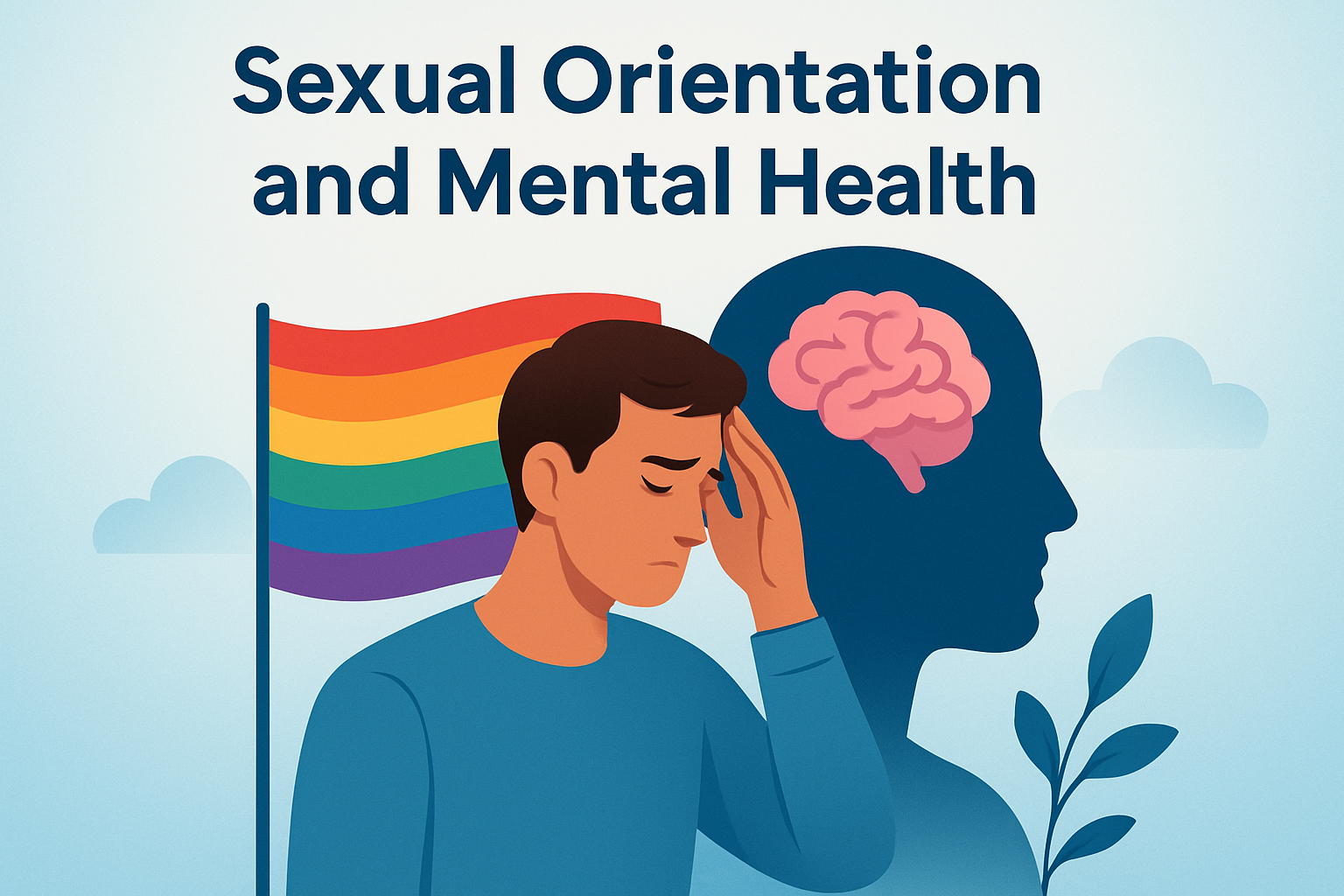
Sexual orientation refers to the enduring pattern of emotional, romantic, or sexual attraction that an individual feels towards others. It is a crucial part of personal identity and can be classified into various categories such as heterosexuality, homosexuality, bisexuality, among others. Mental health, on the other hand, encompasses emotional, psychological, and social well-being. These aspects affect how someone thinks, feels, and behaves.
The intersection of sexual orientation and mental health is an important subject because significant disparities in mental health outcomes exist among individuals with different sexual orientations. Understanding and addressing these disparities is crucial for developing inclusive public health strategies, offering equitable mental health services, and promoting overall well-being among diverse populations. This topic matters as it underscores the necessity for empathetic healthcare, informed policy-making, and societal acceptance, which are pivotal in enhancing the quality of life for every individual, regardless of their sexual orientation.
Understanding the Correlation Between Sexual Orientation and Mental Health
Research indicates a strong correlation between sexual orientation and mental health outcomes. Individuals who identify as LGBTQ+ are often at a higher risk of experiencing mental health issues compared to their heterosexual counterparts. This can be attributed to various factors, including societal stigmatization, discrimination, and a lack of support, which can culminate in stress and mental distress.
For instance, a study conducted by the National Institute of Mental Health (NIMH) found that LGBTQ+ youth are more susceptible to depression, anxiety, and suicidal tendencies due to bullying in schools and the resultant sense of isolation. These experiences, stemming from societal prejudices, significantly impact their mental health in the long term. The correlation highlights the urgent need to address societal norms and promote an inclusive environment conducive to mental wellness for people of all sexual orientations.
Common Mental Health Challenges Faced by the LGBTQ+ Community
Members of the LGBTQ+ community often navigate various mental health challenges that are unique to their experiences. These challenges frequently include elevated rates of anxiety, depression, and substance abuse disorders. The heightened levels of stress arising from discrimination and stigmatization substantially contribute to poor mental health outcomes.
An illustrative example includes the issue of internalized homophobia, where an individual absorbs the negative societal messages about their orientation, leading to self-criticism and low self-esteem. As a result, this internal conflict can manifest in severe mental health issues, including major depressive disorders. Addressing these challenges involves recognizing these mental health patterns and ensuring that mental health support is tailored specifically to meet the nuanced needs of LGBTQ+ individuals.
The Impact of Discrimination on Mental Health
Discrimination based on sexual orientation is a pervasive problem that deeply affects mental health in individuals identifying as LGBTQ+. This discrimination can occur in many forms, ranging from blatant acts of homophobia to subtle microaggressions that reinforce feeling devalued or unwelcome in heteronormative societies.
For example, institutional discrimination, such as policies that deny LGBTQ+ individuals basic rights, can significantly affect their mental health. A notable case in point is the historical ban on same-sex marriages, which not only denied couples legal recognition but also validated societal biases against non-heterosexual individuals. Studies have shown that legal recognition of same-sex marriages is associated with improved mental health outcomes, illustrating that reducing discrimination and promoting equality can have profound effects on mental well-being. Addressing systemic discrimination requires comprehensive policies that promote equality and foster acceptance within communities.
| Factor | Impact on Mental Health |
|---|---|
| Discrimination | Elevated stress and anxiety, depression |
| Stigmatization | Low self-esteem, social withdrawal |
| Lack of support | Isolation, increased substance use |
Resilience and Coping Mechanisms in the LGBTQ+ Community
Despite facing numerous challenges, individuals in the LGBTQ+ community often exhibit remarkable resilience and adaptive coping mechanisms. Resilience involves maintaining or regaining mental health after adversity, a skill that many LGBTQ+ individuals develop as a response to discrimination and other stressors.
For example, building supportive networks with other LGBTQ+ individuals and allies serves as a powerful coping strategy. These communities offer solidarity and acceptance, providing safe spaces where members can freely express themselves without fear of judgment. Peer support groups and LGBTQ+ events can foster a sense of belonging, diminishing feelings of isolation and enhancing mental health resilience. Encouraging and facilitating the development of such networks can be an effective step toward promoting mental wellness in the LGBTQ+ community.
The Role of Healthcare Systems in Addressing Mental Health Disparities
The healthcare system plays a pivotal role in addressing the mental health disparities associated with sexual orientation. However, many LGBTQ+ individuals encounter barriers when accessing mental health services, including fear of discrimination, lack of understanding, and limited availability of LGBTQ+-affirmative care.
Case studies reveal that healthcare providers who receive training on LGBTQ+ issues and apply culturally competent care can significantly improve health outcomes for LGBTQ+ patients. Providing inclusive healthcare environments where patients feel understood and respected can encourage more members of this community to seek help when needed. Moreover, implementing policies that ensure the availability of inclusive and comprehensive mental health services, such as gender-neutral therapy sessions and mental health screenings, is crucial to bridging the gap in mental health care provision.
Conclusion
Understanding the intricate relationship between sexual orientation and mental health is fundamental to promoting well-being for individuals of varying sexual identities. Recognizing the unique challenges faced by the LGBTQ+ community, from discrimination to societal stigmatization, underscores the urgency of inclusive and empathetic approaches in both societal and healthcare contexts.
Key takeaways include acknowledging the disproportionate mental health challenges experienced by the LGBTQ+ community, addressing and mitigating systemic discrimination, and emphasizing the value of resilience-building strategies and supportive healthcare systems. By fostering environments of acceptance, equality, and understanding, society can enhance mental health outcomes for everyone, regardless of sexual orientation. As a call to action, stakeholders—ranging from policymakers to community leaders and healthcare providers—are encouraged to advocate, implement, and promote inclusive policies that support mental health for all.
Ultimately, ongoing efforts to educate, support, and provide equitable mental health care are essential next steps to ensure an inclusive society that recognizes and nurtures its diverse populace.
Frequently Asked Questions
1. What is the relationship between sexual orientation and mental health?
The relationship between sexual orientation and mental health is multifaceted and deeply significant. Being an integral aspect of personal identity, sexual orientation can greatly impact mental health in both positive and negative ways. Individuals who identify as part of sexual minority groups, such as those who are lesbian, gay, bisexual, or queer, often face unique challenges and stressors that can affect their mental well-being. These challenges can stem from societal stigma, discrimination, and potential rejection from peers or family, which can lead to feelings of isolation, anxiety, and depression.
However, it’s crucial to recognize that it’s not the sexual orientation itself that affects mental health negatively, but the hostile environment and lack of acceptance that can come with it. On the positive side, embracing one’s sexual orientation can lead to a strong sense of self and belonging, particularly when individuals are supported by a community that celebrates diversity and inclusion. Supportive environments can bolster mental health by fostering a sense of acceptance, self-worth, and happiness.
2. How does discrimination based on sexual orientation impact mental health?
Discrimination based on sexual orientation can have profound impacts on an individual’s mental health. It can manifest in various forms, including bullying, harassment, exclusion, and unequal treatment in areas such as employment, housing, and healthcare. Such discrimination can lead to chronic stress and trauma, often contributing to higher rates of mental health issues among sexual minorities.
Exposure to stigma and discrimination can exacerbate feelings of loneliness and result in increased vulnerability to anxiety, depression, and other mood disorders. It can also lead to internalized homophobia, where individuals start to accept negative ideas and stereotypes about their own sexual orientation, further diminishing their self-esteem and mental well-being.
Furthermore, the fear of discrimination can discourage individuals from seeking mental health support or open dialogue about their experiences, further complicating their mental health challenges. Therefore, combating discrimination and promoting acceptance are paramount in protecting and improving the mental health of sexual minority individuals.
3. Are there specific mental health resources available for sexual minorities?
Yes, there are numerous mental health resources specifically tailored to the needs of sexual minorities. These resources often provide a safe space for individuals to discuss their experiences and receive support without fear of judgment or discrimination. Some of these resources include LGBTQ-friendly therapists and counselors who have specialized training in issues specific to sexual minorities.
Organizations such as The Trevor Project, PFLAG, and the National LGBT Health Education Center offer a variety of support services, including helplines, counseling, and educational resources, to aid in mental well-being. Many of these organizations also work to connect individuals with local community groups and support networks that prioritize inclusivity and acceptance.
It’s important for individuals to seek out these affirming resources, as they can play a vital role in mitigating mental health challenges and fostering a sense of community and resilience.
4. How can supportive environments improve the mental health of sexual minorities?
Supportive environments can have a profoundly positive impact on the mental health of sexual minorities. These environments are characterized by acceptance, understanding, and inclusivity, offering a respite from the discrimination and stigma that many individuals may face in less accepting settings. When sexual minorities are surrounded by supportive family members, friends, and communities, they are more likely to experience higher levels of self-acceptance and lower levels of mental health issues.
Supportive environments validate the individual’s identity, encourage open communication, and foster a strong sense of belonging. This, in turn, can lead to improved self-esteem, reduced stress levels, and an overall enhancement in quality of life. Additionally, having access to LGBTQ-friendly schools, workplaces, and healthcare can further bolster mental health by ensuring that individuals are treated with dignity and respect.
Creating supportive environments involves active efforts from society, such as implementing anti-discrimination policies, promoting education around diverse sexual orientations, and actively confronting prejudice whenever it arises. These collective efforts not only benefit sexual minorities, but help build a more equitable and inclusive society for all.
5. What role does coming out play in the mental health journey of sexual minorities?
Coming out, or the process of openly sharing one’s sexual orientation with others, is a deeply personal and significant journey that can greatly affect mental health. It often represents a pivotal moment in the lives of sexual minorities, offering both potential positive and negative impacts.
On the positive side, coming out can lead to a sense of liberation and authenticity. It allows individuals to live more openly and congruently with their true selves, which is crucial for mental well-being. The act of coming out can reduce internalized stress caused by hiding one’s identity and can improve overall self-esteem and mental health by fostering a genuine connection with others.
However, the process of coming out can also be fraught with anxiety and fear of rejection, particularly in unaccepting environments. The reactions of friends, family, and acquaintances can significantly affect the mental health outcomes of this process. In cases where coming out leads to rejection or hostile responses, individuals may experience heightened levels of depression or anxiety.
Therefore, it is vital for those considering coming out to prepare themselves emotionally and seek supportive networks that can offer reassurance and understanding. Utilizing resources and communities geared towards assisting individuals through the coming out process can help mitigate potential challenges and foster a healthier mental state during and after the journey.