
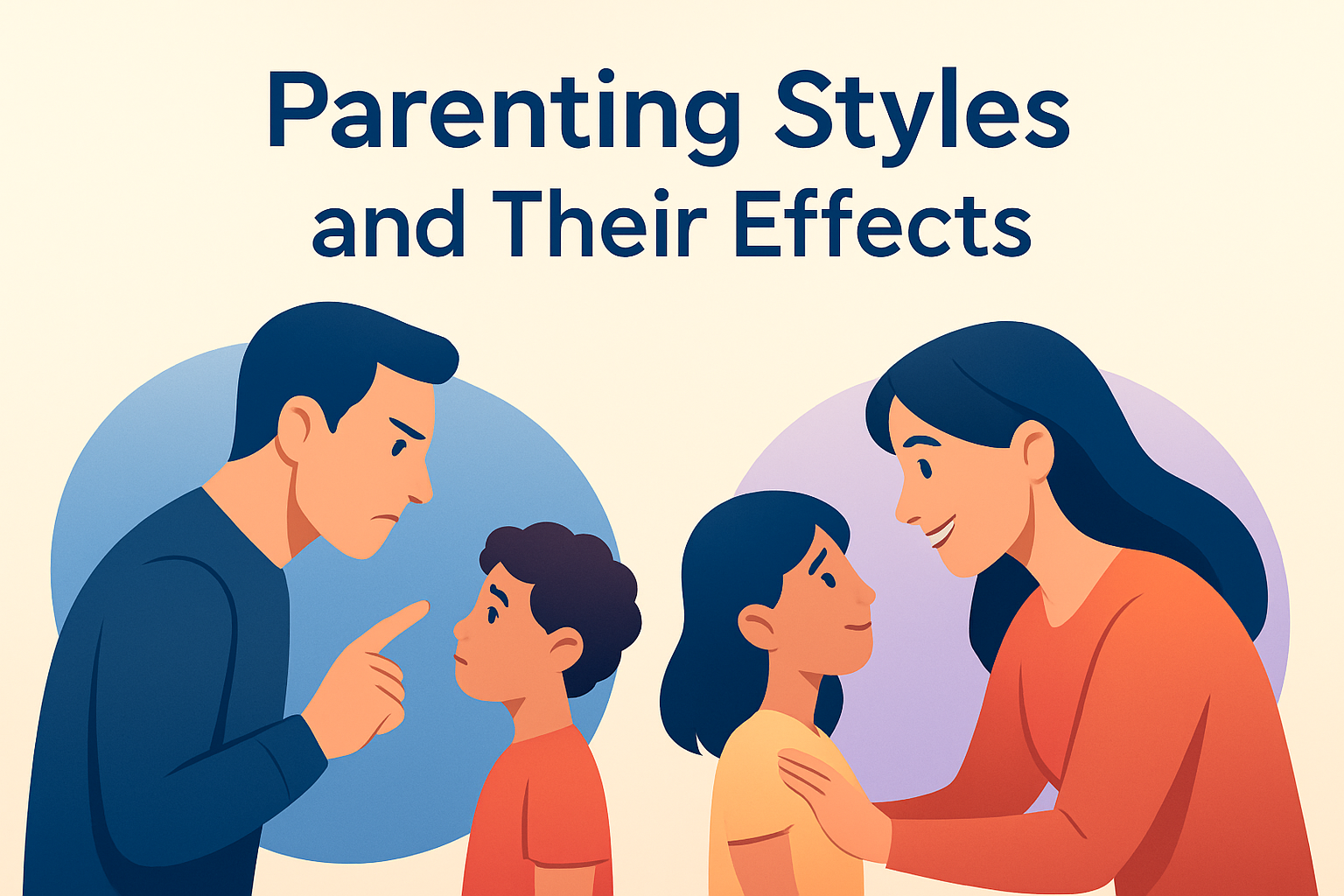
Introduction to Parenting Styles
Parenting styles play a critical role in shaping the lives and personalities of children. Understanding the different parenting styles is imperative for parents aiming to nurture their children’s development effectively. Parenting style refers to the combination of strategies that a parent uses to raise their children. These approaches can significantly influence a child’s psychological and social development, affecting their behavior, academic success, emotional growth, and relationship-building capabilities. The topic of parenting styles is vital as it helps parents reflect on their own methods, potentially allowing adjustments for enhanced child rearing, which ultimately benefits the family unit and society at large by raising well-rounded individuals.
There are several established parenting styles often discussed in developmental psychology: authoritarian, authoritative, permissive, and uninvolved. Each style carries distinct characteristics and outcomes, responsible for shaping a child’s future in unique ways. Analyzing these styles can help parents evaluate their approach and make informed decisions to foster a nurturing environment for their children. This article delves into each of these parenting styles, offering insights into their effects on children and providing tangible examples to ground these theories in real-world scenarios.
Authoritarian Parenting Style
The authoritarian parenting style is characterized by strict rules, high expectations, and a no-nonsense approach to discipline. Parents following this style believe in structured environments and often demand obedience without considering a child’s opinion. Decisions are typically made by the parent, with an emphasis on maintaining control over the child’s behavior. This approach is usually less responsive to a child’s emotional needs.
In real-world terms, consider a household where a child is expected to follow a rigorous schedule of chores and academic activities without any deviation or input. The parents, ensuring that the child adheres strictly to bedtime, homework, and other routines, provide little room for negotiation or flexibility. Although this style can lead to a disciplined and orderly environment, it often results in children who are less socially adept, have lower self-esteem, and can become shy or introverted due to the lack of supportive parental interaction.
However, authoritarian parenting isn’t inherently harmful and can build a sense of purpose and accountability in children. To illustrate, many adults raised in authoritarian households excel in professional settings where structure and obedience are highly valued. The challenge lies in finding a balance between discipline and emotional connectivity to best support a child’s development.
Authoritative Parenting Style
Authoritative parenting is often seen as one of the most effective parenting styles. It is marked by a balance between demands and responsiveness. Parents who adopt this style set clear standards and expectations for their children but also offer support, warmth, and open communication. They enforce rules, but with explanations of the reasons behind them, encouraging dialogue and mutual respect.
An example of authoritative parenting in action might involve setting reasonable curfews for teenagers, with a dialogue about the importance of safety and trust. These parents are proactive in discussing potential consequences and encourage their children to express their thoughts and feelings. As a result, children raised by authoritative parents tend to be more confident, socially skilled, and capable of managing their emotions effectively. They often perform better academically and demonstrate greater problem-solving skills.
Because authoritative parents provide the perfect environment for learning, including natural and consistent consequences, children can build resilience and independence. The authoritative style’s emphasis on open communication allows children to feel heard and respected, which fosters a trusting relationship that benefits both parents and children.
Permissive Parenting Style
Permissive parenting, also known as indulgent parenting, is characterized by low demands accompanied by high responsiveness. Parents who adopt this style act more like friends than parental figures, often avoiding confrontation and lenient in setting boundaries. They are nurturing and communicative, but as a result, tend to impose few rules and expectations.
In practice, permissive parents might allow children to make their own rules regarding bedtimes, screen time, or dietary choices. This lack of regulation can lead children to struggle with self-discipline and self-control. They may also develop entitlement attitudes, struggle academically, or experience issues with authority figures outside the home.
While permissiveness arises from a desire to foster freedom and independence, it often leads to children who are not equipped with the skills needed for self-management. They may find it challenging to face societal and academic pressures, potentially leading to high levels of stress and anxiety.
Uninvolved Parenting Style
Uninvolved parenting, also referred to as neglectful parenting, is characterized by a lack of responsiveness to a child’s needs. These parents may have few expectations or rules and provide very little active engagement in their child’s life. The uninvolved style can result from a parent’s intention or circumstances where they are overwhelmed by other responsibilities or challenges.
A real-world example might include parents who allow their children significant freedom without guidance or oversight, resulting in the child having to navigate many responsibilities alone. Uninvolved parenting can severely impact a child’s emotional and social development, often resulting in feelings of neglect or abandonment.
Children in this environment may struggle academically, have low self-esteem, and exhibit frequent behavioral issues. The lack of parental involvement leads to difficulties in forming relationships and trusting others as they mature. While some children develop resilience and self-sufficiency despite this style, the majority will face challenges that require significant personal development to overcome.
| Parenting Style | Key Characteristics | Potential Child Outcomes |
|---|---|---|
| Authoritarian | Strict, rule-oriented, less emotional warmth | Disciplined, lower self-esteem, less social competence |
| Authoritative | Balanced, clear expectations, supportive | Self-reliant, socially adept, emotionally healthy |
| Permissive | Lenient, nurturing, few restrictions | Poor self-discipline, academic challenges |
| Uninvolved | Minimal engagement, low support | Struggles with confidence, emotional issues |
Conclusion and Key Takeaways
Understanding the various parenting styles is vital for creating an environment conducive to healthy child development. While the authoritative style is generally perceived as the most effective due to its balance of structure and support, each style’s unique characteristics offer both benefits and challenges. Parents should consider their individual values and their child’s needs when assessing which parenting style aligns best with their family goals.
Parents can benefit immensely from being introspective about their approach to parenting. Engaging with literature, seeking professional guidance, and discussing with peers can illuminate areas needing adjustment. The central aim is to provide a safe and nurturing atmosphere that promotes learning, emotional intelligence, and confidence in children.
The key to successful parenting lies in flexibility and understanding. As children grow and develop, parents must be adaptive to meet their changing needs while maintaining consistent, loving support. By applying these insights, parents can empower their children, preparing them for future success and fulfillment.
As a call-to-action, consider evaluating your own parenting style today. Reflect on areas for potential growth, and embrace the journey of guiding your children towards becoming well-adjusted adults. Whether through adopting new strategies or affirming successful practices, your efforts have the power to shape the next generation.
Frequently Asked Questions
1. What are the different types of parenting styles, and how do they impact children’s development?
There are generally four recognized parenting styles: authoritative, authoritarian, permissive, and uninvolved. Each has a different approach to raising children and can have varied impacts on a child’s development.
Authoritative Parenting: This style is characterized by high responsiveness and high demands. Authoritative parents are supportive and nurturing, yet set clear boundaries and expectations. Studies have shown that children raised by authoritative parents tend to be more socially competent, self-regulated, and perform better academically. They often develop a strong sense of self and the ability to think critically.
Authoritarian Parenting: Quite the contrast to authoritative, this style is high in demand but low in responsiveness. Authoritarian parents impose strict rules and expect obedience without much room for open dialogue. Children raised in such environments may perform well academically but could struggle with lower self-esteem, social skills, and might conform to peer pressure more easily. They may also experience higher levels of anxiety.
Permissive Parenting: Here, parents are indulgent and may set very few boundaries or expectations. They are highly responsive but make few demands. While children of permissive parents often have higher self-esteem, they may also struggle with self-discipline and authority. They might perform poorly in school due to a lack of motivation and discipline.
Uninvolved Parenting: This style is low in both responsiveness and demand. Uninvolved parents provide little emotional support and may not enforce rules consistently. Children with uninvolved parents typically struggle in all areas of life, including emotional development, behavior, and academic achievement. They might also develop attachments issues and feel disconnected from socially healthy norms.
2. How can authoritative parenting benefit a child’s social and emotional development?
Authoritative parenting is often praised as the most effective and beneficial style, particularly for fostering social and emotional development. This approach involves setting clear expectations while also supporting children emotionally. It promotes open communication, which helps children understand the reasons behind rules and limits, fostering an environment where they feel safe and respected.
Children raised by authoritative parents often become more self-reliant, socially adept, and emotionally stable. The balance of guidance and independence nurtures their ability to make decisions and engage in problem-solving, which is significant for emotional intelligence. These children frequently exhibit higher self-esteem and confidence, as they feel valued and their opinions are heard. The authoritative style encourages children to express themselves, which can lead to better emotional regulation and the ability to handle life’s challenges with resilience and optimism.
3. Can parenting styles change over time, and should they?
Yes, parenting styles can and often do change over time. This adaptability is crucial as it allows parents to respond to the evolving needs of their children as they grow. Various factors, such as new parenting research, personal experiences, and even socio-economic conditions, can influence shifts in parenting style.
Adapting one’s parenting style is sometimes necessary. For instance, as children grow older, they might require more autonomy and less direct supervision, prompting parents to gradually shift from an authoritative approach to a more democratic one where inputs are mutual. Additionally, if parents notice that their current style isn’t yielding beneficial results—perhaps it’s causing excessive stress or anxiety in their child—they might reconsider and adjust their methods for the betterment of the child’s development.
The key is to be reflective and responsive to the child’s needs, ensuring that whatever style is being employed, it positively impacts the child’s psychological and emotional health.
4. How do cultural factors influence parenting styles?
Cultural influences play a significant role in shaping parenting styles, as cultural norms and values define acceptable and preferred ways of raising children. Different cultures have varying expectations of a child’s demeanor, behavior, and their role within the family and society.
In some cultures, an authoritarian style might be commonplace, as it emphasizes respect and hierarchy, which align with the broader cultural values. In others, authoritative parenting might be predominant due to its alignment with individualistic values, promoting self-reliance and confidence.
Cultural background influences everything from daily routines and disciplinary methods to educational expectations. For example, some cultures might value academic achievement so highly that parents employ strategies that appear more authoritarian, even if among them these actions are seen as nurturing and supportive.
Additionally, immigrants adapting to a new cultural environment might incorporate elements from both their culture of origin and the culture they now live in, leading to blended parenting styles. Understanding these cultural nuances is crucial for appreciating diverse parenting practices and their effects on children.
5. What impact can an uninvolved parenting style have on a child’s education?
An uninvolved or neglectful parenting style can significantly impede a child’s education. When parents are disengaged and unresponsive, children often lack motivation and support in their academic pursuits. Uninvolved parenting is associated with minimal communication, little interest in the child’s activities, including schooling, and a lack of structure in the child’s home life.
Without parental guidance or encouragement, children may not develop important skills such as discipline, time management, and the ability to set goals. They might also struggle with feelings of inadequacy or low self-esteem due to the lack of parental involvement and affirmation, further affecting their performance and engagement in school.
Moreover, children from uninvolved homes may not develop the emotional regulation and social skills necessary to engage positively with peers and teachers, potentially leading to social difficulties and a lack of networking that is often crucial during school years. Overall, such a parenting style can create an educational environment devoid of the emotional and cognitive support critical for academic success.