
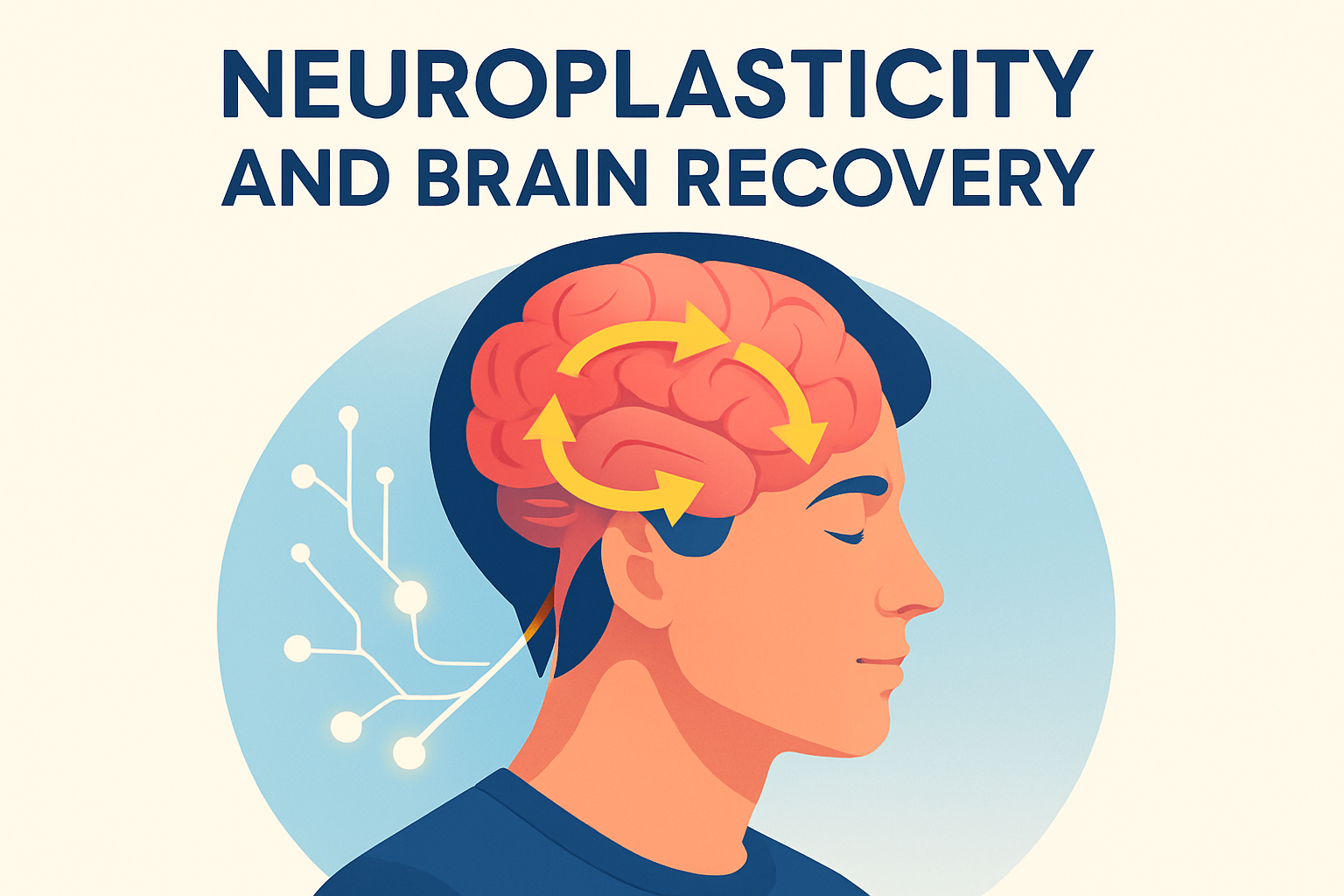
In the realm of neuroscience and cognitive science, two powerful terms reign supreme: neuroplasticity and brain recovery. These concepts are fundamental to understanding how the brain adapts and heals itself after injuries or changes. Neuroplasticity refers to the brain’s remarkable ability to reorganize itself by forming new neural connections throughout life. This adaptability is essential for learning, memory, and recovery from brain injuries. Meanwhile, brain recovery pertains to the process by which the brain reestablishes its functions after trauma, injury, or illness. Together, these concepts highlight the brain’s resiliency and potential for self-repair, making them significant in both medical and psychological disciplines. The importance of neuroplasticity and brain recovery cannot be overstated. As we gain deeper insights into these processes, we open doors to innovative treatments and therapies that can drastically improve quality of life for those affected by brain injuries or developmental disorders. Furthermore, understanding these concepts provides individuals with hope and motivation to engage in practices that bolster brain health and recovery. The implications of neuroplasticity and brain recovery extend to education, mental health, and rehabilitation sectors, stressing the importance of continuous research and awareness.
Understanding Neuroplasticity
Neuroplasticity encapsulates the brain’s unique capability to adapt at both macro and micro levels. In essence, neuroplasticity allows neurons—the brain’s nerve cells—to adjust their activities in response to new situations or changes in the environment. For instance, when an individual begins learning a new language, specific areas of the brain responsible for language processing become more active. These regions develop denser neural connections, enhancing one’s proficiency in the new language over time. A real-world illustration of this is London taxi drivers, who are well-known for having an enlarged hippocampus—the part of the brain responsible for spatial navigation. The rigorous training process and demand for extensive spatial navigation skills in London’s complex geography contribute to this physical brain change. Thus, neuroplasticity underscores the brain’s ability to physically change and optimize itself in response to demands or challenges.
The Mechanisms of Brain Recovery
Brain recovery is a multifaceted process that involves several mechanisms, including neuroplasticity, neurogenesis, and synaptic pruning. Neuroplasticity, as previously mentioned, plays a crucial role by forming new pathways to bypass damaged areas. Neurogenesis involves the formation of new neurons, particularly in the hippocampus, offering new avenues for cognitive functions. Synaptic pruning allows the brain to eliminate weaker synapses and strengthen essential connections, optimizing brain efficiency. An example of successful brain recovery is observed in stroke patients who often undergo physical and occupational therapy to encourage adaptation and recovery of motor and cognitive functions. Such rehabilitative practices stimulate the undamaged portions of the brain to compensate for impaired areas, fostering functional recovery and independence. Therefore, understanding and enhancing these recovery mechanisms is essential for advancing therapies aimed at aiding individuals who have suffered brain injuries or disorders.
The Role of Environment in Neuroplasticity
The environment plays a paramount role in modulating neuroplasticity. Stimulating environments rich in social interaction, physical activity, and cognitive challenges are known to enhance brain plasticity. For instance, children raised in enriching environments with access to educational resources, social interaction, and physical activities tend to develop better cognitive functions compared to those in deprived environments. A fascinating example is the case of Romanian orphans adopted into caring families. Despite early deprivation, the enriched environments these children subsequently experienced led to significant improvements in cognitive and emotional development, demonstrating the power of environmental influences on neuroplasticity. Enhancing the environment to support neuroplastic changes not only benefits individuals recovering from brain injuries but also aids in lifelong cognitive development and mental health well-being.
Techniques to Enhance Neuroplasticity and Recovery
There are several techniques known to foster neuroplasticity and facilitate brain recovery. These include physical exercise, cognitive training, mindfulness practices, and nutritional interventions. Regular physical exercise is perhaps the most accessible method, known to boost neuronal health, improve mood, and enhance neuroplasticity. Cognitive training exercises, such as puzzles and learning new skills, help sharpen the mind and cultivate new neural connections. Mindfulness and meditation have been shown to increase gray matter in the brain, supporting emotional regulation and cognitive flexibility. Nutritional interventions, including omega-3 fatty acid intake, contribute to synaptic plasticity and overall brain health. A practical example of these techniques is seen in the recovery process after a traumatic brain injury, where a comprehensive rehabilitation program incorporating these elements accelerates recovery and improves outcomes.
| Technique | Benefits |
|---|---|
| Physical Exercise | Enhances neuroplasticity, improves mood |
| Cognitive Training | Sharpens mind, builds new neural connections |
| Mindfulness | Increases gray matter, emotional regulation |
| Nutrition | Supports synaptic plasticity, general brain health |
Neuroplasticity in Therapy and Rehabilitation
Neuroplasticity is increasingly leveraged in therapeutic and rehabilitation settings. By designing therapies that exploit the brain’s inherent plasticity, practitioners can support patients in recovering from various neurological conditions. For instance, Constraint-Induced Movement Therapy (CIMT) is used for stroke patients with motor impairments. This therapy encourages the use of the affected limb by restricting the unaffected one, promoting neuroplastic changes that improve motor function. Similarly, cognitive behavioral therapy (CBT) aids mental health by encouraging patients to develop new thought patterns and behaviors, effectively rewiring the brain to alleviate symptoms of depression and anxiety. These therapeutic strategies demonstrate how a targeted approach can help harness the potential of neuroplasticity for recovery and better mental health outcomes.
The Future of Neuroplasticity Research
As research on neuroplasticity advances, the potential applications continue to expand. New findings may revolutionize approaches to treating neurodegenerative diseases, mental health disorders, and cognitive decline in aging populations. There is a growing interest in developing technologies such as brain-computer interfaces that can tap directly into the processes of neuroplasticity, offering novel rehabilitation strategies. The burgeoning field of optogenetics—which uses light to control cells within living tissue—presents intriguing possibilities for modulating brain activity and promoting plastic changes. These innovations hold the promise of significantly improving therapies for those with brain injuries or disorders, highlighting the need for continued research and application of neuroplasticity principles.
Final Thoughts: Empowering Brain Health
The extensive study of neuroplasticity and brain recovery underscores the brain’s incredible ability to adapt, heal, and thrive. Key takeaways are the pivotal roles of environment, lifestyle choices, and targeted therapies in enhancing brain function and aiding recovery. For individuals with brain injuries, the understanding of these processes offers hope and a roadmap for rehabilitation, emphasizing the possibility of functional restoration and improved quality of life. The broader implication for everyone is the empowerment to take proactive steps towards maintaining and enhancing brain health throughout life. Engage in regular physical and cognitive activities, embrace enriching environments, and consider mindful practices and nutritional support to foster a resilient brain. The journey of neuroplasticity is continuous, underscoring the immense potential for personal growth and recovery, regardless of age or circumstance. Take action today to harness the power of your brain, embracing practices that support its unwavering capacity for change and recovery.
Frequently Asked Questions
1. What is neuroplasticity, and why is it important?
Neuroplasticity is a fascinating concept that essentially describes the brain’s ability to adapt, reorganize itself, and form new neural pathways throughout a person’s life. Consider it as the brain’s flexibility in response to learning, experience, or even injury. This incredible adaptability is crucial because it allows us to learn new skills, form memories, and recover from brain injuries. Whether it’s picking up a new language, mastering a musical instrument, or recovering from a stroke, neuroplasticity is the magical process that helps pave the way for these achievements. By constantly reshaping and adjusting to new circumstances, neuroplasticity underscores our capacity for growth, change, and resilience. Without it, our ability to adapt and flourish as individuals would be significantly hampered.
2. How does neuroplasticity aid in brain recovery after an injury?
When the brain sustains an injury, be it from trauma, a stroke, or any other neurological event, it sets off a kind of emergency protocol, almost like a comprehensive repair squad coming to address the issue. Neuroplasticity plays a central role in this recovery process. Immediately following an injury, the brain begins to reorganize itself by forming new synaptic connections. Essentially, healthy parts of the brain take on new functions and compensate for damaged areas. For instance, if the part of the brain responsible for controlling a limb is damaged, other areas can adapt over time to take on this function, especially with the help of rehabilitation therapies. This remarkable healing process showcases the resilience of the brain – regenerating and re-routing neural networks to restore functionality. Neuroplasticity makes rehabilitation possible, enabling patients to regain abilities lost due to injury. This is why interventions like physical therapy, occupational therapy, and cognitive rehabilitation are intrinsically linked to the concept of neuroplasticity; they are designed to optimize this incredible adaptive capability of the brain for the best recovery outcomes.
3. Are there ways to enhance or boost neuroplasticity?
Absolutely, there are several ways to actively enhance neuroplasticity, allowing you to potentially improve brain functionality and recovery. Engaging in lifelong learning and mental challenges is one surefire way to bolster neuroplasticity. Whether it’s picking up a new language, delving into puzzles, or learning how to play an instrument, stimulating the brain through novel activities encourages the formation of new neural connections. Physical exercise is another vital component; activities that improve cardiovascular health, like walking, running, or aerobics, help increase blood flow to the brain and support neurogenesis, the creation of new brain cells. Additionally, meditation and mindfulness practices have been shown to enhance brain connectivity and plasticity. Nutrition also plays a crucial role; diets rich in omega-3 fatty acids, antioxidants, and anti-inflammatory foods support brain health and aid neuroplasticity. Lastly, maintaining a social network and engaging in social activities provide emotional support and cognitive stimulation, both of which are beneficial for brain development. By incorporating these practices into your lifestyle, you can create an enriching environment that fosters neuroplasticity, paving the way for continuous mental agility and adaptation capability.
4. Can neuroplasticity have negative effects on the brain?
While neuroplasticity primarily has positive connotations, it can occasionally lead to negative outcomes. This is sometimes referred to as “maladaptive plasticity.” In such cases, the brain may form maladaptive connections or pathways in response to negative experiences or harmful behaviors. For example, chronic pain can lead to the nervous system reorganizing itself in a way that reinforces pain signals, making it more difficult to alleviate the condition. Similarly, individuals who have developed unhealthy habits, such as substance abuse or dependency on technology, might experience changes in their brain circuitry that reinforce those habits, creating a challenging cycle to break. Additionally, conditions such as tinnitus, where the brain forms loops of activity that result in persistent “phantom” sounds, highlight the less beneficial side of neuroplastic change. Understanding neuroplasticity’s double-edged nature is crucial because it implies that cognitive and behavioral interventions can be strategically used to counteract maladaptive changes and foster positive pathways in the brain.
5. How does aging affect neuroplasticity and brain recovery?
Aging can influence neuroplasticity and the brain’s capacity for recovery, but it’s not all gloom and doom! As we age, the brain’s overall plastic capacity does gradually decline, leading to slower recovery from injuries, and it becomes somewhat more challenging to learn new things quickly. This decrease in plasticity is associated with changes in neurotransmitter levels, reduced brain volume, and the natural wear-and-tear process that happens over time. However, the good news is that neuroplasticity never completely goes away. The brain retains some degree of plasticity throughout an individual’s life, which means older adults can still learn, adapt, and grow new neural connections with sufficient effort and stimulation. Encouragingly, activities like regular physical exercise, continuous learning, a nutritious diet, and maintaining an active social life are proven to help keep the aging brain flexible and healthy. Also, recent research into “cognitive reserve” suggests that a lifetime of mental activities can fortify the brain against the effects of aging and neurodegeneration, helping preserve cognitive function longer. So, while aging naturally affects neuroplasticity, adopting a proactive and engaged lifestyle can significantly mitigate its impact on brain recovery and functional adaptability.