
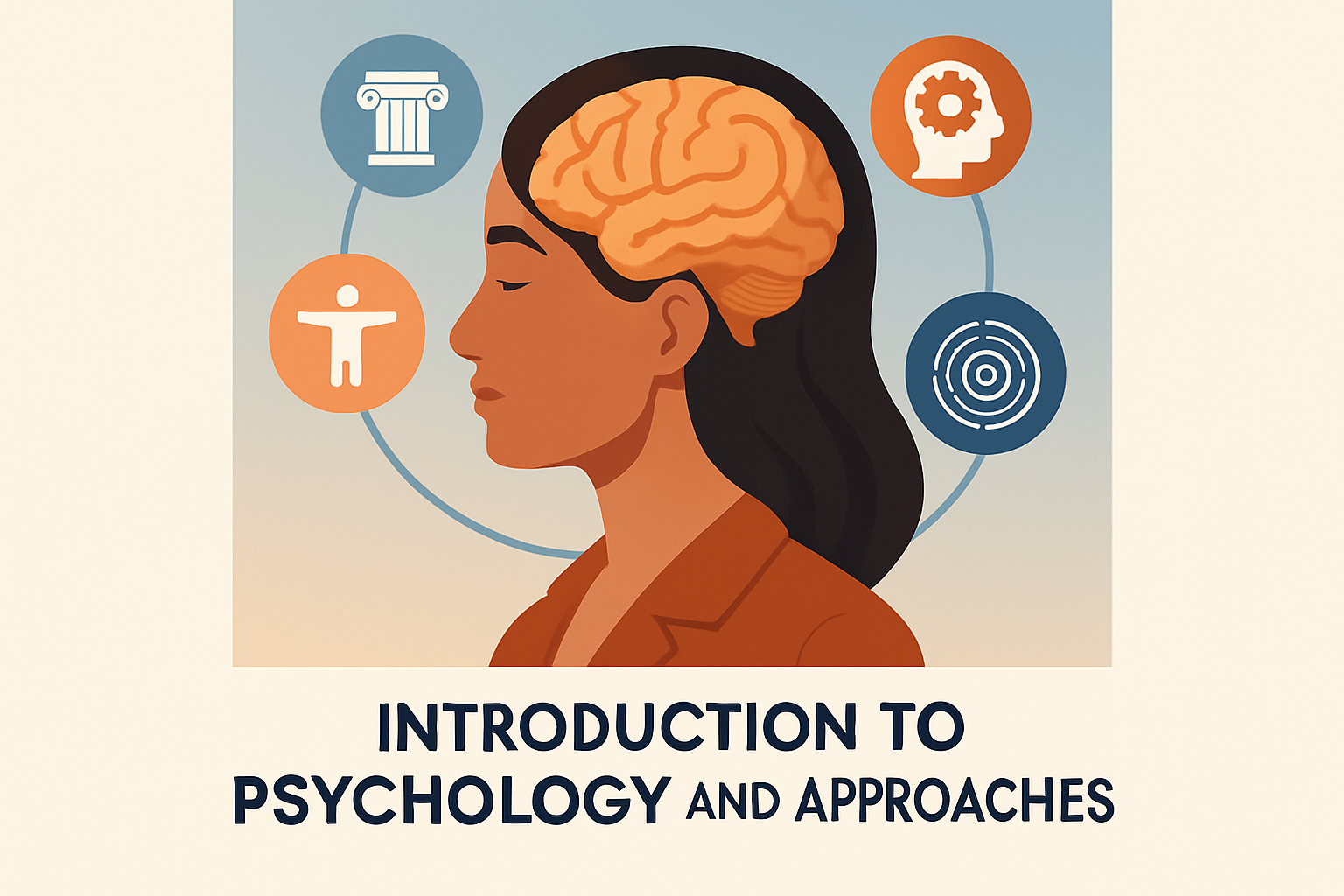
Psychology stands as one of the most intriguing and evolving fields within the social sciences. It is a discipline that seeks to understand human behavior and mental processes through systematic observation and empirical research. Whether someone is navigating personal relationships, business dynamics, or seeking self-improvement, psychology offers essential insights that can lead to a richer understanding of human nature.
Key terms within the realm of psychology include cognition, which refers to mental processes like perception, memory, and reasoning; emotion, which pertains to the array of feelings human beings experience; and behavior, which encompasses the observable actions of individuals. These terms form the cornerstone of psychological study and are integral to its various branches.
Understanding the importance of psychology is multifaceted. For one, it provides valuable insights that enhance personal growth and interpersonal relationships. It allows individuals to understand not only their own behaviors and motivations but also those of others, fostering empathy and improved communication. Furthermore, psychology’s practical applications in fields such as education, business, health, and counseling make it pivotal in addressing and solving real-world problems.
The Biological Approach to Psychology
The biological approach in psychology focuses on the physiological bases of behavior. It postulates that everything psychological is fundamentally biological and connects the brain, neurotransmitters, and nervous systems to behavior. This approach delves deeply into understanding how the structure and function of the nervous system impact human behavior and cognition.
An illustration of this approach can be seen in the study of depression. Research in biological psychology investigates how variations in neurotransmitter levels, such as serotonin and dopamine, can affect mood and contribute to depressive symptoms. Such insights have significantly influenced the treatment of depression, leading to the development of pharmaceutical interventions like selective serotonin reuptake inhibitors (SSRIs).
The Behavioral Approach to Psychology
The behavioral approach emphasizes the study of observable and measurable behaviors, discarding the need to consider internal states such as thoughts and emotions. It suggests that all behaviors are acquired through conditioning, which occurs through interaction with the environment.
Consider the classic example of Pavlov’s dogs, which illustrates classical conditioning. Ivan Pavlov discovered that dogs could learn to associate a neutral stimulus, such as a bell, with food. Eventually, the bell alone could elicit salivation from the dogs without the presence of food, showcasing the power of associative learning. This kind of learning has widespread applications, from developing positive behavior strategies in education to designing marketing campaigns.
The Cognitive Approach to Psychology
The cognitive approach to psychology explores internal mental processes such as thinking, memory, perception, and problem-solving. It treats the mind as an information processor, akin to a computer, and seeks to understand how people process the information they receive.
A real-world example of the cognitive approach is evident in education, where understanding how the brain processes information can help educators design better learning strategies. The concept of “chunking” information, for instance, helps enhance memory retention. By organizing information into smaller, manageable units, individuals can recall larger amounts of data, such as when memorizing a phone number in smaller segments.
The Psychodynamic Approach to Psychology
The psychodynamic approach is rooted in the theories of Sigmund Freud and primarily focuses on how unconscious drives and experiences from early childhood can shape behavior and personality. It emphasizes the dynamic interplay between conscious and unconscious processes.
An example of this theory in practice is in psychotherapy, where understanding unconscious motivations through techniques like free association and dream analysis can uncover hidden conflicts that affect behavior. This approach has proved crucial for individuals dealing with psychological distress, helping them gain insight into unresolved issues and promoting personal growth and healing.
The Humanistic Approach to Psychology
The humanistic approach accentuates the inherent goodness of people and their innate drive toward self-actualization and fulfillment. It focuses on individual free will, personal growth, self-efficacy, and holistic development. In contrast to other approaches that might view behavior as determined by external factors, humanism considers individuals as inherently capable of making choices and realizing their potential.
A practical application of this approach is found in humanistic therapies, such as Carl Rogers’ client-centered therapy. This therapy emphasizes providing a supportive environment where clients feel accepted and understood, promoting self-discovery and growth. The principles of unconditional positive regard, empathy, and active listening form the backbone of these therapeutic techniques, offering clients a pathway to explore their thoughts and emotions openly.
The Sociocultural Approach to Psychology
The sociocultural approach examines how social and cultural environments influence behavior, acknowledging the fact that these external contexts can significantly shape an individual’s cognitive processes and behaviors. This approach considers factors like cultural norms, social roles, and interpersonal relationships as pivotal in understanding human psychology.
A tangible example can be seen in cross-cultural studies that compare behaviors across different societies. For instance, collectivist cultures, which emphasize group harmony and familial interdependence (like in many Asian countries), may have different social behavior norms compared to individualistic cultures, which prioritize personal autonomy (common in Western countries). This perspective helps in appreciating and embracing cultural diversity, fostering better intercultural communication and understanding.
| Approach | Main Focus | Example |
|---|---|---|
| Biological | Physiological bases of behavior | Neurotransmitters and depression |
| Behavioral | Observable behaviors | Classical conditioning |
| Cognitive | Mental processes | Chunking in memory retention |
| Psychodynamic | Unconscious processes | Free association in therapy |
| Humanistic | Free will and growth | Client-centered therapy |
| Sociocultural | Social and cultural influence | Cross-cultural studies |
Conclusion
The study of psychology and its diverse approaches provides a fascinating glimpse into the complexities of human behavior and mental processes. From biological underpinnings and behavioral conditioning to cognitive functions and cultural influences, each approach contributes unique insights that advance our understanding of the human psyche.
Recognizing the significance of these approaches can enhance personal development, improve communication, and broaden one’s perspective on various social, educational, and professional interactions. This awareness not only promotes individual well-being but also fosters healthier, more empathetic communities.
Whether you’re interested in boosting personal growth or seeking professional advancement, understanding psychology’s foundational approaches is invaluable. Consider exploring how these insights might apply directly to your circumstances. If you’re ready to take the next step in leveraging psychological principles for personal and professional development, dive deeper into specific branches of psychology or engage with educational resources and professional services that specialize in this field.
Frequently Asked Questions about Introduction to Psychology and Its Approaches
1. What is psychology, and why is it considered an intriguing field within the social sciences?
Psychology is the scientific study of human behavior and mental processes, aiming to understand how individuals think, feel, and behave. It’s considered an intriguing field due to its vast scope and applicability to numerous aspects of everyday life. Whether you are managing personal relationships, navigating workplace dynamics, or pursuing self-improvement, psychology provides the tools to better understand both oneself and others. In our rapidly changing world, where human interaction is paramount, psychology offers empirical insights that help unravel the complexities of human nature. Key concepts like cognition, emotion, and behavior form the basis of this discipline and are studied through systematic observation and research methodologies. As it continues to evolve, psychology remains at the forefront of innovations that inform how we live, interact, and grow as human beings.
2. What are the primary approaches to psychology, and how do they differ?
The primary approaches to psychology include the biological, behavioral, cognitive, psychodynamic, and humanistic perspectives, each offering unique insights into human behavior and mental processes. The biological approach emphasizes the influence of genetics and physiological processes on behavior, viewing mental activities as rooted in biological structures and functions, such as the brain and nervous system. The behavioral approach, on the other hand, focuses on observable behaviors and how they’re learned through interaction with the environment, emphasizing conditioning as a core process. Meanwhile, the cognitive approach investigates internal mental processes, including perception, memory, and problem-solving, positioning the mind as an information processor. The psychodynamic approach, founded by Sigmund Freud, delves into how unconscious drives, childhood experiences, and inner conflicts shape behavior. Lastly, the humanistic approach highlights individual potential and self-actualization, emphasizing personal growth, free will, and human goodness. These diverse perspectives together create a more comprehensive understanding of human psychology, each offering different lenses through which behavior and mental processes can be examined and interpreted.
3. How does psychological research contribute to our understanding of human behavior?
Psychological research plays a pivotal role in enhancing our understanding of human behavior by employing scientific methods to explore and analyze a broad range of behavioral and mental phenomena. This process begins with the formulation of hypotheses based on observations or existing theories. Researchers gather data through various methods, including experiments, surveys, and case studies, ensuring they adhere to ethical standards and maintain objectivity. Statistical analysis of this data helps psychologists identify patterns, correlations, and potential causations, ultimately refining theories or developing new ones. Consequently, psychological research not only furthers academic knowledge but also offers practical applications across various domains such as education, healthcare, marketing, and organizational management. Its contribution to evidence-based practices allows professionals in these fields to implement strategies grounded in empirical research, thereby enhancing outcomes in personal development, mental health treatment, and societal well-being.
4. In what ways does psychology intersect with other fields and professions?
Psychology intersects with numerous other fields, enriching them with insights that enhance understanding and performance. In education, psychology informs teaching methods, learning strategies, and student engagement through concepts like developmental stages and cognitive processes. In business, psychological principles underpin marketing strategies, organizational behavior, and human resource management, facilitating better consumer understanding, improved workplace dynamics, and enhanced leadership practices. Moreover, in healthcare, psychology provides the foundation for mental health services, informing counseling, behavioral therapy, and approaches to patient care that emphasize empathy and communication. The legal system benefits from psychological expertise on topics such as witness credibility, jury decision-making, and criminal behavior analysis. Even technology and design fields draw upon psychology to optimize user experience and interface design, ensuring accessibility and satisfaction. This interdisciplinary reach underscores the versatility and importance of psychology in shaping effective practices and positive outcomes across various spheres of human activity.
5. How can understanding psychology lead to personal growth and self-improvement?
An understanding of psychology can be a powerful catalyst for personal growth and self-improvement by providing insights into one’s own behaviors, thoughts, and emotions. By exploring psychological concepts such as cognitive biases, emotional regulation, and personality traits, individuals can gain self-awareness, identifying areas for change and development. This awareness is the first step towards setting realistic goals, forming healthier habits, and managing stress and relationships more effectively. Psychological strategies often include mindfulness, positive reinforcement, and cognitive restructuring, which empower individuals to alter detrimental patterns and adopt adaptive mindsets. Moreover, knowing how environmental factors and social interactions influence behavior helps individuals navigate social spheres with greater empathy and resilience. Thus, psychology equips people with knowledge and tools to foster not only personal well-being but also a sense of fulfillment and purpose, translating into more meaningful and balanced lives.