
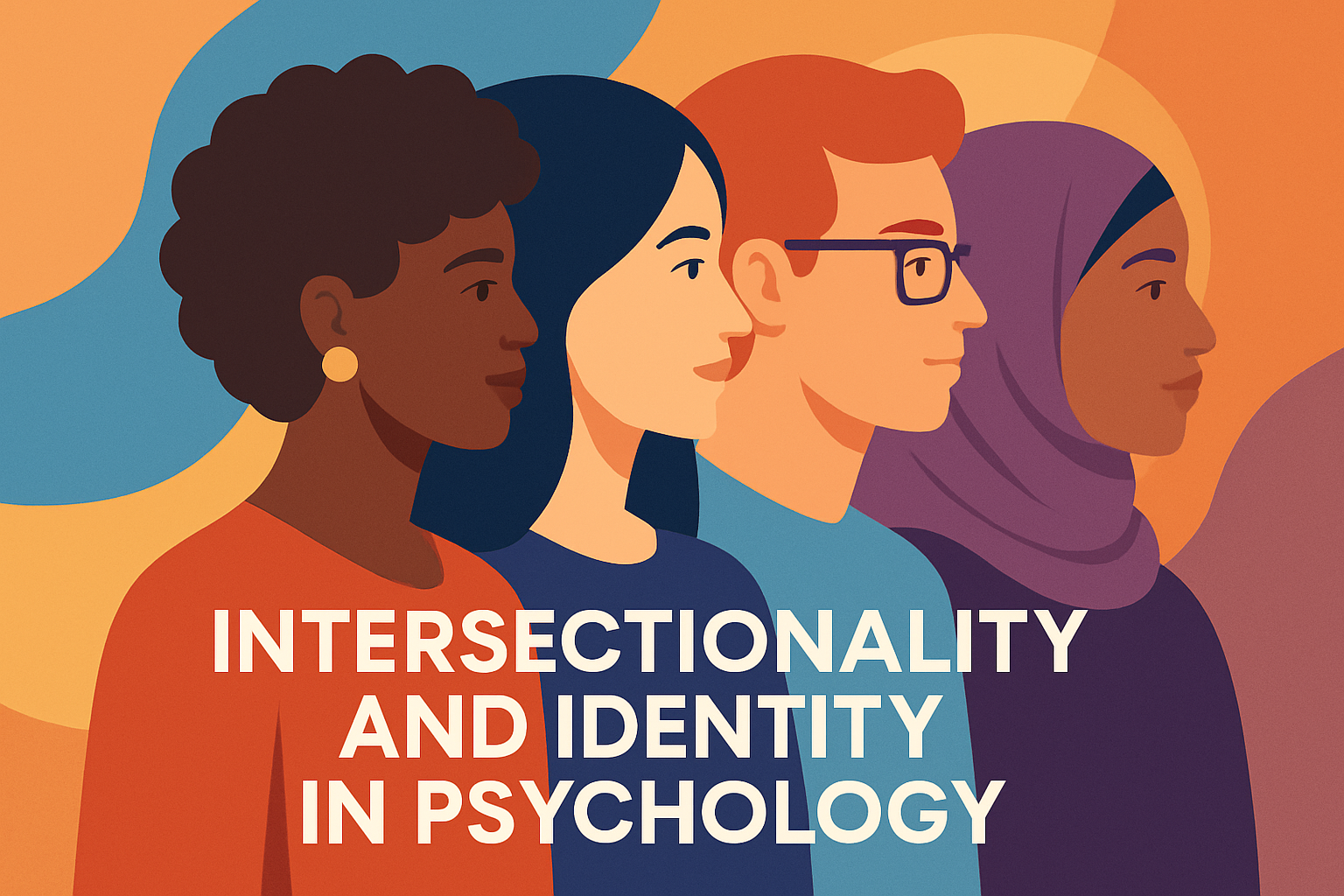
In the realm of psychology, the study of identity and its many dimensions is of paramount importance. Crucial to this exploration is the concept of intersectionality, a term that captures the complex ways in which different aspects of an individual’s identity interconnect and affect their experiences and outcomes in life. Intersectionality, first coined by Kimberlé Crenshaw, is a conceptual framework that recognizes how various social and personal identities intersect. These identities can include, but are not limited to, race, gender, sexual orientation, class, and ability. In psychology, understanding intersectionality is essential because it acknowledges the multifaceted nature of human identity and helps elucidate the nuances of individual experiences. This awareness allows psychologists to cater treatment and support to accommodate the diverse needs of individuals rather than adopting a one-size-fits-all approach. By appreciating intersectionality, psychology gains the potential to unlock deeper insights into human behavior and mental health, ultimately leading to more effective therapeutic interventions.
Understanding Race and Gender Intersections
At the core of intersectionality is the idea that no aspect of identity exists in isolation. Consider the intersection of race and gender. The experiences and societal challenges faced by an African American woman, for instance, differ significantly from those encountered by an African American man or a white woman. Each of these identities carries distinct societal implications historically shaped by cultural and political forces. From a psychological standpoint, acknowledging this intersection is crucial for delivering appropriate mental health services. For example, an African American woman might face unique stressors related to racial discrimination and gender biases, impacting her psychological well-being differently compared to her male or white counterparts.
In therapy, recognizing these intersections can influence therapeutic rapport and treatment outcomes. For instance, someone dealing with workplace discrimination may confront a complex web of biases related to both race and gender. Understanding these interactions allows therapists to offer more targeted support that validates the client’s experiences and builds resilience against external stressors.
Class and Its Influence on Identity
Class is another critical dimension of identity, and its interplay with other identity aspects like race and gender is a significant component of intersectionality. Socioeconomic status can influence educational opportunities, access to healthcare, and overall life experiences. The intersection of class with other identity markers can compound advantages or disadvantages.
Consider the experiences of a working-class Latina woman in a predominantly affluent white academic setting. Her identity dimensions—class, ethnicity, and gender—interact to present specific challenges, such as cultural alienation or stereotype threats. Psychologists must consider these factors to offer relevant support that addresses the student’s unique pressures. Failure to recognize how class interacts with other identity dimensions can result in oversight of crucial elements affecting mental health.
- Socioeconomic disadvantages can limit access to mental health resources.
- Discrimination can be compounded by both gender and class, leading to unique stressors.
- Personal resilience often develops in response to multi-dimensional challenges.
Sexual Orientation and Cultural Background
Intersectionality also highlights the importance of considering sexual orientation within cultural contexts. An individual’s sexual orientation can starkly define their experiences in various cultural environments. These experiences can range from acceptance and support to discrimination and ostracism, often affected by cultural norms and religious values.
A vivid example is the experience of a young Muslim man discovering his homosexual identity within a traditional religious community that may hold conservative views on sexuality. This intersection between sexual orientation and cultural background presents complex psychological challenges, including potential internalized homophobia, clashes of identity, and a struggle for acceptance. Effective psychological interventions must sensitively navigate these intersections, providing a safe space for clients to explore their identities and work through societal and personal conflicts.
Impact on Mental Health
Mental health is profoundly shaped by intersecting identities, with the potential for some combinations to exacerbate vulnerabilities to mental illnesses. Individuals navigating multiple marginalization layers, such as a disabled transgender person of color, may face compounded stressors and discrimination.
For psychologists, incorporating an intersectional lens is essential in diagnosing and treating mental health disorders. The interplay of various facets of identity can influence symptom manifestation and the effectiveness of treatment strategies. By recognizing how different identities contribute to psychological distress, treatment plans can be tailored for better outcomes.
| Identity Aspect | Challenges | Potential Interventions |
|---|---|---|
| Race | Discrimination, marginalization | Culturally sensitive therapy, validation |
| Gender | Sexism, workplace bias | Empowerment strategies, gender-focused therapy |
| Class | Access to resources, educational barriers | Resource offering, advocacy counseling |
| Sexual Orientation | Social stigma, identity conflict | Affirming therapy, LGBTQ+ support groups |
| Cultural Background | Cultural alienation, familial expectations | Cross-cultural understanding, inclusive practices |
Strategies for Effective Psychological Practice
Incorporating intersectionality into psychological practice requires intentionality and ongoing education. Practitioners should strive to understand how diverse identity factors contribute to a client’s lived experience. Utilizing frameworks like narrative therapy can empower clients to vocalize their unique stories detailing the convergence of identity dimensions.
Moreover, psychologists should engage with culturally-informed training and community resources to deepen their understanding of intersectionality. Engaging with advocacy and support networks not only educates providers but also fosters broader systemic changes supportive of marginalized groups. This approach moves beyond addressing symptoms in isolation, opting instead for a holistic appreciation of context-driven experiences that influence mental health and well-being.
Techniques for Addressing Intersectionality
Many techniques can help psychologists address intersectionality effectively. Motivational interviewing and cultural humility, for instance, facilitate the gathering of client narratives while acknowledging the psychologist’s limitations and biases regarding unique identity intersections. By encouraging clients to narrate their stories within the context of their social realities, psychologists can glean a clearer picture of an individual’s mental health landscape.
Multidisciplinary collaborations, involving professionals from different fields like social work, cultural anthropology, and linguistics, can also be particularly beneficial. These collaborations broaden understanding and equip psychologists with diverse perspectives necessary for addressing the nuanced challenges that intersecting identities present.
Ultimately, intersectionality in psychology is more than just a theoretical framework—it’s a call for empathetic, individualized, and context-aware care that validates every aspect of a person’s identity.
Conclusion and Next Steps
Understanding intersectionality within psychology opens the door to more inclusive, effective care practices. By recognizing and respecting the multifaceted experiences of individuals, psychologists can deliver services that are not only supportive but transformative. Intersectionality informs us that identities do not exist in silos, and reflecting this in practice is essential for meaningful therapeutic relationships and outcomes.
For those working in the field of psychology, the next step involves a commitment to continuous learning about intersectionality and its implications for practice. This may entail engaging with ongoing training sessions, attending seminars, or participating in discussions that challenge traditional frameworks in favor of more inclusive ones. It also involves advocating for systemic changes that recognize the importance of intersectionality in all areas of mental health care.
Ultimately, psychology professionals are encouraged to adopt an intersectional approach not simply as an academic exercise but as a vital practice that honors and magnifies the diverse tapestry of human experience, paving the way for a more empathetic and effective mental health landscape.
Frequently Asked Questions
1. What is intersectionality in the context of psychology?
Intersectionality in psychology refers to the study of how different aspects of a person’s identity, such as race, gender, class, sexuality, and more, interact with one another and contribute to unique experiences. This framework helps psychologists understand that people don’t experience life based on a single identity category. Instead, the combination of these dimensions creates overlapping, interconnected systems of discrimination or advantage. For example, a Black woman’s experience in the workplace might differ from that of a White woman or a Black man due to the intersections of her racial and gender identities. In psychology, applying intersectionality can enrich the comprehension of individuals’ behaviors, mental health, and social interactions, providing a nuanced perspective that takes multiple identity factors into account when diagnosing and crafting treatment plans.
2. How does intersectionality impact identity development?
Intersectionality significantly impacts identity development by revealing the ways multiple social identities interact while shaping one’s sense of self. Traditional views might look at identity in isolated segments such as just gender or race, but intersectionality teaches us that these identities are intertwined. As individuals grow, they experience different systems of privilege and oppression based on the unique blend of their identities. For instance, a person identifying as LGBTQ+ and belonging to a minority ethnic group might face compounded discrimination, influencing their self-esteem, peer relationships, and community connections. These interactions can profoundly shape one’s identity, potentially leading to more complex and nuanced identity outcomes. Understanding intersectionality helps psychologists and researchers appreciate the rich, multi-layered tapestry of individual life stories that encompass both societal pressures and personal strengths.
3. Why is it important to consider intersectionality in psychological research and practice?
Considering intersectionality in psychological research and practice is crucial because it ensures a more holistic understanding of human behavior and mental health. By acknowledging that simply examining one identity facet might miss out on the full spectrum of an individual’s lived experiences, psychologists can avoid reductionist perspectives. This approach also promotes equity in research and therapeutic practices by tailoring interventions that respect and respond to the diverse needs of individuals with intersecting identities. For example, a mental health practitioner who understands the intersectionality framework might better support a client who experiences both racial and gender discrimination, crafting a treatment that acknowledges both issues simultaneously. Moreover, intersectionality can highlight systemic inequalities or biases in existing psychological frameworks, prompting necessary reforms in how psychological theory and application are developed and implemented.
4. Can intersectionality help improve inclusivity in psychological settings?
Absolutely, intersectionality can greatly enhance inclusivity in psychological settings. By applying intersectional analysis, practitioners can recognize diverse experiences and the specific needs of individuals from various identity groups. This framework encourages the creation of safe, inclusive environments where individuals feel seen and understood in all aspects of their identity, not just fragments of it. Psychological institutions and services that embrace intersectionality are more likely to cater effectively to patients from marginalized communities, craft more inclusive organizational policies, and promote diverse participation in psychological research. Additionally, intersectionality can foster a deeper understanding among practitioners about the nuances of discrimination and privilege, equipping them to offer more empathetic and personalized care. This ultimately helps in developing psychological spaces that welcome varied perspectives and celebrate the richness of human diversity.
5. How can psychologists incorporate intersectionality into their practice?
Incorporating intersectionality into psychological practice involves a commitment to understanding and respecting the multifaceted identities of clients. Psychologists can start by engaging in continuous education about different identity intersections and their real-world impacts. They can strive to create an open and accepting environment where clients feel comfortable sharing all aspects of their identities, rather than compartmentalizing them. Practitioners should actively listen to their clients’ unique stories and explore how various intersecting identities influence their experiences. It also means developing treatment plans that are flexible and adapted to the specific cultural, social, and personal contexts of each client. Incorporating intersectionality in practice might also involve collaborating with community resources or experts who understand the particular needs of certain identity groups. Furthermore, psychologists should advocate for changes within organizational structures to reduce systemic biases and ensure that their practice not only recognizes but also values intersectional identities.