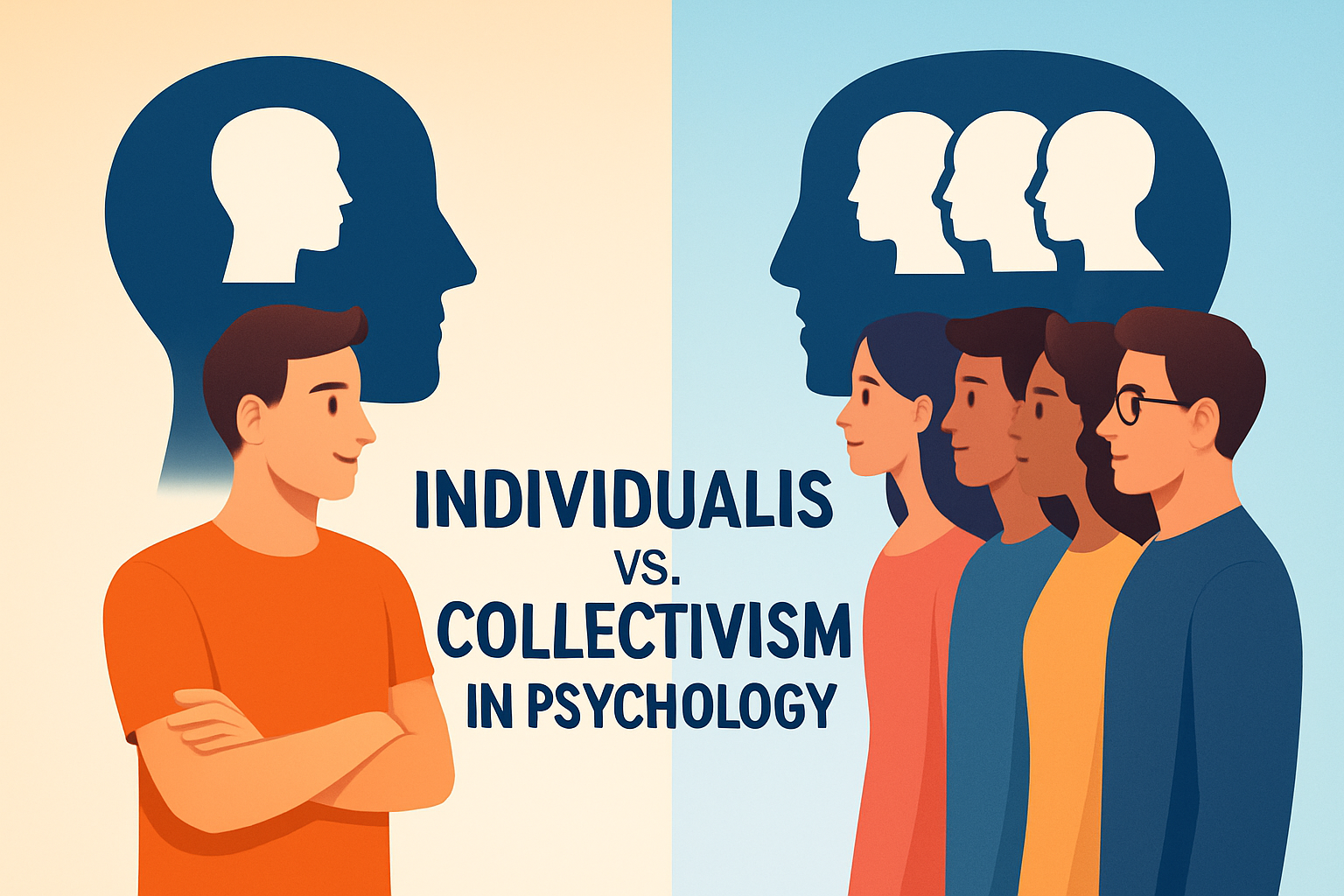
The perennial debate between individualism and collectivism has intrigued psychologists for decades, as these two cultural paradigms profoundly influence human behavior, thought processes, and the interpretation of social reality. Individualism emphasizes personal freedom, autonomy, and self-reliance, focusing on the individual as the primary unit of analysis. Conversely, collectivism prioritizes group cohesion, collective responsibility, and interdependence, where the group or community takes precedence over the individual. Understanding where cultures, societies, and even organizations place themselves on this spectrum can lead to deep insights into identity formation, motivation, cognitive biases, and interpersonal dynamics. This exploration matters in psychology because it guides therapeutic approaches, informs policy-making, and shapes intercultural communications. Failing to recognize and respect these differences can result in misdiagnosis, ineffective interventions, and lost opportunities for societal growth and individual fulfillment.
Defining Individualism and Collectivism
At its core, individualism fosters a sense of personal identity, strong reliance on personal goals, and a belief in personal choice and independence. This orientation often manifests in societies that value self-expression, individual achievements, and personal rights. In contrast, collectivism emphasizes group harmony, shared values, and collective responsibilities over personal aspirations. Collectivist societies advocate for family unity, community well-being, and adherence to group norms.
To illustrate, consider the United States, a nation primarily rooted in individualistic values. Here, the “American Dream” epitomizes the belief that hard work leads to personal success and fulfillment. In stark contrast, Japan exemplifies collectivist values, where societal well-being and conformity to social norms take precedence over individual desires. Such cultural distinctions shape how psychological theories and applications are developed and practiced, affecting everything from parenting styles to organizational management.
Individualism and Self-Concept
In individualistic cultures, self-concept is predominantly personal and autonomous. People are encouraged to “discover” themselves, leading to a self-construction that is independent of others. This independence fosters creativity, innovation, and self-reliance, empowering individuals to pursue personal goals and aspirations.
Consider the workplace environment in most Western countries, where employees often thrive on competition, personal achievement, and merit-based promotions. The emphasis on individual performance motivates employees to excel, driving productivity and innovation. However, this focus can also lead to high levels of stress, as individuals may become isolated in their quest for success.
- Encourages personal growth
- Fosters creativity and innovation
- High potential for stress and isolation
A recent trend called “quiet quitting” represents a shift towards balancing personal well-being with professional demands. Employees are increasingly drawing boundaries, indicating that even within individualistic paradigms, there is recognition of the need for greater interconnectedness and community support.
Collectivism and Social Harmony
Collectivist cultures, on the other hand, place a high premium on group harmony. The self is interdependent, and one’s identity extends beyond the individual to include family, community, and social affiliations. In such societies, decisions are often made with a collective mindset, valuing consensus and cooperation over competition and individual assertion.
An example can be found in traditional Chinese society, where filial piety—the respect for one’s parents and ancestors—is paramount. Here, individual desires are often subsumed under familial duties. The emphasis is on maintaining family honor and social harmony, which in turn can reduce social tensions and foster a stable, cohesive community.
| Aspect | Individualism | Collectivism |
|---|---|---|
| Self-View | Independent | Interdependent |
| Decision Making | Personal Preference | Group Consensus |
| Priority | Personal Goals | Group Goals |
| Conflict Resolution | Directly Addressed | Avoidance/Compromise |
While collectivism fosters social harmony and minimizes conflict, it may at times stifle innovation and suppress dissent, leading to conformity and groupthink. Balancing these dynamics remains a critical challenge in collectivist cultures.
Balancing Both Paradigms in Therapeutic Settings
In psychotherapy and counseling, understanding a client’s cultural background—whether individualistic or collectivist—shapes the treatment approach and effectiveness. An individualistic approach to therapy often focuses on empowering the client, promoting self-awareness, and encouraging personal development. Techniques like cognitive-behavioral therapy might be particularly effective, given their emphasis on individual thought patterns and behavior modifications.
Conversely, for clients from collectivist backgrounds, therapies that incorporate family dynamics, community support, and relational context may yield better results. Family therapy, for instance, allows for the inclusion of significant relational patterns and communication dynamics that a collectivist client values deeply.
By acknowledging these cultural orientations, therapists can tailor their interventions to align with the client’s worldview, fostering trust and enhancing the therapeutic alliance. For example, therapy with Asian American families often involves respecting hierarchy and group consensus, resulting in more culturally appropriate and efficacious outcomes.
Individualism, Collectivism, and Technology
The digital age has shifted the lines between individualistic and collectivist practices, providing both opportunities and challenges as people navigate online spaces. Social media is a playground where individual expression and group dynamics constantly collide. Platforms like Twitter and Instagram celebrate individual voices and personal brands, creating an expansive arena for individualistic expression. In contrast, community-based platforms like Reddit and Discord prioritize shared interests and collective identity.
It’s noteworthy how the internet blurs cultural lines, making it possible for individuals from collectivist cultures to engage in individualistic expressions, and vice versa. This digital convergence has created unique hybrid cultures blending both paradigms. The challenge lies in ensuring that digital platforms consider cultural nuances while promoting inclusivity and respect for diversity.
Individualism vs. Collectivism: A Dynamic Interaction
Rather than viewing individualism and collectivism as binary opposites, it is essential to acknowledge that they often coexist and interact dynamically within individuals and societies. People may identify with one cultural orientation in certain contexts and switch to another as situations demand. For instance, a person from an individualistic culture might adopt collectivist behaviors within their family structure, emphasizing group harmony during familial events while maintaining personal goals in their career.
This flexibility illustrates the fluidity of cultural identity and underscores the need for psychologists to view individuals and communities with a nuanced understanding of cultural dimensions. In global environments and multicultural teams, recognizing and appreciating these multi-layered cultural identities enhance productivity, mutual respect, and collaboration.
Conclusion: Navigating Individualism and Collectivism
In recognizing the intricate dance between individualism and collectivism, it becomes clear that neither cultural orientation is superior. Each has strengths and potential drawbacks, and the ability to balance and integrate these dimensions can enrich personal growth, social interactions, and cultural understanding. For individuals seeking to navigate these concepts in their own lives, the key lies in self-awareness, cultural sensitivity, and adaptability, leveraging the power of both paradigms to foster enriched personal and communal experiences.
The takeaways for readers are profound: healers and helpers can craft more resonant and supportive interventions, policymakers can create more inclusive and equitable frameworks, and individuals can nurture more balanced and joyous lives by honoring both independent and interdependent aspects of their human experience. As a practical next step, consider examining your own cultural orientation and its impact on your personal and professional interactions. Reflect on how you might integrate diverse values to broaden your perspective and enhance your interactions with others in your community.
By mindfully engaging with these cultural dynamics, we can cultivate environments where individuality thrives alongside community well-being, ensuring a harmonious and productive future both personally and collectively.
Frequently Asked Questions
1. What are the core differences between individualism and collectivism in psychology?
Individualism and collectivism represent two opposite ends of a cultural spectrum that deeply influences psychological thought and behavior. At its core, individualism focuses on the notion that personal independence, self-expression, and autonomy are paramount. This perspective sees the individual as the primary unit of society, prioritizing personal goals over group goals and advocating for self-reliance and personal accountability.
Conversely, collectivism emphasizes the importance of interdependence and the collective over the individual. In a collectivist culture, group priorities take precedence over individual desires. The well-being and success of the group are seen as more important than personal achievements. Collective responsibility, community support, and group loyalty are highly valued, and individual actions are often evaluated based on their impact on the group as a whole.
2. How do individualism and collectivism influence thought processes and behavior?
These cultural paradigms significantly shape how people perceive themselves and relate to others. In an individualistic framework, people might see themselves as distinct entities and prioritize self-fulfillment, often striving for personal success and recognition. They are more likely to value direct communication, assertiveness, and action-oriented decision-making.
In contrast, those in collectivist cultures often perceive themselves as part of a larger whole, prioritizing harmony, cooperation, and consensus. They might place a higher value on maintaining social relationships and responsibilities, employing more indirect communication methods to avoid conflict. Decision-making in collectivist cultures often involves considering the preferences and needs of the group over personal inclinations.
3. How does collectivism or individualism affect mental health and well-being?
Mental health and well-being can be affected differently depending on whether a person is from an individualistic or collectivist culture. In individualistic societies, individuals may feel pressured to achieve personal success and stand out from others, which can lead to stress, competitiveness, and even isolation if they perceive themselves as not meeting societal expectations.
On the other hand, collectivist cultures offer a strong social support network and a sense of belonging, which can be protective factors for mental health. However, this comes with other pressures, such as conforming to group norms and suppressing individual desires, which can lead to anxiety and stress if personal wants conflict with group expectations. Understanding these dynamics is crucial for mental health professionals to provide culturally competent care.
4. In what ways do practitioners use these concepts in therapy and counseling?
Therapists and counselors often take these cultural perspectives into account when working with clients. For instance, therapy in an individualistic context might focus on helping clients improve self-esteem, assert personal boundaries, and set personal goals. Techniques might include encouraging self-reflection and personal growth to help individuals achieve autonomy.
In collectivist-oriented therapy, the focus may shift to enhancing relational skills, promoting family and community relationships, and achieving group harmony. Therapists in such settings might explore group dynamics and help clients navigate their roles within the group, resolving conflicts in ways that consider collective well-being. Understanding a client’s cultural background and preferences allows therapists to tailor their approaches to meet clients’ needs effectively.
5. How do researchers study individualism and collectivism in cross-cultural psychology?
Cross-cultural psychologists employ various methods to study individualism and collectivism, often using both quantitative and qualitative research techniques. Surveys and questionnaires are popular tools for quantifying the degree of individualism or collectivism within societies, often measuring dimensions such as personal autonomy, social conformity, and values related to family and community ties.
Qualitative approaches might include in-depth interviews and ethnographic studies, providing a richer understanding of how these cultural paradigms manifest in daily life. Researchers also use controlled experiments to examine how individuals from different cultures react to various social and ethical scenarios, offering insights into how cultural contexts influence decision-making and behavior.