
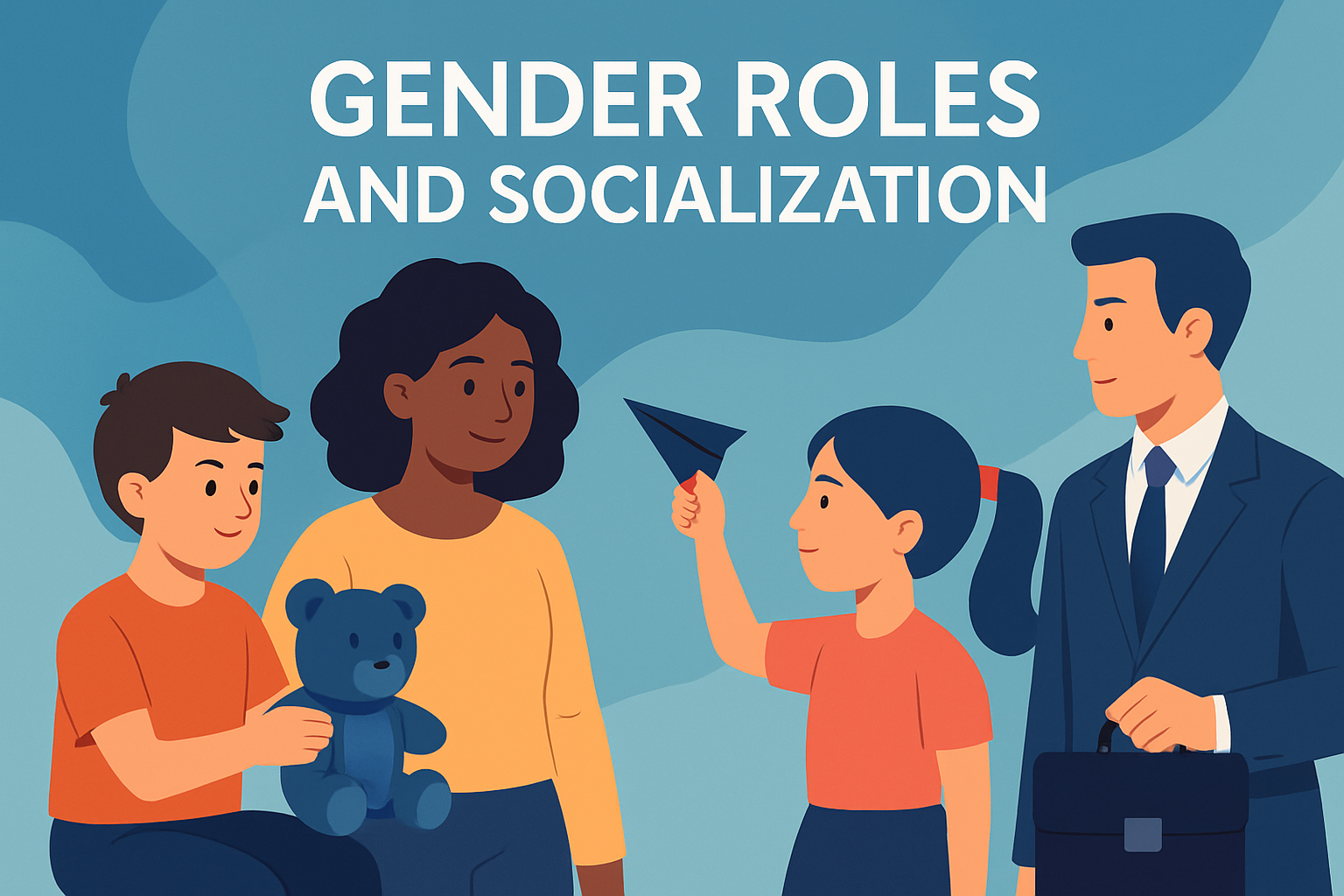
Gender roles and socialization are intertwined concepts that significantly shape individuals’ lives and society at large. Gender roles refer to the expectations, behaviors, and responsibilities considered appropriate for men and women in a given culture. Socialization is the process through which individuals learn and internalize these societal norms, shaping their beliefs, behaviors, and sense of identity. Understanding gender roles and socialization is crucial as they influence various aspects of human life, including personal relationships, career choices, and individual self-perception. Recognizing the impact of these constructs allows for a better understanding of individual experiences and societal structures and supports efforts towards gender equality and personal empowerment.
The Foundations of Gender Roles
Gender roles are culturally defined norms and standards that inscribe appropriate behaviors, attitudes, and activities for each gender. These roles often stem from historical contexts and societal structures that have dictated what is considered “masculine” or “feminine.” From a young age, individuals are socialized into these roles through various avenues, such as family, education, media, and peers.
For example, a common gender stereotype is the expectation that men should be ambitious and career-driven while women should prioritize family and homemaking. A boy who shows interest in playing with dolls might be discouraged by parents or peers because it contradicts traditional masculinity. Conversely, a girl who excels in science might face subtle societal cues to shift her focus towards more traditionally feminine activities.
These foundational roles are not just personal—they spill over into professional realms as well, perpetuating gender disparities in fields like STEM (Science, Technology, Engineering, and Mathematics). Despite increased awareness and initiatives to balance these fields, the lingering effects of gendered socialization still hamper progress.
The Process of Socialization
Socialization is an ongoing process that reshapes and reinforces gender roles from birth through adulthood. Families are often the primary agents of early socialization, where children observe and imitate gendered behaviors modeled by their parents or caregivers. These learned behaviors are further cemented in educational settings, where differential treatment and expectations for boys and girls can lead to pronounced disparities.
- Family Influence: Parents may unconsciously model traditional gender roles, such as expecting sons to handle yard work while daughters assist with domestic chores.
- Educational Systems: Teachers may inadvertently encourage boys more in math and science topics, reinforcing stereotypes about gender and aptitude in specific subjects.
- Peer Groups: As children grow, peer dynamics provide another layer of influence, often policing behavior that disrupts gender norms through social ostracism or teasing.
- Media Representation: Media portrayals extensively shape perceptions, with women often depicted in supportive roles and men in positions of leadership and authority.
Understanding the pathways of socialization allows for the identification of leverage points where interventions can disrupt harmful patterns and promote gender equity. Families and educational systems, in particular, serve as critical spaces where equitable practices can significantly alter socialized outcomes.
Impact of Gendered Socialization on Individuals
The impacts of gender roles and socialization on individuals are profound and multi-dimensional, affecting mental health, career paths, and interpersonal relationships. Adhering to rigid gender roles can constrain personal expression and limit opportunities, stifling both individual growth and societal potential.
A real-world example is the disproportionately high rates of mental health issues, such as anxiety and depression, in individuals who feel pressured to conform to gender norms that do not align with their true selves. For instance, men who are socialized to suppress emotions may struggle with expressing vulnerabilities, leading to unresolved emotional distress.
Additionally, gendered socialization can influence career trajectories by steering individuals toward certain roles or professions deemed appropriate for their gender. Women’s underrepresentation in leadership roles and men’s limited presence in caregiving professions highlight how enduring gender roles continue to skew professional landscapes.
Breaking free from traditional gender roles offers individuals the potential to pursue a more authentic life, unencumbered by societal expectations. It also encourages diverse and innovative contributions in all walks of life, fostering inclusivity and equality.
Societal Implications of Gender Roles
Beyond individual impacts, gender roles and socialization have wide-ranging implications for society. They contribute to systemic gender inequalities, hinder economic growth, and perpetuate cultural stereotypes that divide rather than unify communities. Addressing these issues is critical for creating a more just and equitable society.
For example, countries that have successfully challenged traditional gender roles and encouraged greater gender equity often see increased economic performance. Policies promoting gender parity in education and work have been linked to improved GDP and societal well-being. A society that values contributions from all genders equally fosters a more dynamic and innovative environment.
The cultural narrative shift towards gender inclusivity and diversity has begun to challenge the status quo. Companies implementing comprehensive diversity programs often benefit from enhanced creativity and problem-solving, proving that equitable gender socialization leads to tangible societal and economic benefits.
Steps Towards Gender Equity
Recognizing the pervasive influence of gender roles and socialization is the first step in creating meaningful change. Through intentional efforts to foster equality, society can dismantle outdated stereotypes and pave the way for future generations to thrive.
Realizing this vision requires collaborative efforts from individuals, families, educational institutions, and policy-makers. Actionable steps include:
- Encouraging Open Dialogue: Family environments that support honest discussions about gender and challenge stereotypes empower all members to explore identity and capabilities without fear of judgment.
- Educational Reform: Schools can implement curricula that promote gender sensitivity and inclusivity, dismantling stereotypes early and equipping students with a balanced perspective.
- Policy Initiatives: Governments can enact policies promoting equal pay, parental leave for all genders, and support diverse representation in leadership roles.
Implementing these steps will contribute to a more inclusive society where individuals can freely express themselves and access equal opportunities, ultimately leading to a balanced and vibrant human landscape.
Conclusion: The Ongoing Journey Towards Gender Equality
In conclusion, gender roles and socialization remain deeply embedded within the social fabric but understanding their influence offers opportunities for growth and transformation. The journey towards dismantling restrictive gender norms and promoting equity demands persistent effort and continuous reflection. By cultivating environments that challenge stereotypes and support diverse expressions of identity, society can unlock the full potential of every individual.
These considerations are not just about fairness but linked to broader societal well-being and success. Through personal awareness, educational reform, and supportive policy changes, individuals and communities can actively contribute to forging a future where gender roles do not confine but rather empower. Engage in conversations, question stereotypes, and aim to recognize the diverse capacities within everyone as valuable and impactful next steps toward achieving gender equality.
Frequently Asked Questions
1. What are gender roles and how do they originate?
Gender roles are the set of societal norms dictating the behaviors that are generally considered acceptable, appropriate, or desirable for a person based on their gender. These roles often originate from historical and cultural contexts, evolving over time through societal changes and cultural expectations. Traditionally, these roles have been defined quite narrowly, with men’s roles often associated with providing, protecting, and working outside the home, whereas women’s roles have typically involved nurturing, caring for children, and managing the household. However, these roles are not static; they have been challenged and are continuously evolving as societies progress. The origin of these roles can be traced back to ancient civilizations where divisions based on physical attributes were predominant, but over time, as societies have advanced, these roles are being questioned and reshaped to reflect more equitable perspectives.
2. How does socialization affect our understanding of gender roles?
Socialization is the process by which individuals learn and internalize the cultural norms and values of their society, which greatly influences their understanding of gender roles. From a young age, children observe and mimic the behaviors of adults around them, including how they perform gender roles. Family, media, education, peers, and religion all play crucial roles in reinforcing gender norms. For example, children may see gendered toys, such as trucks for boys and dolls for girls, which reinforces traditional gender expectations. Over time, these repeated patterns help shape their understanding of what is considered ‘normal’ or ‘appropriate’ for their gender, often leading to the perpetuation of traditional roles. Socialization acts as a conduit through which these cultural messages are passed down, significantly impacting an individual’s self-concept and the roles they feel compelled to adopt.
3. How have gender roles changed over time?
Gender roles have undergone significant changes, particularly over the last century. Several factors have contributed to this transformation, including social movements, economic changes, and advances in technology. The women’s rights movement, for example, challenged many of the traditional roles assigned to women, advocating for equal rights in the workplace, voting rights, and reproductive rights. This shift has led to more women pursuing careers, obtaining higher education, and participating actively in politics, altering the domestic landscape and redefining familial roles. Similarly, men’s roles have also evolved, with an increasing acceptance of men taking on roles traditionally deemed as feminine, such as caregiving and homemaking. The change is also visible in media representations, where more diverse and non-traditional gender roles are being depicted, further challenging and reshaping societal expectations. These changes reflect a broader shift towards more egalitarian views, yet the pace and extent of change vary across different cultures and regions.
4. What impact do gender roles have on individuals and society?
Gender roles can have profound impacts on both individuals and society. For individuals, rigid gender roles can limit personal freedom and expression, often dictating their career choices, personal interests, and relationships. This can lead to a sense of confinement and internal conflict when one’s personal identity does not align with societal expectations. On a broader societal level, these roles can perpetuate inequality by influencing power dynamics and limiting opportunities for certain groups based on gender. Economically, when women are restricted to certain roles, societies miss out on the full potential of half their population contributing to economic growth. Also, the mental health impacts are evident, with restrictive gender norms being linked to stress, anxiety, and depression. Therefore, challenging and expanding gender roles can lead to more inclusive, equitable societies where individuals are free to pursue their interests and potential without being confined by outdated expectations.
5. How can we promote more flexible gender roles?
Promoting more flexible gender roles requires a multifaceted approach involving education, media representation, policy, and individual action. Education systems can play a vital role by incorporating gender studies into the curriculum, helping students understand and question traditional gender norms from an early age. Media, as a powerful tool for shaping societal norms, can contribute by providing diverse and respectful portrayals of gender roles, moving away from stereotypes. In terms of policy, governments can implement measures that promote equality, such as paternity leave, equal pay initiatives, and anti-discrimination laws. On an individual level, open conversations about gender with family and friends, challenging stereotypes when they emerge, and supporting inclusive workplaces also help in making gender roles more flexible. Encouraging critical thinking and empathy towards different gender identities and roles can foster an environment where everyone is valued for their unique contributions rather than their adherence to traditional gender expectations.